Real-World Assessment of Personalized Approach With Voglibose Fixed-Dose Combination in Type 2 Diabetes Mellitus
Nirmal Parmar, Ajay Kumar Gupta, Kunal Jhaveri, Balachandran A, Gaurav Chhaya, Sandeep Kansara, Rathish Nair, Krishnaprasad R Korukonda

TL;DR
This study evaluates the effectiveness of a personalized treatment with voglibose in managing type 2 diabetes in India, showing significant improvements in blood sugar levels and good tolerability.
Contribution
The study provides real-world evidence of voglibose fixed-dose combination's efficacy and safety in managing post-prandial hyperglycemia in Indian patients with type 2 diabetes.
Findings
Voglibose FDC significantly reduced HbA1c, fasting blood glucose, post-prandial blood glucose, and body weight over 12 weeks.
A weak correlation was found between PPBG and HbA1c ≤7.5%, but a moderate positive correlation was observed for HbA1c ≤9%.
No adverse events were reported, indicating good tolerability and contributing to higher patient compliance.
Abstract
Background: Post-prandial hyperglycemia (PPHG) remains a complex aspect in the management of type 2 diabetes mellitus (T2DM) in the Indian population due to uncertainty in the optimal utilization of alpha-glucosidase inhibitors (AGIs) either as standalone therapy or in combination, whether initiated initially or as a sequential therapy. Methods: This was a post-approval, observational, multicentric clinical study conducted at 50 centers according to principles of the International Council for Harmonisation of Technical Requirements of Pharmaceuticals for Human Use Guideline for Good Clinical Practice (ICH-GCP) and Declaration of Helsinki and local ethics approval. Descriptive and analytical statistics were applied for conclusion and categorical variables using SPSS version 29.0.1.0 (171) (Armonk, NY: IBM Corp.). Results: Protocol analyses of 515 cases revealed baseline demographics as…
Genes, proteins, chemicals, diseases, species, mutations and cell lines named across the full text — each resolved to its canonical identifier and authoritative record.
Click any figure to enlarge with its caption.
 Figure 1
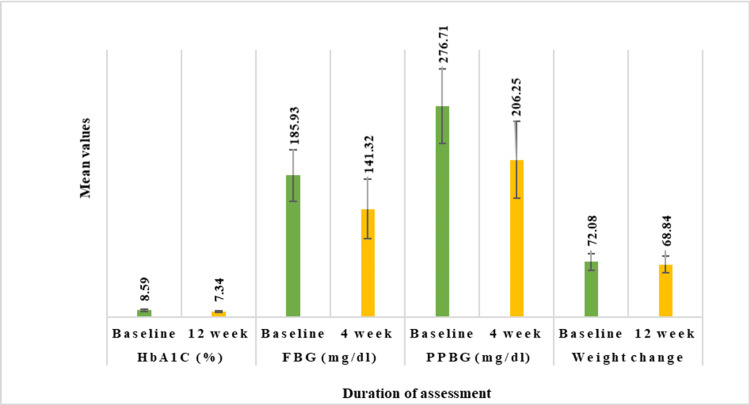 Figure 2
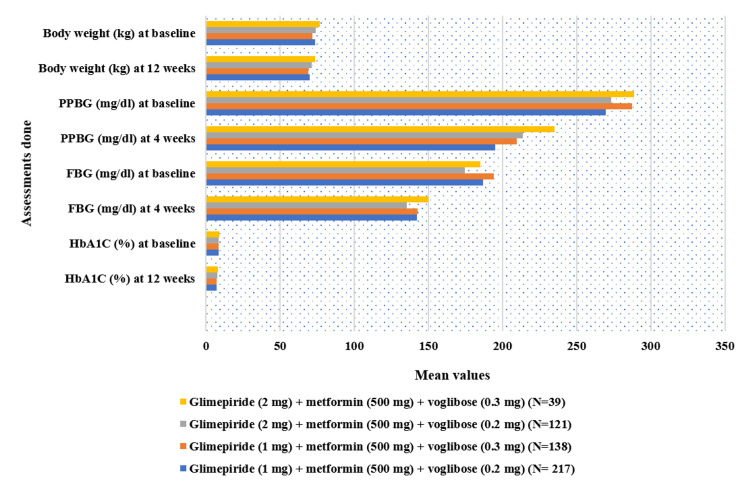 Figure 3
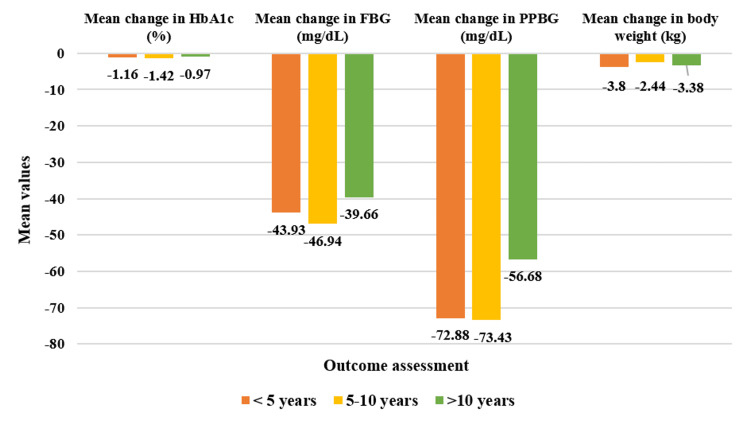 Figure 4
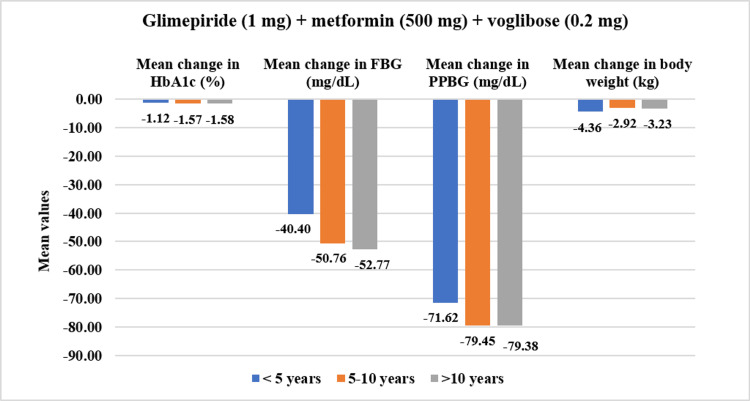 Figure 5
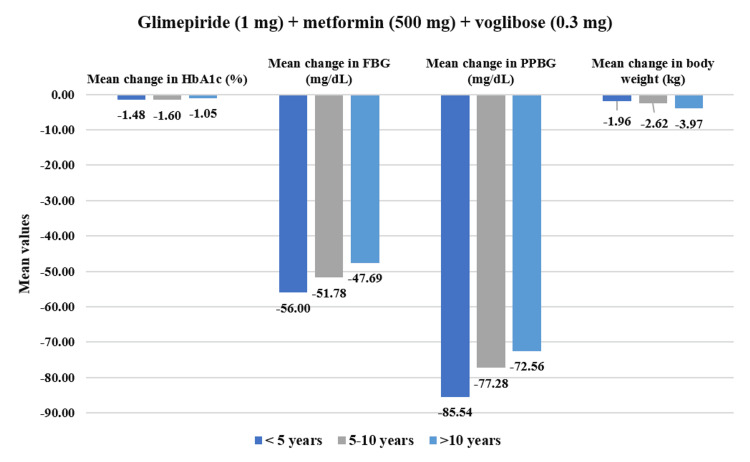 Figure 6
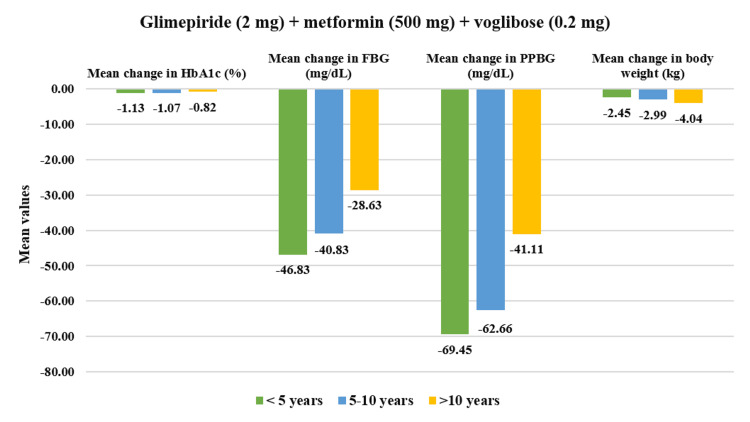 Figure 7
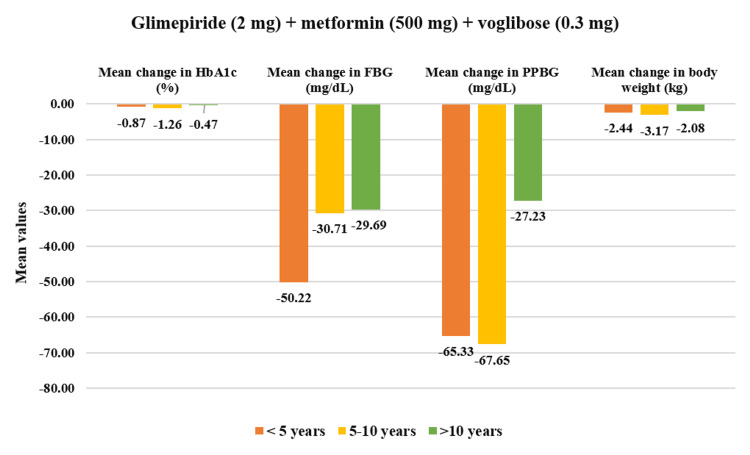 Figure 8
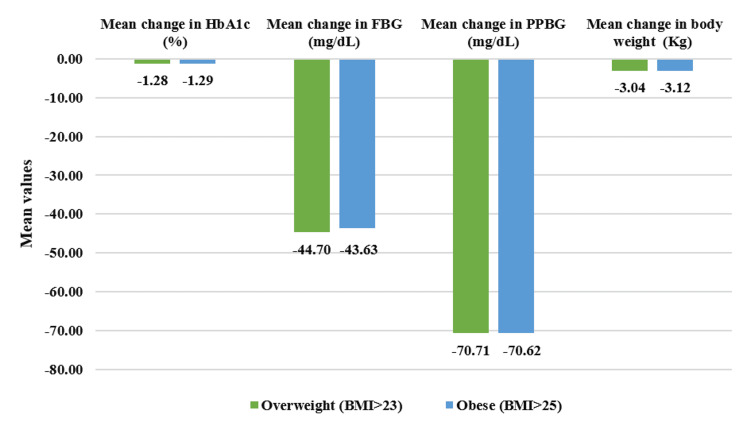 Figure 9
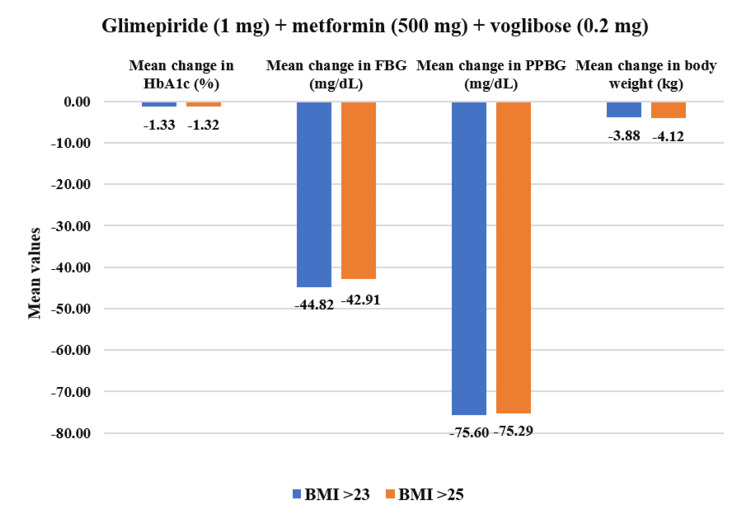 Figure 10
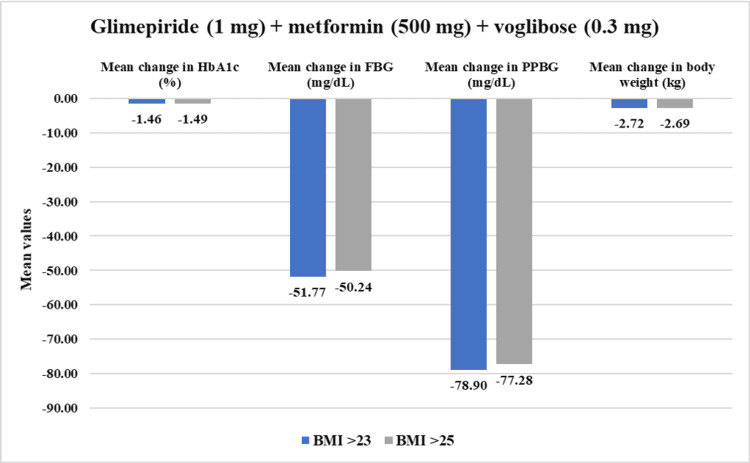 Figure 11
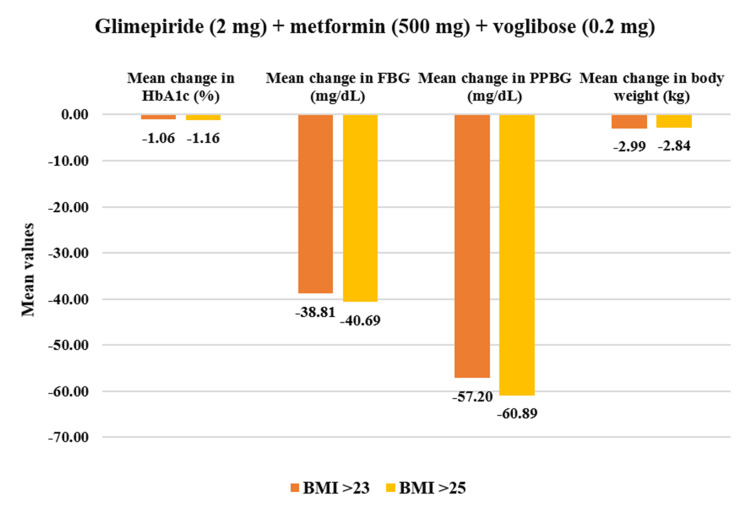 Figure 12
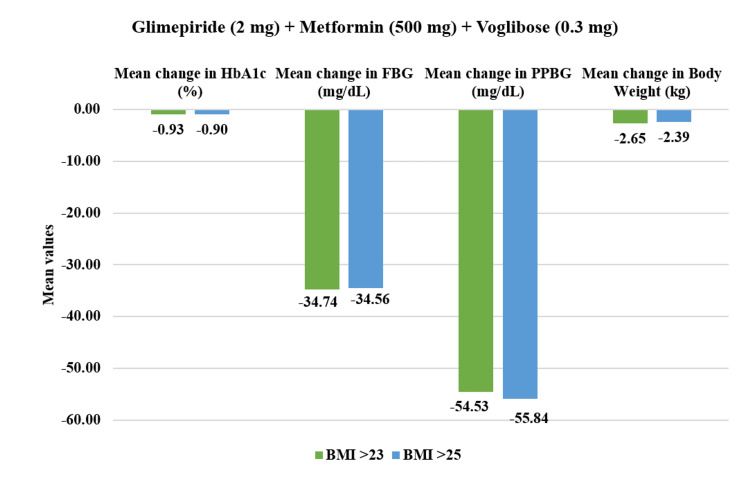 Figure 13
Peer Reviews
No public reviews on file for this paper yet. If you reviewed it on a platform where reviews are public (OpenReview, ICLR, NeurIPS, ICML), you can paste yours below so the community can read it here.
Videos
No videos yet. Explain this paper in a talk, walkthrough, or lecture? Add one.
Taxonomy
TopicsPharmacological Effects of Medicinal Plants