Building a realistic, scalable memory model with independent engrams using a homeostatic mechanism
Marvin Kaster, Fabian Czappa, Markus Butz-Ostendorf, Felix Wolf

TL;DR
This paper introduces a memory model that forms multiple independent engrams using structural plasticity and homeostatic mechanisms, enabling realistic and scalable simulations.
Contribution
The novel contribution is a scalable model allowing simultaneous formation of multiple non-interfering memory engrams with high neurophysiological accuracy.
Findings
The model uses structural plasticity and Euclidean distance-based synapse formation to simulate 4 million neurons with 343 memory engrams.
Synaptic pruning precedes and enables engram formation, differing from Hebbian plasticity mechanisms.
The model supports long-reaching associations by adjusting simulation parameters.
Abstract
Memory formation is usually associated with Hebbian learning and synaptic plasticity, which changes the synaptic strengths but omits structural changes. A recent study suggests that structural plasticity can also lead to silent memory engrams, reproducing a conditioned learning paradigm with neuron ensembles. However, this study is limited by its way of synapse formation, enabling the formation of only one memory engram. Overcoming this, our model allows the formation of many engrams simultaneously while retaining high neurophysiological accuracy, e.g., as found in cortical columns. We achieve this by substituting the random synapse formation with the Model of Structural Plasticity. As a homeostatic model, neurons regulate their activity by growing and pruning synaptic elements based on their current activity. Utilizing synapse formation based on the Euclidean distance between the…
Genes, proteins, chemicals, diseases, species, mutations and cell lines named across the full text — each resolved to its canonical identifier and authoritative record.
Click any figure to enlarge with its caption.
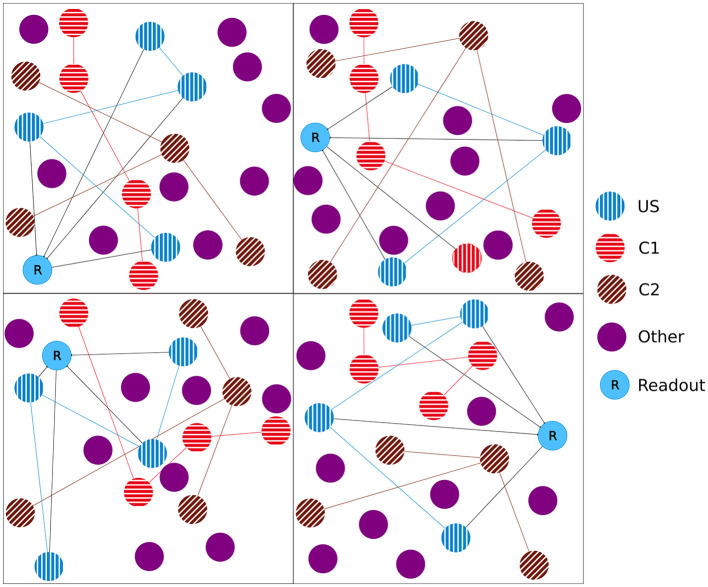 Figure 1
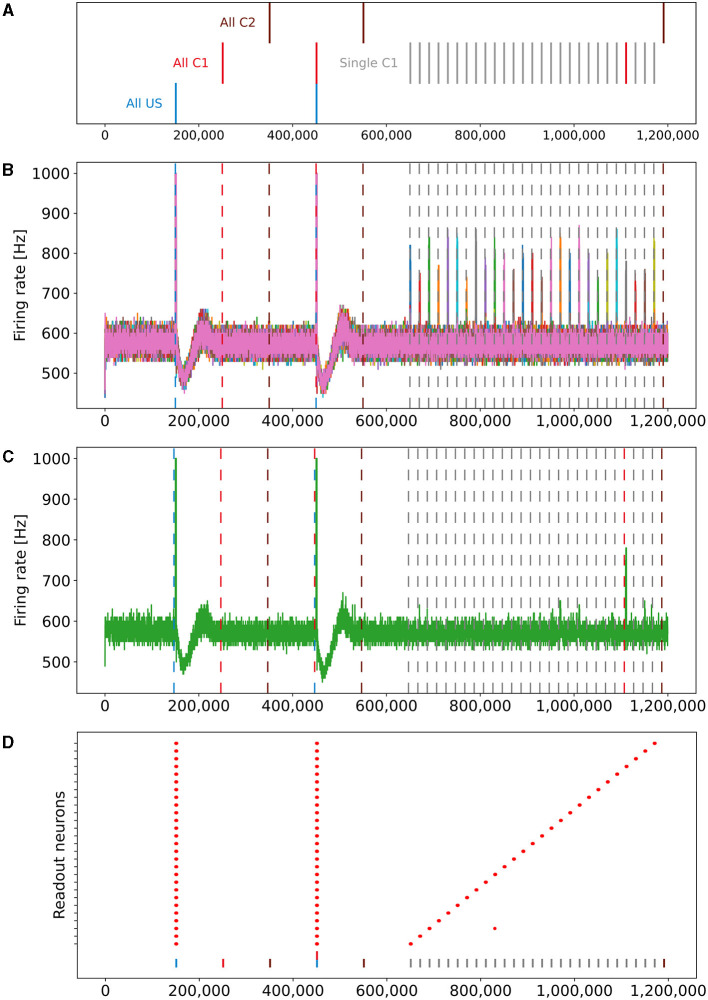 Figure 2
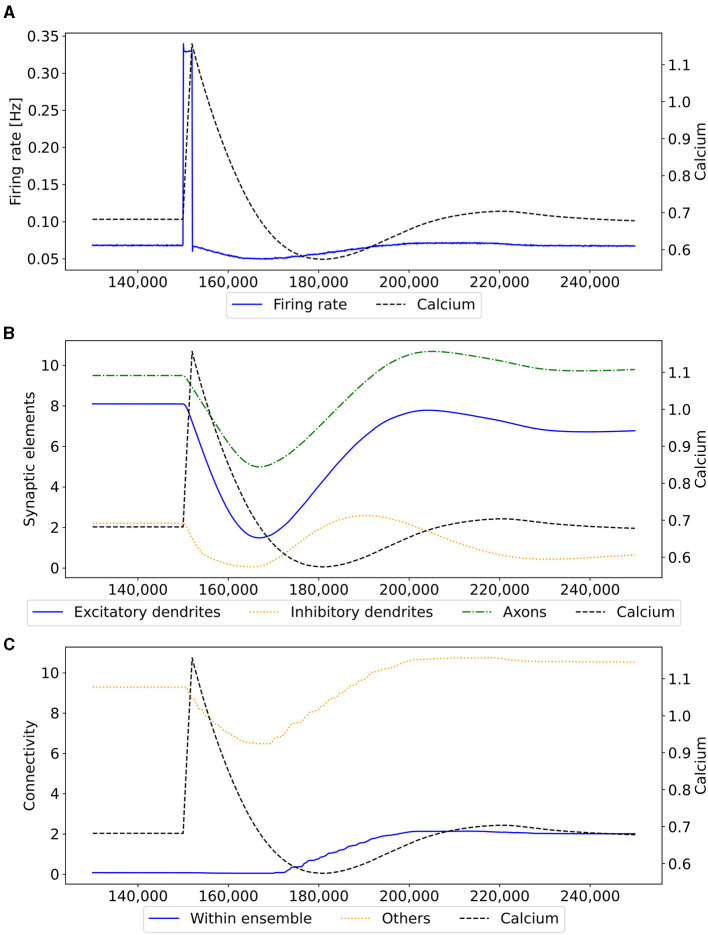 Figure 3
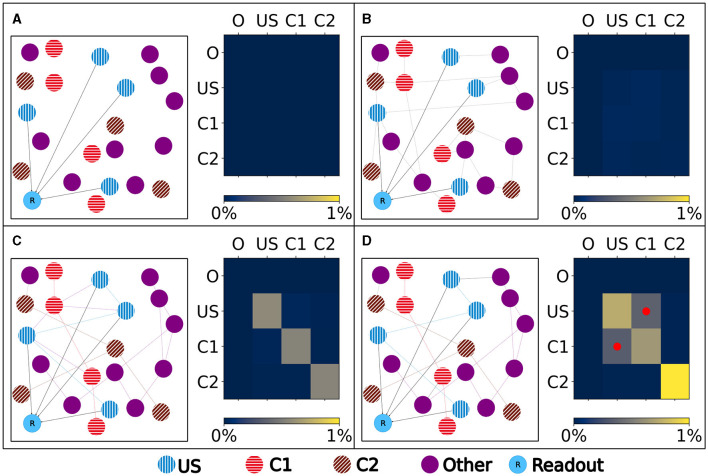 Figure 4
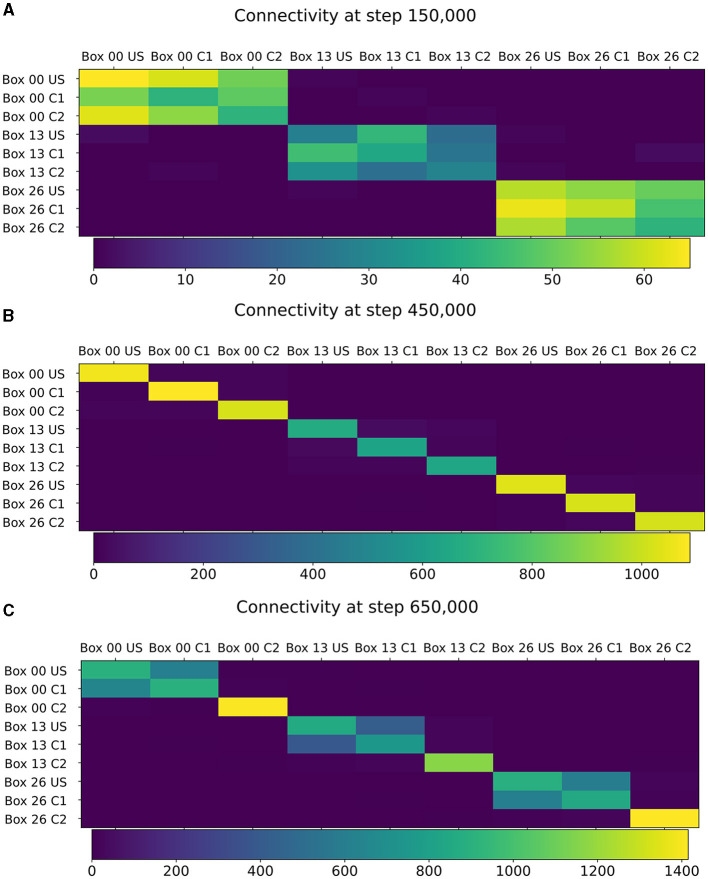 Figure 5
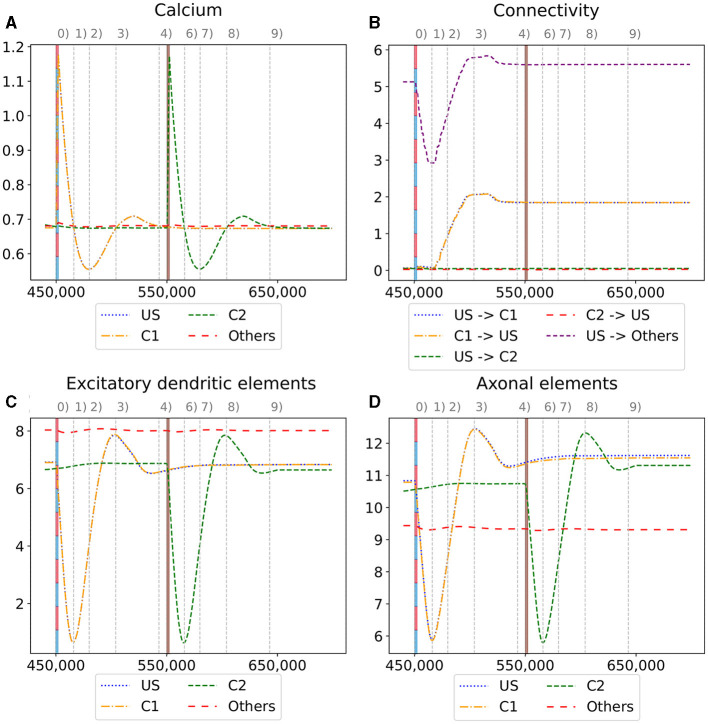 Figure 6
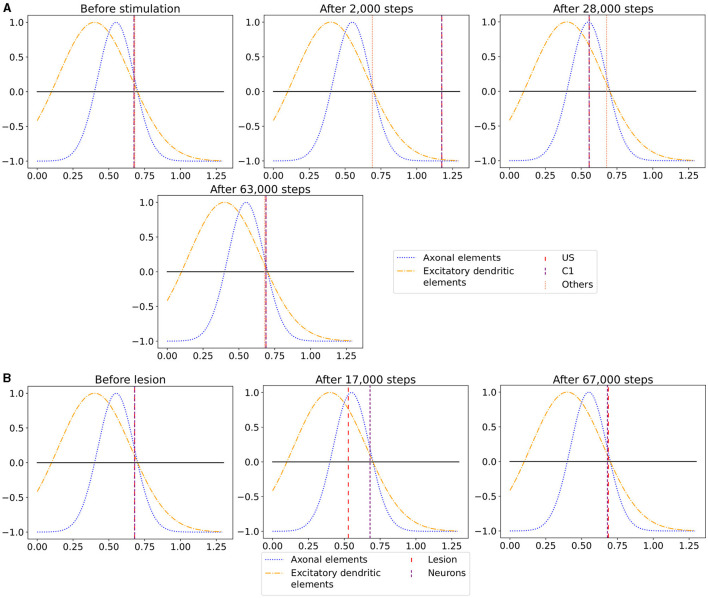 Figure 7
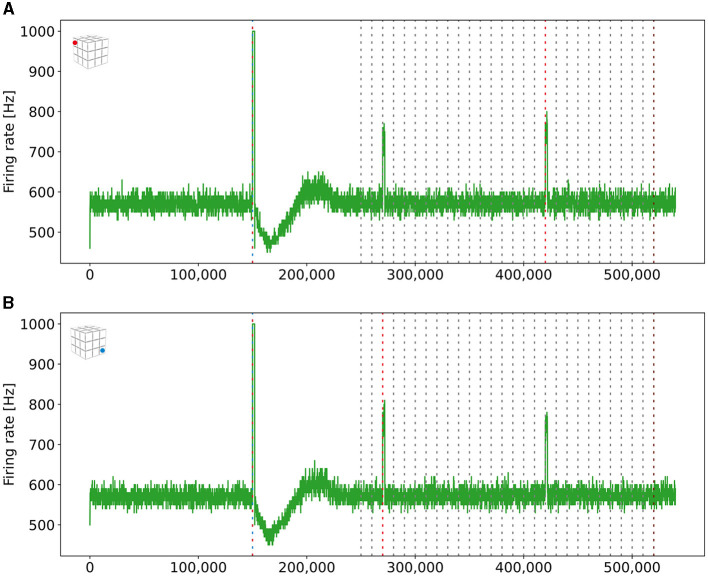 Figure 8
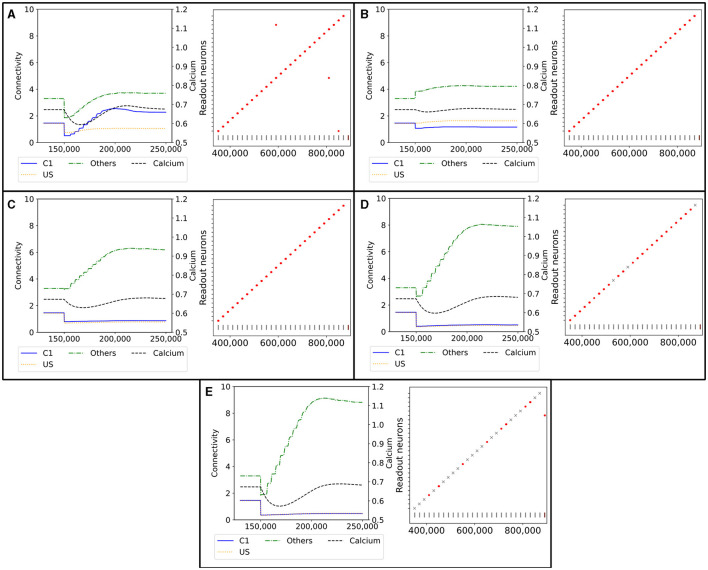 Figure 9
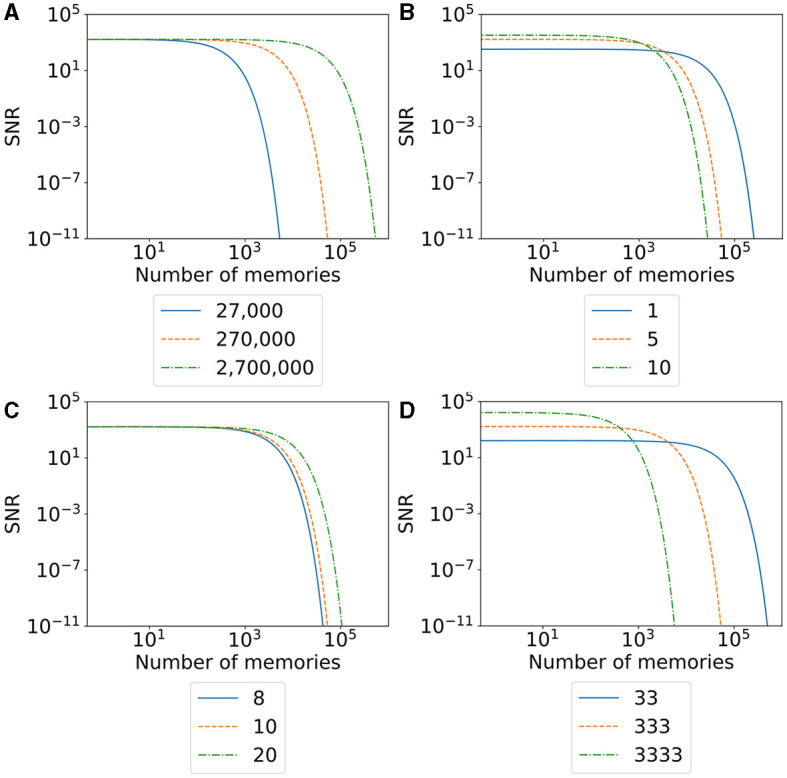 Figure 10
Peer Reviews
No public reviews on file for this paper yet. If you reviewed it on a platform where reviews are public (OpenReview, ICLR, NeurIPS, ICML), you can paste yours below so the community can read it here.
Videos
No videos yet. Explain this paper in a talk, walkthrough, or lecture? Add one.
Taxonomy
TopicsEducational Games and Gamification