GMP production of [18F]FE-PE2I on a TRACERLab FX2 N synthesis module, a radiotracer for in vivo PET imaging of the dopamine transport
Mélodie Ferrat, Mohammad M. Moein, Carmen Cananau, Tetyana Tegnebratt, Paul Saliba, Fredrik Norman, Carsten Steiger, Klas Bratteby, Erik Samén, Kenneth Dahl, Thuy A. Tran

TL;DR
This paper describes a scalable, automated method for producing [18F]FE-PE2I, a radiotracer used in PET imaging to study dopamine transport in Parkinson's disease.
Contribution
A fully automated and GMP-compliant production procedure for [18F]FE-PE2I using a commercial radiosynthesis module.
Findings
[18F]FE-PE2I was produced with a radiochemical yield of 39 ± 8%.
The synthesis time was 70 minutes, and the molar activity was 925.3 ± 763 GBq/µmol.
The produced tracer was stable for 6 hours at room temperature and met GMP standards.
Abstract
Parkinson's disease is a neurodegenerative disorder that is characterized by a degeneration of the dopaminergic system. Dopamine transporter (DAT) positron emission tomography (PET) imaging has emerged as a powerful and non-invasive method to quantify dopaminergic function in the living brain. The PET radioligand, [18F]FE-PE2I, a cocaine chemical derivative, has shown promising properties for in vivo PET imaging of DAT, including high affinity and selectivity for DAT, excellent brain permeability, and favorable metabolism. The aim of the current study was to scale up the production of [18F]FE-PE2I to fulfil the increasing clinical demand for this tracer. Thus, a fully automated and GMP-compliant production procedure has been developed using a commercially available radiosynthesis module GE TRACERLab FX2 N. [18F]FE-PE2I was produced with a radiochemical yield of 39 ± 8% (n = 4, relative…
Genes, proteins, chemicals, diseases, species, mutations and cell lines named across the full text — each resolved to its canonical identifier and authoritative record.
Click any figure to enlarge with its caption.
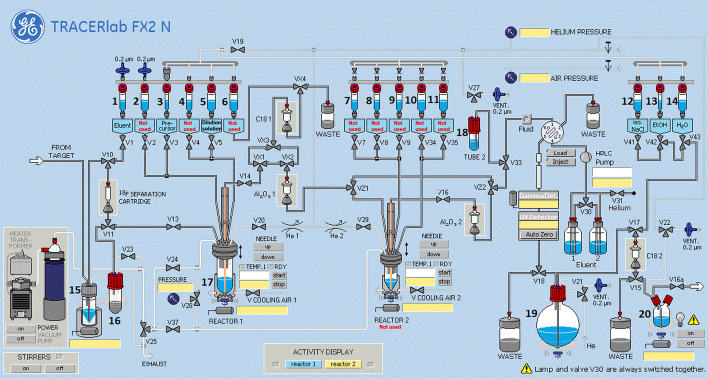 Figure 1
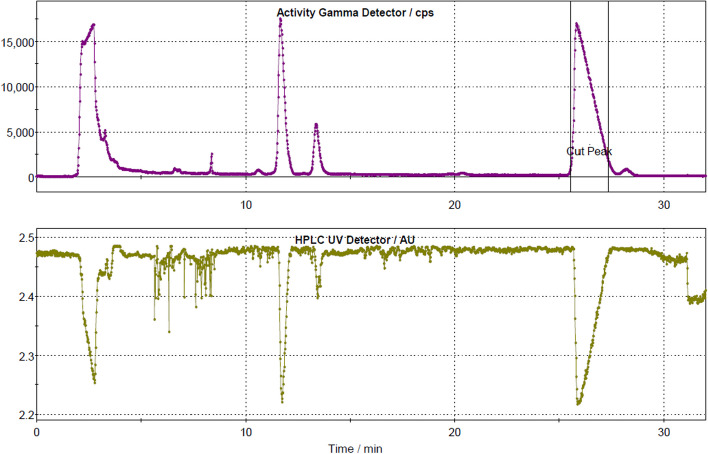 Figure 2
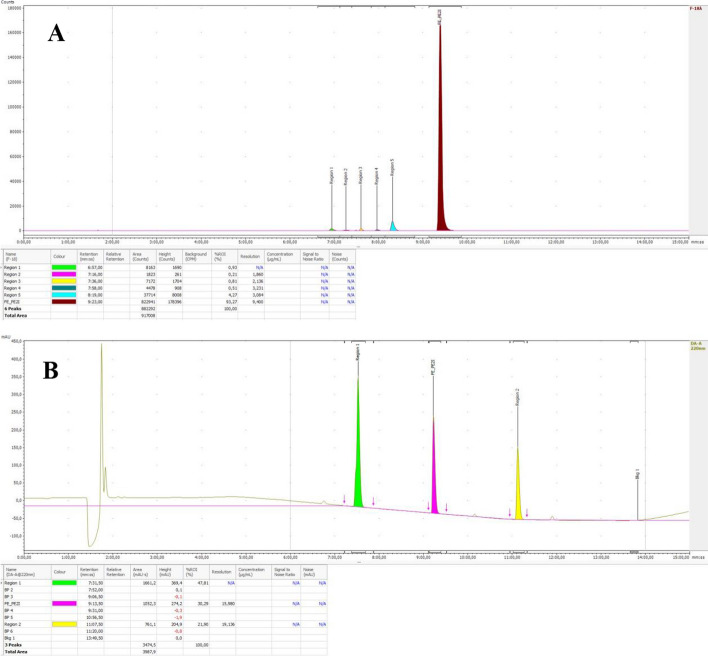 Figure 3
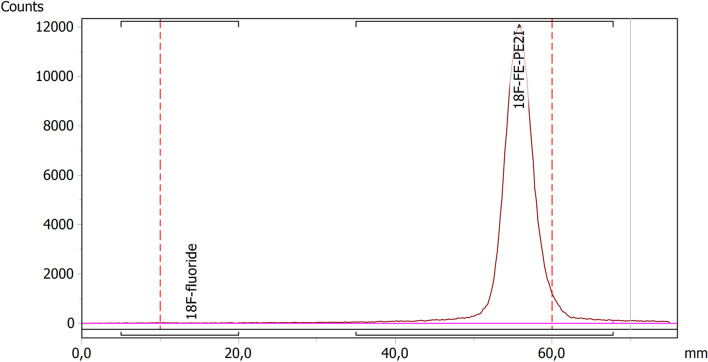 Figure 4
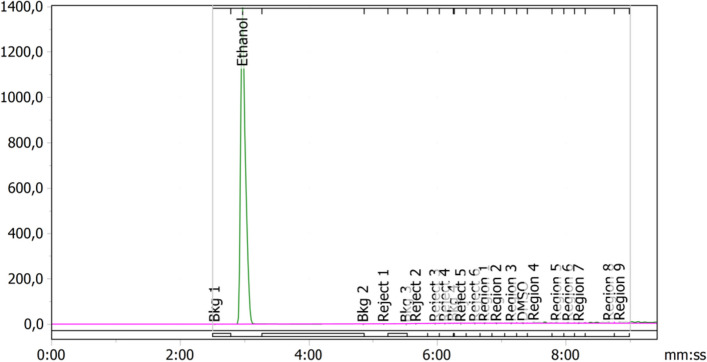 Figure 5
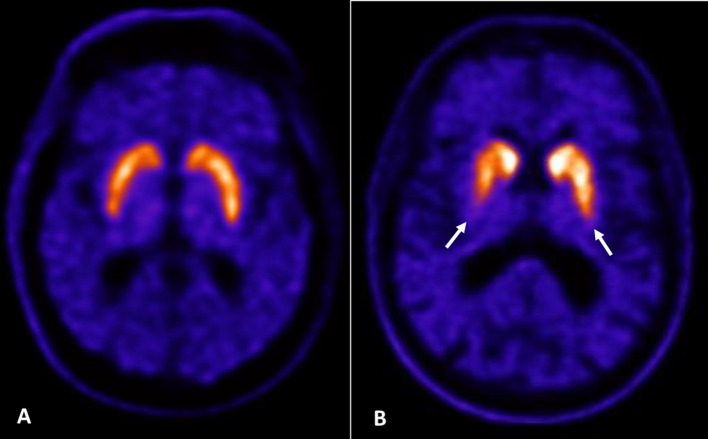 Figure 6
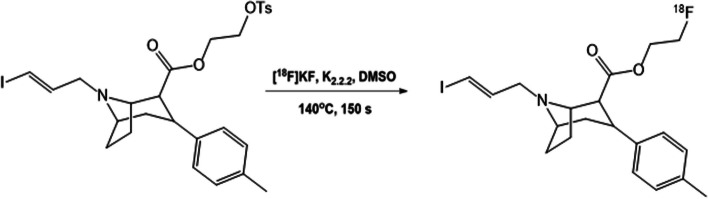 Figure 7
Peer Reviews
No public reviews on file for this paper yet. If you reviewed it on a platform where reviews are public (OpenReview, ICLR, NeurIPS, ICML), you can paste yours below so the community can read it here.
Videos
No videos yet. Explain this paper in a talk, walkthrough, or lecture? Add one.
Taxonomy
TopicsNeurological disorders and treatments · Medical Imaging Techniques and Applications · Neuroscience and Neuropharmacology Research