Longitudinal dynamics of the nasopharyngal microbiome in response to SARS-CoV-2 Omicron variant and HIV infection in Kenyan women and their infants
Ayla Žuštra, Victoria R. Leonard, LaRinda A. Holland, James C. Hu, Tianchen Mu, Steven C. Holland, Lily I. Wu, Emily R. Begnel, Ednah Ojee, Bhavna H. Chohan, Barbra A. Richardson, John Kinuthia, Dalton Wamalwa, Jennifer Slyker, Dara A. Lehman, Soren Gantt, Efrem S. Lim

TL;DR
This study examines how the nasal microbiome of Kenyan women and infants responds to SARS-CoV-2 Omicron and HIV over time, finding it remains stable despite infection.
Contribution
The study provides new insights into the resilience of the nasopharyngeal microbiome to SARS-CoV-2 and HIV in a longitudinal cohort in Kenya.
Findings
Mothers and infants had significantly different microbiome composition and bacterial load.
The nasopharyngeal microbiome did not change before and after SARS-CoV-2 infection.
HIV exposure did not significantly alter the microbiome's response to SARS-CoV-2.
Abstract
The nasopharynx and its microbiota are implicated in respiratory health and disease. The interplay between viral infection and the nasopharyngeal microbiome is an area of increased interest and of clinical relevance. The impact of SARS-CoV-2, the etiological agent of the Coronavirus Disease 2019 (COVID-19) pandemic, on the nasopharyngeal microbiome, particularly among individuals living with HIV, is not fully characterized. Here we describe the nasopharyngeal microbiome before, during and after SARS-CoV-2 infection in a longitudinal cohort of Kenyan women (21 living with HIV and 14 HIV-uninfected) and their infants (18 HIV-exposed, uninfected and 18 HIV-unexposed, uninfected), followed between September 2021 through March 2022. We show using genomic epidemiology that mother and infant dyads were infected with the same strain of the SARS-CoV-2 Omicron variant that spread rapidly across…
Genes, proteins, chemicals, diseases, species, mutations and cell lines named across the full text — each resolved to its canonical identifier and authoritative record.
Click any figure to enlarge with its caption.
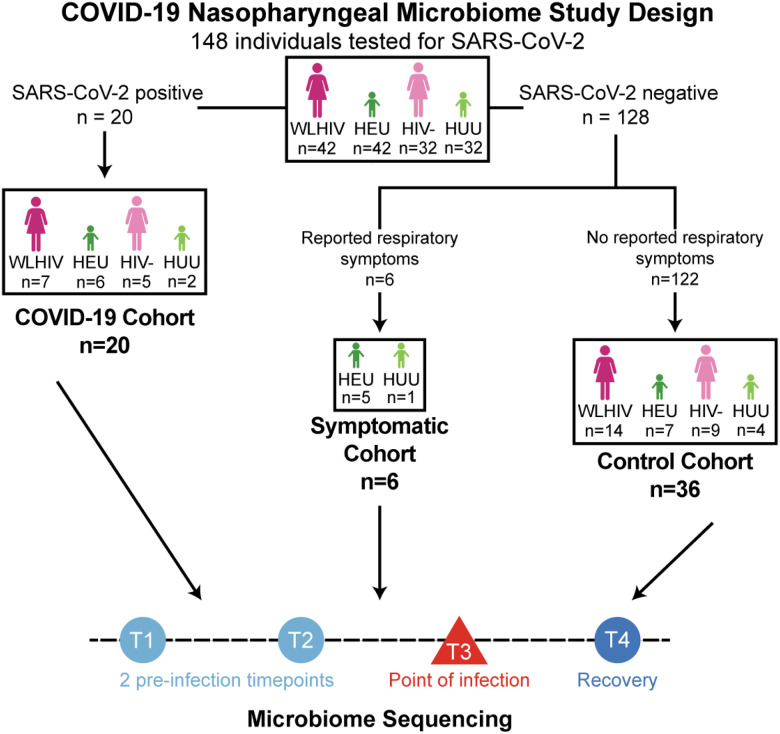 Figure 1
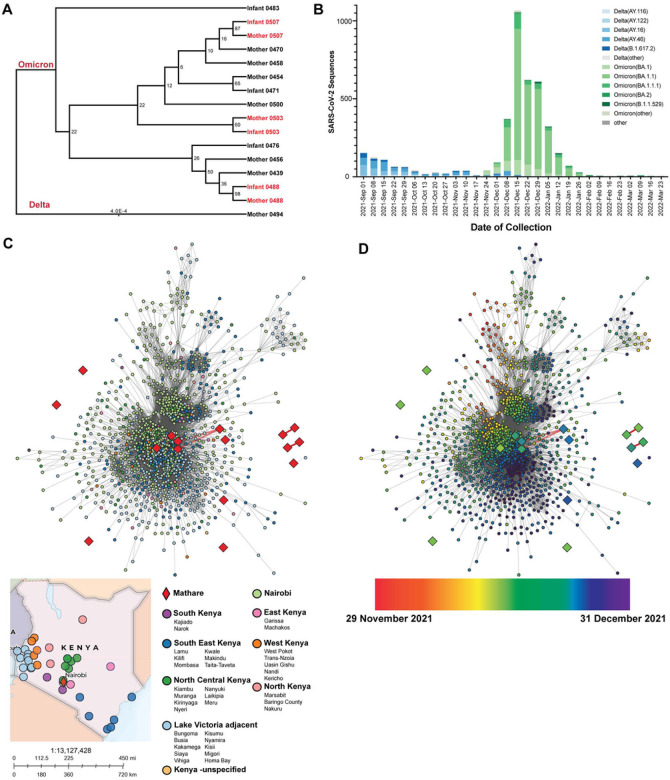 Figure 2
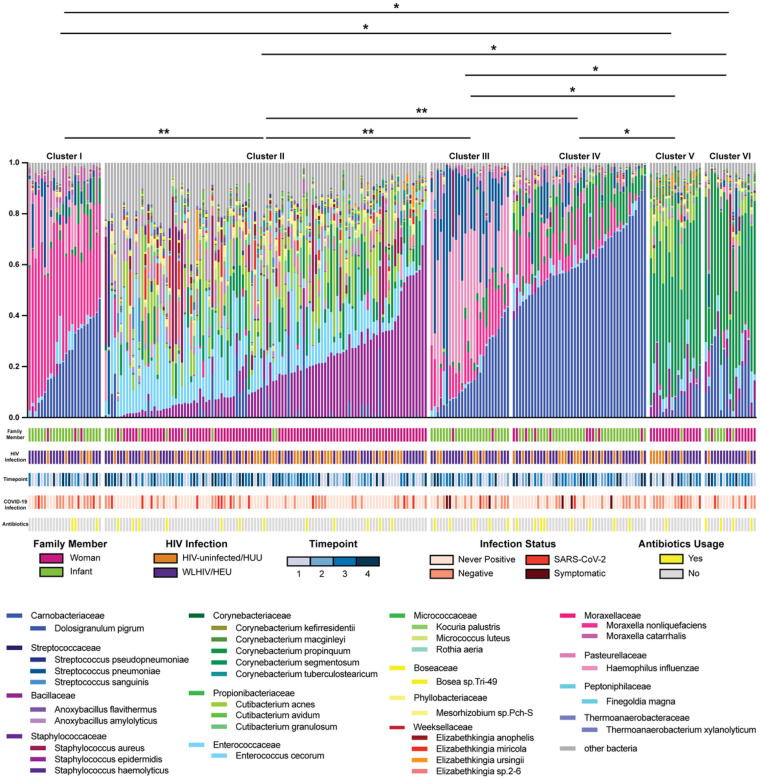 Figure 3
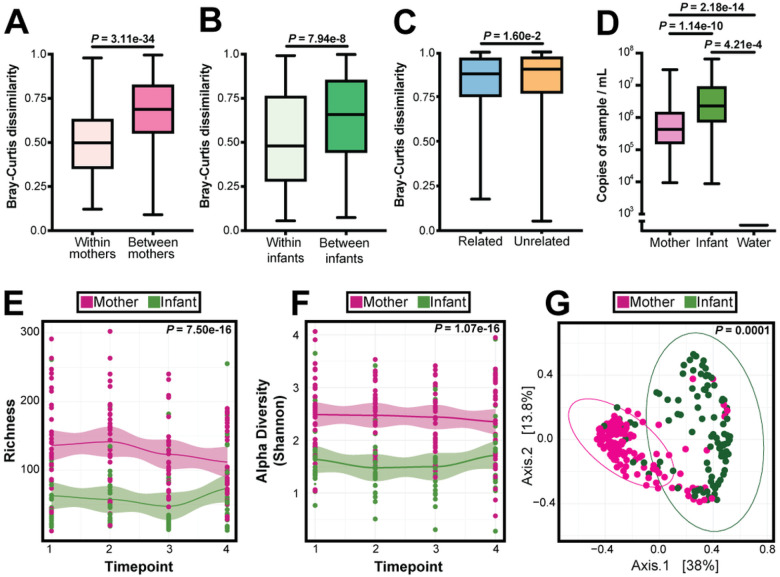 Figure 4
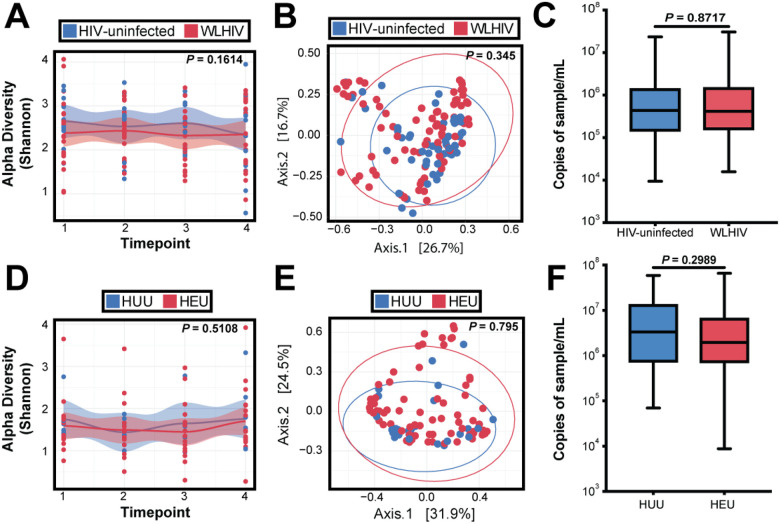 Figure 5
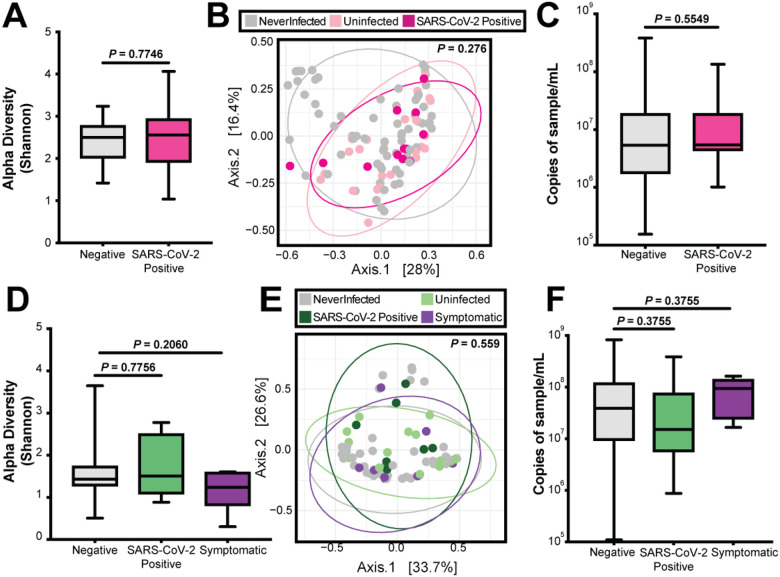 Figure 6
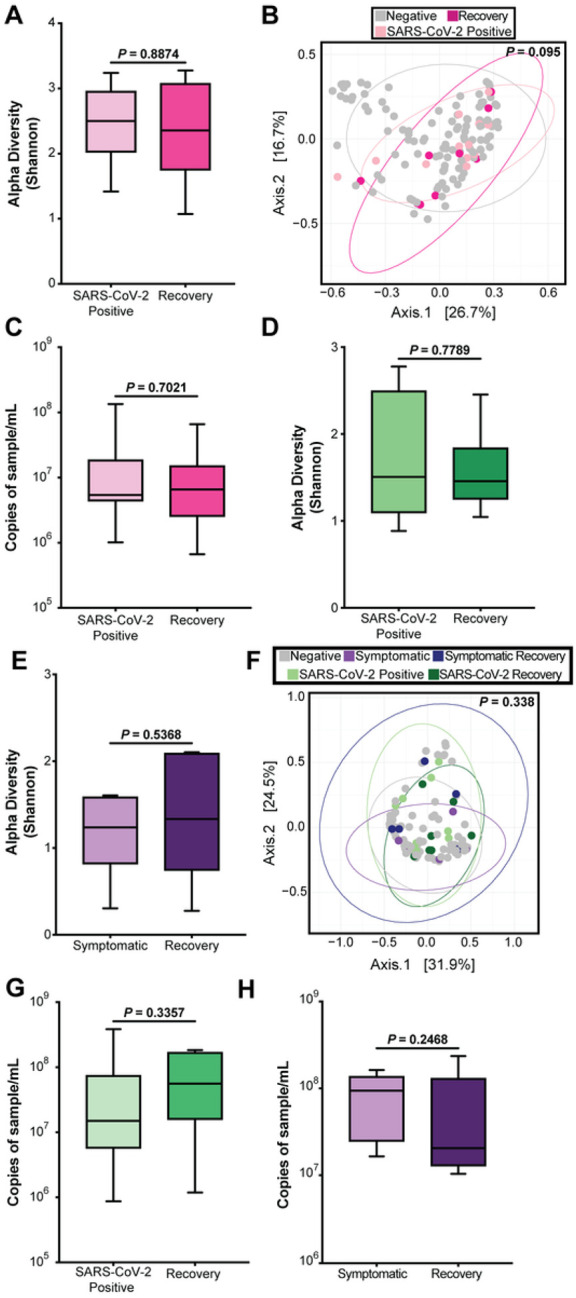 Figure 7
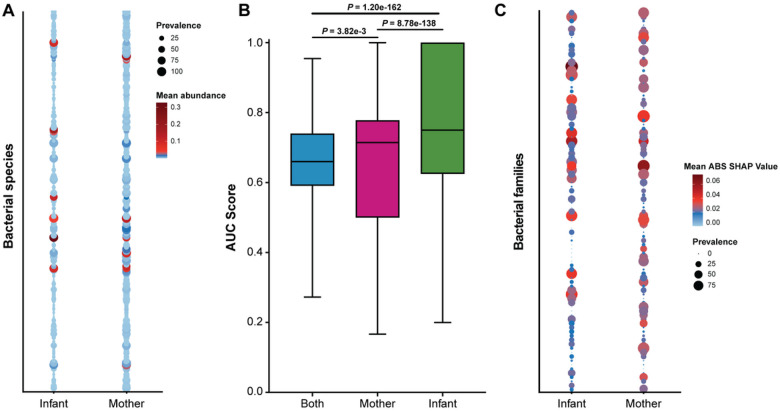 Figure 8
Peer Reviews
No public reviews on file for this paper yet. If you reviewed it on a platform where reviews are public (OpenReview, ICLR, NeurIPS, ICML), you can paste yours below so the community can read it here.
Videos
No videos yet. Explain this paper in a talk, walkthrough, or lecture? Add one.
Taxonomy
TopicsRespiratory viral infections research · Pneumonia and Respiratory Infections · Immune responses and vaccinations