Characterization of a Fatty Acid Amide Hydrolase (FAAH) in Hirudo verbana
Emily Kabeiseman, Riley T Paulsen, Brian D Burrell

TL;DR
This study identifies and characterizes a fatty acid amide hydrolase (FAAH) in the medicinal leech, showing its role in endocannabinoid signaling and nervous system function.
Contribution
The paper reports the first characterization of FAAH in the medicinal leech, an orthologue of vertebrate FAAH-2.
Findings
Hirudo FAAH (HirFAAH) is expressed in the leech central nervous system and is an orthologue of vertebrate FAAH-2.
HirFAAH exhibits serine hydrolase activity and hydrolyzes FAAH-specific substrates.
URB597, a known FAAH inhibitor, blocks HirFAAH activity and potentiates synapses in leech ganglia.
Abstract
The endocannabinoid system plays a critical role in modulating both peripheral and central nervous system function. Despite being present throughout the animal kingdom, there has been relatively little investigation of the endocannabinoid system beyond the traditional animal model systems. In this study, we report on the identification and characterization of a fatty acid aminohydrolase (FAAH) in the medicinal leech, Hirudo verbana. FAAH is the primary enzyme responsible for metabolizing the endocannabinoid signaling molecule arachidonoyl ethanolamide (anandamide or AEA) and therefore plays a critical role in regulating AEA levels in the nervous system. This Hirudo FAAH (HirFAAH) is expressed in the leech central nervous system (CNS) and is an orthologue of FAAH-2 observed in vertebrates. Functionally, HirFAAH has serine hydrolase activity based on activity-based protein profiling…
Genes, proteins, chemicals, diseases, species, mutations and cell lines named across the full text — each resolved to its canonical identifier and authoritative record.
Click any figure to enlarge with its caption.
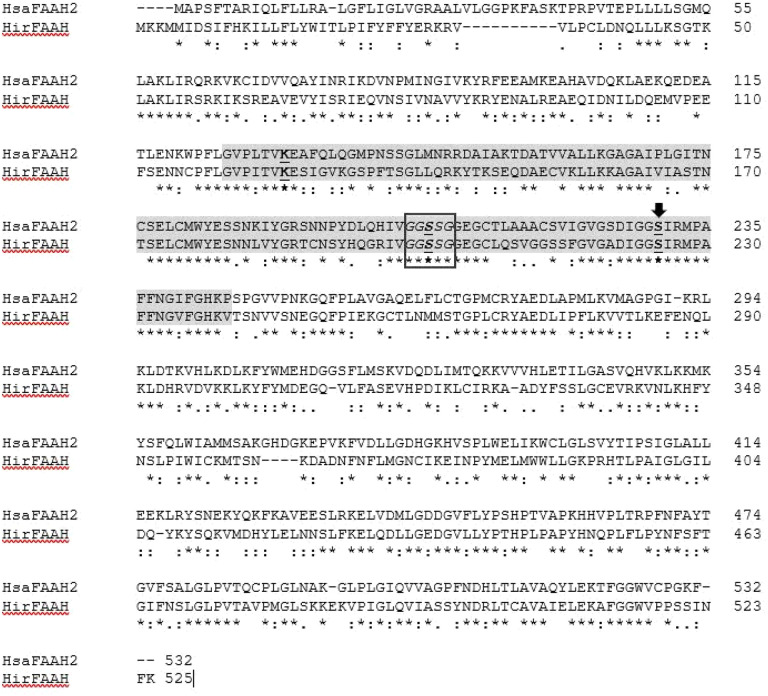 Figure 1
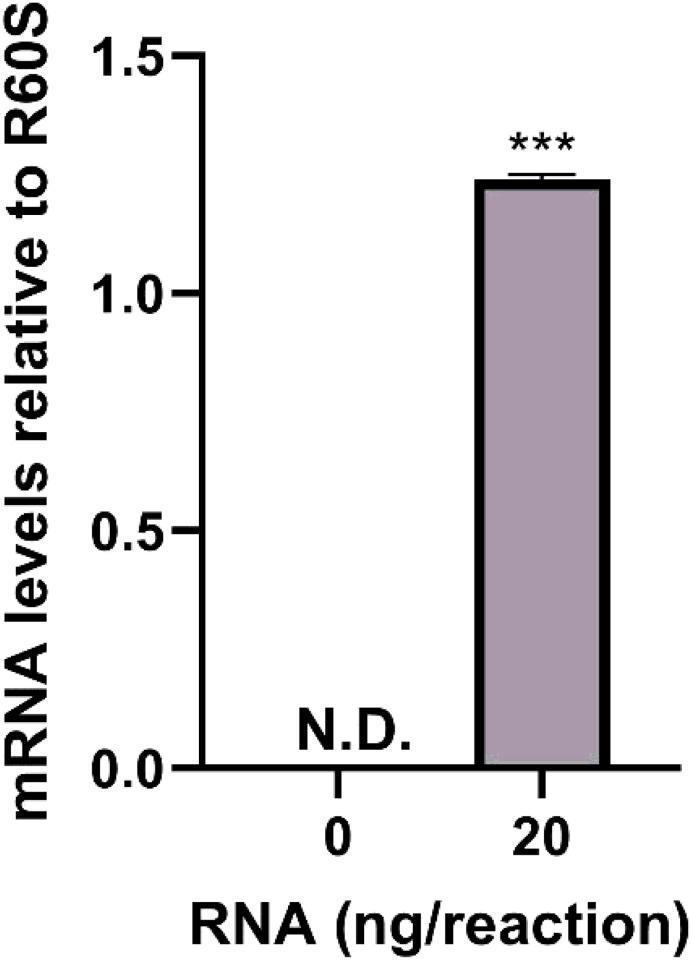 Figure 2
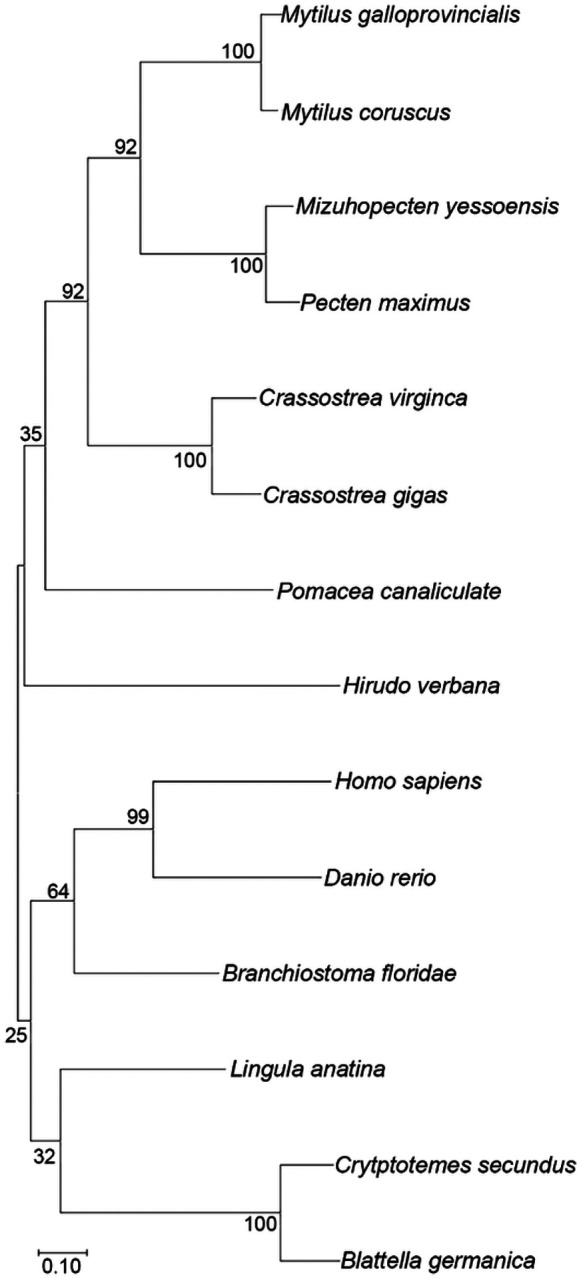 Figure 3
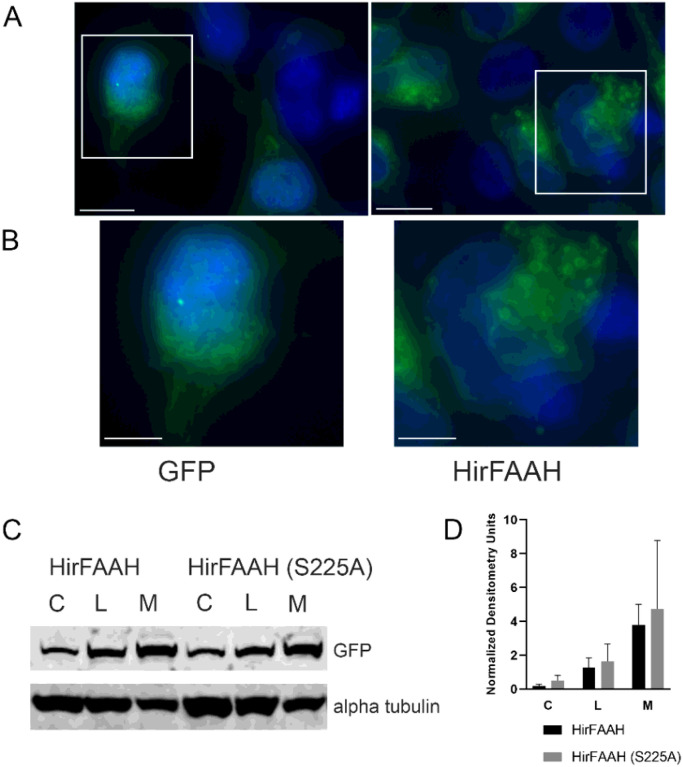 Figure 4
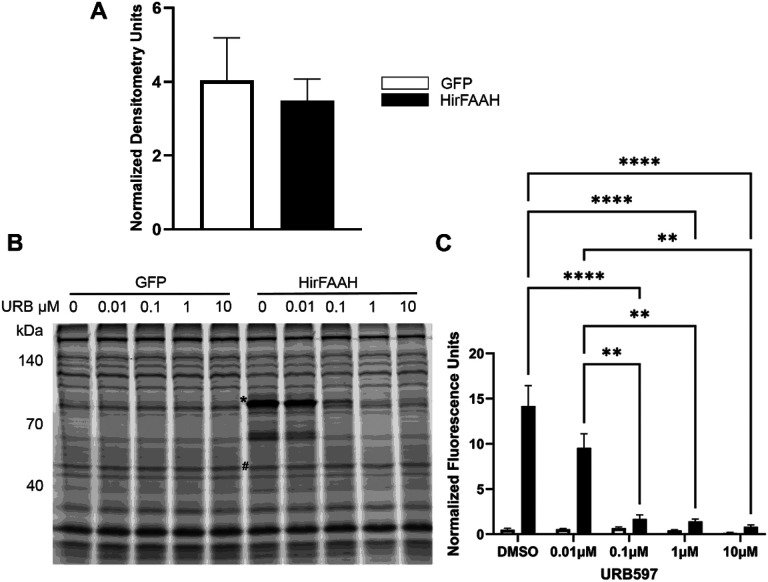 Figure 5
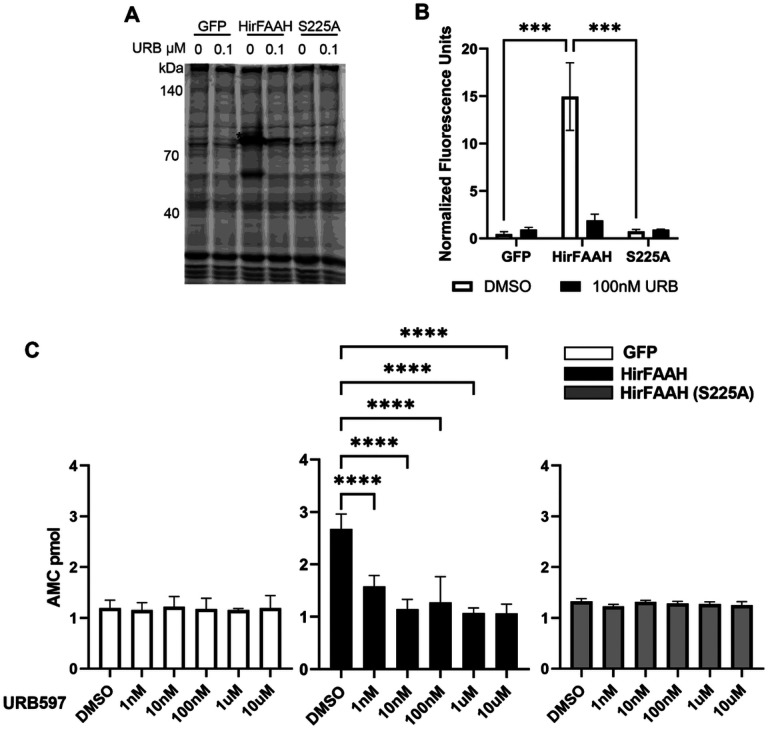 Figure 6
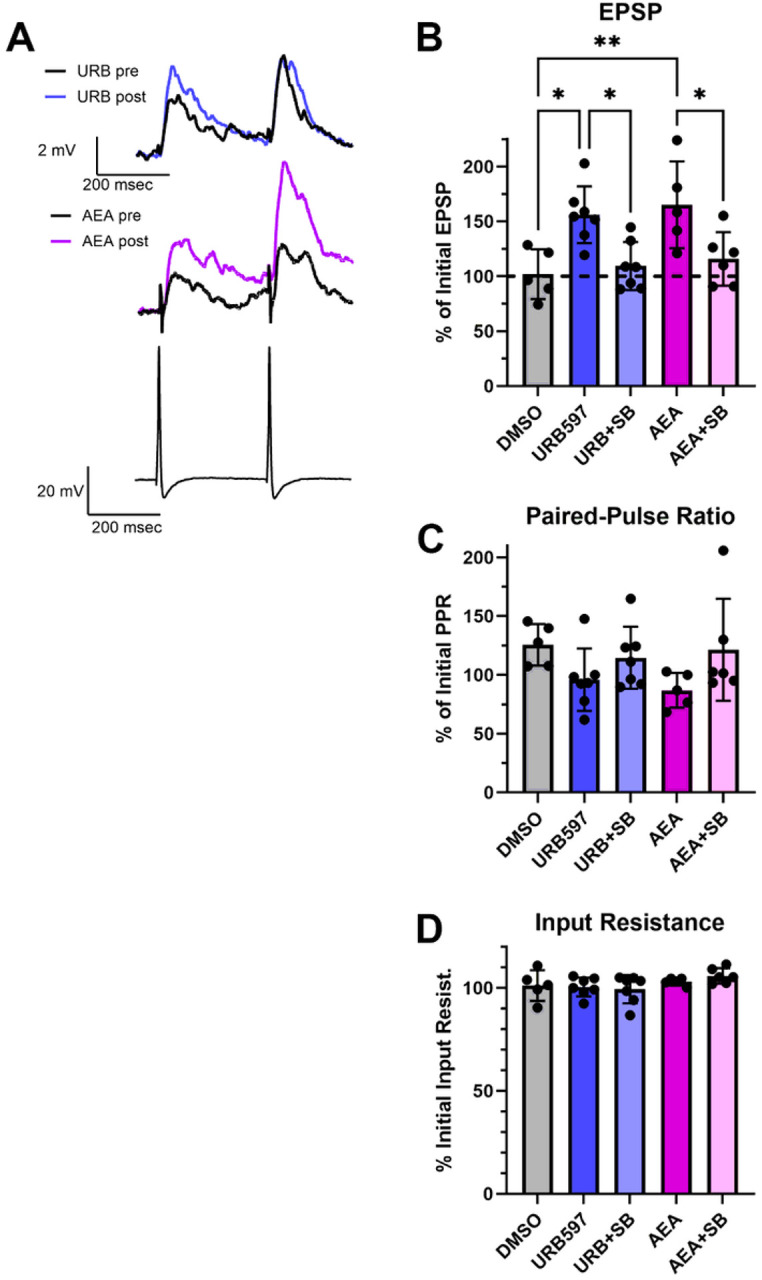 Figure 7
Peer Reviews
No public reviews on file for this paper yet. If you reviewed it on a platform where reviews are public (OpenReview, ICLR, NeurIPS, ICML), you can paste yours below so the community can read it here.
Videos
No videos yet. Explain this paper in a talk, walkthrough, or lecture? Add one.
Taxonomy
TopicsCannabis and Cannabinoid Research · Animal Ecology and Behavior Studies · Forensic Toxicology and Drug Analysis