Angiogenesis-related lncRNAs index: A predictor for CESC prognosis, immunotherapy efficacy, and chemosensitivity
Xueyuan Huang, Guangming Yi, Jiayu Xu, Siqi Gou, Haiqing Chen, Xiaoyan Chen, Xiaomin Quan, Linjia Xie, Alexander Tobias Teichmann, Guanhu Yang, Hao Chi, Qin Wang

TL;DR
This study identifies a set of long non-coding RNAs linked to blood vessel growth that can predict cervical cancer outcomes and treatment response.
Contribution
A novel angiogenesis-related lncRNA signature for CESC prognosis and immunotherapy prediction is developed.
Findings
Seven angiogenesis-related lncRNAs were identified as prognostic markers for CESC.
The signature correlates with immune cell infiltration and drug sensitivity in CESC.
A nomogram combining the signature and clinical features improves prediction accuracy.
Abstract
Cervical squamous cell carcinoma and endocervical adenocarcinoma (CESC) is a common gynecologic tumor and patients with advanced and recurrent disease usually have a poor clinical outcome. Angiogenesis is involved in the biological processes of tumors and can promote tumor growth and invasion. In this paper, we created a signature for predicting prognosis based on angiogenesis-related lncRNAs (ARLs). This provides a prospective direction for enhancing the efficacy of immunotherapy in CESC patients. We screened seven OS-related ARLs by univariate and multivariate regression analyses and Lasso analysis and developed a prognostic signature at the same time. Then, we performed an internal validation in the TCGA-CESC cohort to increase the precision of the study. In addition, we performed a series of analyses based on ARLs, including immune cell infiltration, immune function, immune…
Genes, proteins, chemicals, diseases, species, mutations and cell lines named across the full text — each resolved to its canonical identifier and authoritative record.
Click any figure to enlarge with its caption.
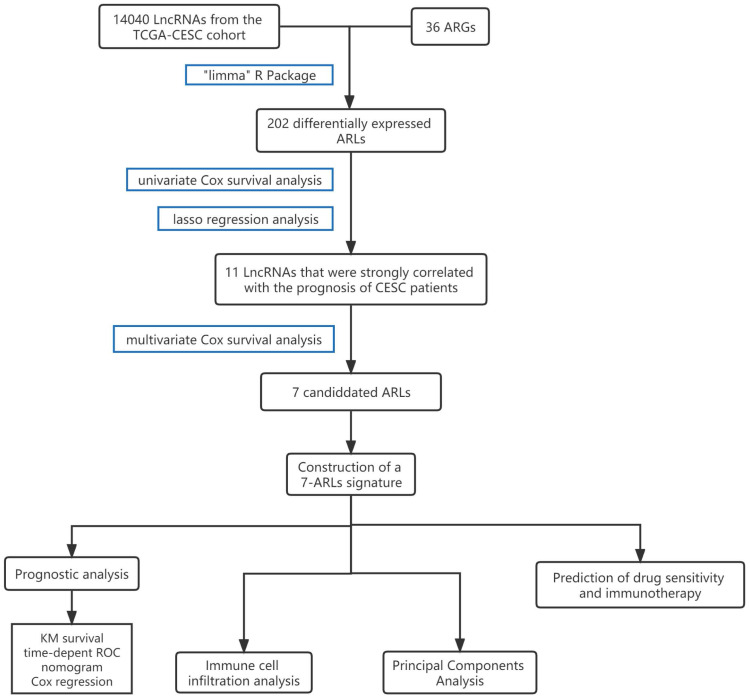 Figure 1
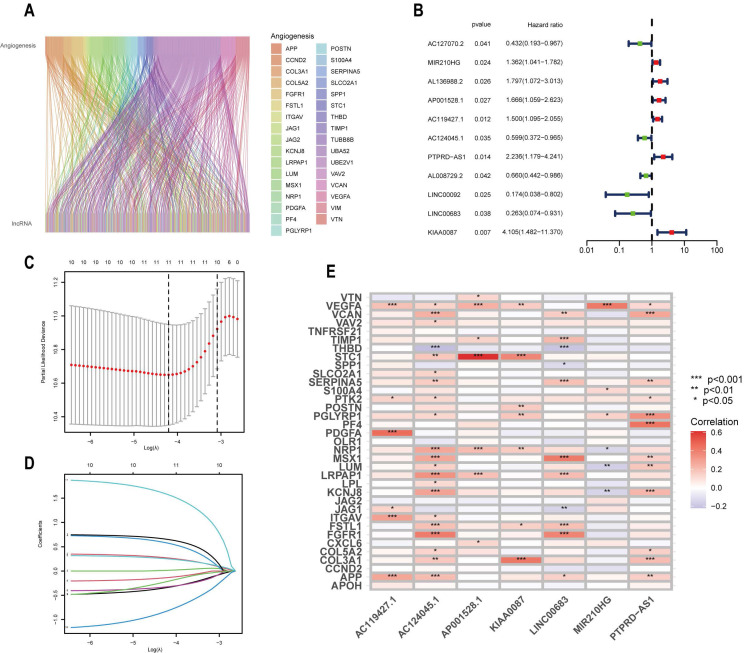 Figure 2
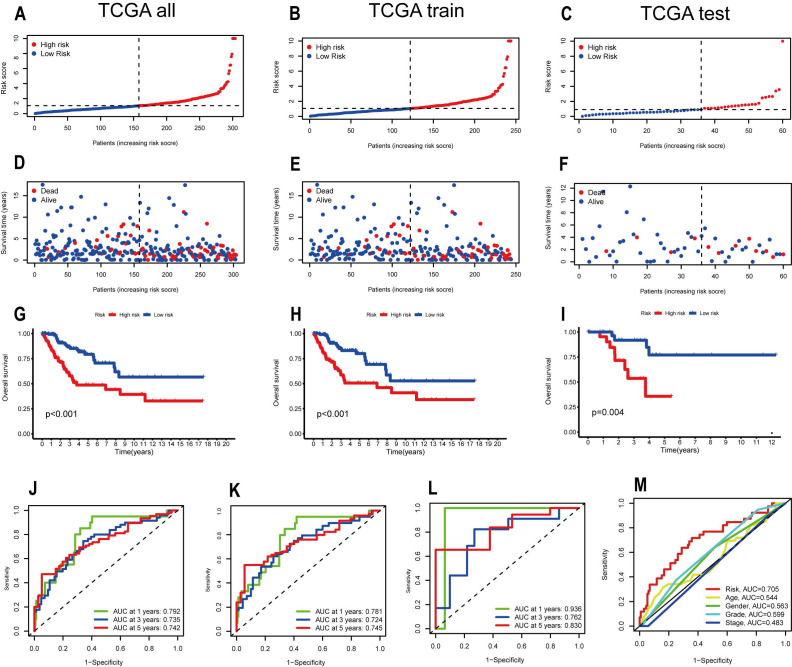 Figure 3
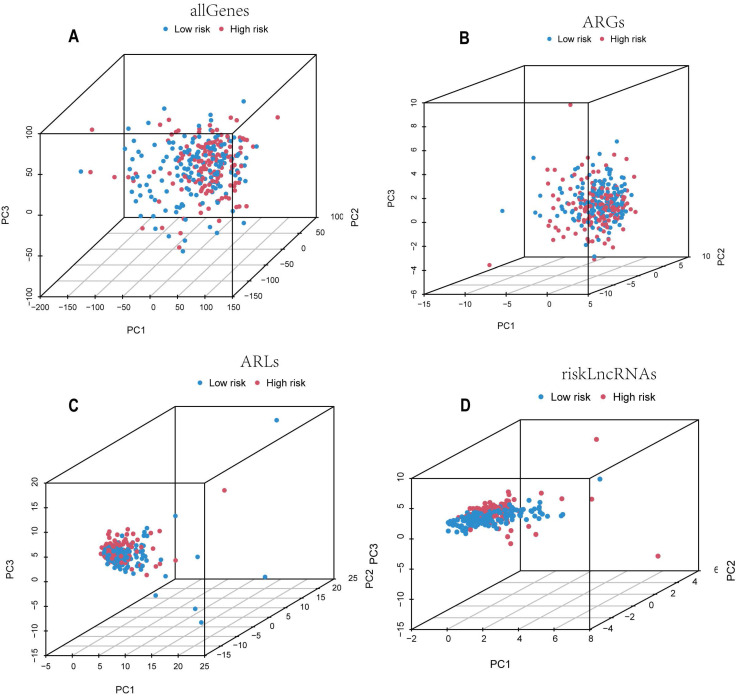 Figure 4
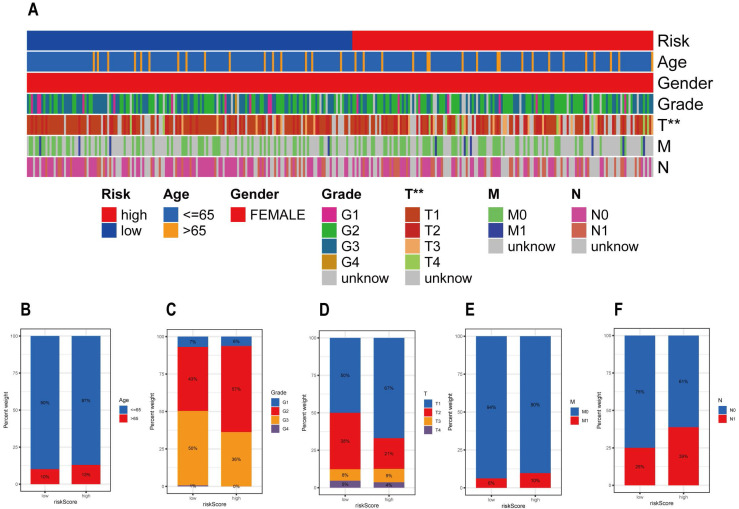 Figure 5
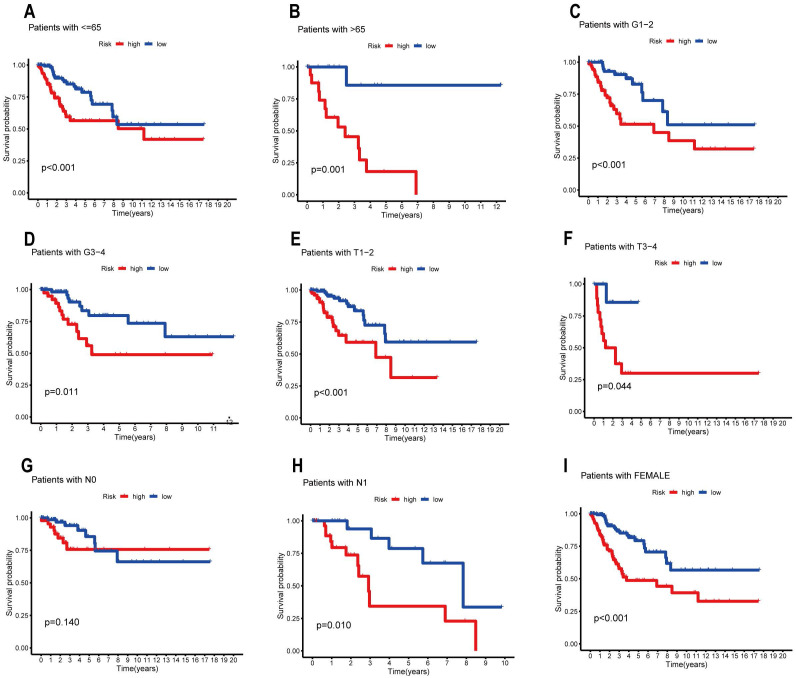 Figure 6
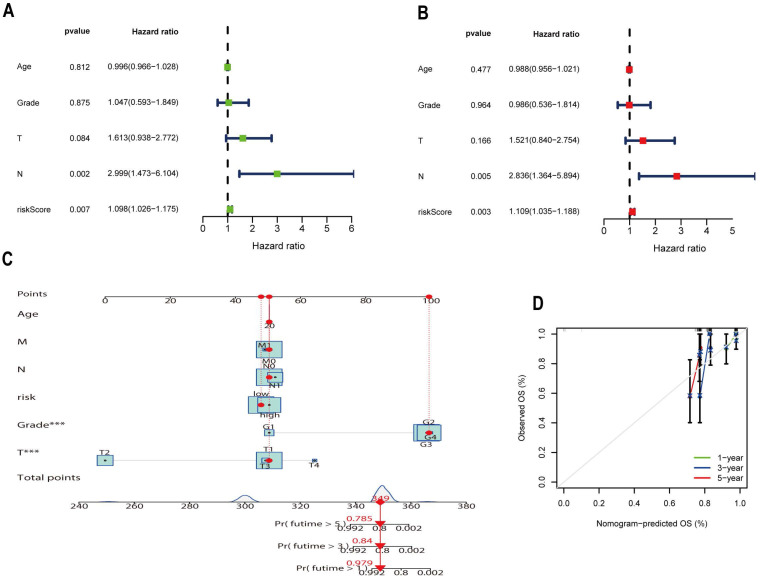 Figure 7
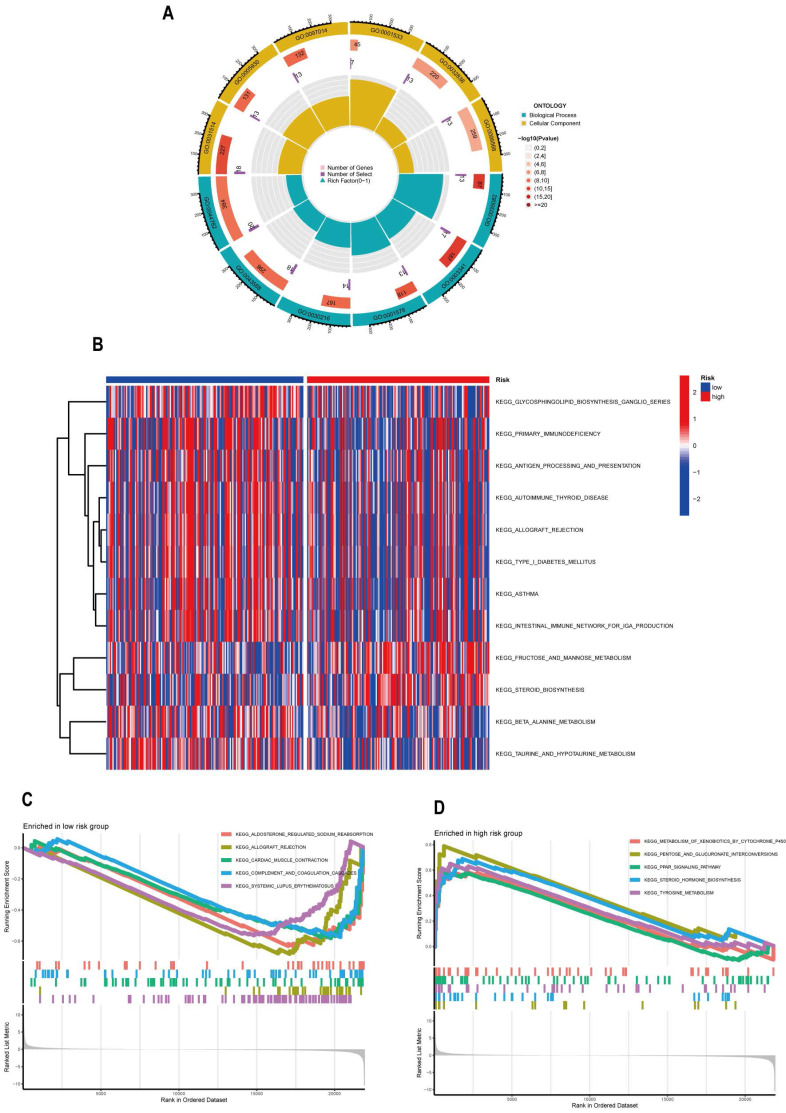 Figure 8
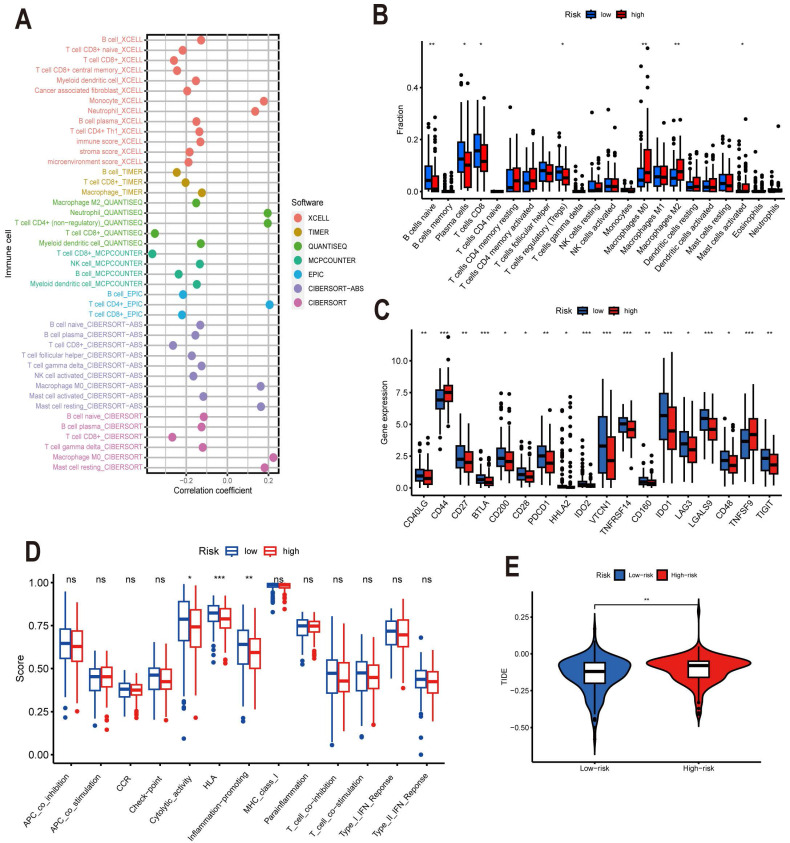 Figure 9
 Figure 10
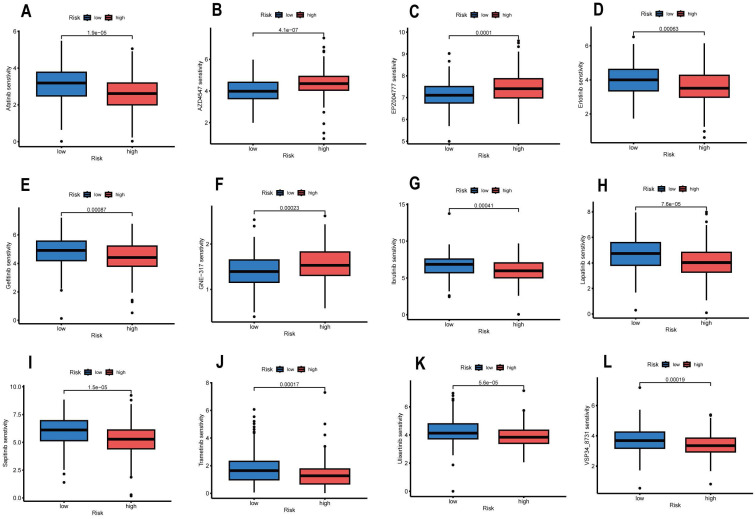 Figure 11
Peer Reviews
No public reviews on file for this paper yet. If you reviewed it on a platform where reviews are public (OpenReview, ICLR, NeurIPS, ICML), you can paste yours below so the community can read it here.
Videos
No videos yet. Explain this paper in a talk, walkthrough, or lecture? Add one.
Taxonomy
TopicsCancer-related molecular mechanisms research · Gastric Cancer Management and Outcomes