KMT2A Mutations and High Prevalence of dMMR-associated Mutational Signatures as Prognostic Indicators in Metastatic Colorectal Cancer
Zhihang Han, Chuanjun Song, Dongqing Li, Weiyou Zhu, Jiukang Sun, Jialing Yao, Wenyuan Gan, Fufeng Wang, Xiaodong Yang, Lingjun Zhu

TL;DR
This study identifies KMT2A mutations and dMMR-related mutational signatures as indicators of poor prognosis in metastatic colorectal cancer patients.
Contribution
The study introduces KMT2A mutations and dMMR-associated mutational signatures as novel independent prognostic markers in metastatic colorectal cancer.
Findings
Patients with BRCA2 and KMT2A mutations had worse outcomes after chemotherapy.
Altered homologous recombination and KMT2A signaling were linked to shorter progression-free survival.
Higher dMMR-related mutational signatures correlated with worse prognosis in mCRC patients.
Abstract
The conventional treatment strategies for patients with metastatic colorectal cancer (mCRC) are predominantly guided by the status of RAS and BRAF mutations. Although patients may exhibit analogous pathological characteristics and undergo similar treatment regimens, notable disparities in their prognostic outcomes can be observed. Therefore, tissue and plasma samples from 40 mCRC patients underwent next-generation sequencing targeting 425 cancer-relevant genes. Genomic variations and canonical oncogenic pathways were investigated for their prognostic effects in association with progression-free survival (PFS) of these patients. We found that patients with BRCA2 and KMT2A mutations exhibited worse prognostic outcomes after chemotherapy-based treatment (univariate, P < 0.01). Further pathway analysis indicated that alterations in the homologous recombination pathway and in the KMT2A…
Genes, proteins, chemicals, diseases, species, mutations and cell lines named across the full text — each resolved to its canonical identifier and authoritative record.
Click any figure to enlarge with its caption.
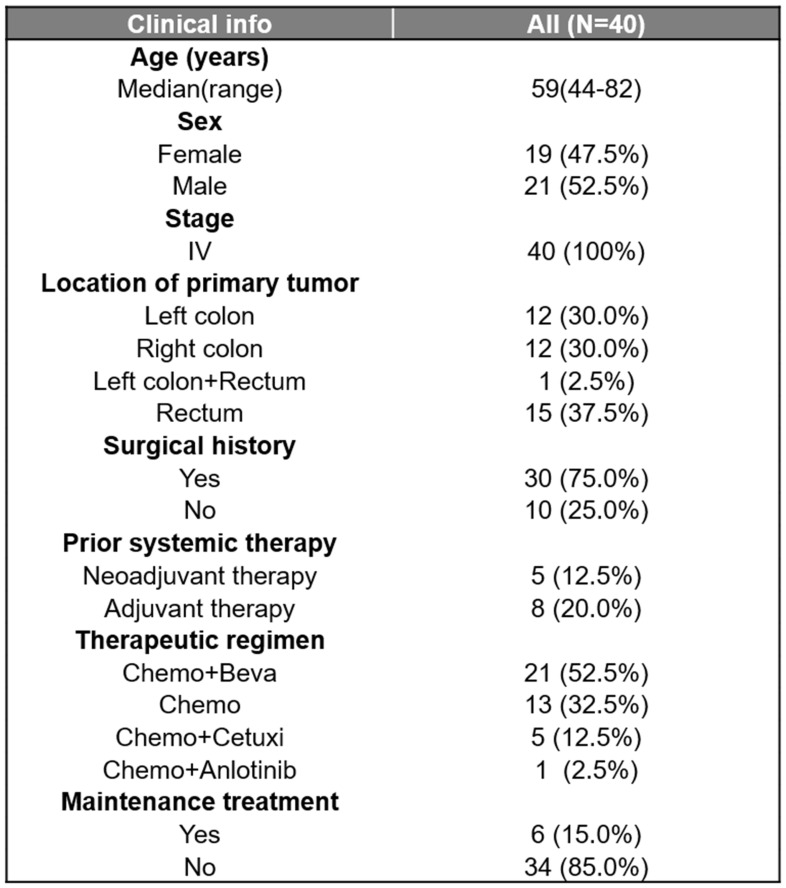 Figure 1
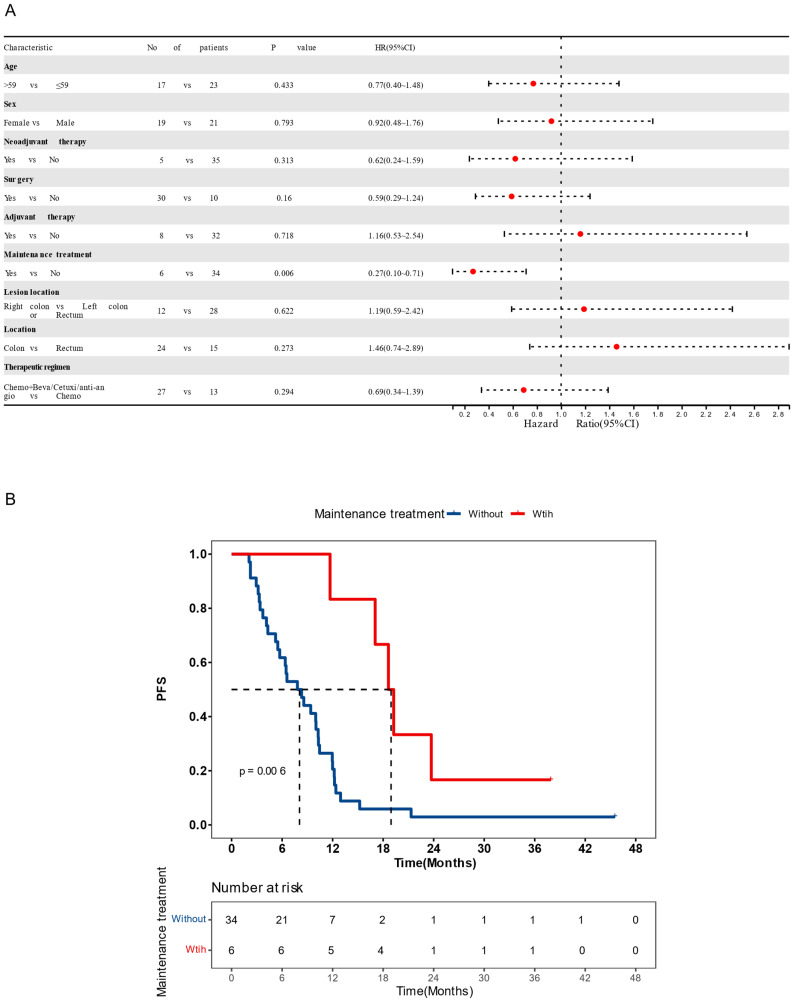 Figure 2
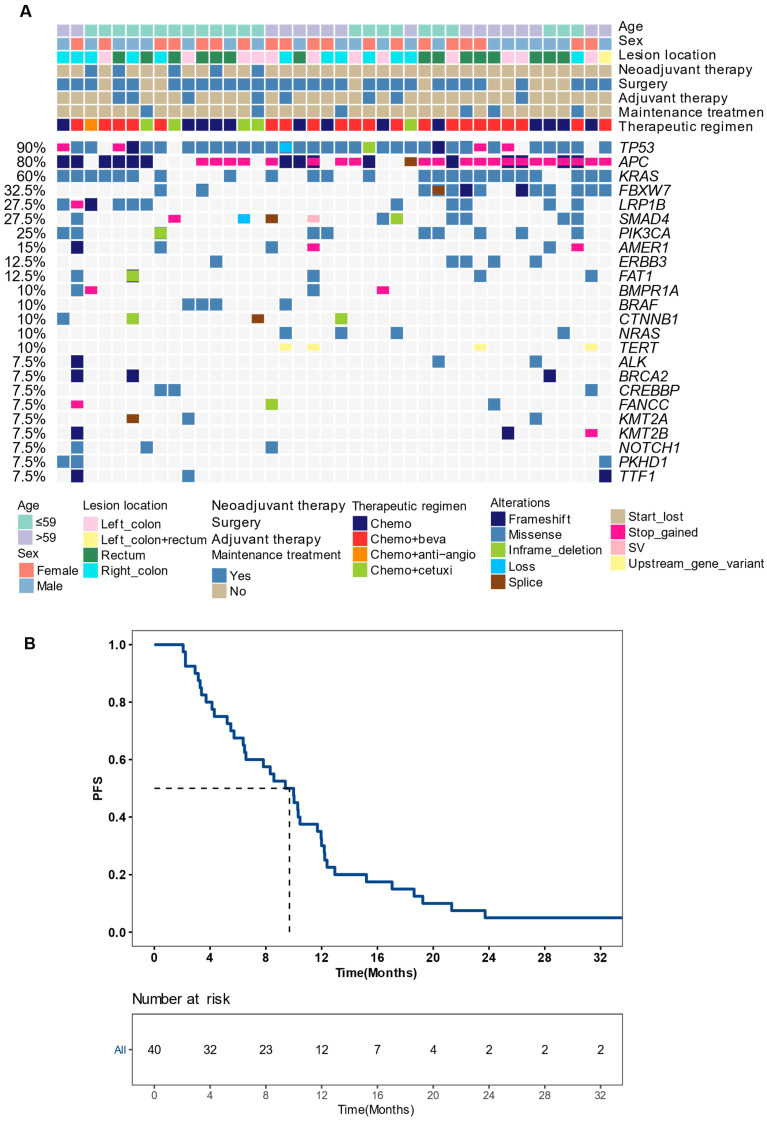 Figure 3
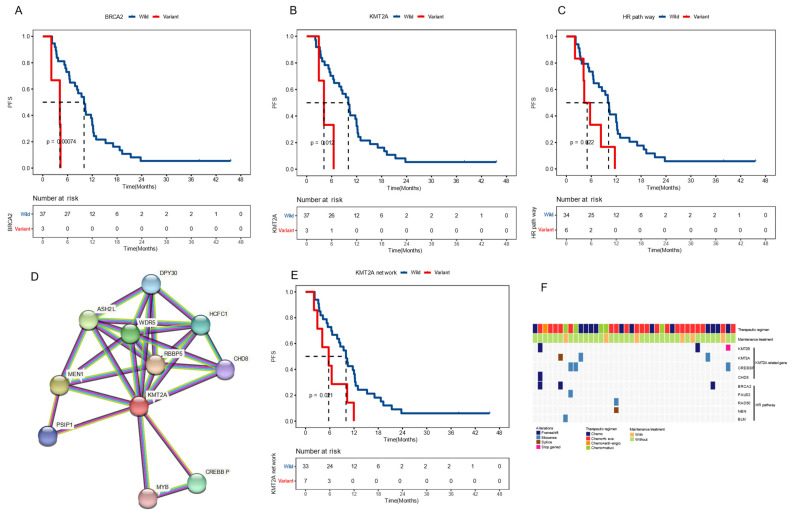 Figure 4
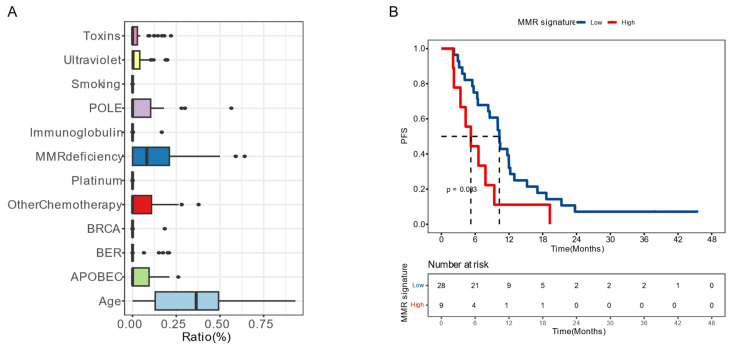 Figure 5
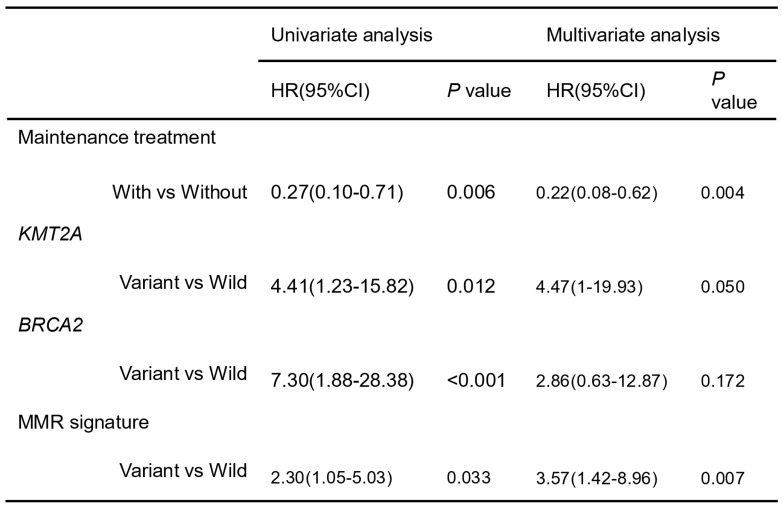 Figure 6
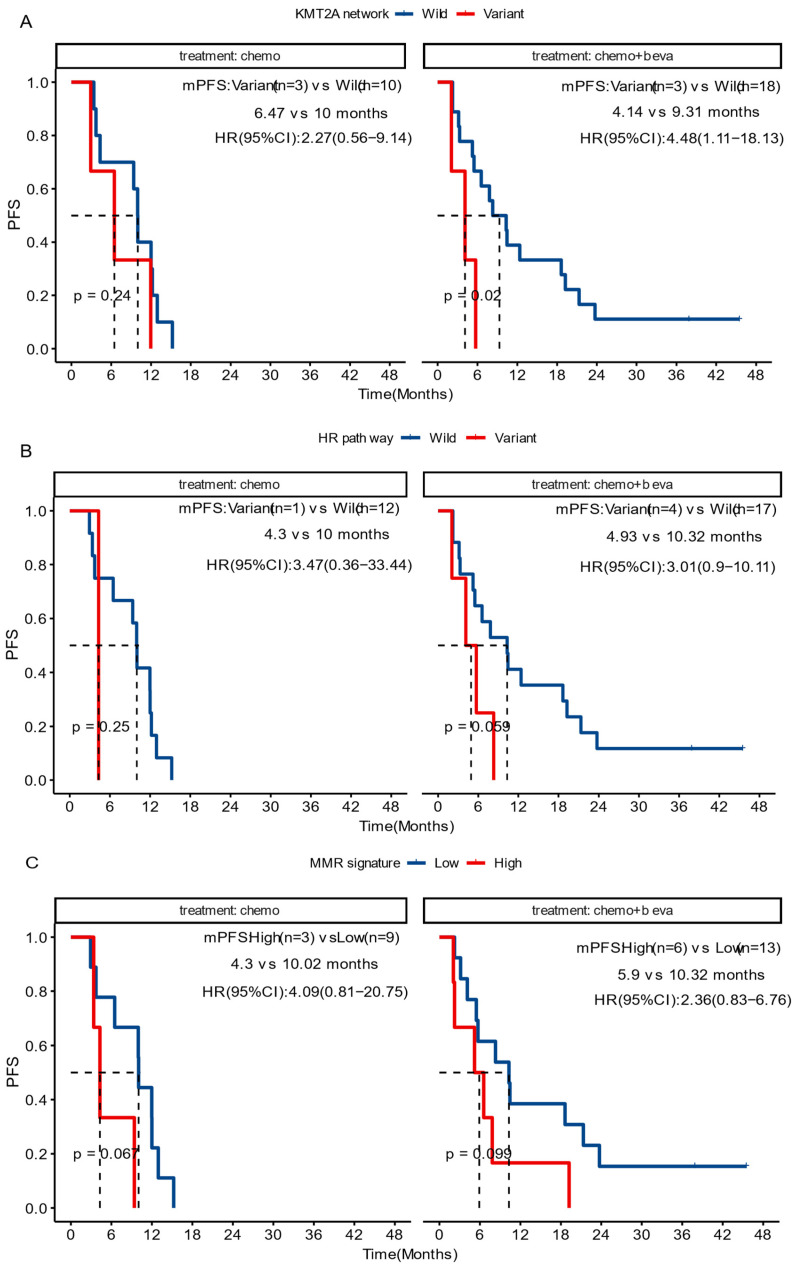 Figure 7
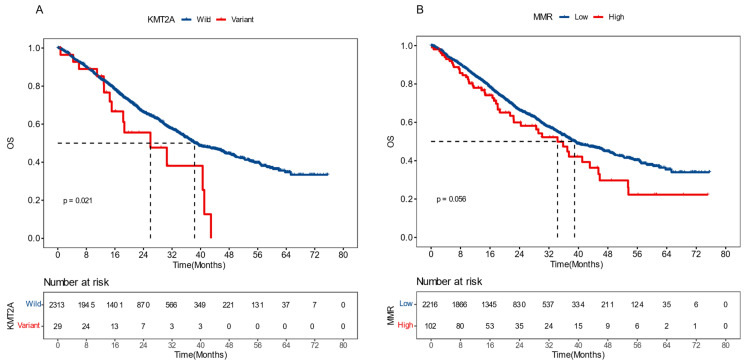 Figure 8
Peer Reviews
No public reviews on file for this paper yet. If you reviewed it on a platform where reviews are public (OpenReview, ICLR, NeurIPS, ICML), you can paste yours below so the community can read it here.
Videos
No videos yet. Explain this paper in a talk, walkthrough, or lecture? Add one.
Taxonomy
TopicsGenetic factors in colorectal cancer · Colorectal Cancer Treatments and Studies · Cholangiocarcinoma and Gallbladder Cancer Studies