Sixty years of conjecture over a urinary biomarker: a step closer to understanding the proposed link between anxiety and urinary pyrroles
Angela Sherwin, Ian C Shaw

TL;DR
This study investigates a long-debated urinary biomarker linked to anxiety, narrowing down its identity and exploring its potential biological origins and effects.
Contribution
The study identifies kryptopyrrole as a likely candidate for the elusive Mauve Factor and explores its possible biological mechanisms.
Findings
Hydroxypyrrole is ruled out as Mauve Factor based on Ehrlich’s reaction chemistry.
Kryptopyrrole concentrations in urine are similar between anxious and non-anxious individuals.
Kryptopyrrole may originate from stercobilin and interact with GABA receptors and zinc homeostasis.
Abstract
For over 60 years there has been conjecture about the identity of an Ehrlich’s test positive pyrrole (Mauve Factor) reputed to be a biomarker for psychological disorders, including anxiety. We reviewed studies that attempt to identify Mauve Factor and subjected authentic standards of the 2 main candidates, kryptopyrrole and hydroxypyrrole, to the Ehrlich’s reaction. Modified Ehrlich’s test for kryptopyrrole and hydroxypyrrole were applied to urine samples from 10 volunteers, anxious and nonanxious. Based on the mechanistic chemistry of Ehrlich’s reaction and reactions of the 2 compounds, Mauve Factor cannot be hydroxypyrrole. Analyses of urine samples from volunteers, identified by the Generalized Anxiety Disorder - 7 item scale (GAD-7 ≥10; n = 5) and control urine samples (GAD-7 <10; n = 5) using a kryptopyrrole calibration graph, show that concentrations are similar in both groups.…
Genes, proteins, chemicals, diseases, species, mutations and cell lines named across the full text — each resolved to its canonical identifier and authoritative record.
Click any figure to enlarge with its caption.
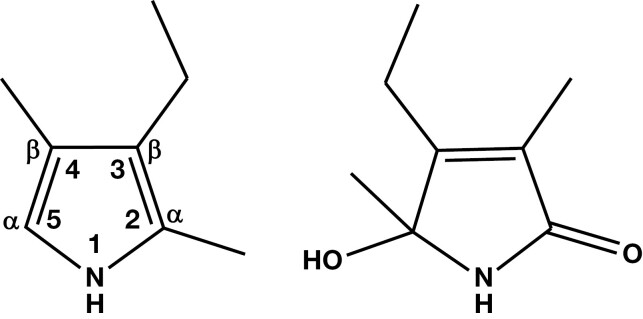 Figure 1
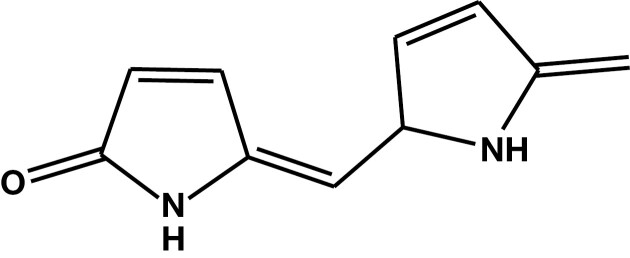 Figure 2
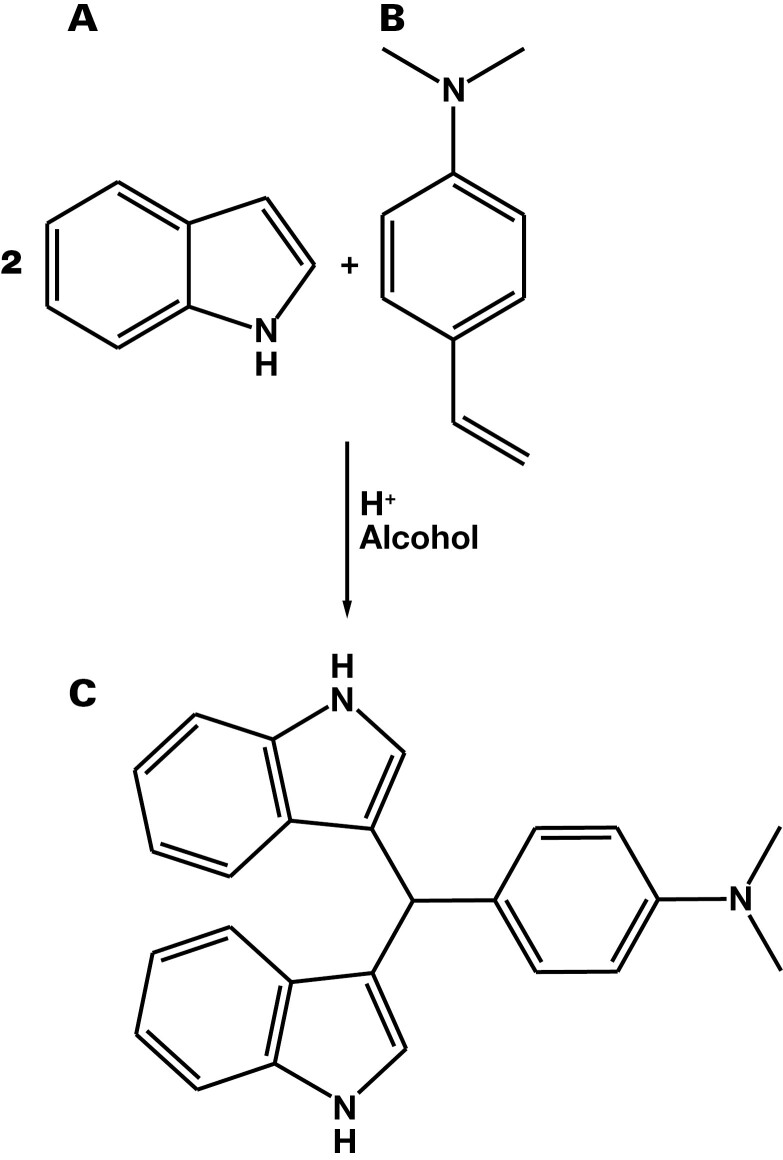 Figure 3
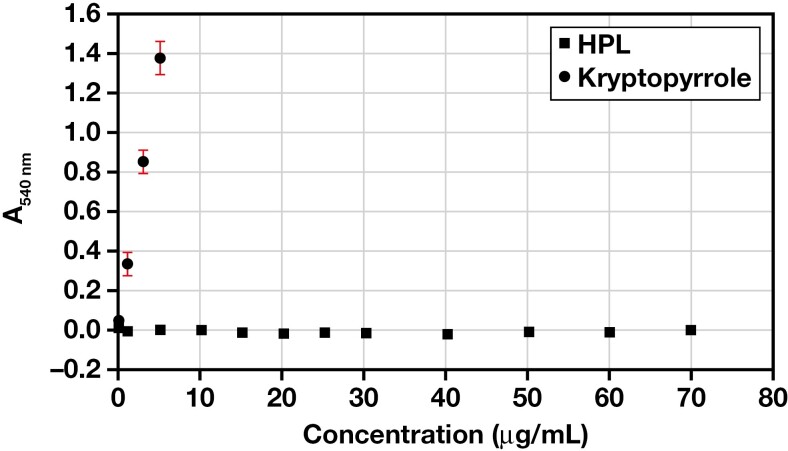 Figure 4
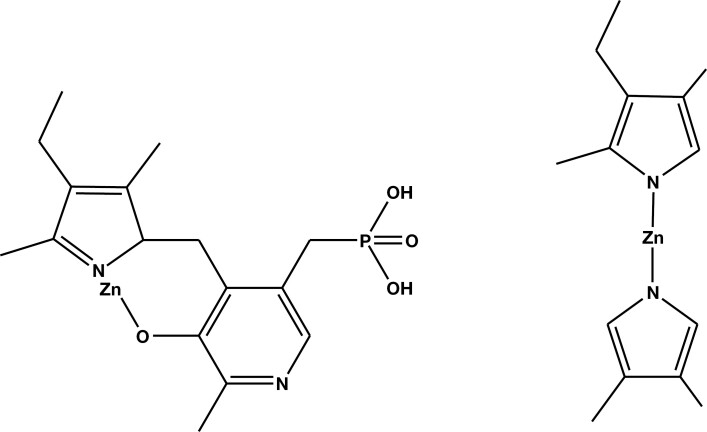 Figure 5
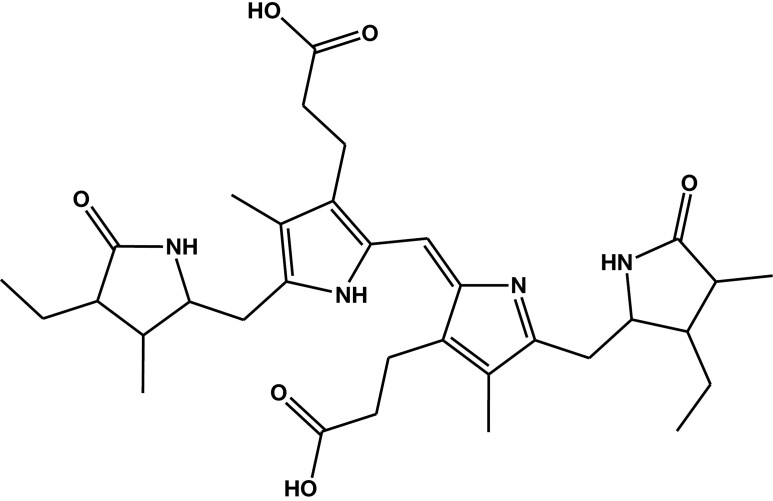 Figure 6
Peer Reviews
No public reviews on file for this paper yet. If you reviewed it on a platform where reviews are public (OpenReview, ICLR, NeurIPS, ICML), you can paste yours below so the community can read it here.
Videos
No videos yet. Explain this paper in a talk, walkthrough, or lecture? Add one.
Taxonomy
TopicsTryptophan and brain disorders · Vitamin C and Antioxidants Research · Infectious Encephalopathies and Encephalitis