The Use of Animations Depicting Cardiac Electrical Activity to Improve Confidence in Understanding of Cardiac Pathology and Electrocardiography Traces Among Final-Year Medical Students: Nonrandomized Controlled Trial
Alexandra M Cardoso Pinto, Daniella Soussi, Subaan Qasim, Aleksandra Dunin-Borkowska, Thiara Rupasinghe, Nicholas Ubhi, Lasith Ranasinghe

TL;DR
Animations showing heart electrical activity helped final-year medical students feel more confident in understanding ECGs and cardiac pathologies, though no significant difference was found compared to standard teaching.
Contribution
The study introduces novel animations to visualize cardiac electrical activity and assesses their impact on ECG learning in medical students.
Findings
Students in the intervention group showed increased confidence in ECG interpretation after the tutorial.
Animations helped students better visualize cardiac electrical activity and understand underlying pathophysiology.
No significant difference in confidence was found between the animation and control groups.
Abstract
Electrocardiography (ECG) interpretation is a fundamental skill for medical students and practicing medical professionals. Recognizing ECG pathologies promptly allows for quick intervention, especially in acute settings where urgent care is needed. However, many medical students find ECG interpretation and understanding of the underlying pathology challenging, with teaching methods varying greatly. This study involved the development of novel animations demonstrating the passage of electrical activity for well-described cardiac pathologies and showcased them alongside the corresponding live ECG traces during a web-based tutorial for final-year medical students. We aimed to assess whether the animations improved medical students’ confidence in visualizing cardiac electrical activity and ECG interpretation, compared to standard ECG teaching methods. Final-year medical students at…
Genes, proteins, chemicals, diseases, species, mutations and cell lines named across the full text — each resolved to its canonical identifier and authoritative record.
Click any figure to enlarge with its caption.
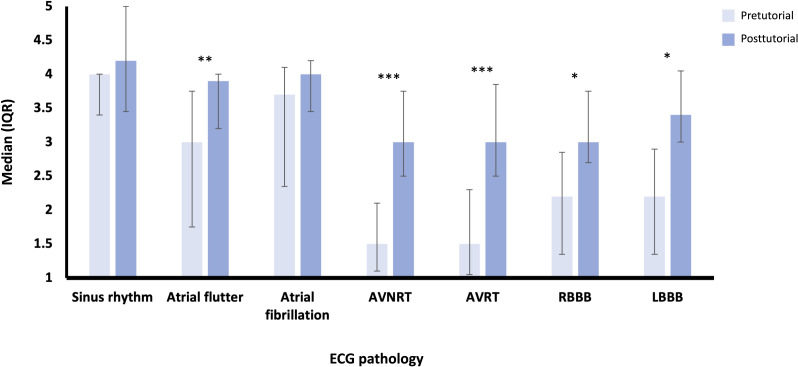 Figure 1
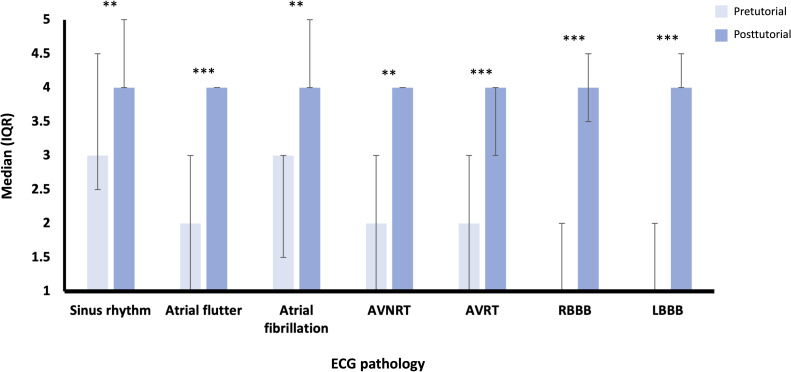 Figure 2
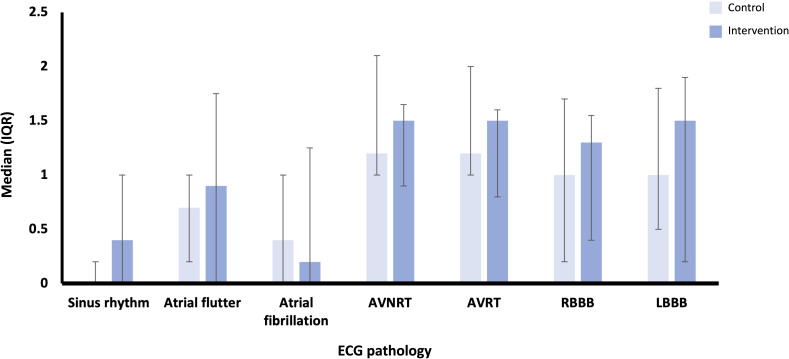 Figure 3
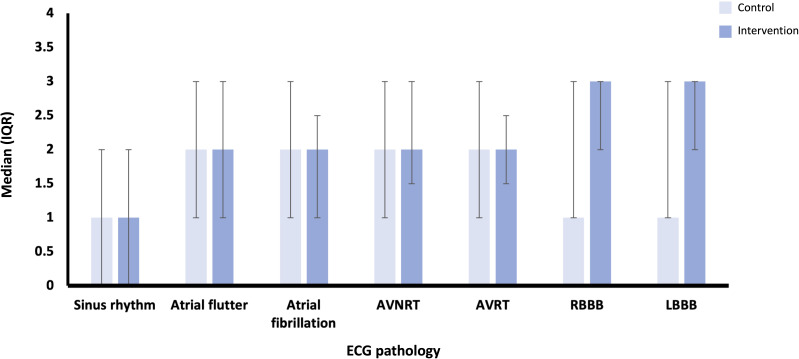 Figure 4
Peer Reviews
No public reviews on file for this paper yet. If you reviewed it on a platform where reviews are public (OpenReview, ICLR, NeurIPS, ICML), you can paste yours below so the community can read it here.
Videos
No videos yet. Explain this paper in a talk, walkthrough, or lecture? Add one.
Taxonomy
TopicsBiomedical and Engineering Education · Innovations in Medical Education · Learning Styles and Cognitive Differences