Automated algorithm aided capacity and confidence boost in surgical decision-making training for inferior clivus
Ke Tang, Bo Bu, Hongcheng Tian, Yang Li, Xingwang Jiang, Zenghui Qian, Yiqiang Zhou

TL;DR
This study shows that automated algorithms can improve trainees' decision-making and confidence in surgical planning for the inferior clivus.
Contribution
The study introduces an automated algorithm-based education tool for individualized surgical decision-making training.
Findings
Automated decision-making reduced time spent and increased confidence in trainees' surgical planning.
Three optimal surgical approaches were identified using automated algorithms in 50 skull base models.
The education tool showed strong reliability and validity in trainee assessments.
Abstract
To assess the impact of automated algorithms on the trainees’ decision-making capacity and confidence for individualized surgical planning. At Chinese PLA General Hospital, trainees were enrolled to undergo decision-making capacity and confidence training through three alternative visual tasks of the inferior clivus model formed from an automated algorithm and given consecutively in three exemplars. The rationale of automated decision-making was used to instruct each trainee. Following automated decision-making calculation in 50 skull base models, we screened out three optimal plans, infra-tubercle approach (ITA), trans-tubercle approach (TTA), and supra-tubercle approach (STA) for 41 (82.00%), 8 (16.00%), and 1 (2.00%) subject, respectively. From September 1, 2023, through November 17, 2023, 62 trainees (median age [range]: 27 [26–28]; 28 [45.16%] female; 25 [40.32%] neurosurgeons)…
Genes, proteins, chemicals, diseases, species, mutations and cell lines named across the full text — each resolved to its canonical identifier and authoritative record.
Click any figure to enlarge with its caption.
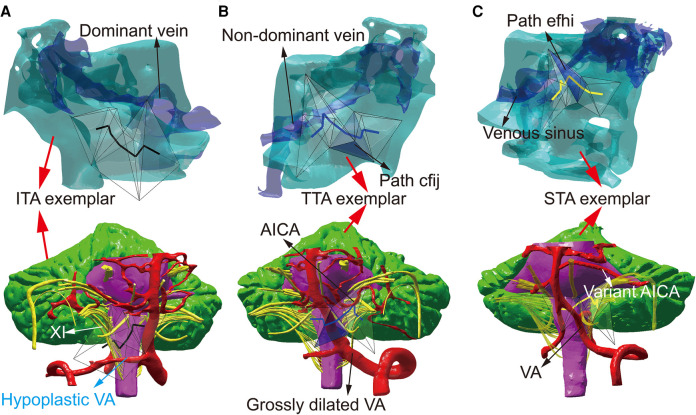 Figure 1
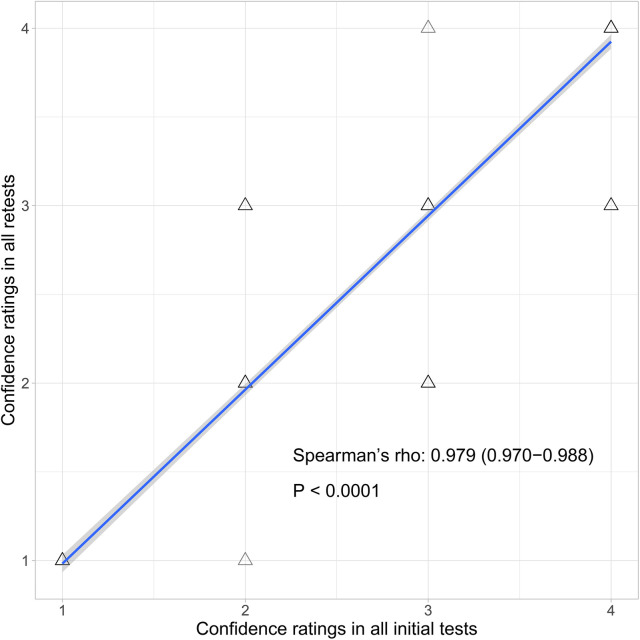 Figure 2
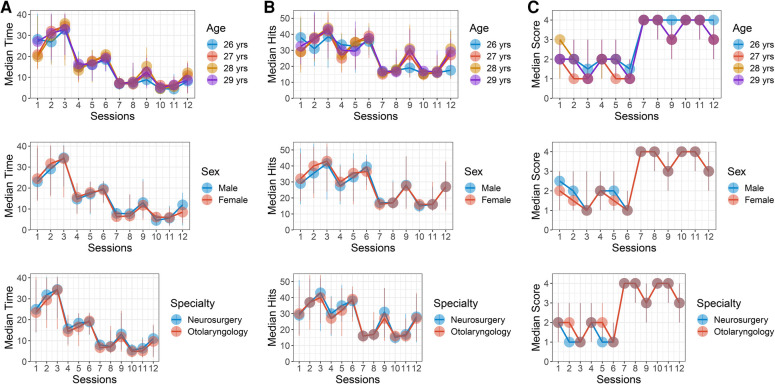 Figure 3
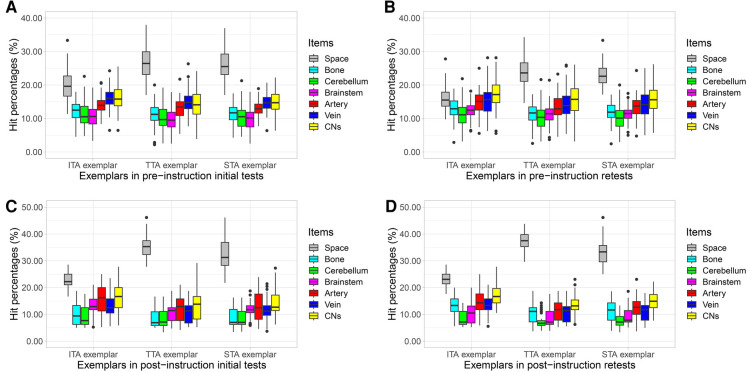 Figure 4
Peer Reviews
No public reviews on file for this paper yet. If you reviewed it on a platform where reviews are public (OpenReview, ICLR, NeurIPS, ICML), you can paste yours below so the community can read it here.
Videos
No videos yet. Explain this paper in a talk, walkthrough, or lecture? Add one.
Taxonomy
TopicsSurgical Simulation and Training · Medical Imaging and Analysis · Spinal Fractures and Fixation Techniques