Group B Streptococcus Persistently Colonizing the Adenosquamous Carcinoma of the Lung: A Blessing in Disguise?
Muhammad Humayoun Rashid, Tehmina Habib, Syeda Neelam Yamin Bukhari, Faiqa Riaz, Diana Kolman-Taddeo

TL;DR
A lung cancer patient with persistent Group B Streptococcus colonization shows possible anti-tumor effects of the bacteria.
Contribution
Demonstrates a case where persistent GBS colonization may have anti-tumor properties in lung carcinoma.
Findings
A 64-year-old patient with adenosquamous lung carcinoma showed persistent GBS colonization during bronchoscopy.
GBS toxin may prevent tumor metastasis and inhibit surrounding vascular growth according to animal studies.
The patient also experienced GBS-related pneumonia during chemo-radiotherapy.
Abstract
Group B Streptococcus (GBS), also known as Streptococcus agalactiae, is a gram-negative, beta-hemolytic facultative anaerobe that causes neonatal pneumonia and sepsis. The neoplastic epithelial cells in adults, especially those of squamous origin, can show special adhesive properties toward GBS, which tends to reside within these tumors. There are some animal and human studies proving this association. Here, we present a 64-year-old female patient who had lung carcinoma of mixed adeno and squamous origin found to have persistent GBS every time the bronchoscopy was done for tumor ablation or cryotherapy. Subsequently, after starting her on chemo-radiotherapy, she also presented with multiple episodes of pneumonia caused by GBS and Pseudomonas aeruginosa. Moreover, many animal studies have shown the anti-tumor properties of GBS toxin that can prevent its metastasis and stop vascular…
Genes, proteins, chemicals, diseases, species, mutations and cell lines named across the full text — each resolved to its canonical identifier and authoritative record.
Click any figure to enlarge with its caption.
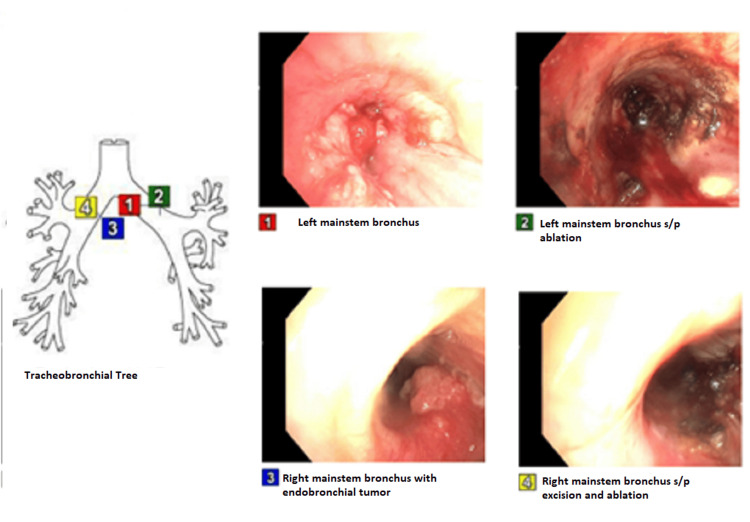 Figure 1
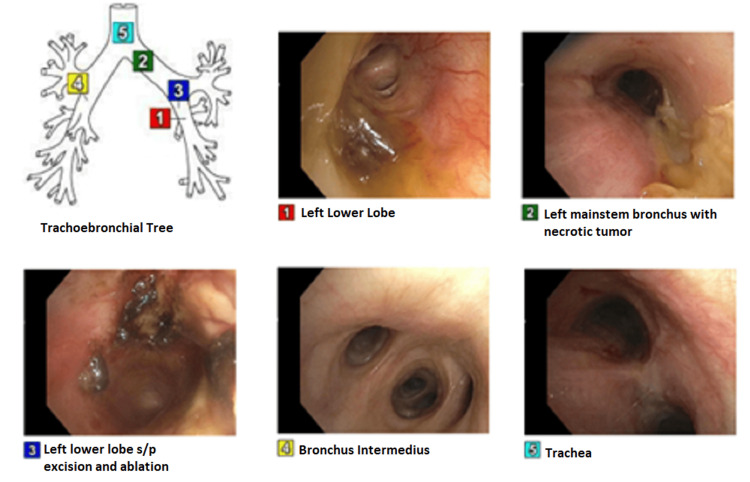 Figure 2
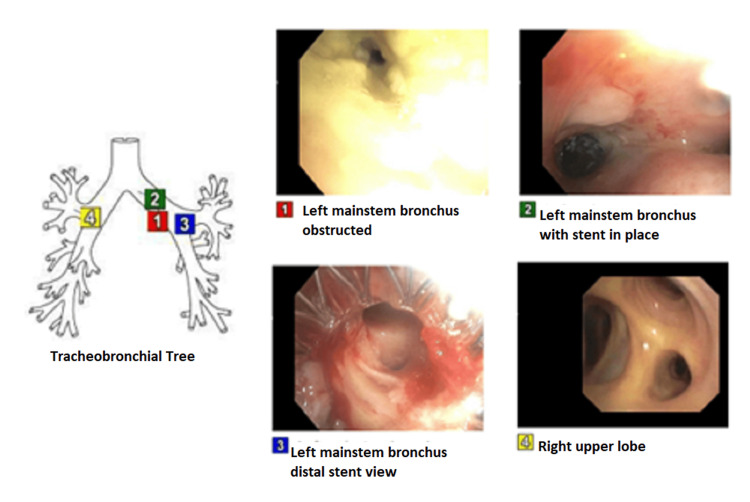 Figure 3
Peer Reviews
No public reviews on file for this paper yet. If you reviewed it on a platform where reviews are public (OpenReview, ICLR, NeurIPS, ICML), you can paste yours below so the community can read it here.
Videos
No videos yet. Explain this paper in a talk, walkthrough, or lecture? Add one.
Taxonomy
TopicsNeonatal and Maternal Infections · Streptococcal Infections and Treatments · Infections and bacterial resistance