Dithienylethene-Based Photoswitchable Phosphines for the Palladium-Catalyzed Stille Coupling Reaction
Anastasiia Sherstiuk, Agustí Lledós, Peter Lönnecke, Jordi Hernando, Rosa María Sebastián, Evamarie Hey-Hawkins

TL;DR
Scientists created light-sensitive phosphine ligands that can control the activity of palladium catalysts in a chemical reaction using light.
Contribution
The novel contribution is the development of dithienylethene-based photoswitchable phosphines for modulating Stille coupling catalysis with light.
Findings
Photoswitchable phosphine ligands based on dithienylethene were synthesized and integrated into palladium complexes.
Light irradiation modulates the electron density of the phosphine ligands, affecting the catalytic activity in Stille coupling reactions.
Theoretical computations confirm that the energy barriers for key catalytic steps decrease when ligands switch to their closed state.
Abstract
Homogeneous transition metal catalysis is a constantly developing field in chemical sciences. A growing interest in this area is photoswitchable catalysis, which pursues in situ modulation of catalyst activity through noninvasive light irradiation. Phosphorus ligands are excellent targets to accomplish this goal by introducing photoswitchable moieties; however, only a limited number of examples have been reported so far. In this work, we have developed a series of palladium complexes capable of catalyzing the Stille coupling reaction that contain photoisomerizable phosphine ligands based on dithienylethene switches. Incorporation of electron-withdrawing substituents into these dithienylethene moieties allows variation of the electron density on the phosphorus atom of the ligands upon light irradiation, which in turn leads to a modulation of the catalytic properties of the formed…
Genes, proteins, chemicals, diseases, species, mutations and cell lines named across the full text — each resolved to its canonical identifier and authoritative record.
Click any figure to enlarge with its caption.
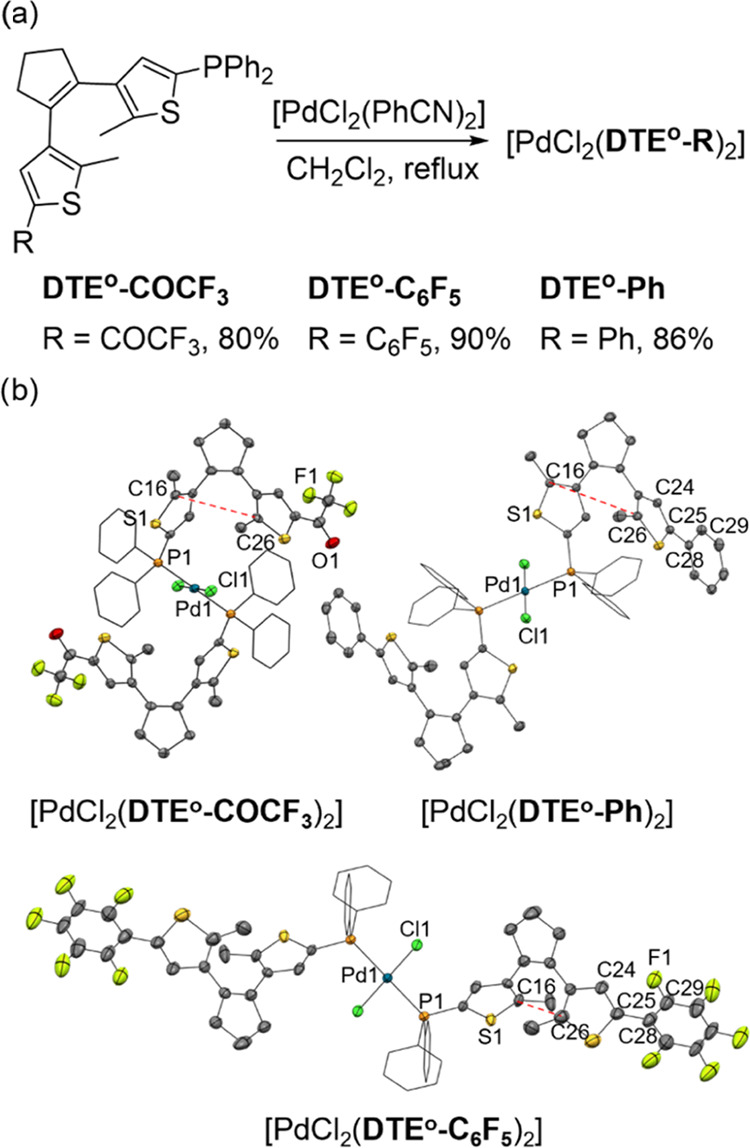 Figure 1
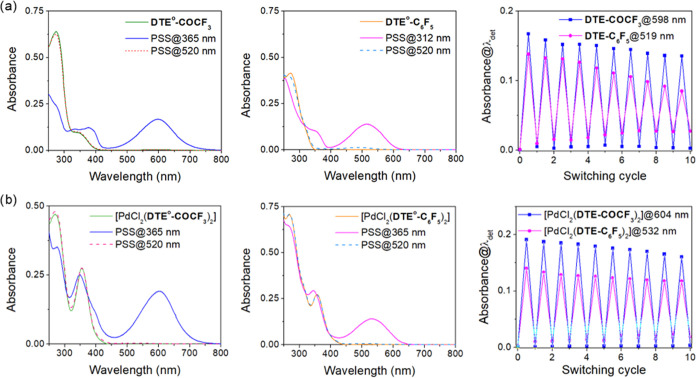 Figure 2
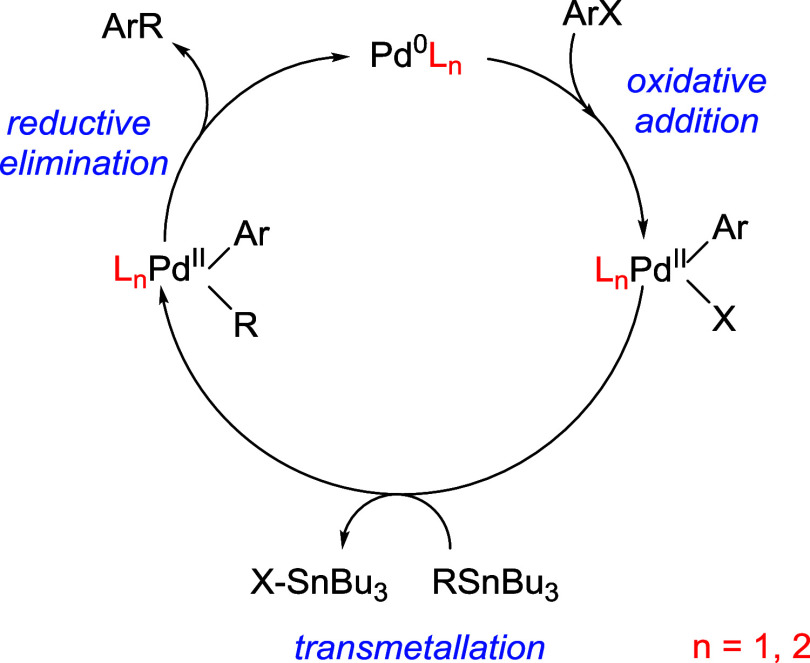 Figure 3
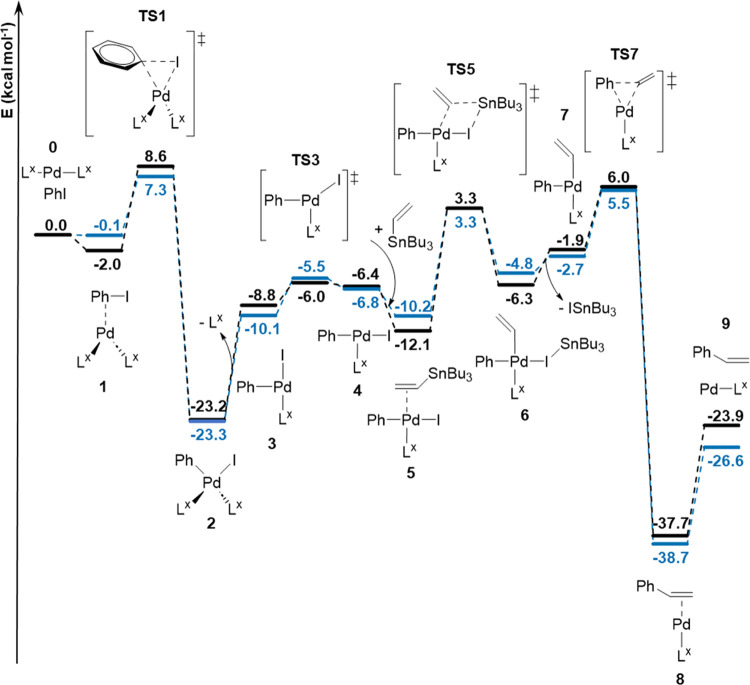 Figure 4
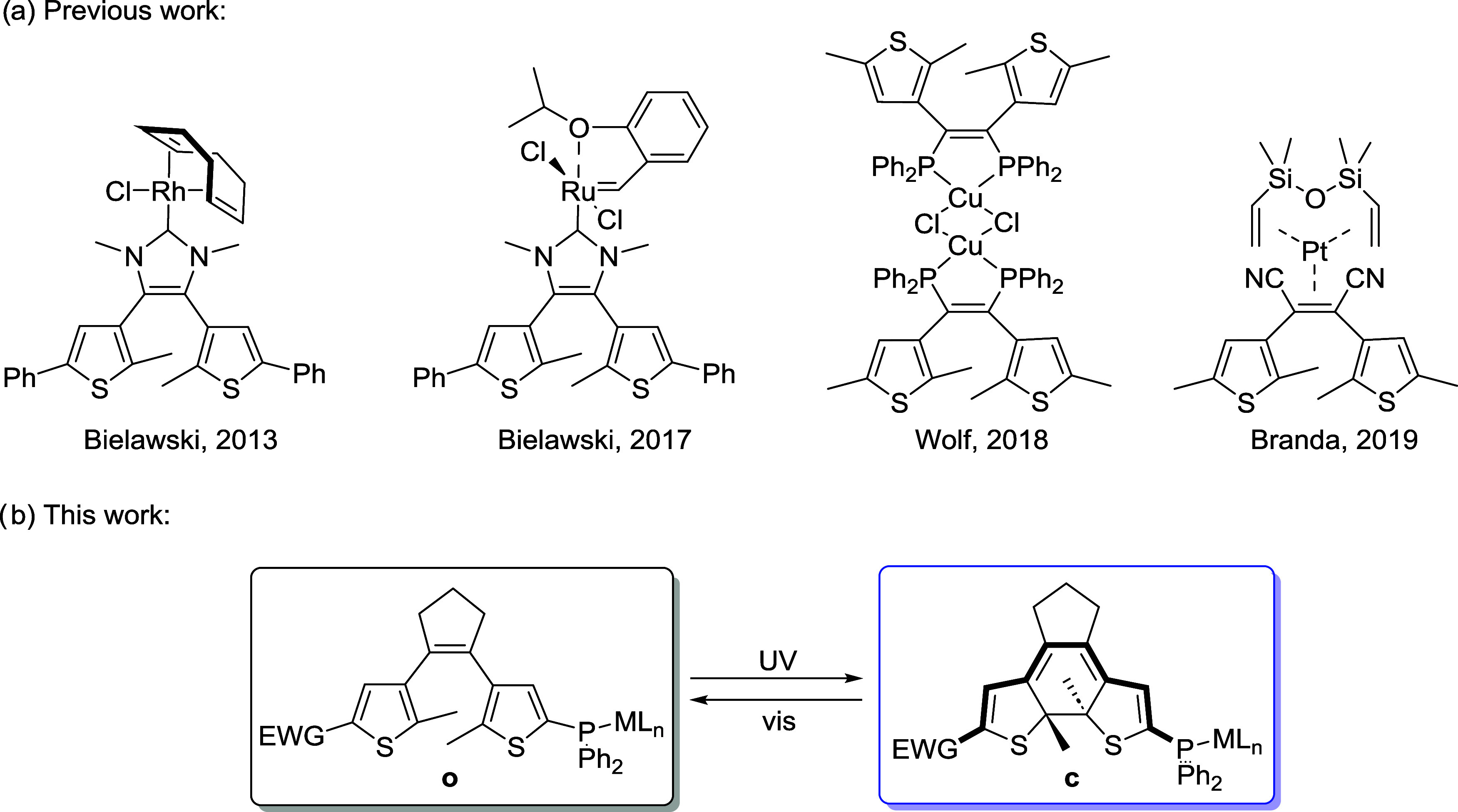 Figure 5
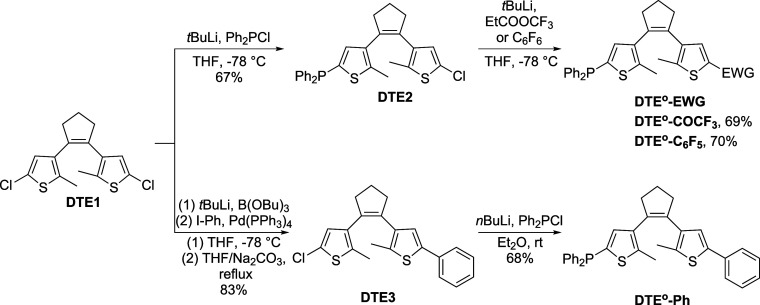 Figure 6
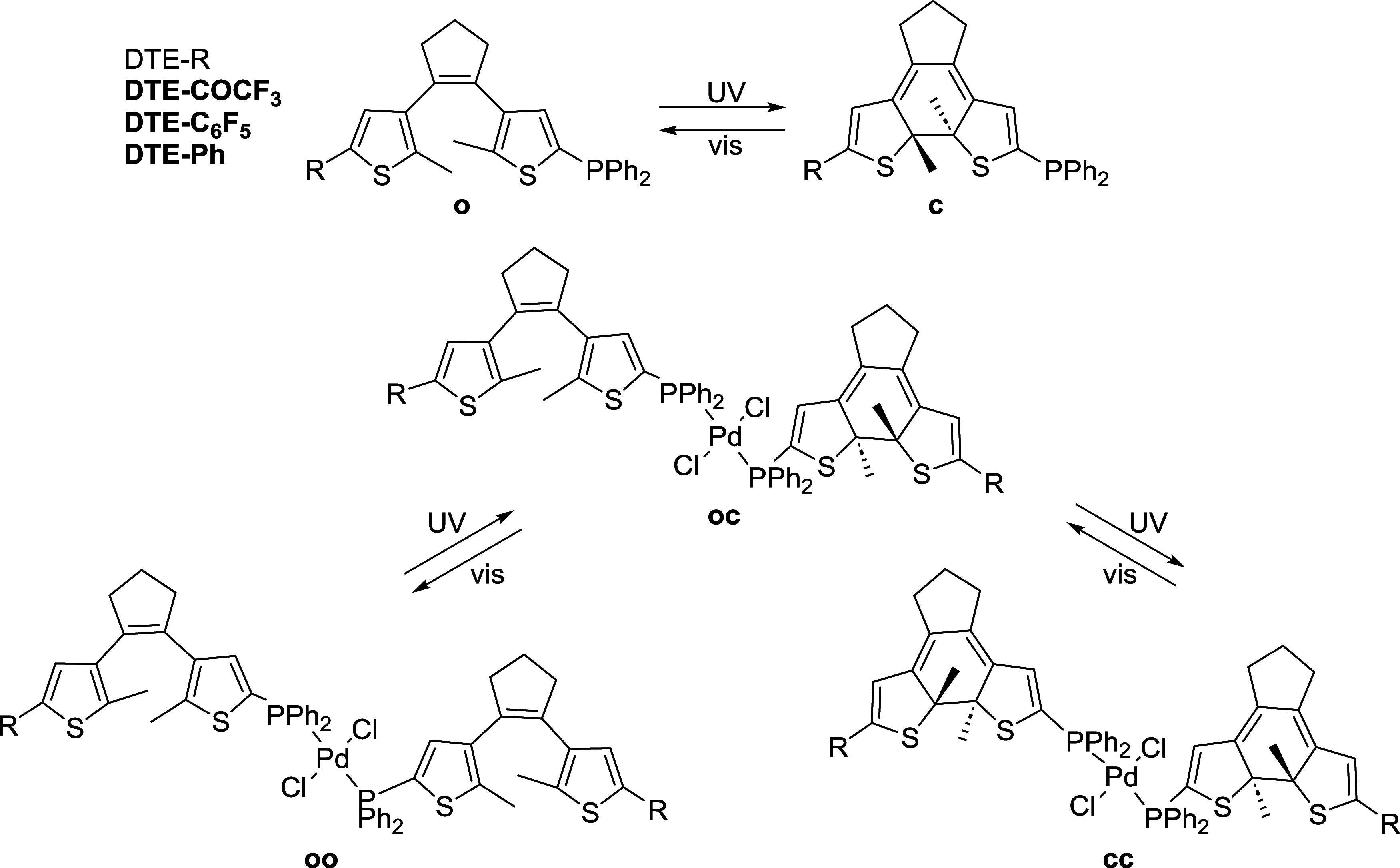 Figure 7
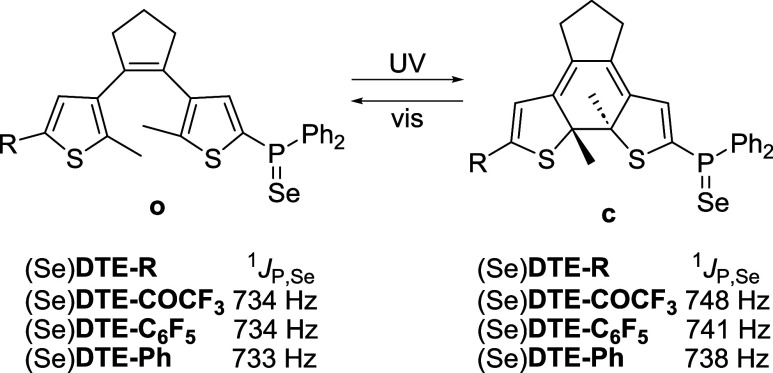 Figure 8
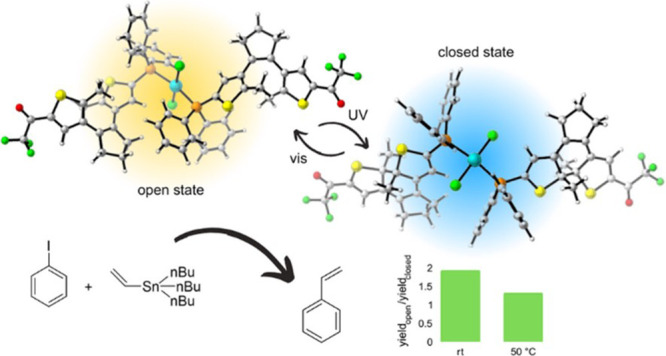 Figure 9
Peer Reviews
No public reviews on file for this paper yet. If you reviewed it on a platform where reviews are public (OpenReview, ICLR, NeurIPS, ICML), you can paste yours below so the community can read it here.
Videos
No videos yet. Explain this paper in a talk, walkthrough, or lecture? Add one.
Taxonomy
TopicsPhotochromic and Fluorescence Chemistry · Radical Photochemical Reactions · Click Chemistry and Applications