Training deaf college students to improve their theory of mind: based on a two-component model
Yang Wu, Xiping Liu, Shengnan Zhang

TL;DR
This study shows that targeted training can improve theory of mind abilities in deaf college students.
Contribution
A two-component training model is shown to effectively enhance theory of mind in deaf students.
Findings
Deaf students who received ToM training showed significant improvement in ToM abilities.
Cognitive and affective ToM tasks demonstrated the effectiveness of the training method.
Physical-conversation training did not yield similar improvements as ToM training.
Abstract
This paper explored the training methods to improve the level of deaf college students’ ToM. Eighty deaf college students were selected as participants and randomly divided into experimental group and control group. The ToM training group received ToM training; The non-ToM training group received physical-conversation training. Cognitive ToM task and affective ToM task were used to investigate the training effect. After training, the level of ToM of deaf college students who received ToM training was significantly improved. The results show that ToM training can effectively promote the level of deaf college students’ ToM.
Genes, proteins, chemicals, diseases, species, mutations and cell lines named across the full text — each resolved to its canonical identifier and authoritative record.
Click any figure to enlarge with its caption.
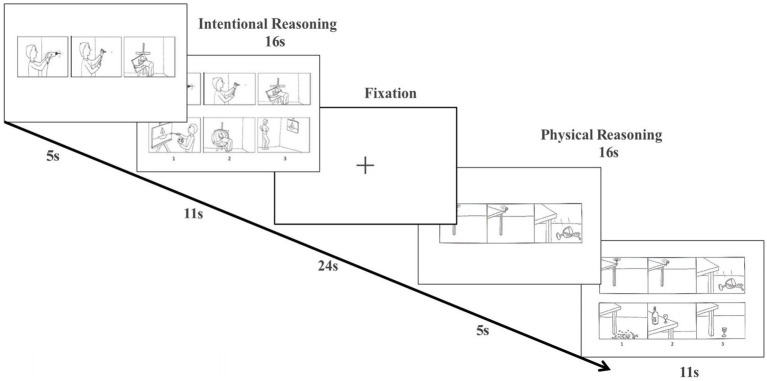 Figure 1
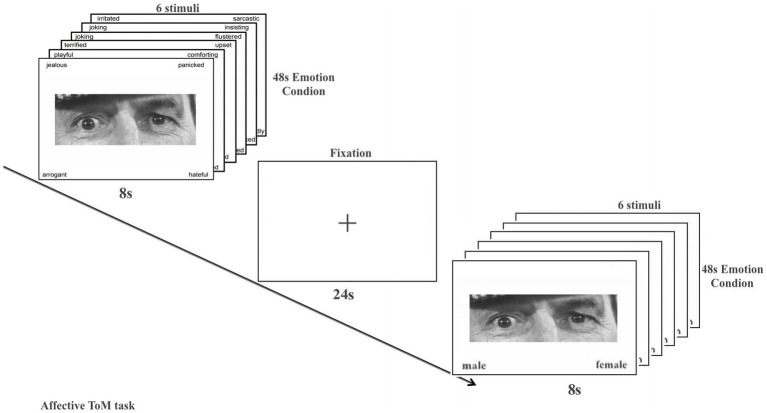 Figure 2
Peer Reviews
No public reviews on file for this paper yet. If you reviewed it on a platform where reviews are public (OpenReview, ICLR, NeurIPS, ICML), you can paste yours below so the community can read it here.
Videos
No videos yet. Explain this paper in a talk, walkthrough, or lecture? Add one.
Taxonomy
TopicsHearing Impairment and Communication · Language, Metaphor, and Cognition · Child and Animal Learning Development