Cyclic AMP signaling promotes regeneration of cochlear synapses after excitotoxic or noise trauma
Sriram Hemachandran, Ning Hu, Catherine J. Kane, Steven H. Green

TL;DR
This study shows that boosting cyclic AMP signaling can help regenerate damaged cochlear synapses caused by loud noise or excitotoxic trauma.
Contribution
The study demonstrates that cAMP signaling, specifically through PKA, can promote synapse regeneration in the cochlea after excitotoxic or noise-induced damage.
Findings
cAMP agonist 8-cpt-cAMP and rolipram promote synapse regeneration in vitro within 12 hours of destruction.
cAMP-dependent protein kinase (PKA) is the key mediator of synapse regeneration, not the cAMP Exchange Protein.
Systemic rolipram delivery in mice promotes synapse regeneration in vivo after noise trauma.
Abstract
Cochlear afferent synapses connecting inner hair cells to spiral ganglion neurons are susceptible to excitotoxic trauma on exposure to loud sound, resulting in a noise-induced cochlear synaptopathy (NICS). Here we assessed the ability of cyclic AMP-dependent protein kinase (PKA) signaling to promote cochlear synapse regeneration, inferred from its ability to promote axon regeneration in axotomized CNS neurons, another system refractory to regeneration. We mimicked NICS in vitro by applying a glutamate receptor agonist, kainic acid (KA) to organotypic cochlear explant cultures and experimentally manipulated cAMP signaling to determine whether PKA could promote synapse regeneration. We then delivered the cAMP phosphodiesterase inhibitor rolipram via implanted subcutaneous minipumps in noise-exposed CBA/CaJ mice to test the hypothesis that cAMP signaling could promote cochlear synapse…
Genes, proteins, chemicals, diseases, species, mutations and cell lines named across the full text — each resolved to its canonical identifier and authoritative record.
Click any figure to enlarge with its caption.
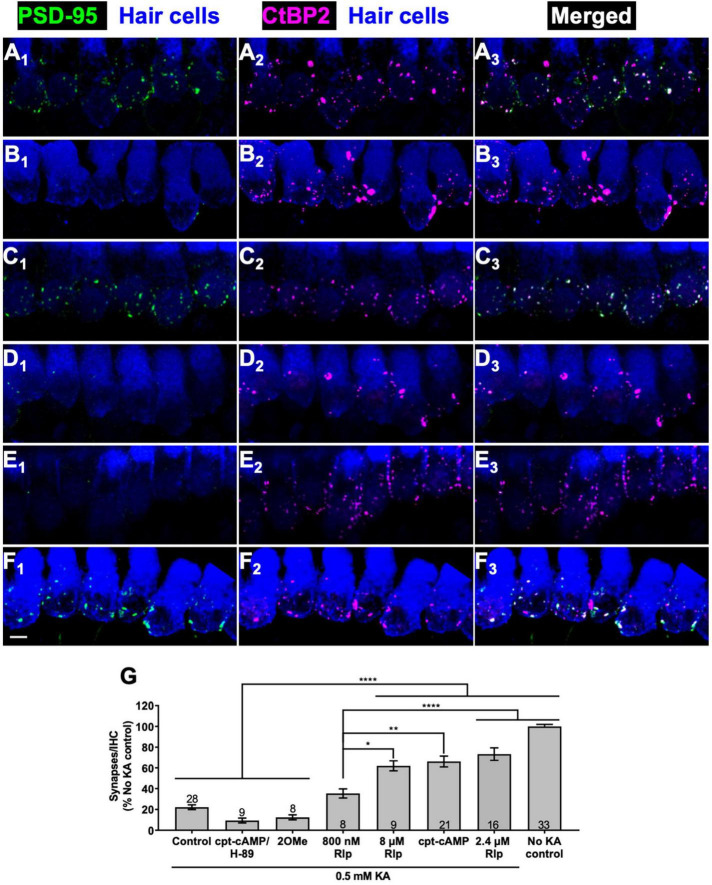 Figure 1
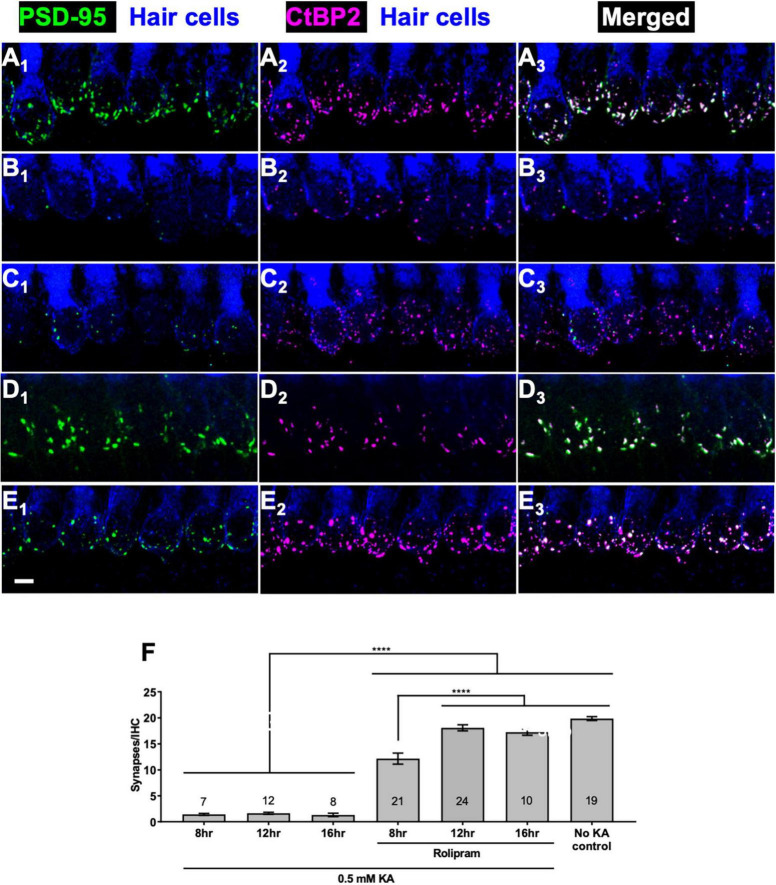 Figure 2
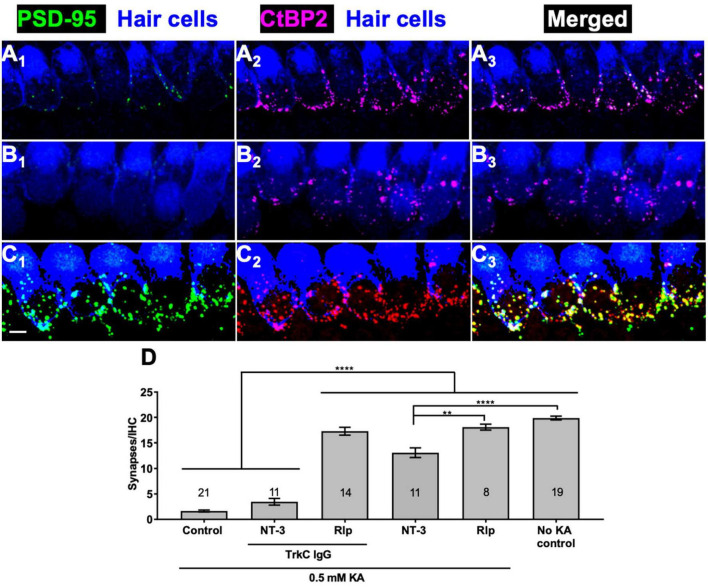 Figure 3
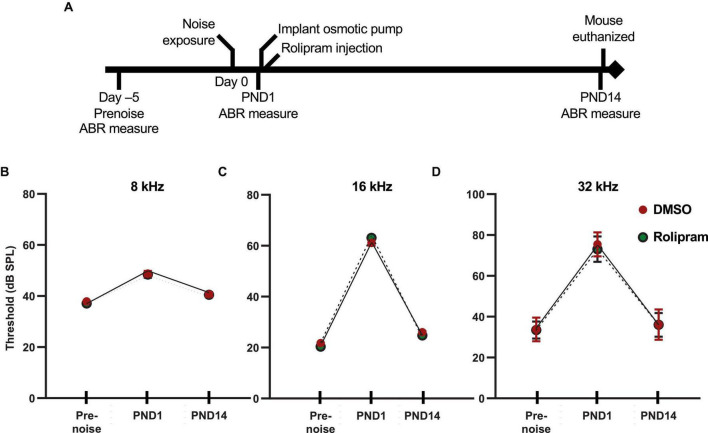 Figure 4
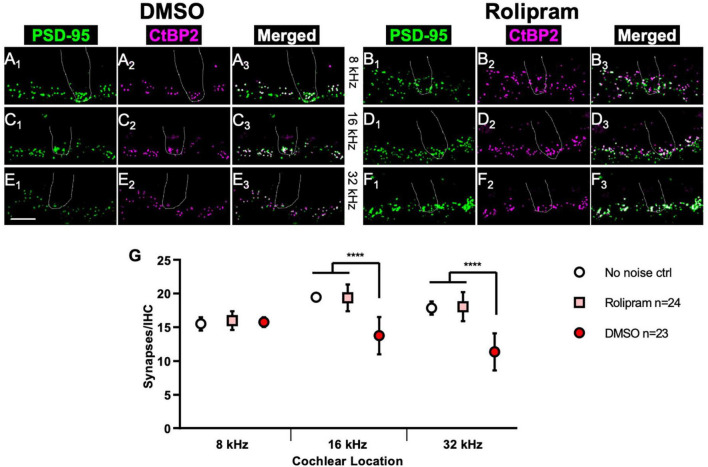 Figure 5
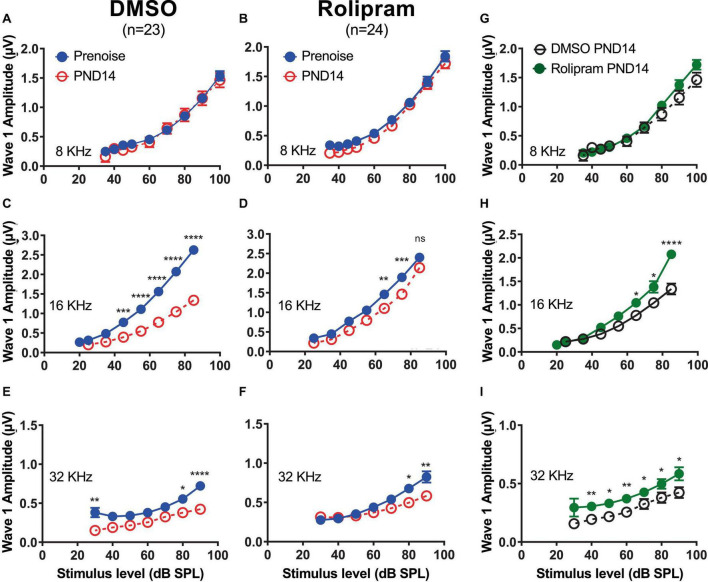 Figure 6
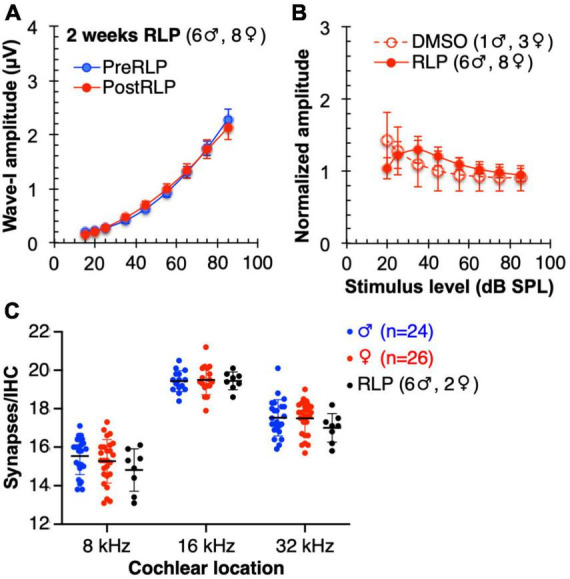 Figure 7
Peer Reviews
No public reviews on file for this paper yet. If you reviewed it on a platform where reviews are public (OpenReview, ICLR, NeurIPS, ICML), you can paste yours below so the community can read it here.
Videos
No videos yet. Explain this paper in a talk, walkthrough, or lecture? Add one.
Taxonomy
TopicsHearing, Cochlea, Tinnitus, Genetics · Vestibular and auditory disorders · Ion Channels and Receptors