The varicella-zoster virus ORF16 protein promotes both the nuclear transport and the protein abundance of the viral DNA polymerase subunit ORF28
Huang-Shen Lin, Cheng-Han Li, Lee-Wen Chen, Shie-Shan Wang, Li-Yu Chen, Chien-Hui Hung, Chun-Liang Lin, Pey-Jium Chang

TL;DR
This study shows how the varicella-zoster virus uses a protein called ORF16 to help another protein, ORF28, move into the nucleus and avoid being broken down, which is important for viral replication.
Contribution
The study reveals that ORF16 promotes both the nuclear transport and protein stability of ORF28 in varicella-zoster virus.
Findings
ORF16 mediates the nuclear import of the viral DNA polymerase subunit ORF28.
ORF16 enhances the protein abundance of ORF28 by preventing its proteasome-mediated degradation.
Radicicol disrupts the interaction between ORF16 and ORF28, affecting both nuclear entry and protein stability.
Abstract
•Several VZV-encoded replication enzymes per se are localized in the cytoplasm.•The nuclear import of VZV ORF28 can be mediated by ORF16.•ORF16 can enhance the protein abundance of ORF28.•The low abundance of ORF28 in cells is due to rapid degradation by the proteasome.•Radicicol, a Hsp90 inhibitor, can disrupt the interaction between ORF16 and ORF28. Several VZV-encoded replication enzymes per se are localized in the cytoplasm. The nuclear import of VZV ORF28 can be mediated by ORF16. ORF16 can enhance the protein abundance of ORF28. The low abundance of ORF28 in cells is due to rapid degradation by the proteasome. Radicicol, a Hsp90 inhibitor, can disrupt the interaction between ORF16 and ORF28. Although all herpesviruses utilize a highly conserved replication machinery to amplify their viral genomes, different members may have unique strategies to modulate the assembly of their…
Genes, proteins, chemicals, diseases, species, mutations and cell lines named across the full text — each resolved to its canonical identifier and authoritative record.
Click any figure to enlarge with its caption.
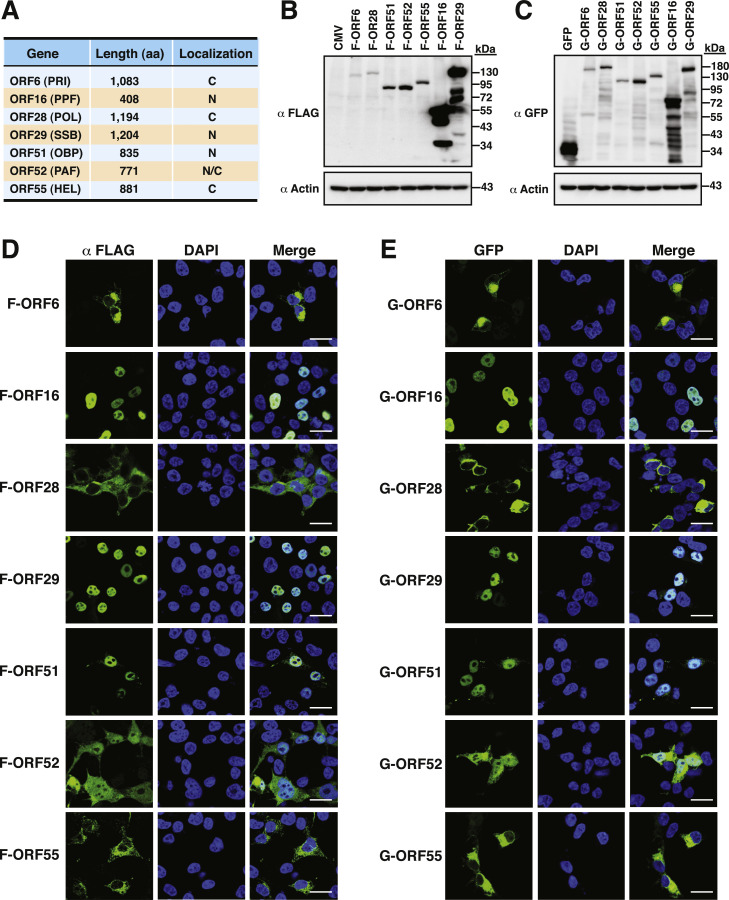 Figure 1
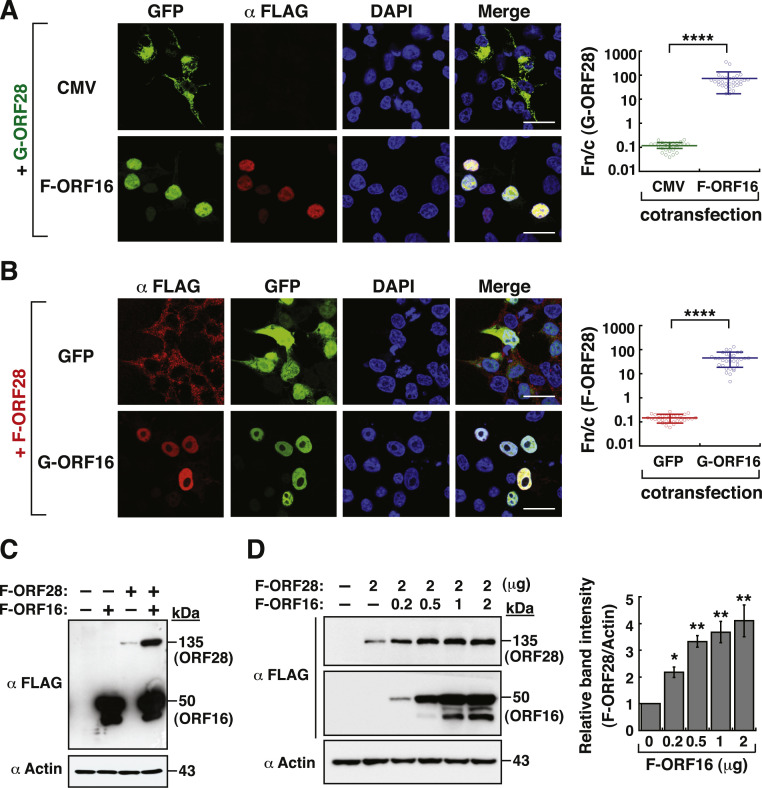 Figure 2
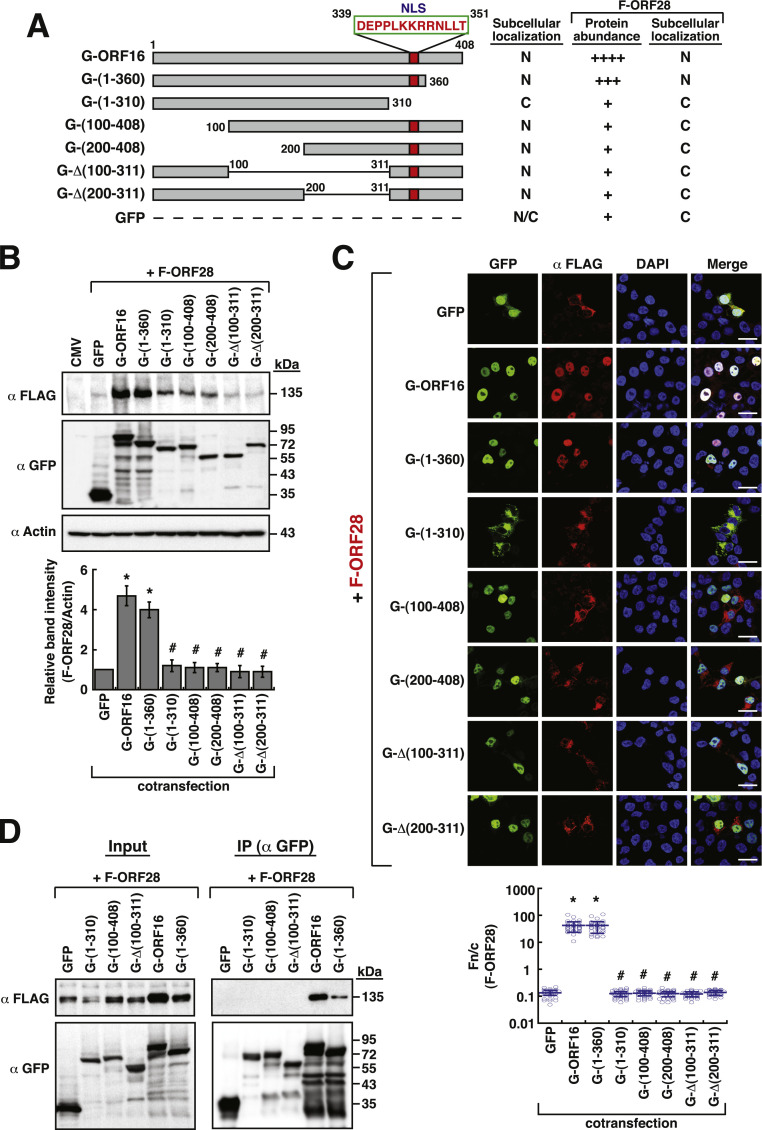 Figure 3
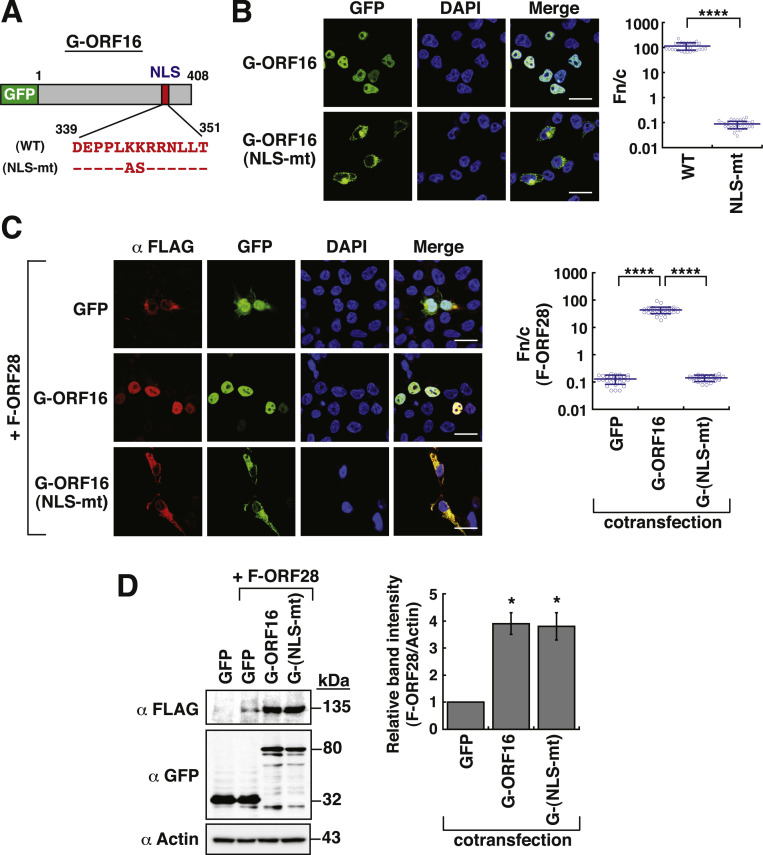 Figure 4
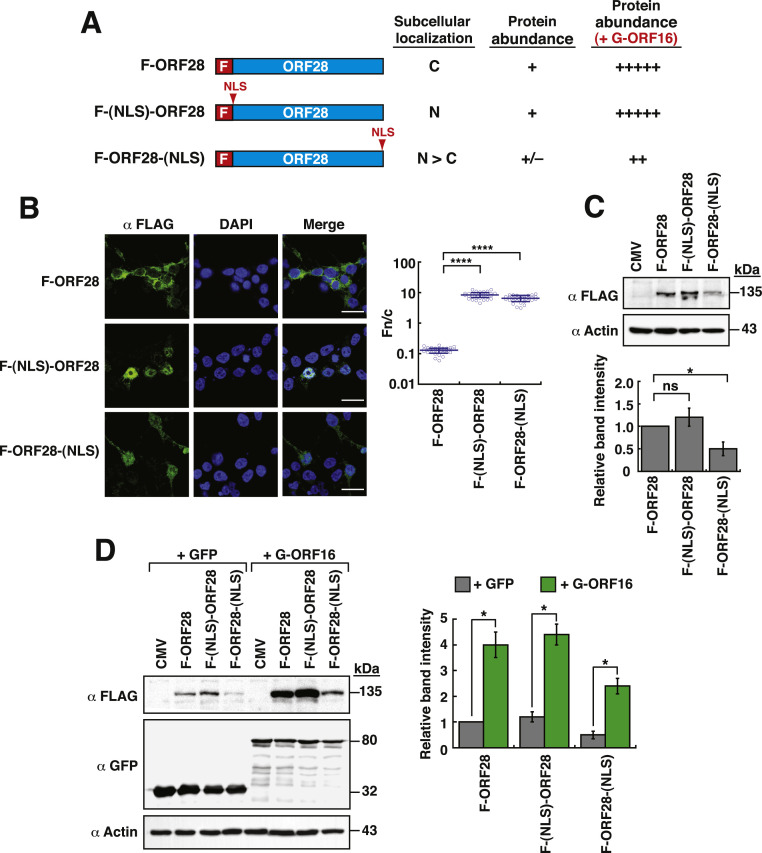 Figure 5
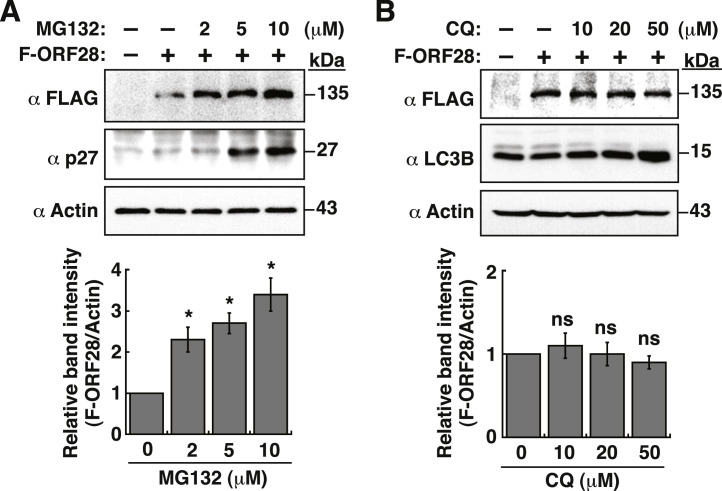 Figure 6
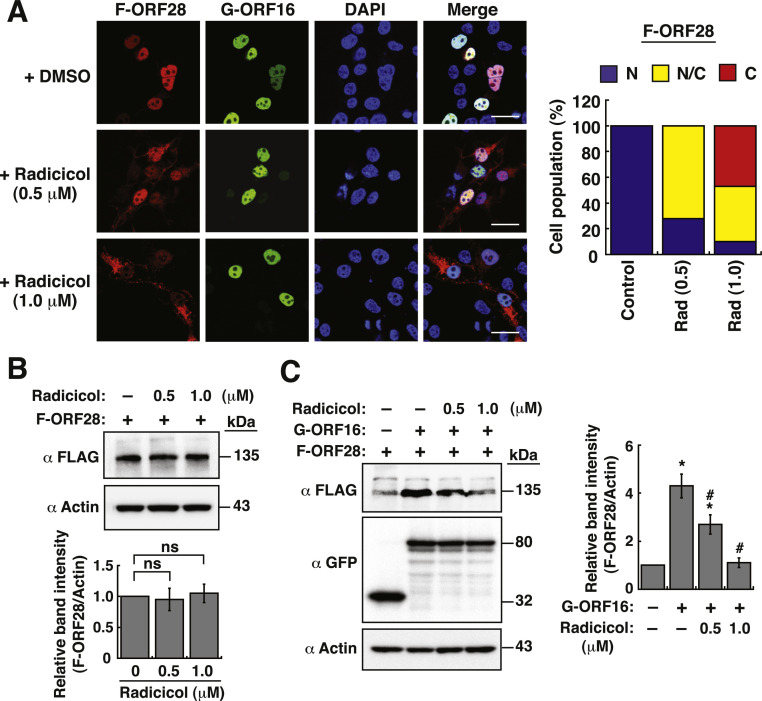 Figure 7
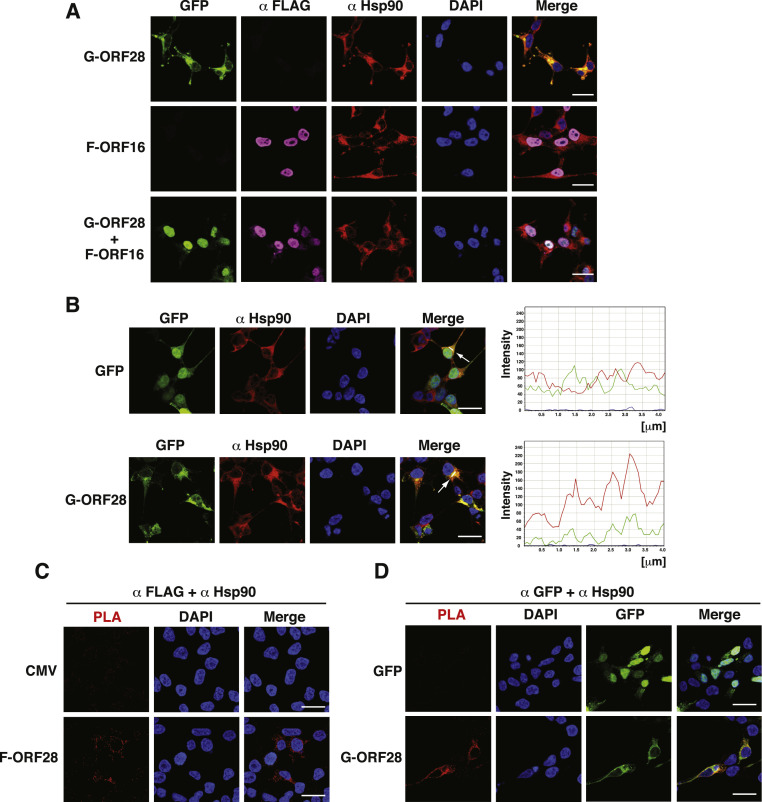 Figure 8
Peer Reviews
No public reviews on file for this paper yet. If you reviewed it on a platform where reviews are public (OpenReview, ICLR, NeurIPS, ICML), you can paste yours below so the community can read it here.
Videos
No videos yet. Explain this paper in a talk, walkthrough, or lecture? Add one.
Taxonomy
TopicsHerpesvirus Infections and Treatments · Cytomegalovirus and herpesvirus research · Toxin Mechanisms and Immunotoxins