Approximate inference for longitudinal mechanistic HIV contact network
Octavious Smiley, Till Hoffmann, Jukka-Pekka Onnela

TL;DR
This paper introduces a new method for modeling HIV transmission networks using mechanistic models and Bayesian inference, showing how longitudinal data improves accuracy.
Contribution
A novel ABC-based inference scheme for longitudinal mechanistic network models of HIV transmission.
Findings
Longitudinal study designs improve inference accuracy by up to 18% compared to cross-sectional designs.
The gains depend on the timing of data collection and the choice of summary statistics.
The method is applied to contact networks for men who have sex with men.
Abstract
Network models are increasingly used to study infectious disease spread. Exponential Random Graph models have a history in this area, with scalable inference methods now available. An alternative approach uses mechanistic network models. Mechanistic network models directly capture individual behaviors, making them suitable for studying sexually transmitted diseases. Combining mechanistic models with Approximate Bayesian Computation allows flexible modeling using domain-specific interaction rules among agents, avoiding network model oversimplifications. These models are ideal for longitudinal settings as they explicitly incorporate network evolution over time. We implemented a discrete-time version of a previously published continuous-time model of evolving contact networks for men who have sex with men and proposed an ABC-based approximate inference scheme for it. As expected, we found…
Genes, proteins, chemicals, diseases, species, mutations and cell lines named across the full text — each resolved to its canonical identifier and authoritative record.
Click any figure to enlarge with its caption.
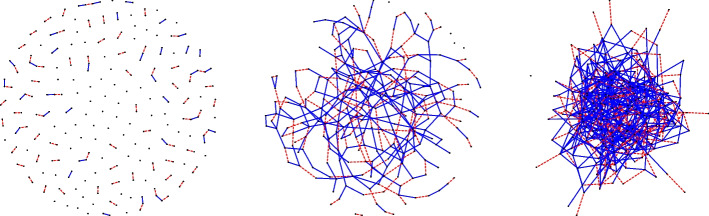 Figure 1
 Figure 2
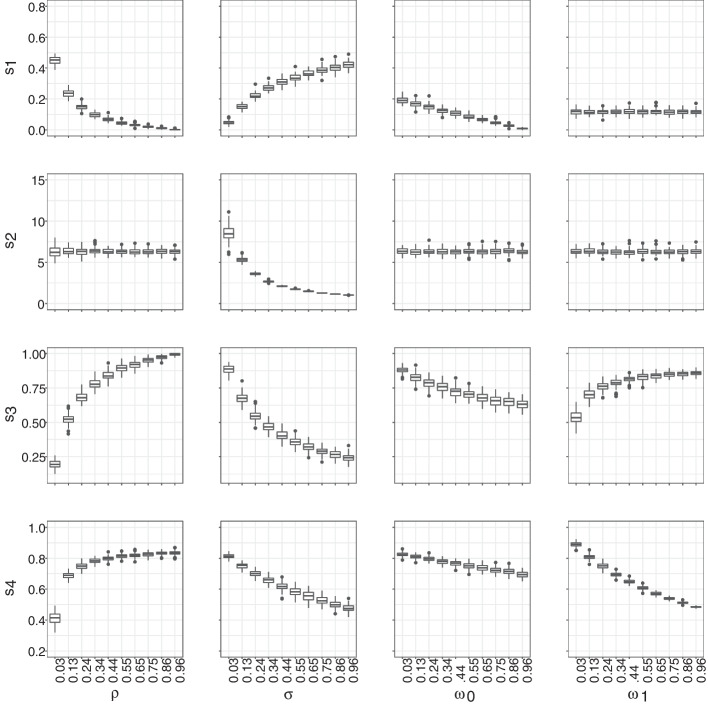 Figure 3
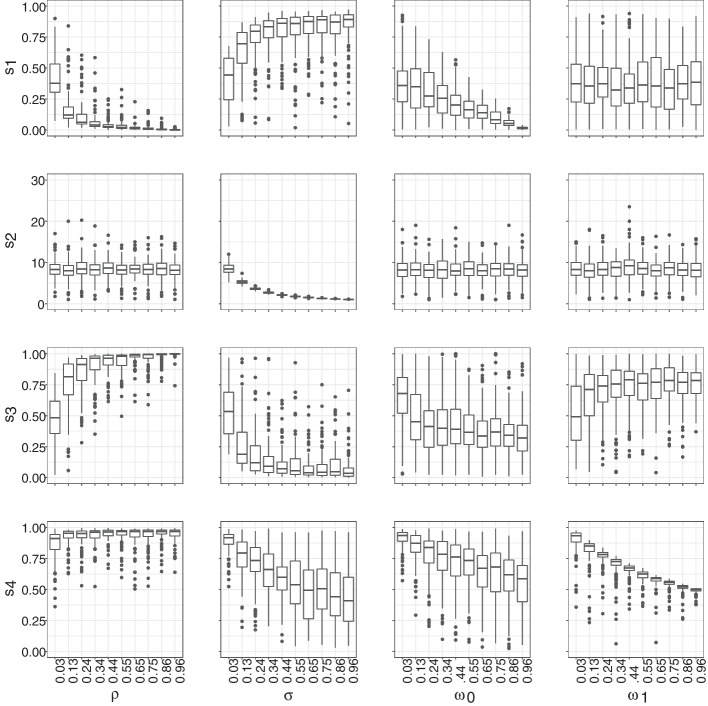 Figure 4
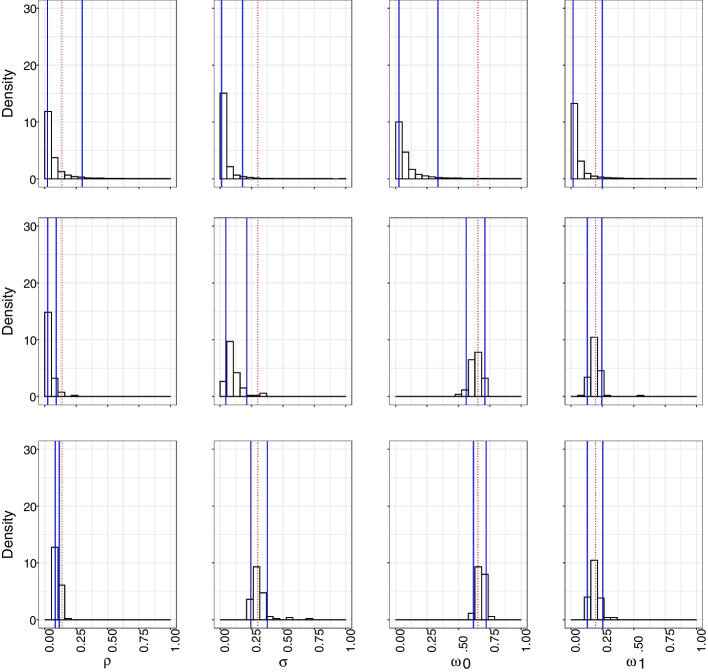 Figure 5
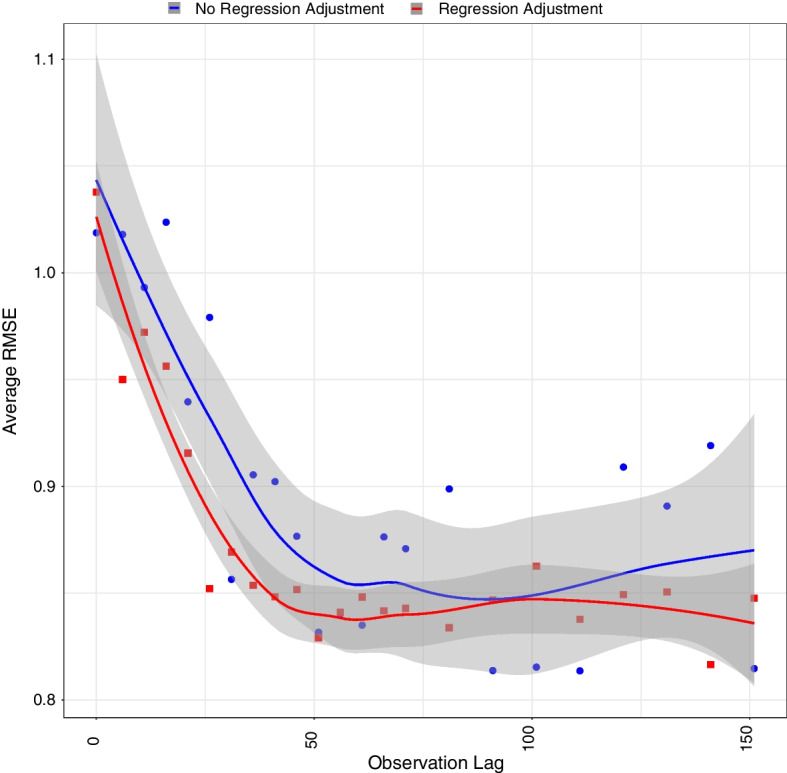 Figure 6
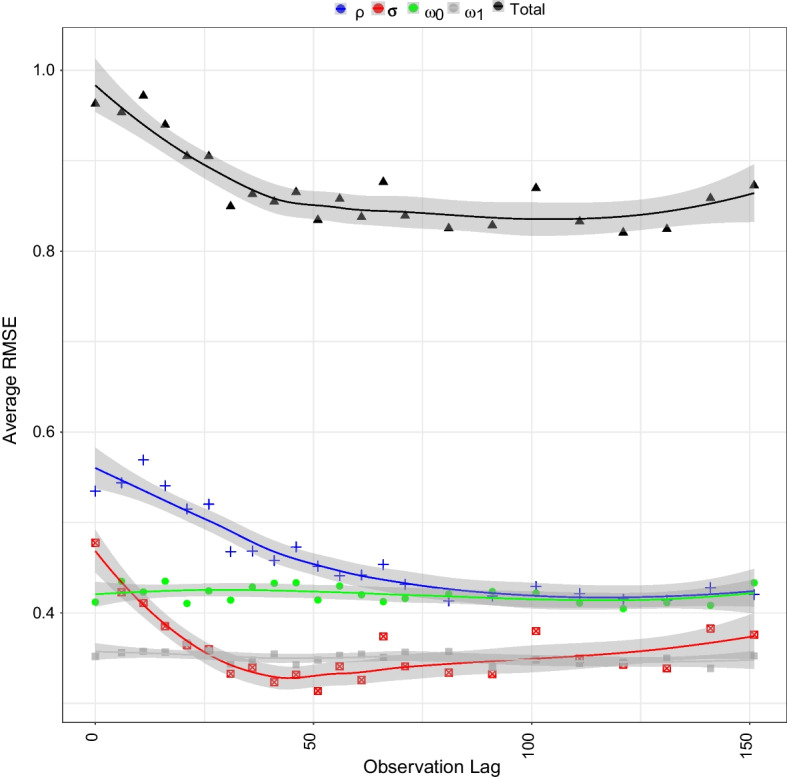 Figure 7
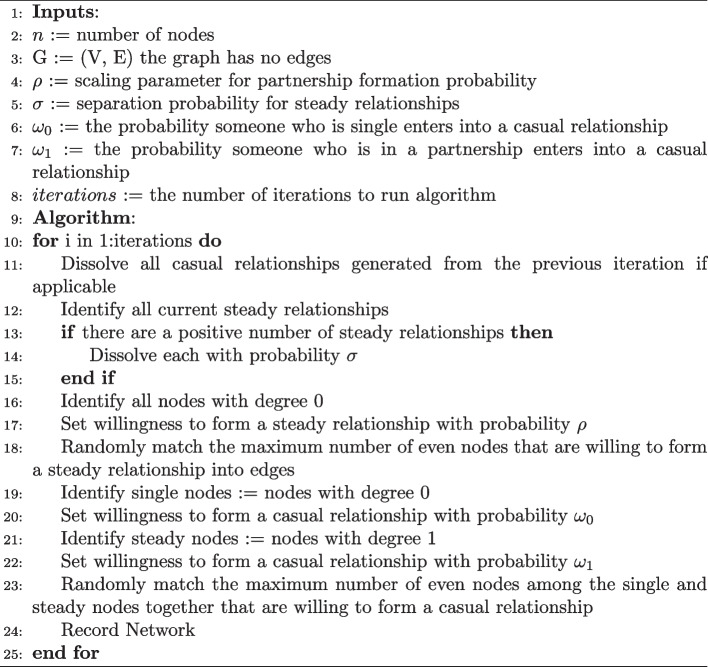 Figure 8
Peer Reviews
No public reviews on file for this paper yet. If you reviewed it on a platform where reviews are public (OpenReview, ICLR, NeurIPS, ICML), you can paste yours below so the community can read it here.
Videos
No videos yet. Explain this paper in a talk, walkthrough, or lecture? Add one.
Taxonomy
TopicsComplex Network Analysis Techniques · Markov Chains and Monte Carlo Methods · Stochastic processes and statistical mechanics