Evolutionary trajectory of phenological escape in a flowering plant: Mechanistic insights from bidirectional avoidance of butterfly egg‐laying pressure
W. James Davies, Ilik J. Saccheri

TL;DR
The study explores how a flowering plant evolves to avoid butterfly egg-laying by adjusting its flowering time, revealing how plant traits and predator behavior shape this evolutionary response.
Contribution
The paper provides mechanistic insights into how phenological escape evolves through differential selection pressures on plant morphologies and flowering times.
Findings
Bimodal flowering patterns evolve due to disruptive selection on high fecundity plants under butterfly egg-laying pressure.
Asynchronous flowering and size-dependent egg-laying constrain phenological escape in plants.
Plant morphology and anti-predator defenses influence the availability of flowering refugia.
Abstract
Phenological escape, whereby species alter the timing of life‐history events to avoid seasonal antagonists, is usually analyzed either as a potential evolutionary outcome given current selection coefficients, or as a realized outcome in response to known enemies. We here gain mechanistic insights into the evolutionary trajectory of phenological escape in the brassicaceous herb Cardamine pratensis, by comparing the flowering schedules of two sympatric ecotypes in different stages of a disruptive response to egg‐laying pressure imposed by the pierid butterfly Anthocharis cardamines, whose larvae are pre‐dispersal seed predators (reducing realized fecundity by ~70%). When the focal point of highest intensity selection (peak egg‐laying) occurs early in the flowering schedule, selection for late flowering dependent on reduced egg‐laying combined with selection for early flowering dependent…
Genes, proteins, chemicals, diseases, species, mutations and cell lines named across the full text — each resolved to its canonical identifier and authoritative record.
Click any figure to enlarge with its caption.
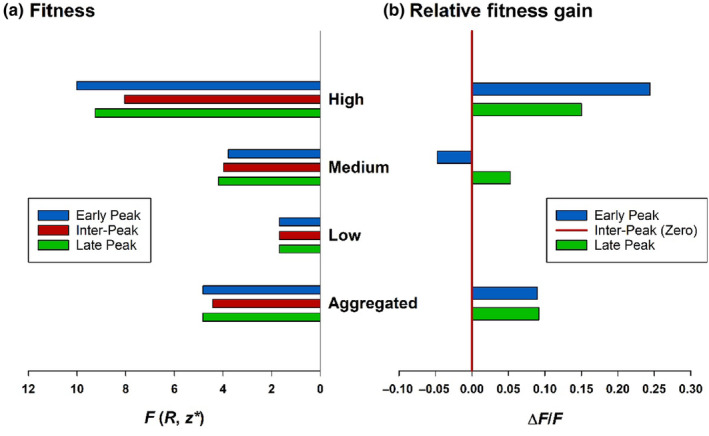 Figure 1
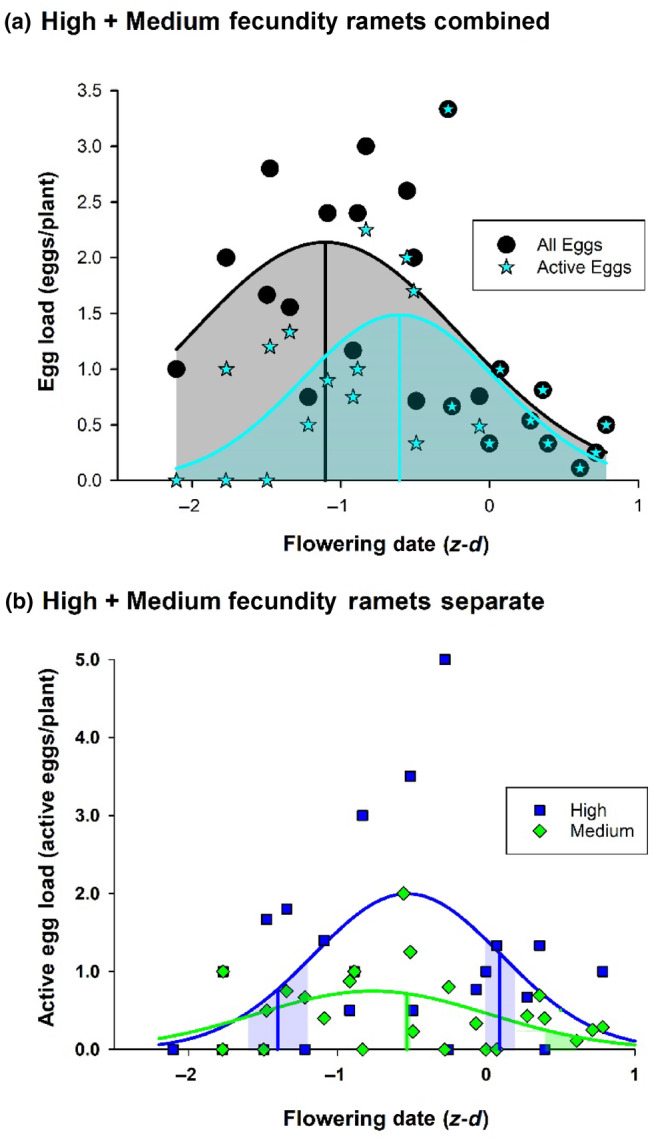 Figure 2
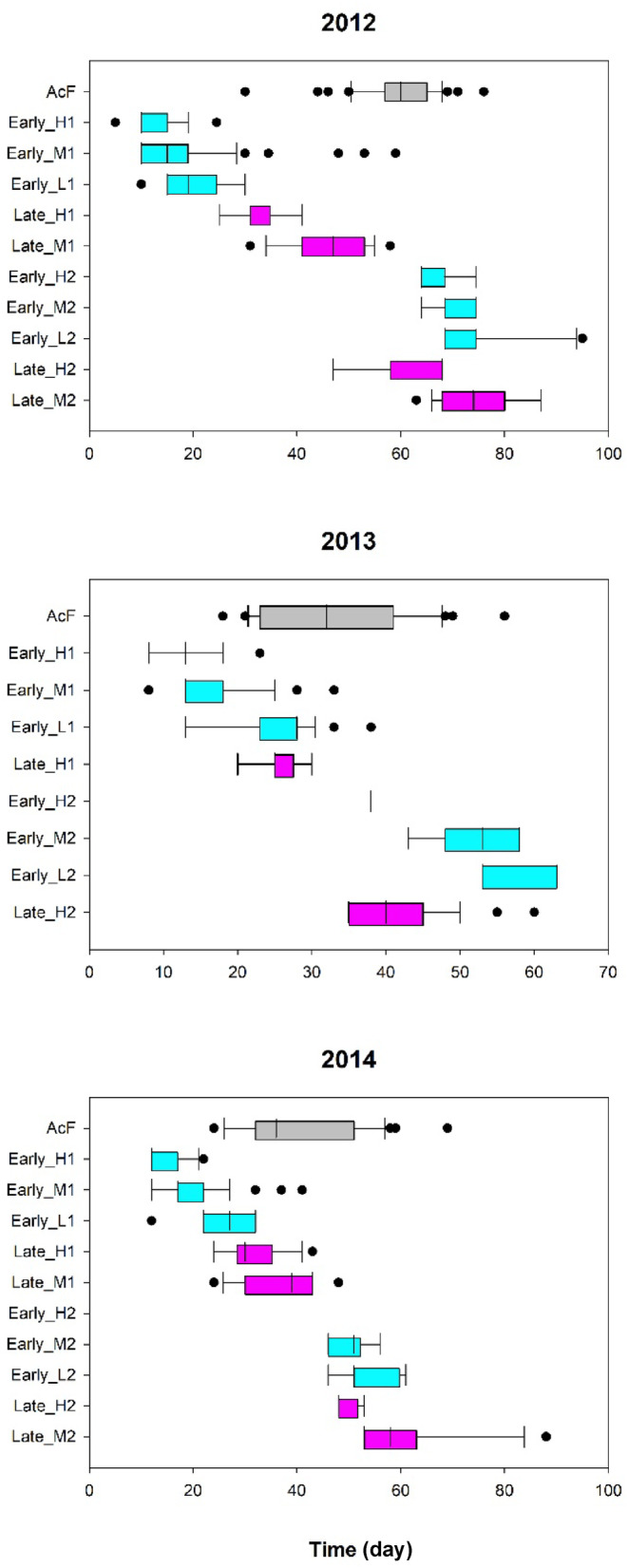 Figure 3
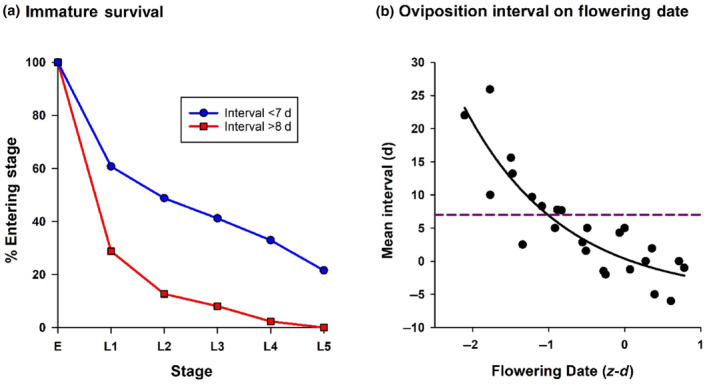 Figure 4
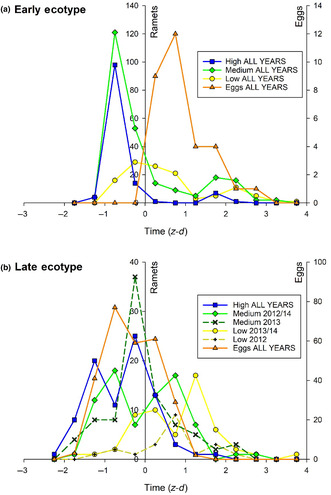 Figure 5
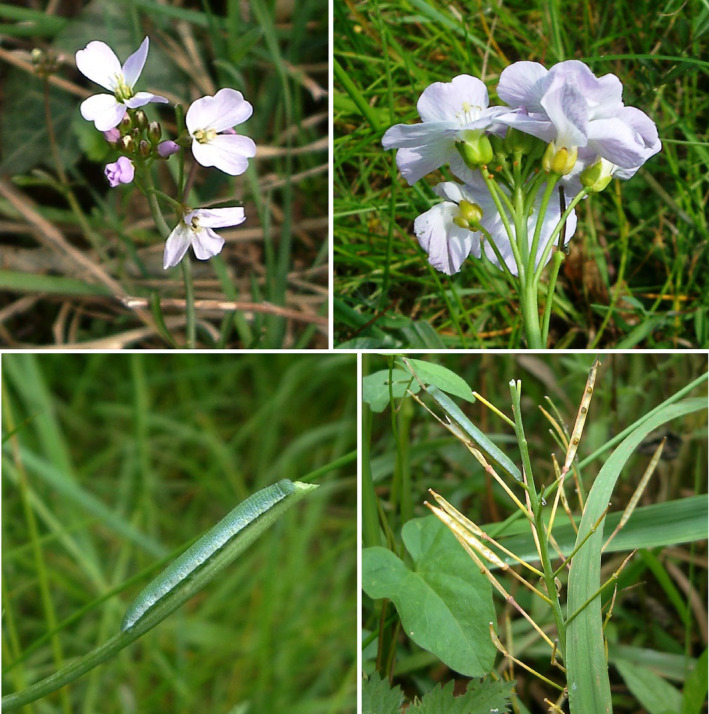 Figure 6
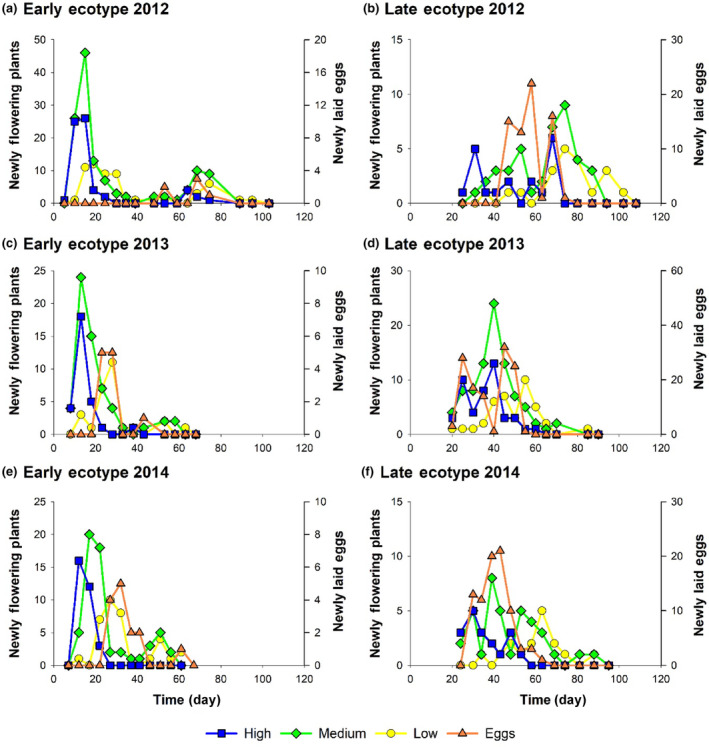 Figure 7
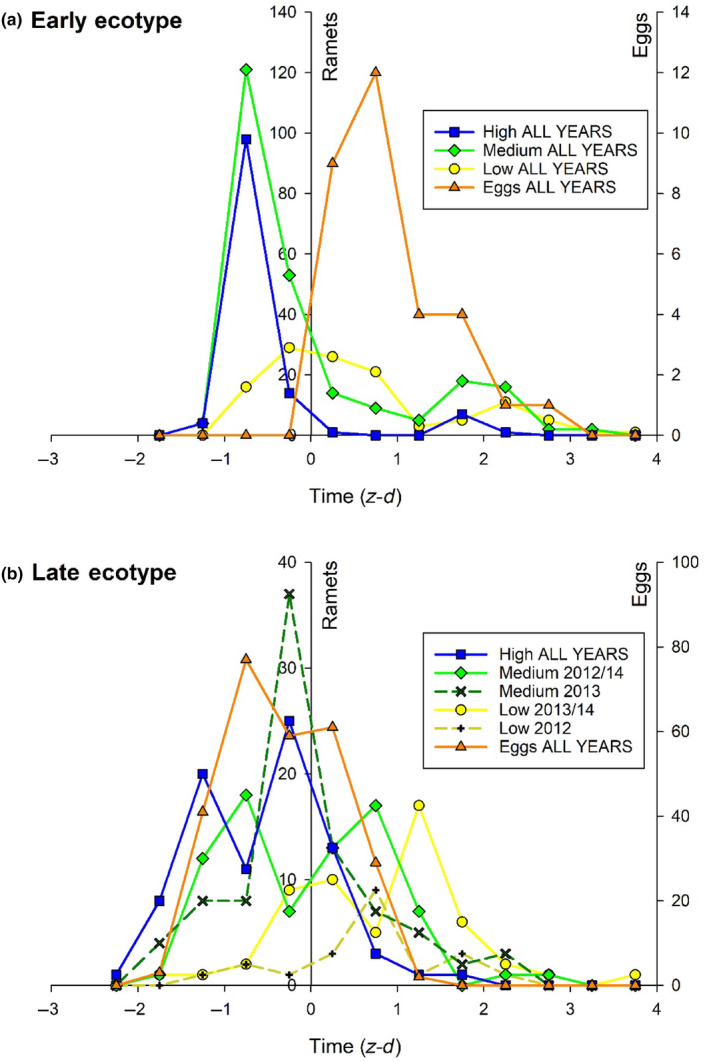 Figure 8
Peer Reviews
No public reviews on file for this paper yet. If you reviewed it on a platform where reviews are public (OpenReview, ICLR, NeurIPS, ICML), you can paste yours below so the community can read it here.
Videos
No videos yet. Explain this paper in a talk, walkthrough, or lecture? Add one.
Taxonomy
TopicsPlant and animal studies · Insect-Plant Interactions and Control · Ecology and Vegetation Dynamics Studies