Elucidating the Anticancer Mechanisms of Cinnamoyl Sulfonamide Hydroxamate: Insights From DNA Content Analysis and Gene Expression Profiling in Squamous Cell Carcinoma
Eapen Cherian, Manoj Goyal, Neeti Mittal, Susan Mathews, Muhammad Sagir

TL;DR
This study explores how a new compound fights oral cancer by affecting cell cycles and triggering cell death in cancer cells.
Contribution
The paper identifies novel anticancer mechanisms of cinnamoyl sulfonamide hydroxamate derivatives in oral squamous cell carcinoma.
Findings
Treatment with the compound altered cell cycle distribution, reducing G0/G1 phase cells and increasing S phase cells.
Apoptosis was observed in treated cells using anisidine/toluidine double staining.
RT-PCR showed increased p21 gene expression, supporting cell cycle arrest and apoptosis.
Abstract
Background: Oral cancer is a major public health concern worldwide, with oral squamous cell carcinoma (OSCC) being one of its most common subtypes. Despite advances in diagnosis and management of this disease, there remains a need to develop new therapeutic approaches for better outcomes. Objective: This study aimed to investigate the molecular mechanisms through which cinnamoyl sulfonamide hydroxamate derivatives exert their anticancer effects on OSCC. Materials and methods: The derivatives were synthesized via multi-step processes and then characterized at the molecular level. Flow cytometry assay for DNA content and cell cycle distribution, anisidine/toluidine double staining for apoptosis detection, as well as reverse transcription polymerase chain reaction (RT-PCR) gene expression analysis, were performed on OSCC cell lines exposed to cinnamoyl sulfonamide hydroxamate…
Genes, proteins, chemicals, diseases, species, mutations and cell lines named across the full text — each resolved to its canonical identifier and authoritative record.
Click any figure to enlarge with its caption.
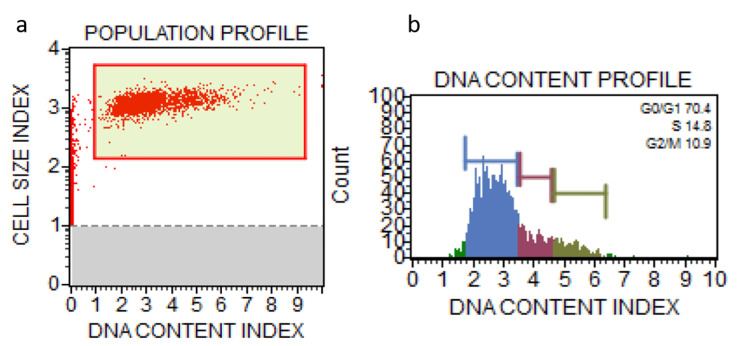 Figure 1
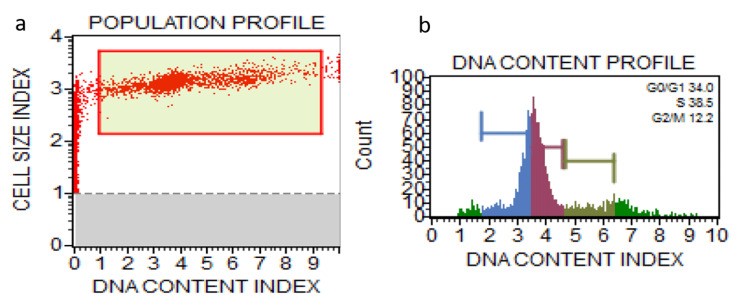 Figure 2
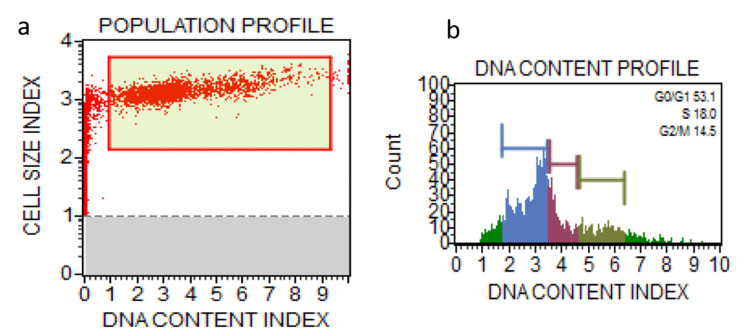 Figure 3
Peer Reviews
No public reviews on file for this paper yet. If you reviewed it on a platform where reviews are public (OpenReview, ICLR, NeurIPS, ICML), you can paste yours below so the community can read it here.
Videos
No videos yet. Explain this paper in a talk, walkthrough, or lecture? Add one.
Taxonomy
TopicsPolyamine Metabolism and Applications · Biological Research and Disease Studies · Click Chemistry and Applications