Inguinoscrotal Hernia: An Unusual Presentation of Retroperitoneal Liposarcoma
Sanjay M Khaladkar, Saksham Jain, Tejvir Singh, Satvik Dhirawani

TL;DR
A rare case of retroperitoneal liposarcoma extending into the inguinal region is described, highlighting the importance of imaging for accurate diagnosis.
Contribution
The paper presents an unusual clinical case and emphasizes the role of imaging in distinguishing retroperitoneal liposarcoma from other inguinal masses.
Findings
Liposarcoma can extend from the retroperitoneum into the inguinoscrotal region via the gonadal vein pathway.
Imaging is essential to differentiate retroperitoneal liposarcoma from fat-containing inguinal masses.
Non-lipomatous components in fat-containing tumors can provide diagnostic clues on radiological imaging.
Abstract
Liposarcoma presenting within an inguinal hernia is rare. It may manifest as either primary spermatic cord liposarcoma or as an extension of retroperitoneal liposarcoma into the inguinoscrotal region. Tumors originating in the retroperitoneum can extend toward the inguinal region through the gonadal vein pathway. Utilizing imaging modalities is crucial for differentiating between a retroperitoneal component and a fat-containing inguinal mass. Identification of non-lipomatous components within a fat-containing tumor provides diagnostic clues on radiological imaging.
Genes, proteins, chemicals, diseases, species, mutations and cell lines named across the full text — each resolved to its canonical identifier and authoritative record.
Click any figure to enlarge with its caption.
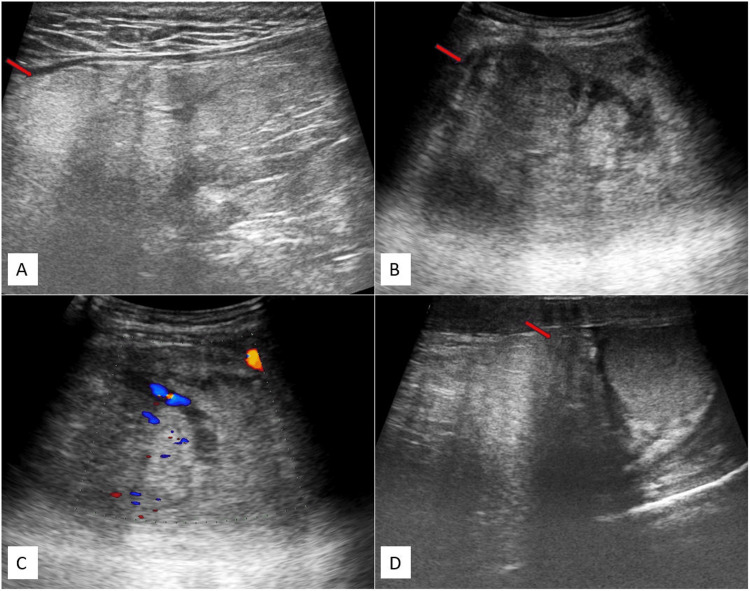 Figure 1
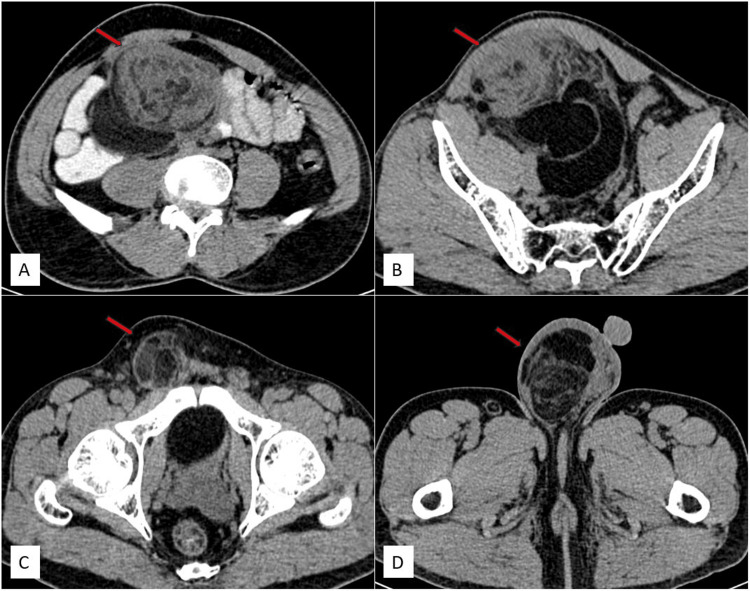 Figure 2
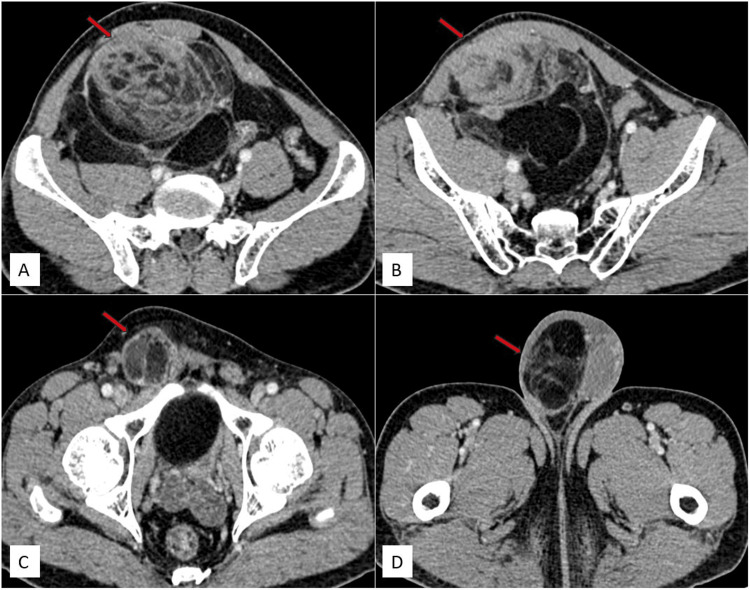 Figure 3
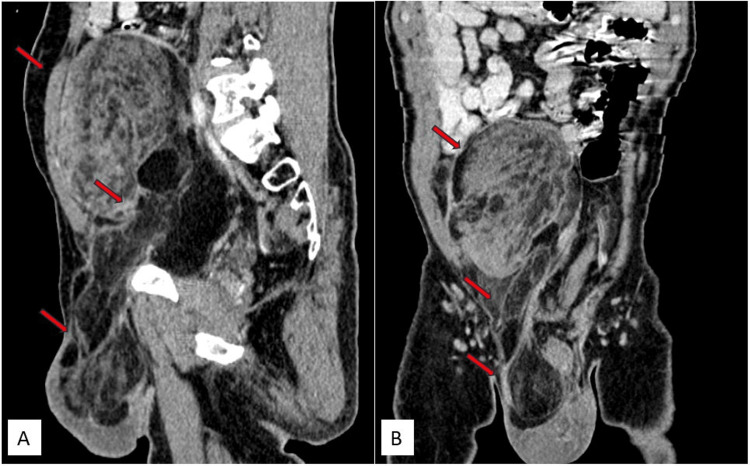 Figure 4
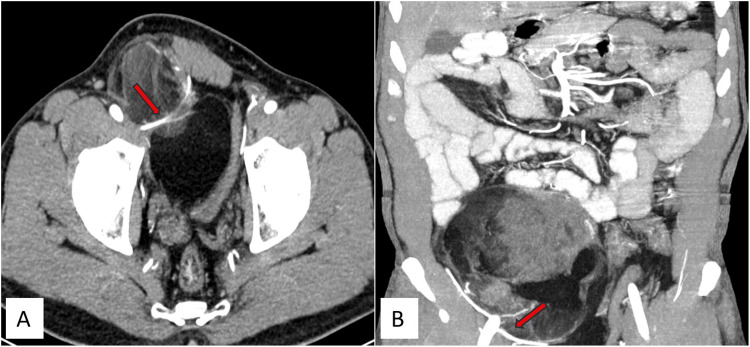 Figure 5
Peer Reviews
No public reviews on file for this paper yet. If you reviewed it on a platform where reviews are public (OpenReview, ICLR, NeurIPS, ICML), you can paste yours below so the community can read it here.
Videos
No videos yet. Explain this paper in a talk, walkthrough, or lecture? Add one.
Taxonomy
TopicsSarcoma Diagnosis and Treatment · Urologic and reproductive health conditions · Cardiac tumors and thrombi