Atraumatic Idiopathic Compartment Syndrome Requiring Emergent Fasciotomy: A Case Report and Literature Review
Danielle Markus, Andrew S Bi, William Neal, Benjamin Fiedler, Nirmal Tejwani

TL;DR
A 42-year-old man with no medical history developed severe leg pain and swelling from a blood clot, requiring emergency surgery to relieve pressure.
Contribution
This case report highlights a rare instance of atraumatic compartment syndrome without coagulopathy or anticoagulation.
Findings
Atraumatic hematoma in the gastrocnemius-soleus complex caused acute compartment syndrome.
No coagulopathy or bleeding source was identified despite extensive workup.
Emergent fasciotomy was necessary to treat the condition.
Abstract
A 42-year-old male with no past medical history presented to an emergency room with increasing pain and swelling of his left lower extremity over 48 hours with no preceding trauma. A computed tomography scan demonstrated a hematoma (20 cm × 4 cm × 10 cm) present within the gastrocnemius-soleus complex. Acute compartment syndrome (ACS) was diagnosed clinically, confirmed intraoperatively with an arterial line transducer, and treated with emergent fasciotomy. Extensive workup found no evidence of coagulopathy or source of bleeding. This case presents a patient with ACS secondary to an atraumatic gastrocnemius hematoma discovered in the emergency room with no history of coagulopathies or anticoagulation.
Genes, proteins, chemicals, diseases, species, mutations and cell lines named across the full text — each resolved to its canonical identifier and authoritative record.
Click any figure to enlarge with its caption.
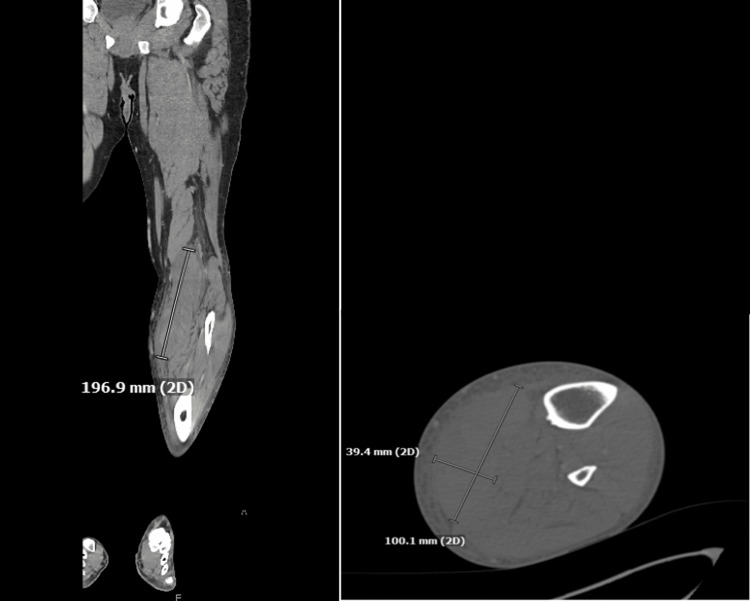 Figure 1
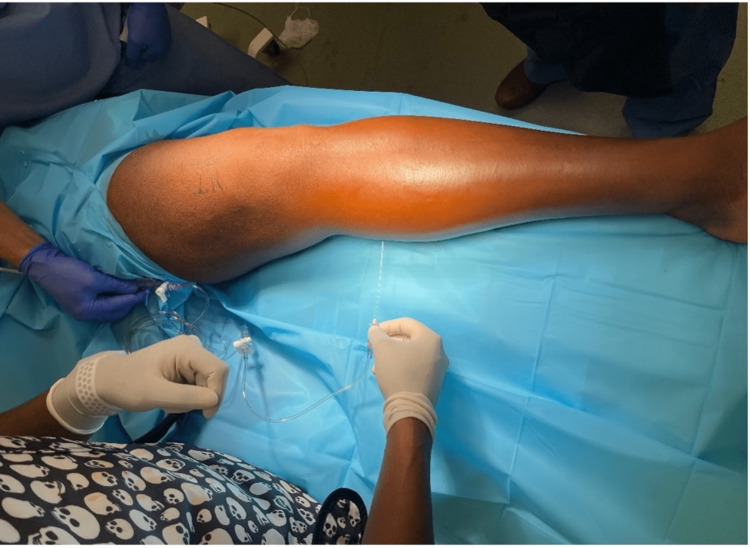 Figure 2
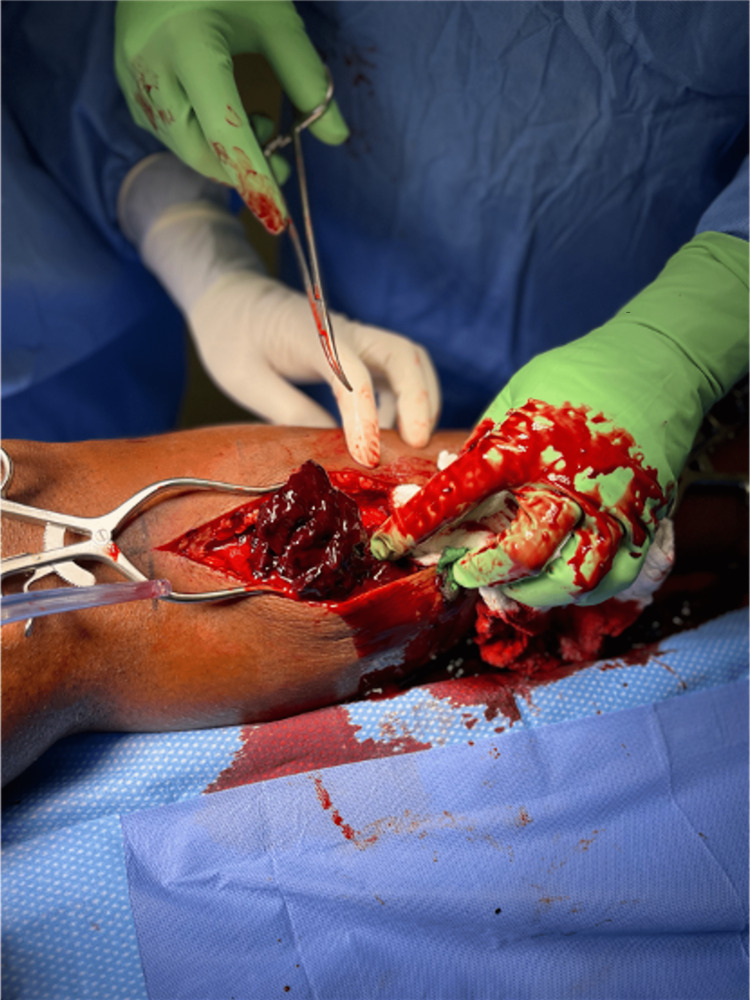 Figure 3
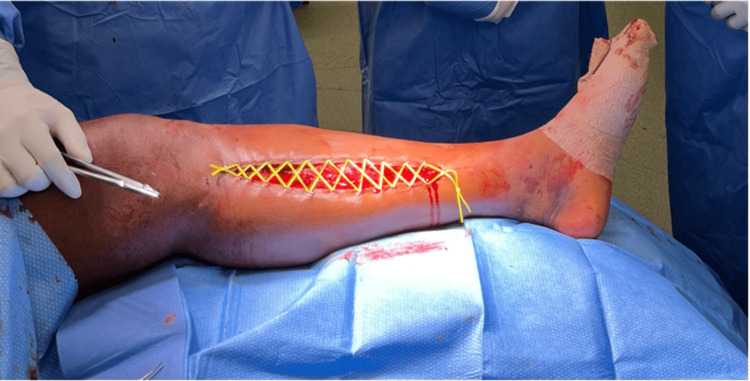 Figure 4
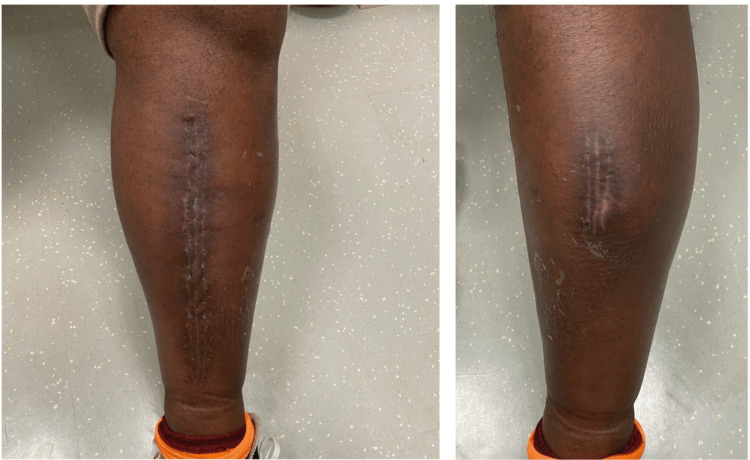 Figure 5
Peer Reviews
No public reviews on file for this paper yet. If you reviewed it on a platform where reviews are public (OpenReview, ICLR, NeurIPS, ICML), you can paste yours below so the community can read it here.
Videos
No videos yet. Explain this paper in a talk, walkthrough, or lecture? Add one.
Taxonomy
TopicsMuscle and Compartmental Disorders · Poisoning and overdose treatments · Case Reports on Hematomas