hkb is required for DIP-α expression and target recognition in the Drosophila neuromuscular circuit
Yupu Wang, Rio J. Salazar, Luciano T. Simonetta, Violet Sorrentino, Terrence J. Gatton, Bill Wu, Christopher G. Vecsey, Robert A. Carrillo

TL;DR
This study identifies hkb as a key regulator of DIP-α expression in Drosophila motor neurons, revealing how transcription factors control synaptic connectivity.
Contribution
The paper discovers that hkb regulates DIP-α expression specifically in dorsal Is motor neurons through interaction with even-skipped.
Findings
hkb is required for DIP-α expression in dorsal Is motor neurons.
even-skipped acts downstream of hkb to specify DIP-α expression in these neurons.
hkb and even-skipped function in the same pathway to regulate synaptic connectivity.
Abstract
Our nervous system contains billions of neurons that form precise connections with each other through interactions between cell surface proteins. In Drosophila, the Dpr and DIP immunoglobulin protein subfamilies form homophilic or heterophilic interactions to instruct synaptic connectivity, synaptic growth, and cell survival. However, the upstream regulatory mechanisms of Dprs and DIPs are not clear. On the other hand, while transcription factors have been implicated in target recognition, their downstream cell surface proteins remain mostly unknown. We conduct an F1 dominant modifier genetic screen to identify regulators of Dprs and DIPs. We identify huckebein (hkb), a transcription factor previously implicated in target recognition of the dorsal Is motor neuron. We show that hkb genetically interacts with DIP-α and loss of hkb leads to complete removal of DIP-α expression specifically…
Genes, proteins, chemicals, diseases, species, mutations and cell lines named across the full text — each resolved to its canonical identifier and authoritative record.
Click any figure to enlarge with its caption.
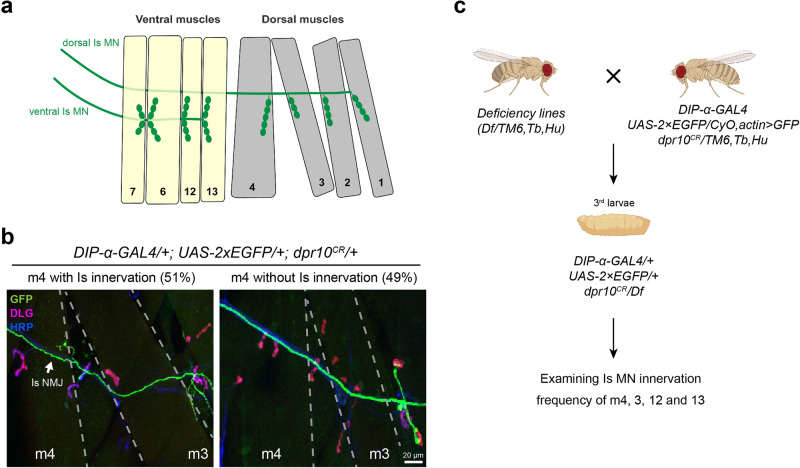 Figure 1
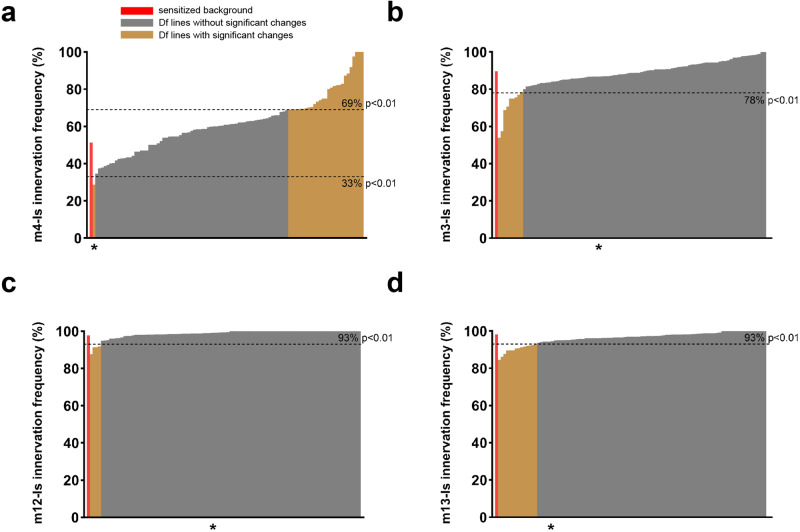 Figure 2
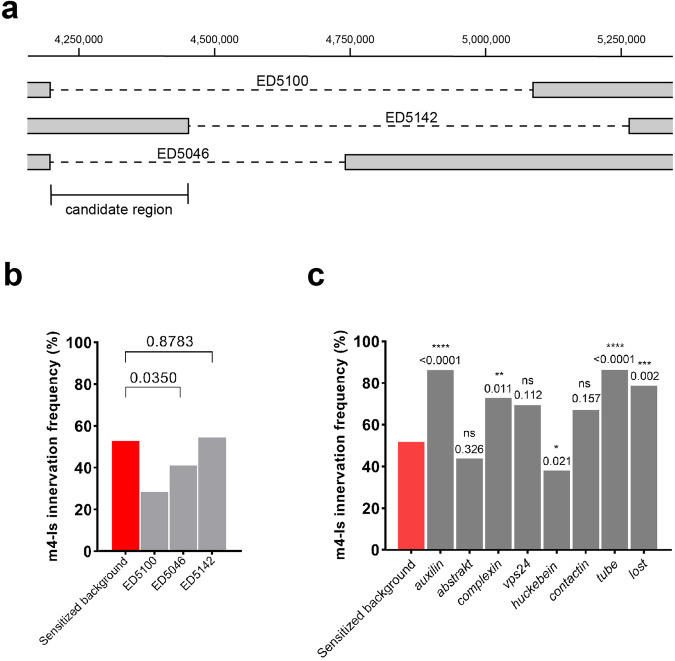 Figure 3
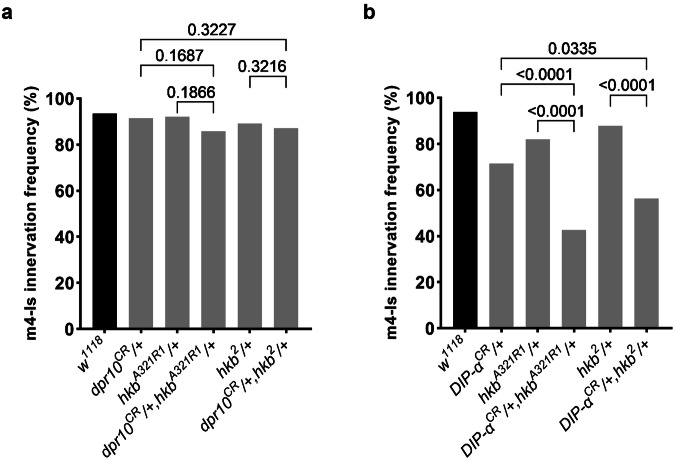 Figure 4
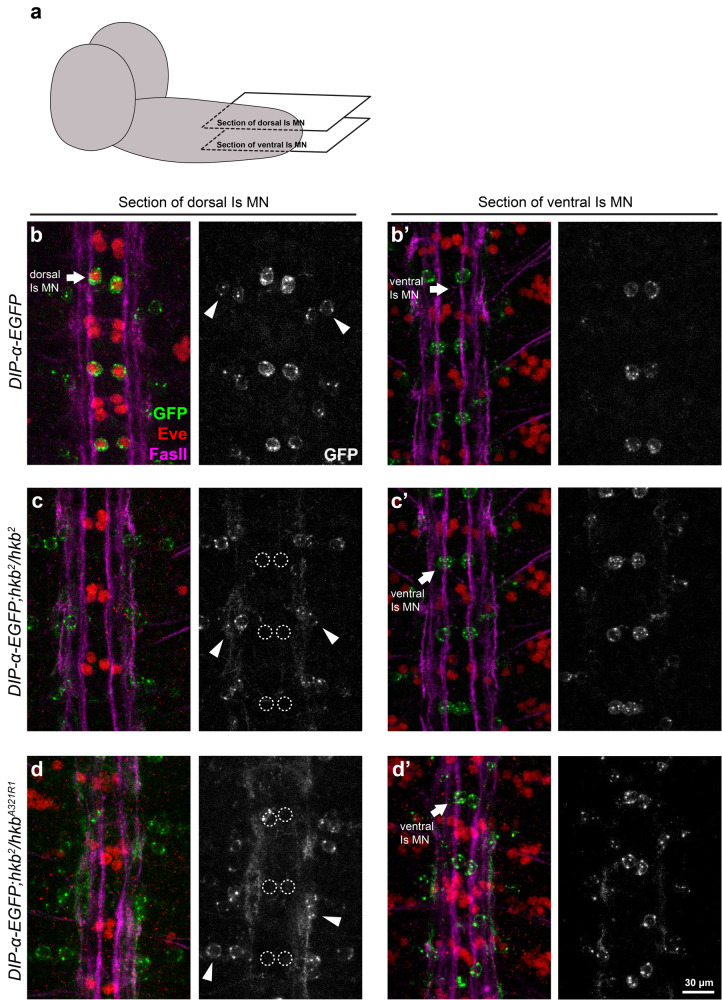 Figure 5
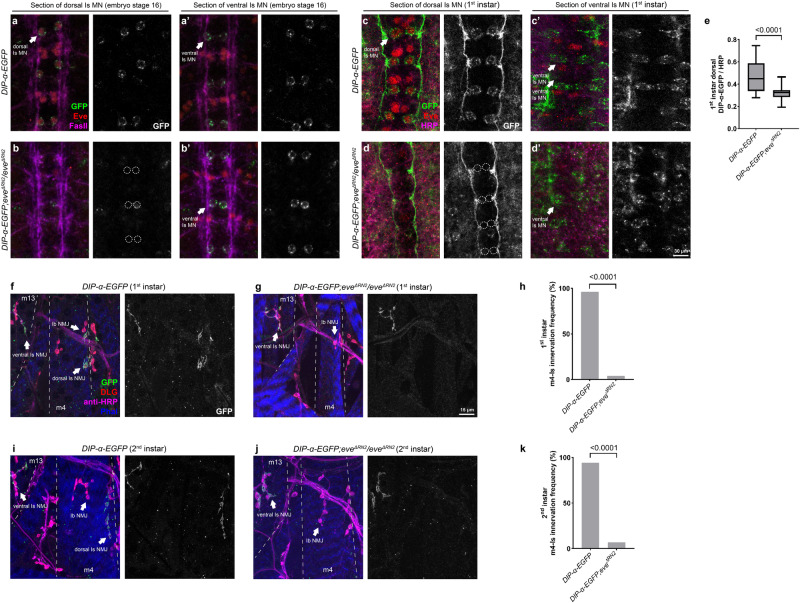 Figure 6
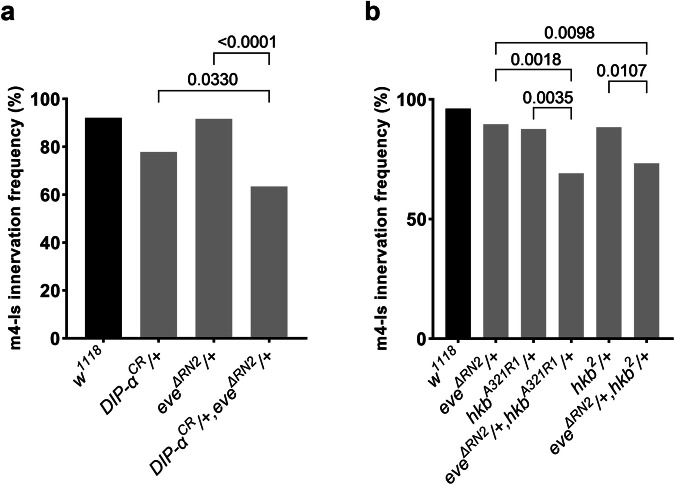 Figure 7
Peer Reviews
No public reviews on file for this paper yet. If you reviewed it on a platform where reviews are public (OpenReview, ICLR, NeurIPS, ICML), you can paste yours below so the community can read it here.
Videos
No videos yet. Explain this paper in a talk, walkthrough, or lecture? Add one.
Taxonomy
TopicsNeurobiology and Insect Physiology Research · Invertebrate Immune Response Mechanisms · Genetics, Aging, and Longevity in Model Organisms