Staphylococcus lugdunensis Endocarditis Presenting with Brain Abscesses and Temporal Vision Deficits
Matthew S. Linz, Diana Finkel, Eli S. Goshorn

TL;DR
A rare case of Staphylococcus lugdunensis endocarditis led to brain abscesses and vision issues, requiring valve replacement after initial culture tests failed.
Contribution
This case highlights the aggressive nature of S. lugdunensis endocarditis and the importance of molecular testing for accurate diagnosis.
Findings
S. lugdunensis was identified as the cause through molecular testing of valvular tissue.
The infection was complicated by brain abscesses and vision deficits.
The patient required mitral valve replacement due to progressive heart failure.
Abstract
Staphylococcus lugdunensis is a coagulase-negative staphylococcal bacterium (CoNS) that colonizes the skin. While infectious endocarditis (IE) caused by S. lugdunensis is rare, it is noteworthy because it has been associated with an aggressive clinical course. In this report, we present a case of culture-negative IE complicated by brain abscesses, vision deficits, and progressive heart failure that ultimately required mitral valve replacement. The causative agent was eventually identified as S. lugdunensis through molecular testing of valvular tissue.
Genes, proteins, chemicals, diseases, species, mutations and cell lines named across the full text — each resolved to its canonical identifier and authoritative record.
Click any figure to enlarge with its caption.
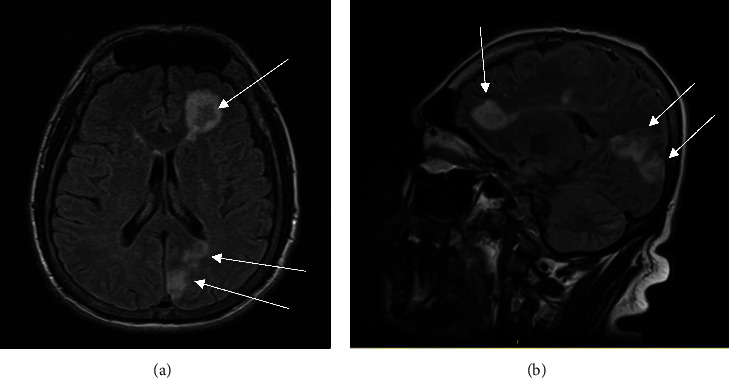 Figure 1
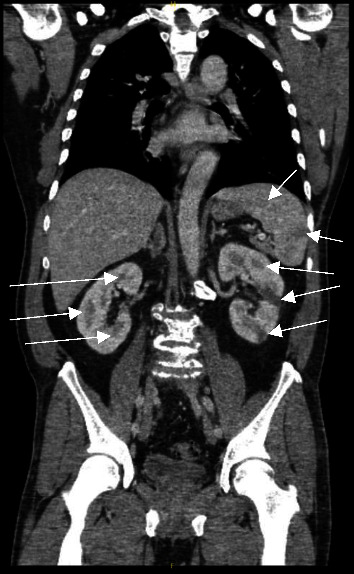 Figure 2
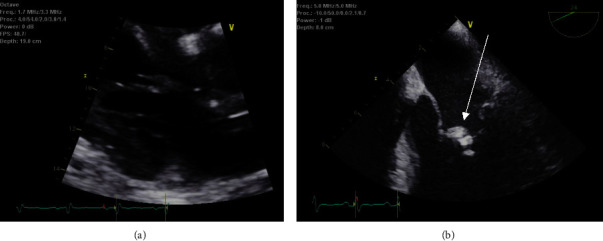 Figure 3
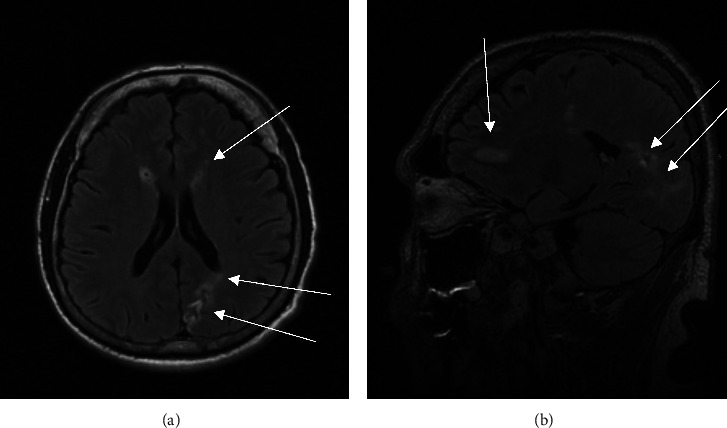 Figure 4
Peer Reviews
No public reviews on file for this paper yet. If you reviewed it on a platform where reviews are public (OpenReview, ICLR, NeurIPS, ICML), you can paste yours below so the community can read it here.
Videos
No videos yet. Explain this paper in a talk, walkthrough, or lecture? Add one.
Taxonomy
TopicsAntimicrobial Resistance in Staphylococcus · Infective Endocarditis Diagnosis and Management · Bacterial Identification and Susceptibility Testing