Bacteria in the blood of healthy stray dogs infested by ticks in northern Mexico
Fernando Mejía García, Sergio Iván Barraza Guerrero, Cristina García De la Peña, David Ramiro Aguillón Gutiérrez, Quetzaly Karmy Siller Rodríguez, César Alberto Meza Herrera, Felipe Vaca Paniagua, Clara Diaz Velásquez, Aldo De la Cruz Montoya, Luis Manuel Valenzuela Núñez

TL;DR
This study analyzed bacteria in the blood of stray dogs in northern Mexico to identify potential pathogens and zoonotic risks.
Contribution
The study reports the bacterial diversity and zoonotic potential in tick-infested stray dogs using next-generation sequencing.
Findings
620 bacterial species were identified, including 64 with pathogenic or zoonotic potential.
Some identified bacteria are linked to public health concerns like Anaplasma phagocytophilum and Ehrlichia canis.
New molecular techniques were used to document bacterial profiles in stray dogs near human populations.
Abstract
The objectives of this study were to determine the richness, abundance, and diversity of bacteria in stray dogs (Canis lupus familiaris) infested by ticks in Comarca Lagunera, northern Mexico, and to establish their pathogenic and or/zoonotic potential. Blood samples from 12 dogs were collected, and their deoxyribonucleic acid was extracted. The V3-V4 region of the 16S ribosomal ribunocleic acid gene was amplified by polymerase chain reaction. Next-generation sequencing (NGS) was performed on a MiSeq Illumina platform, and the data were analyzed using quantitative insights into microbial ecology. The operational taxonomic units resulted in 23 phyla, 54 classes, 89 orders, 189 families, 586 genera, and 620 bacterial species; among them, 64 species and/or bacterial genera with pathogenic or zoonotic potential were identified, some of which have been reported in the literature as…
Genes, proteins, chemicals, diseases, species, mutations and cell lines named across the full text — each resolved to its canonical identifier and authoritative record.
Click any figure to enlarge with its caption.
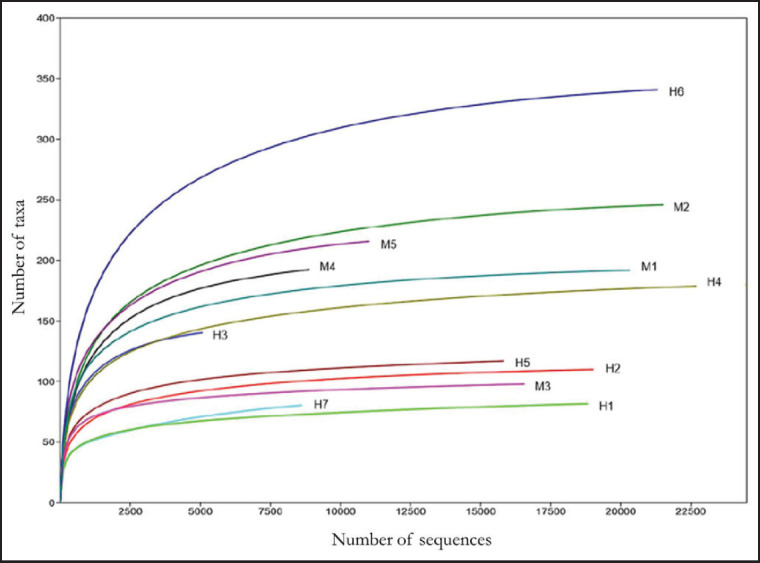 Figure 1
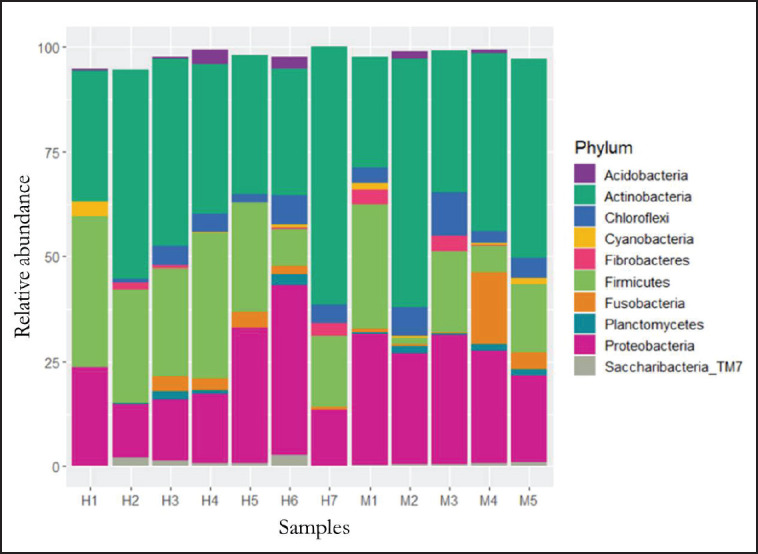 Figure 2
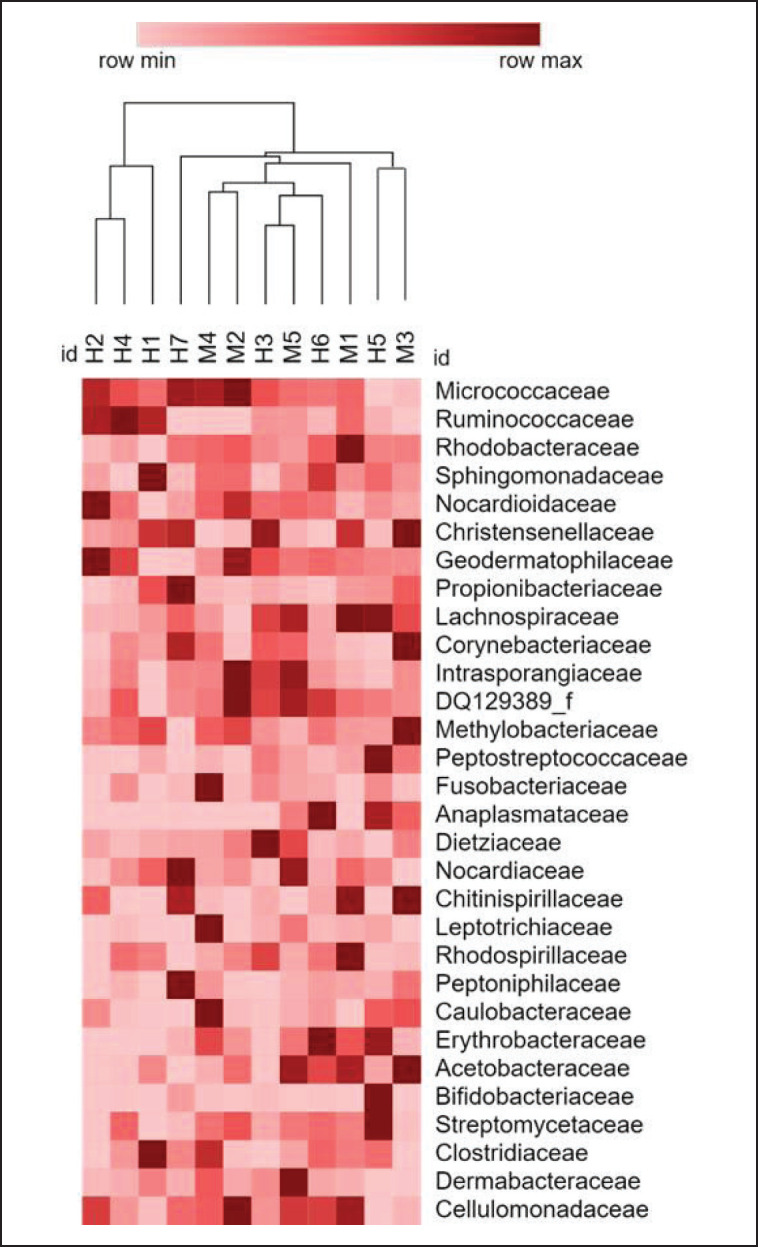 Figure 3
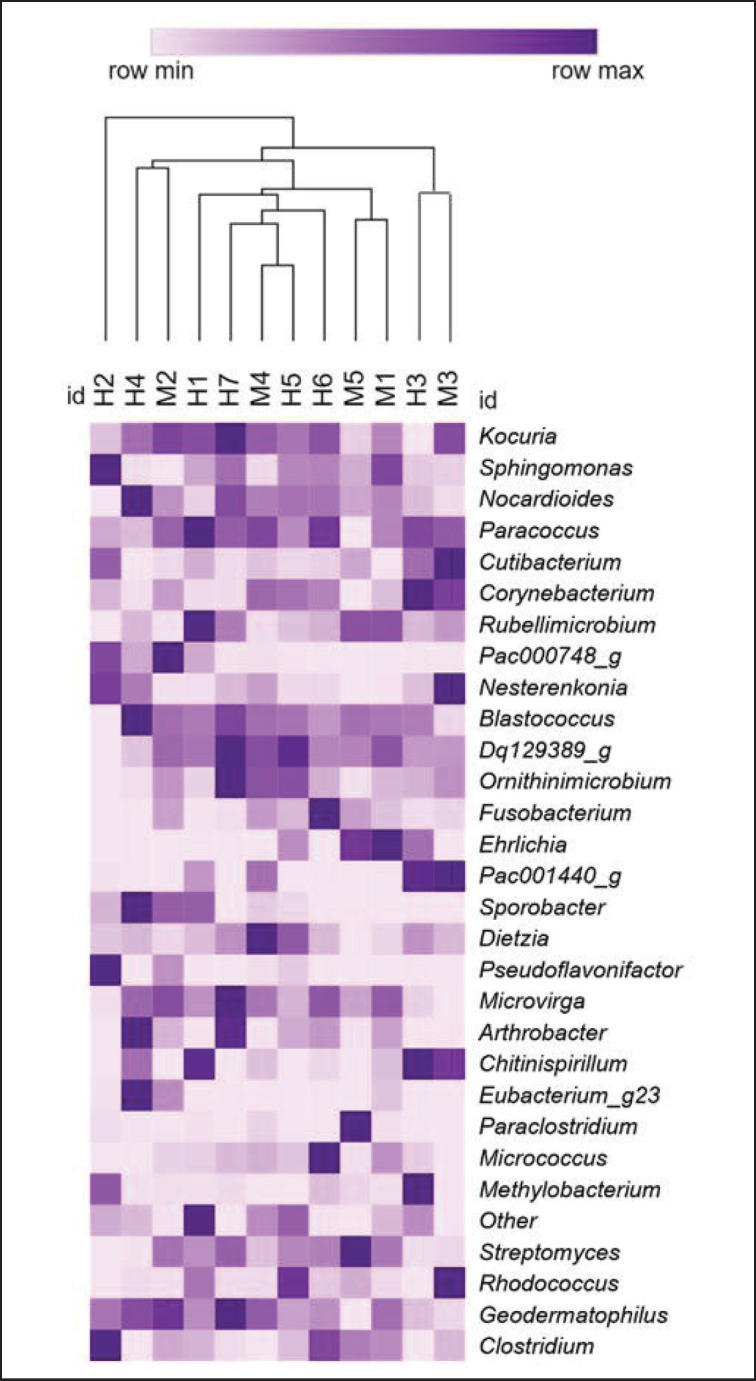 Figure 4
Peer Reviews
No public reviews on file for this paper yet. If you reviewed it on a platform where reviews are public (OpenReview, ICLR, NeurIPS, ICML), you can paste yours below so the community can read it here.
Videos
No videos yet. Explain this paper in a talk, walkthrough, or lecture? Add one.
Taxonomy
TopicsVector-borne infectious diseases · Viral Infections and Vectors · Rabies epidemiology and control