Based on HPLC and HS-GC-IMS Techniques, the Changes in the Internal Chemical Components of Schisandra chinensis (Turcz.) Baill. Fruit at Different Harvesting Periods Were Analyzed
Bowei Sun, Yiping Yan, Mingjie Ma, Jinli Wen, Yanli He, Yining Sun, Pengqiang Yuan, Peilei Xu, Yiming Yang, Zihao Zhao, Li Cao, Wenpeng Lu

TL;DR
This study analyzed how the chemical components of Schisandra chinensis fruit change over time to determine the best harvest periods for different uses.
Contribution
The study identifies optimal harvest times for maximizing lignans, organic acids, and volatile aroma compounds in Schisandra chinensis.
Findings
Lignan content peaks at 35 mg/g in late July, while organic acid content peaks at 72.34 mg/g in early September.
Volatile flavor substances are highest in early August, with terpinolene identified as a key aroma compound.
The study provides a theoretical basis for harvesting Schisandra chinensis for specific pharmacological and aromatic uses.
Abstract
Schisandra chinensis, as a traditional Chinese herbal medicine, has clear pharmacological effects such as treating asthma, protecting nerves and blood vessels, and having anti-inflammatory properties. Although the Schisandra chinensis fruit contain multiple active components, the lignans have been widely studied as the primary pharmacologically active compound. The volatile chemical components of Schisandra chinensis include a large amount of terpenes, which have been proven to have broad pharmacological activities. However, when to harvest to ensure the highest accumulation of pharmacologically active components in Schisandra chinensis fruits is a critical issue. The Schisandra chinensis fruit trees in the resource nursery were all planted in 2019 and began bearing fruit in 2021. Their nutritional status and tree vigor remain consistently good. The content of lignans and organic acids…
Genes, proteins, chemicals, diseases, species, mutations and cell lines named across the full text — each resolved to its canonical identifier and authoritative record.
Click any figure to enlarge with its caption.
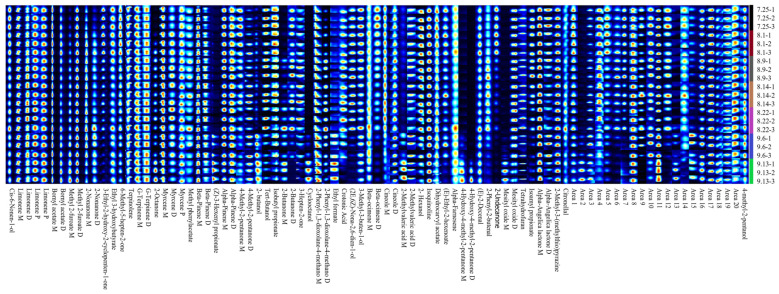 Figure 1
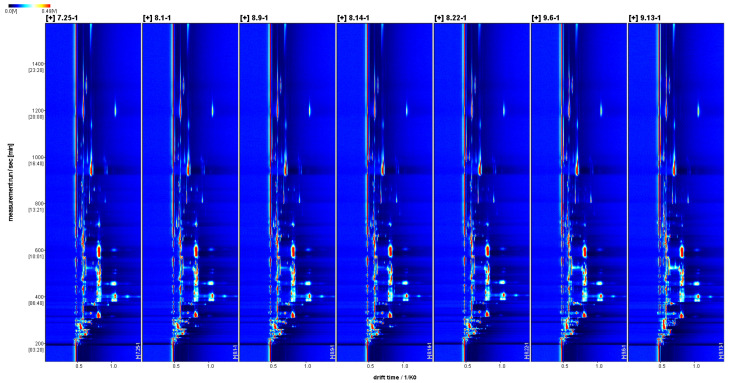 Figure 2
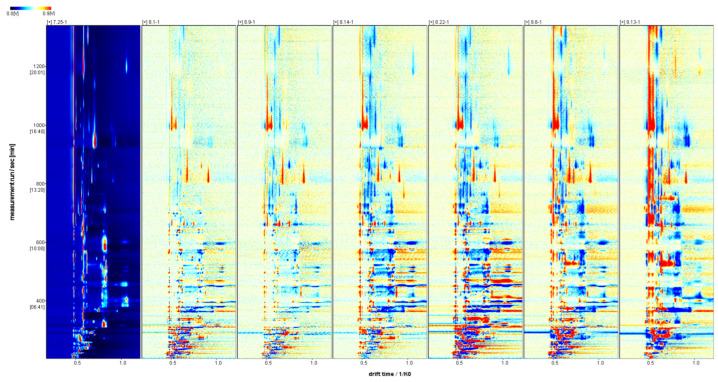 Figure 3
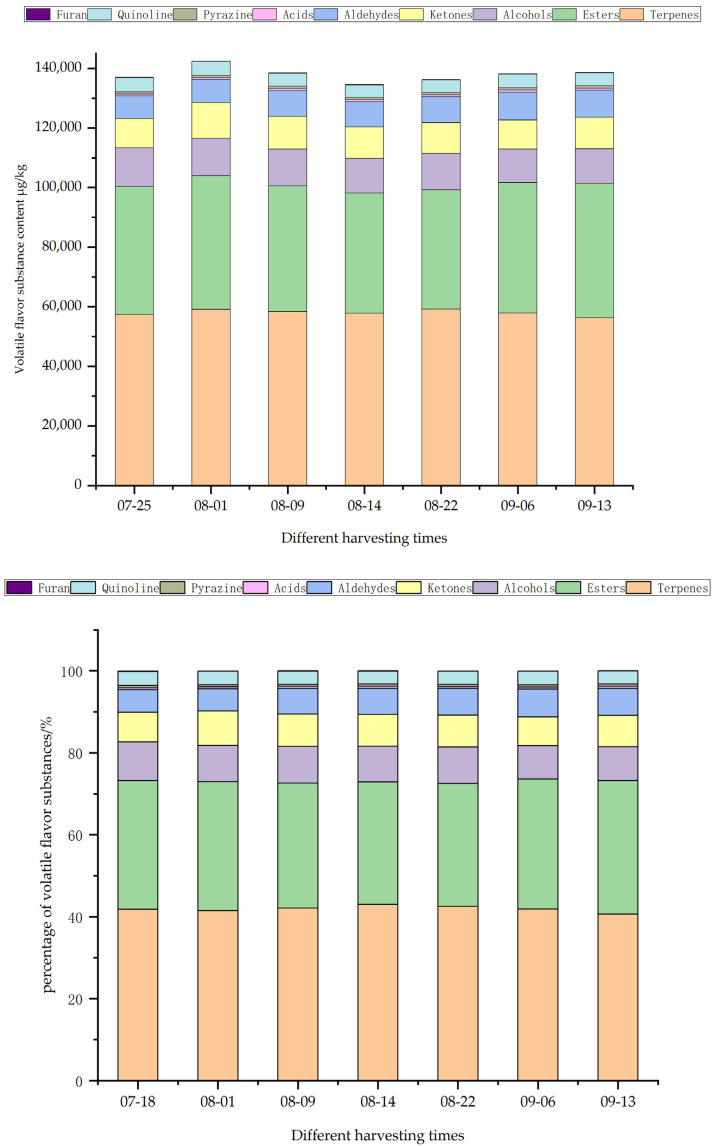 Figure 4
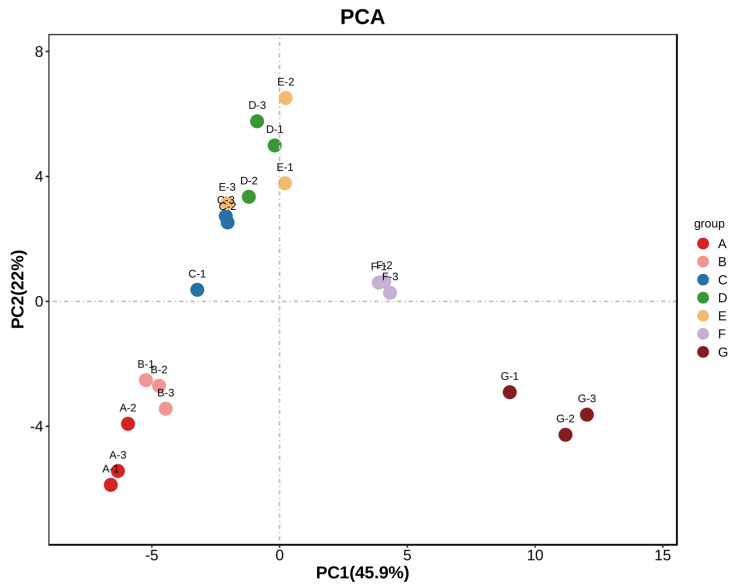 Figure 5
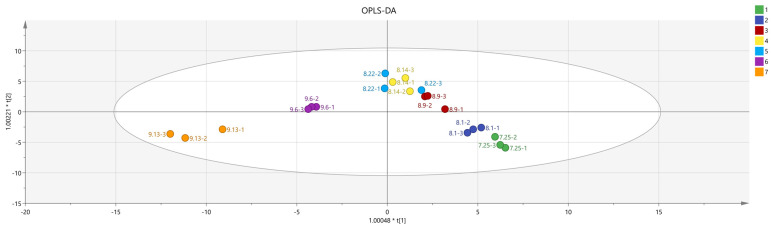 Figure 6
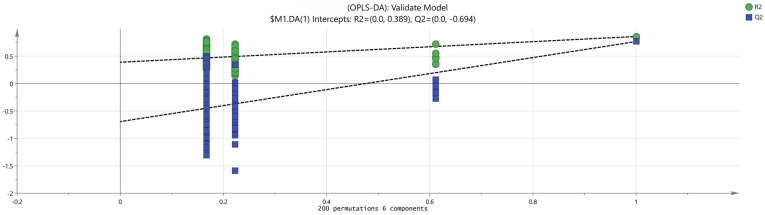 Figure 7
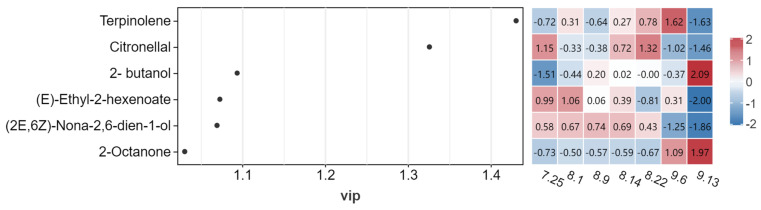 Figure 8
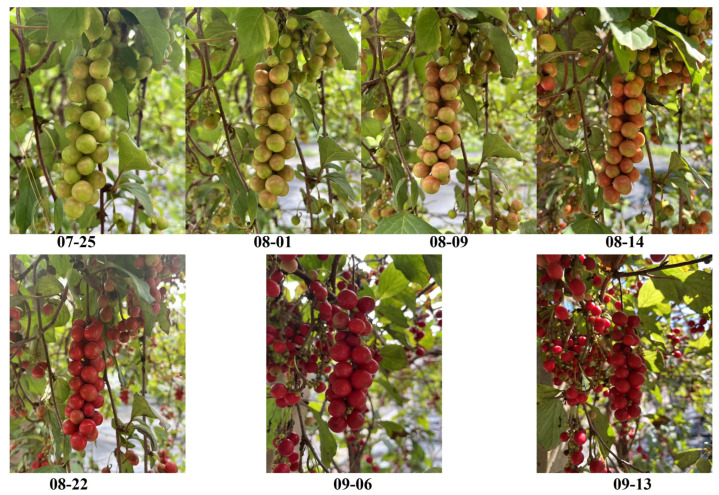 Figure 9
Peer Reviews
No public reviews on file for this paper yet. If you reviewed it on a platform where reviews are public (OpenReview, ICLR, NeurIPS, ICML), you can paste yours below so the community can read it here.
Videos
No videos yet. Explain this paper in a talk, walkthrough, or lecture? Add one.
Taxonomy
TopicsElectromagnetic Compatibility and Noise Suppression