Preparation of Hydrophobic Au Catalyst and Application in One-Step Oxidative Esterification of Methacrolein to Methyl Methacrylate
Yanxia Zheng, Yubo Yang, Yixuan Li, Lu Cai, Xuanjiao Zhao, Bing Xue, Yuchao Li, Jiutao An, Jialiang Zhang

TL;DR
This paper describes a hydrophobic gold catalyst that improves the efficiency of converting methacrolein to methyl methacrylate by resisting water interference.
Contribution
A novel hydrophobic Au/ZnO catalyst with a high MMA selectivity was developed using a silicon shell and TMCS modification.
Findings
The hydrophobic catalyst achieved over 95% MMA selectivity at 80°C.
The catalyst had a water droplet contact angle of 111.2°, indicating strong hydrophobicity.
Kinetic analysis showed an activation energy of 22.44 kJ/mol for the reaction.
Abstract
The water produced during the oxidative esterification reaction occupies the active sites and reduces the activity of the catalyst. In order to reduce the influence of water on the reaction system, a hydrophobic catalyst was prepared for the one-step oxidative esterification of methylacrolein (MAL) and methanol. The catalyst was synthesized by loading the active component Au onto ZnO using the deposition–precipitation method, followed by constructing the silicon shell on Au/ZnO using tetraethoxysilane (TEOS) to introduce hydrophobic groups. Trimethylchlorosilane (TMCS) was used as a hydrophobic modification reagent to prepare hydrophobic catalysts, which exhibited a water droplet contact angle of 111.2°. At a temperature of 80 °C, the hydrophobic catalyst achieved a high MMA selectivity of over 95%. The samples were characterized using XRD, N2 adsorption, ICP, SEM, TEM, UV-vis, FT-IR,…
Genes, proteins, chemicals, diseases, species, mutations and cell lines named across the full text — each resolved to its canonical identifier and authoritative record.
Click any figure to enlarge with its caption.
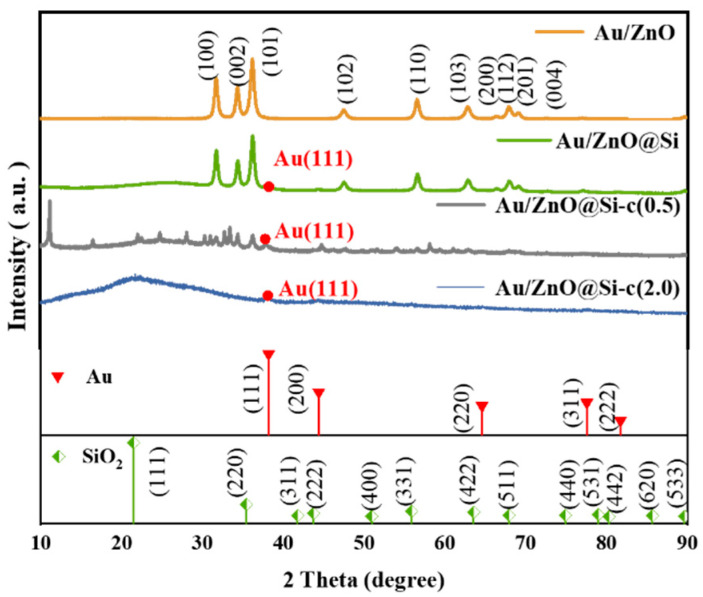 Figure 1
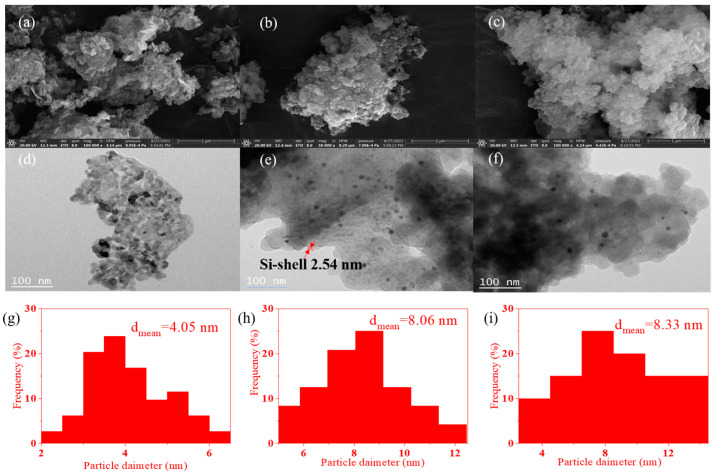 Figure 2
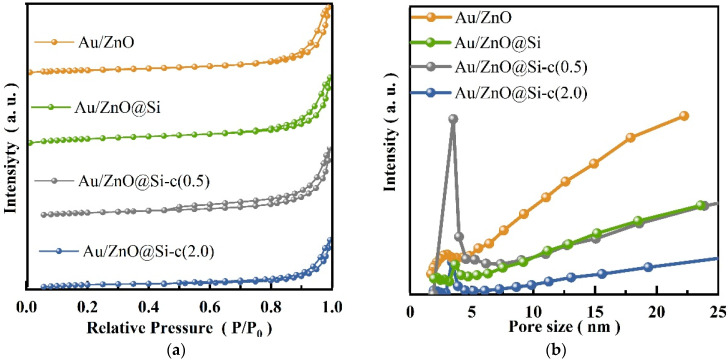 Figure 3
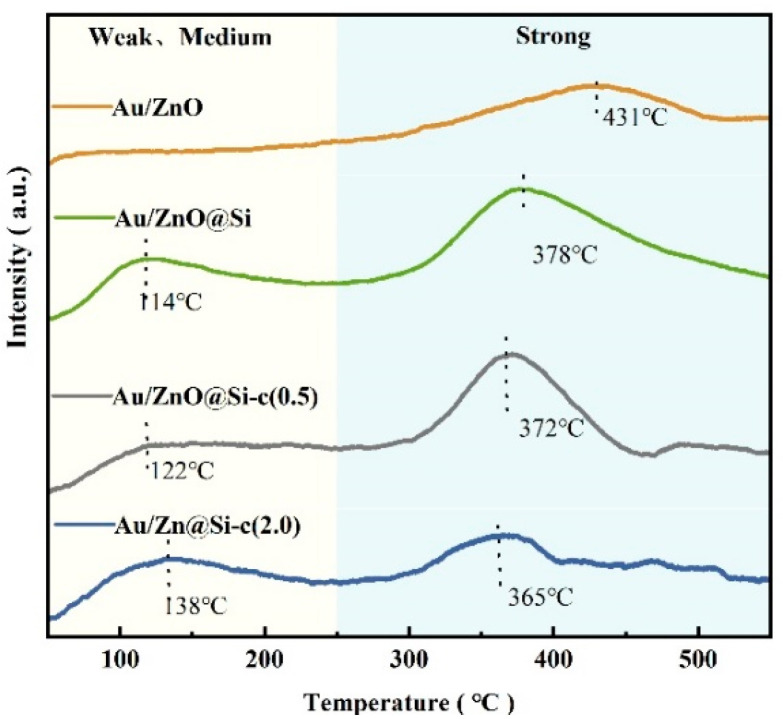 Figure 4
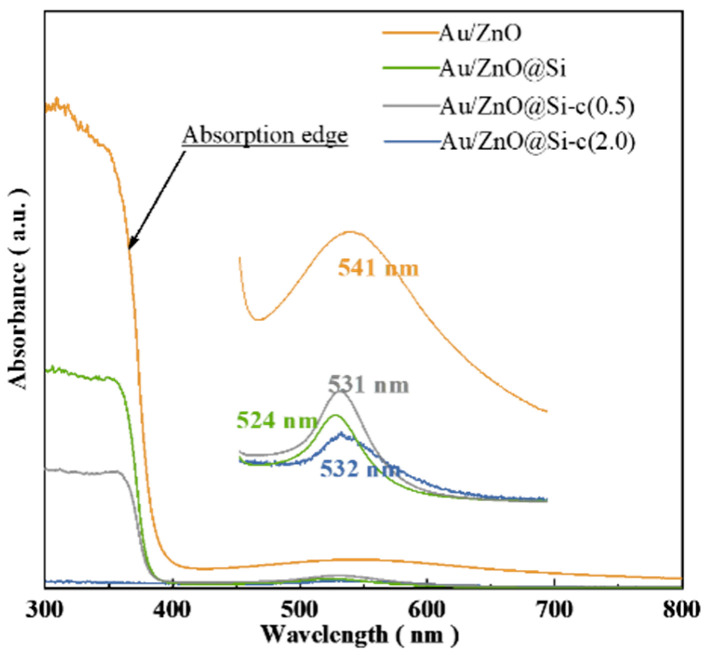 Figure 5
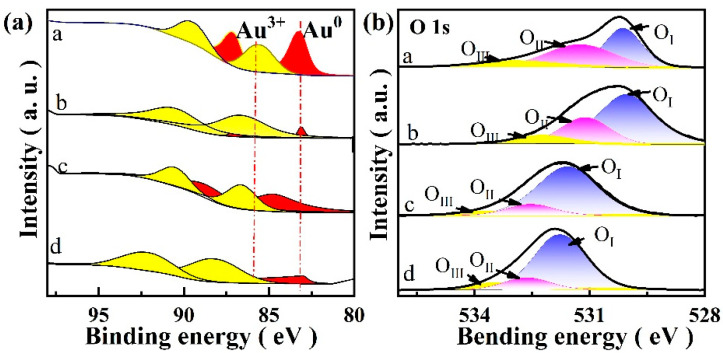 Figure 6
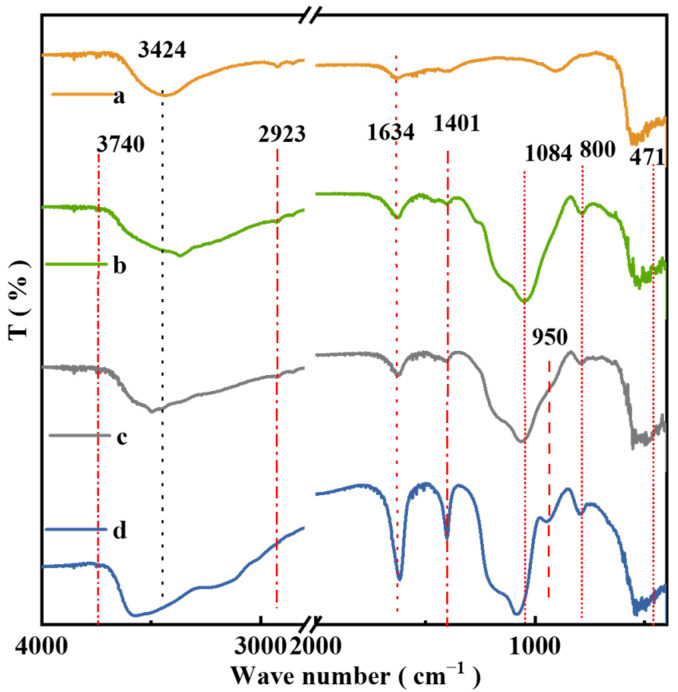 Figure 7
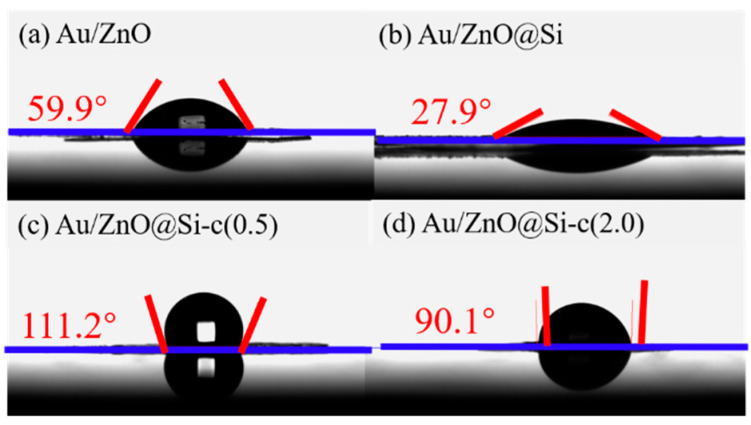 Figure 8
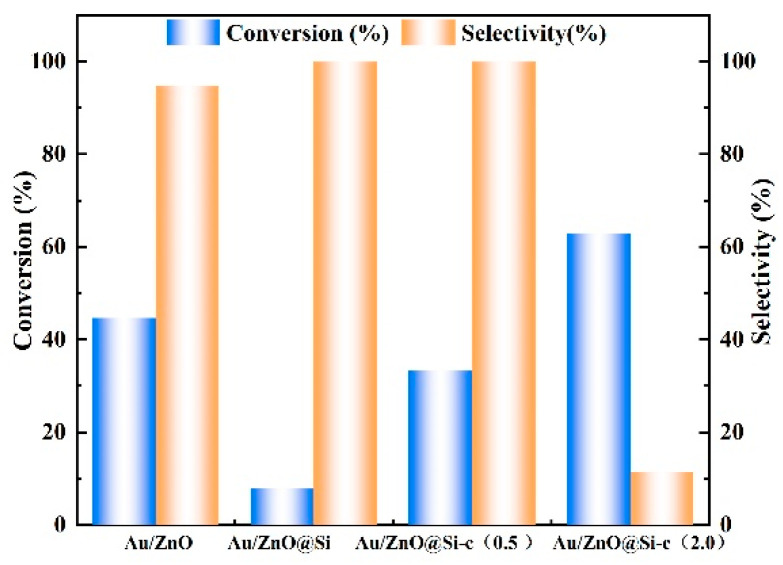 Figure 9
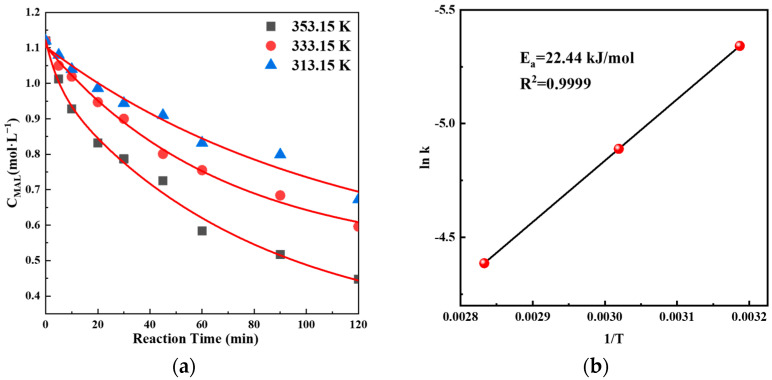 Figure 10
Peer Reviews
No public reviews on file for this paper yet. If you reviewed it on a platform where reviews are public (OpenReview, ICLR, NeurIPS, ICML), you can paste yours below so the community can read it here.
Videos
No videos yet. Explain this paper in a talk, walkthrough, or lecture? Add one.
Taxonomy
TopicsAtomic and Subatomic Physics Research · Renal function and acid-base balance · Hemodynamic Monitoring and Therapy