Methyl-Jasmonate Functions as a Molecular Switch Promoting Cross-Talk between Pathways for the Biosynthesis of Isoprenoid Backbones Used to Modify Proteins in Plants
Quentin Chevalier, Alexandre Huchelmann, Pauline Debié, Pierre Mercier, Michael Hartmann, Catherine Vonthron-Sénécheau, Thomas J. Bach, Hubert Schaller, Andréa Hemmerlin

TL;DR
The study shows that methyl-jasmonate helps switch between different biochemical pathways in plants to modify proteins.
Contribution
Methyl-jasmonate is shown to promote metabolic cross-talk, allowing protein farnesyltransferase to modify a substrate it normally does not recognize.
Findings
Methyl-jasmonate allows PFT to modify the GFP-CaM-CVIL sensor in the presence of fosmidomycin.
MVA or MVA-derived metabolites are key intermediates in the switch of prenyl group origin for protein modification.
Abstract
In plants, the plastidial mevalonate (MVA)-independent pathway is required for the modification with geranylgeranyl groups of CaaL-motif proteins, which are substrates of protein geranylgeranyltransferase type-I (PGGT-I). As a consequence, fosmidomycin, a specific inhibitor of 1-deoxy-d-xylulose (DX)-5 phosphate reductoisomerase/DXR, the second enzyme in this so-called methylerythritol phosphate (MEP) pathway, also acts as an effective inhibitor of protein prenylation. This can be visualized in plant cells by confocal microscopy by expressing GFP-CaM-CVIL, a prenylation sensor protein. After treatment with fosmidomycin, the plasma membrane localization of this GFP-based sensor is altered, and a nuclear distribution of fluorescence is observed instead. In tobacco cells, a visual screen of conditions allowing membrane localization in the presence of fosmidomycin identified jasmonic acid…
Genes, proteins, chemicals, diseases, species, mutations and cell lines named across the full text — each resolved to its canonical identifier and authoritative record.
Click any figure to enlarge with its caption.
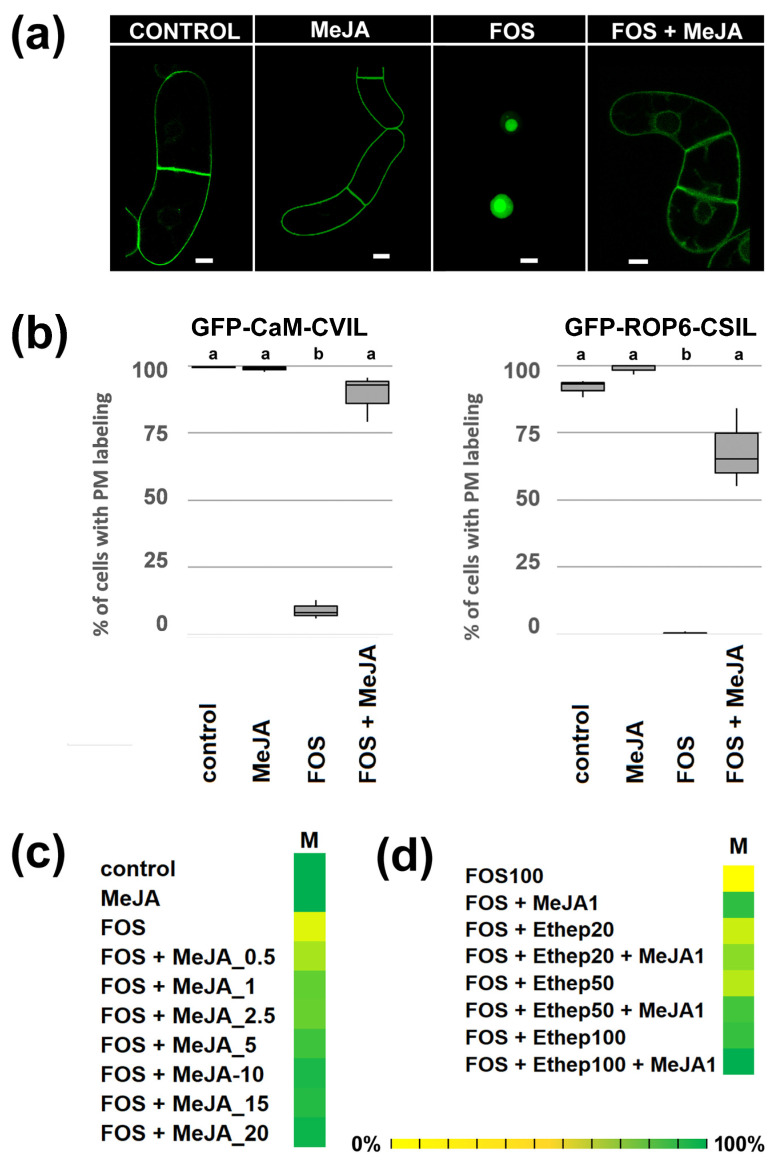 Figure 1
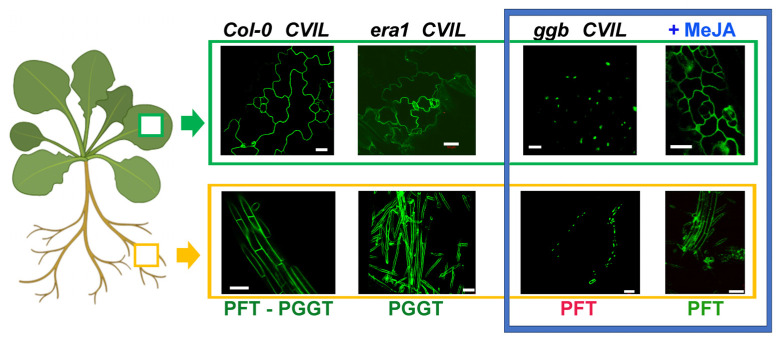 Figure 2
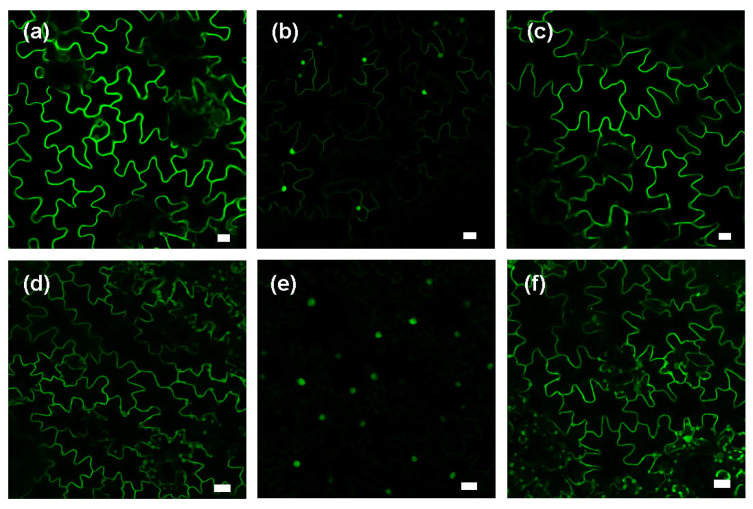 Figure 3
 Figure 4
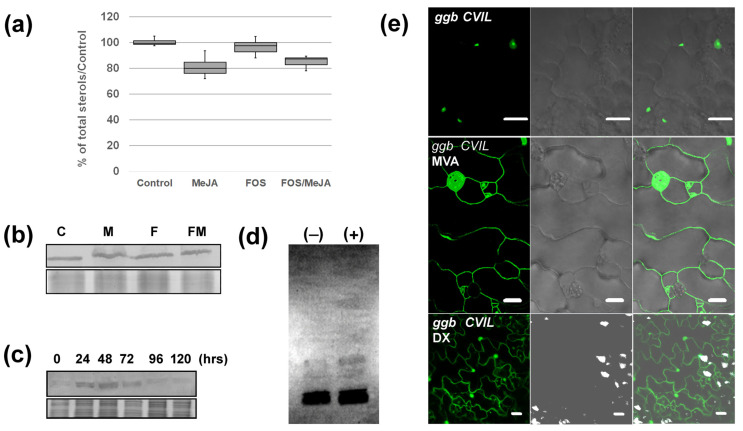 Figure 5
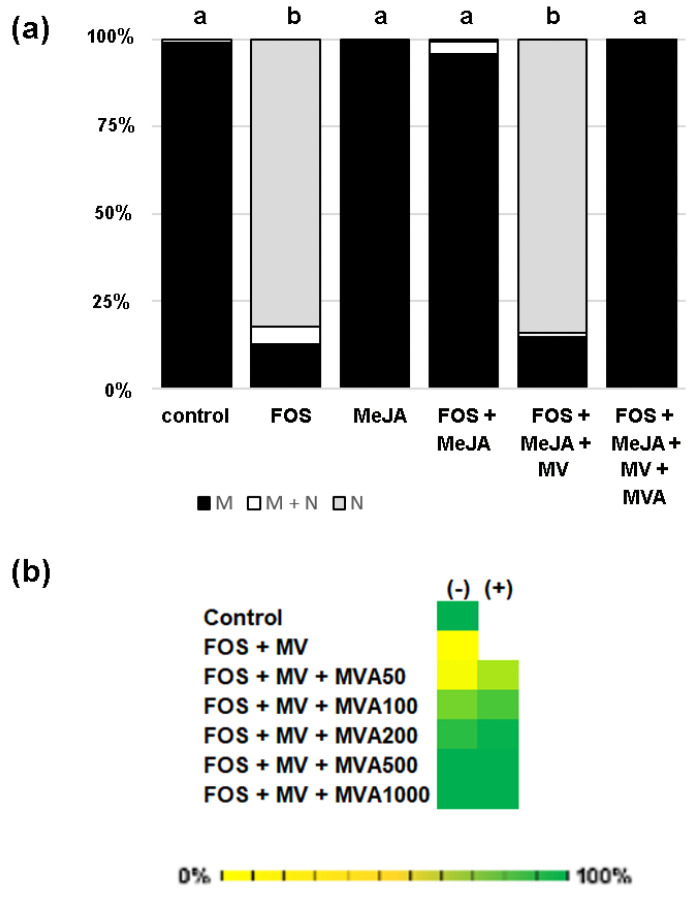 Figure 6
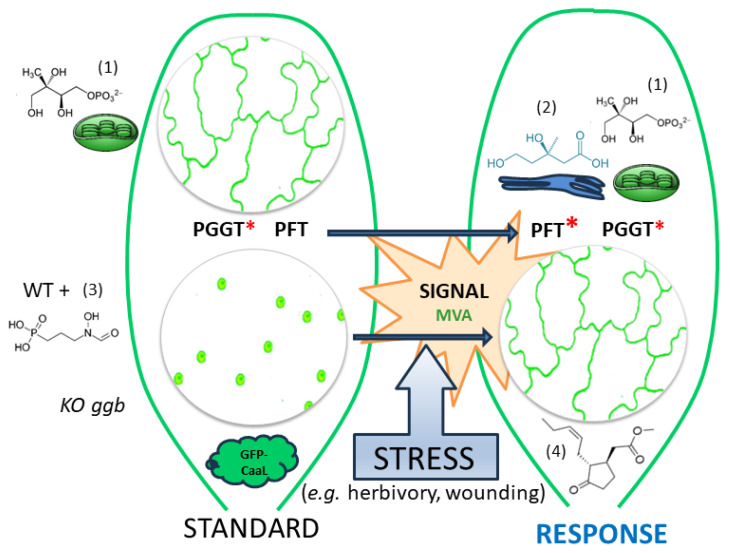 Figure 7
Peer Reviews
No public reviews on file for this paper yet. If you reviewed it on a platform where reviews are public (OpenReview, ICLR, NeurIPS, ICML), you can paste yours below so the community can read it here.
Videos
No videos yet. Explain this paper in a talk, walkthrough, or lecture? Add one.
Taxonomy
TopicsPlant biochemistry and biosynthesis · Antioxidant Activity and Oxidative Stress · Plant Gene Expression Analysis