Bond Formation at C8 in the Nucleoside and Nucleotide Purine Scaffold: An Informative Selection
Kjell Undheim

TL;DR
This paper explores chemical methods to modify the C8 position of purine nucleosides and nucleotides, focusing on bond formation techniques.
Contribution
The paper introduces new methods for selective and functional-tolerant C8 bond formation in purine scaffolds.
Findings
Metal-promoted cross-coupling reactions enable efficient carbylation at the C8 position.
Direct oxidative metalation using sterically hindered metal amides provides high selectivity and simplicity.
Metal-assisted reactions are effective for both nucleobases and their glycosides.
Abstract
This paper presents methods for the introduction and exchange of substituents in a nucleobase and its nucleosides and nucleotides with emphasis on the C8-position in the purine skeleton. The nucleobase is open for electrophilic and nucleophilic chemistry. The nucleophilic chemistry consists mainly of displacement reactions when the C8-substituent is a good leaving group such as a halogen atom. The heteroatom in amines, sulfides, or oxides is a good nucleophile. Halides are good reaction partners. Metal-promoted cross-coupling reactions are important for carbylations. Direct oxidative metalation reactions using sterically hindered metal amides offer chemo- and regio-selectivity besides functional tolerance and simplicity. The carbon site is highly nucleophilic after metalation and adds electrophiles resulting in chemical bond formation. Conditions for metal-assisted reactions are…
Click any figure to enlarge with its caption.
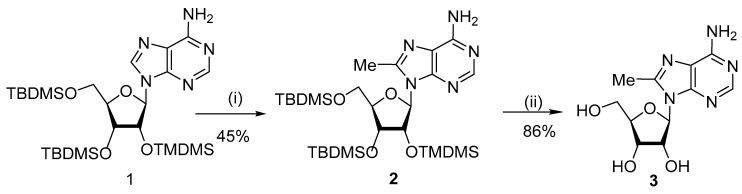 Figure 1
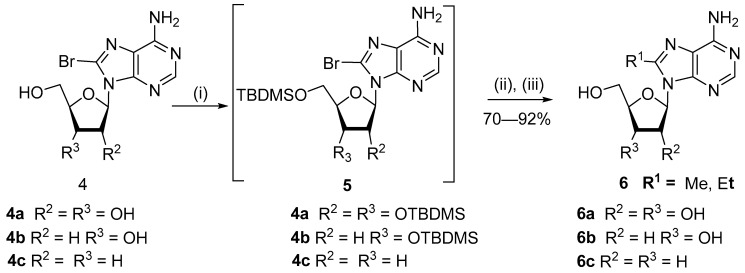 Figure 2
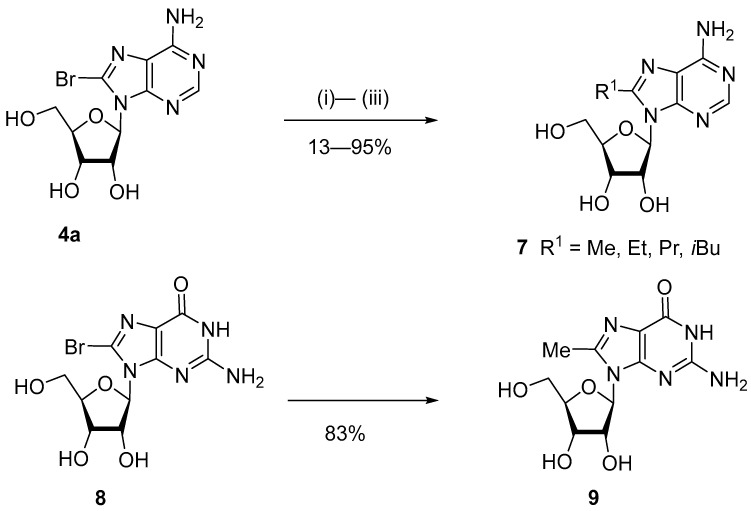 Figure 3
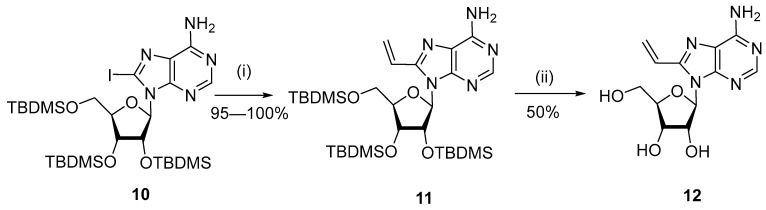 Figure 4
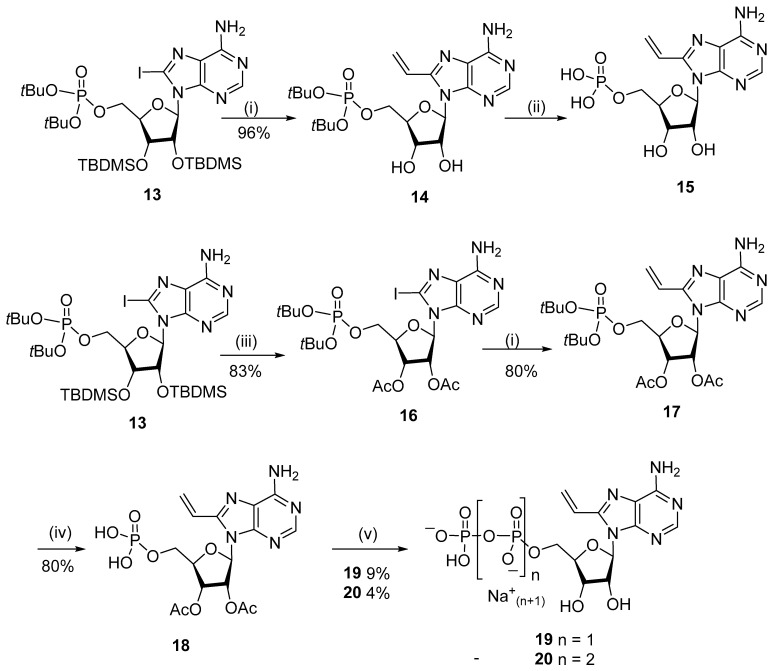 Figure 5
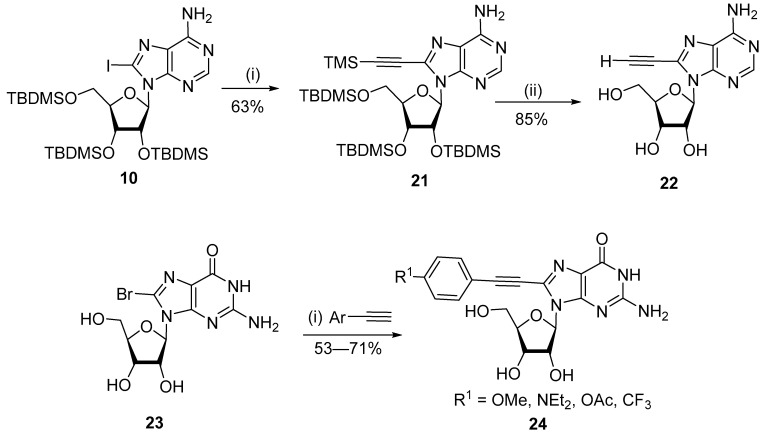 Figure 6
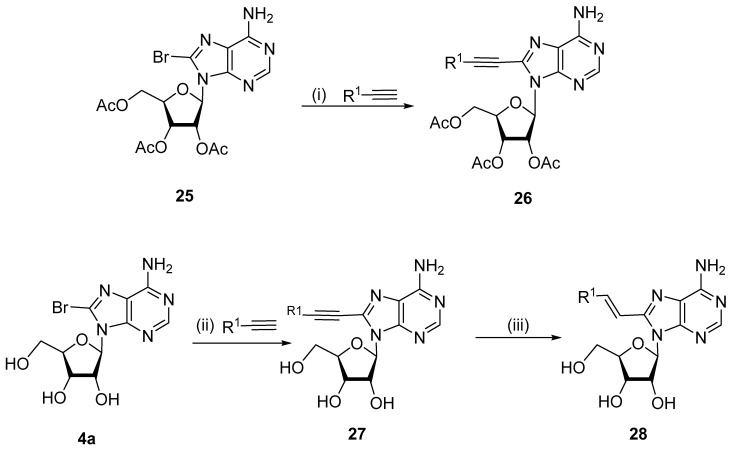 Figure 7
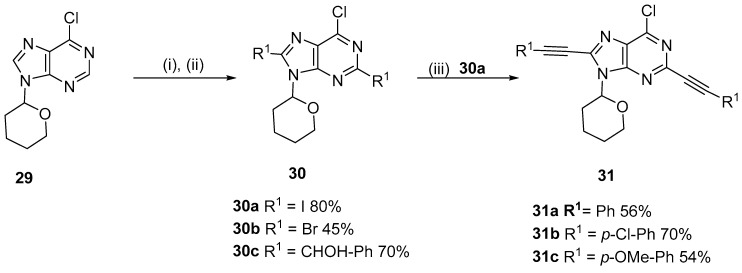 Figure 8
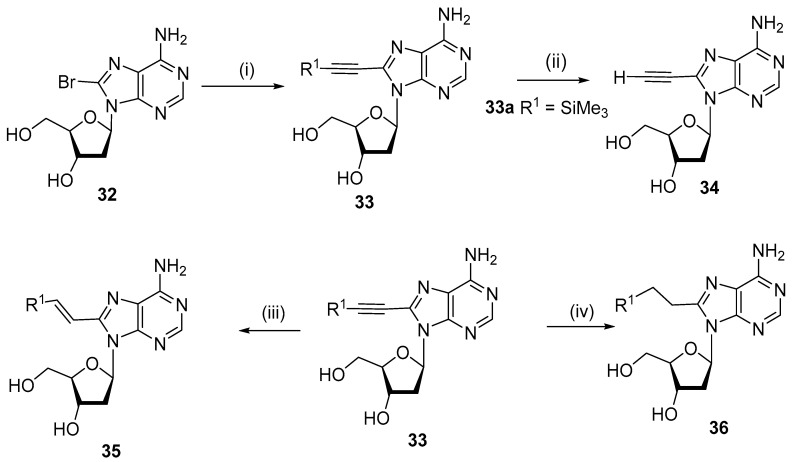 Figure 9
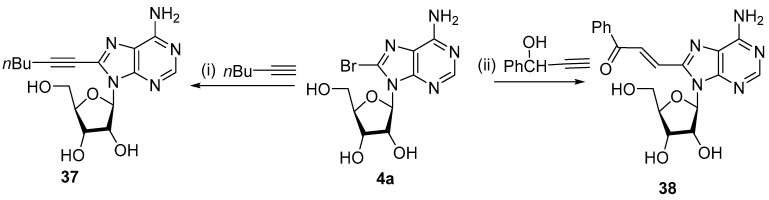 Figure 10
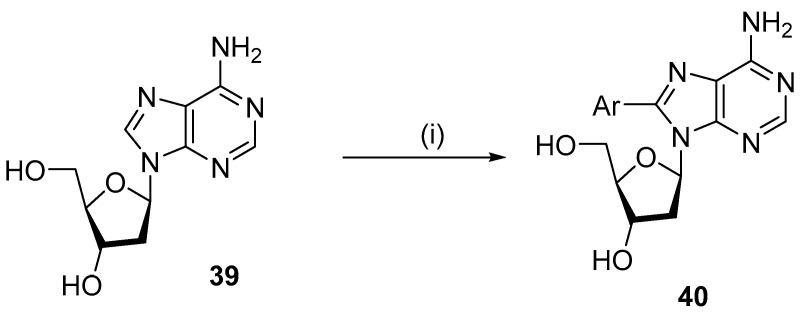 Figure 11
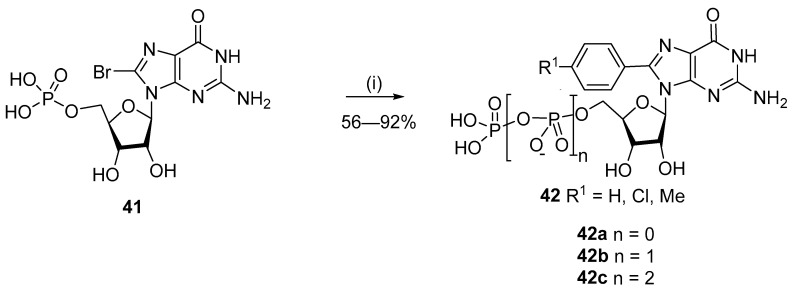 Figure 12
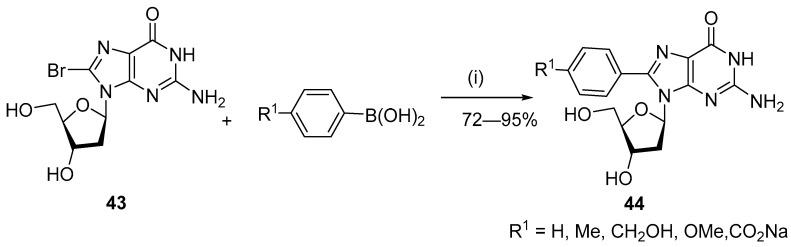 Figure 13
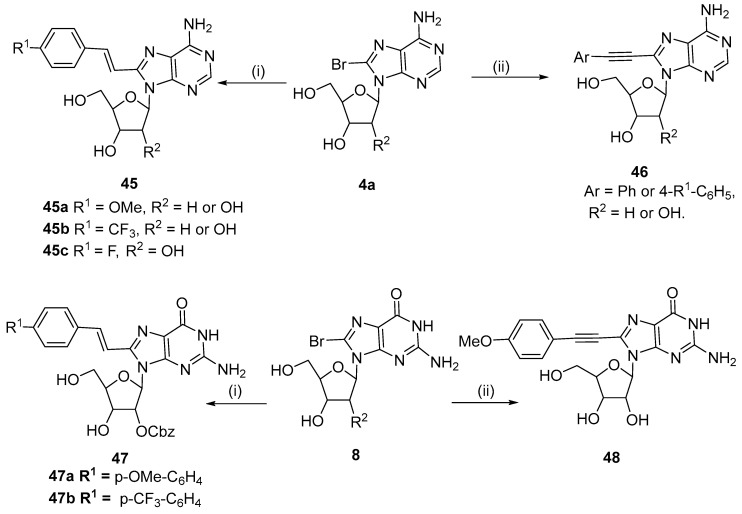 Figure 14
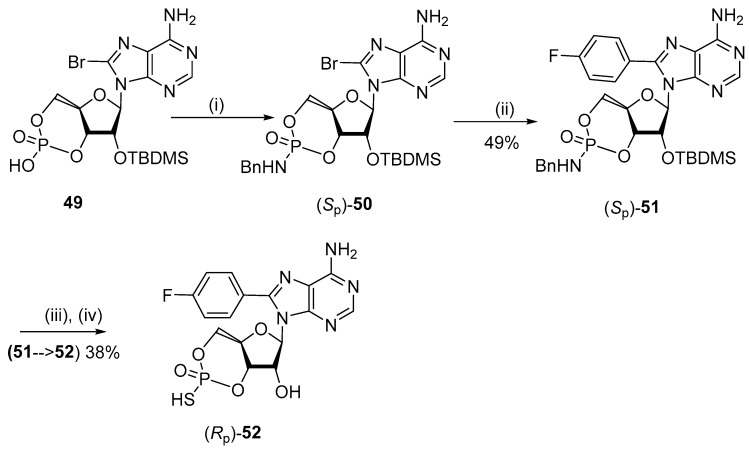 Figure 15
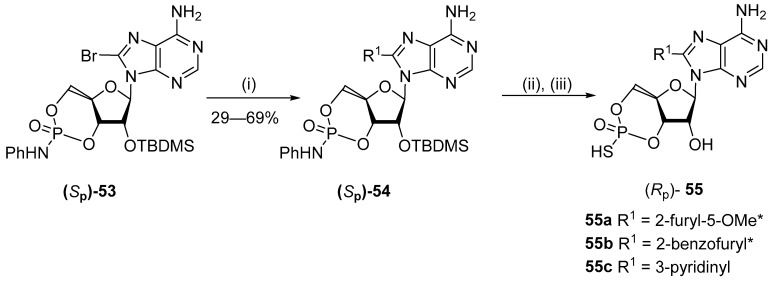 Figure 16
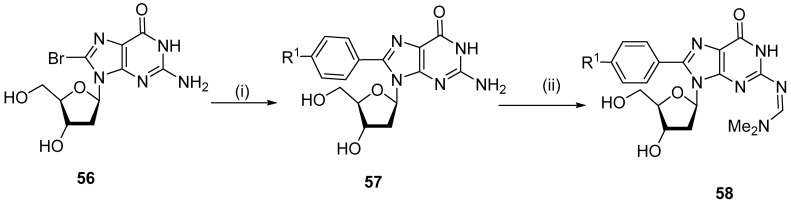 Figure 17
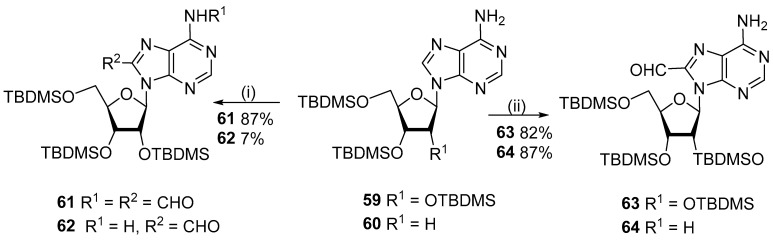 Figure 18
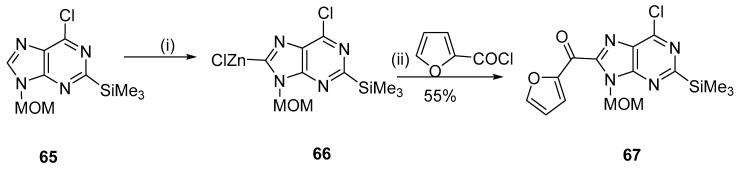 Figure 19
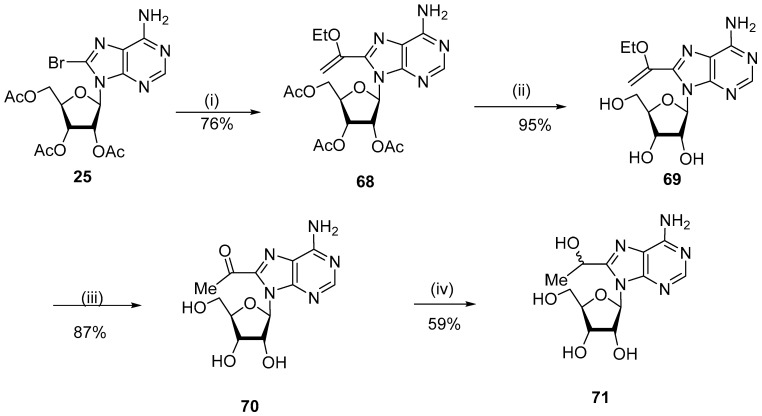 Figure 20
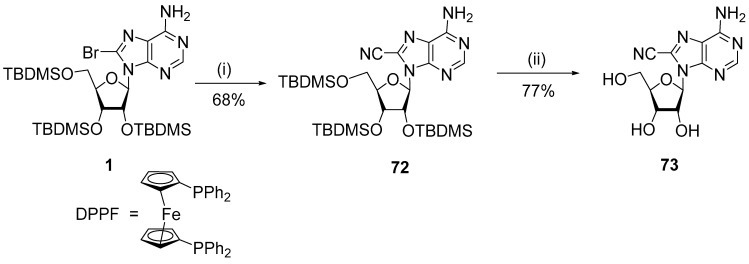 Figure 21
 Figure 22
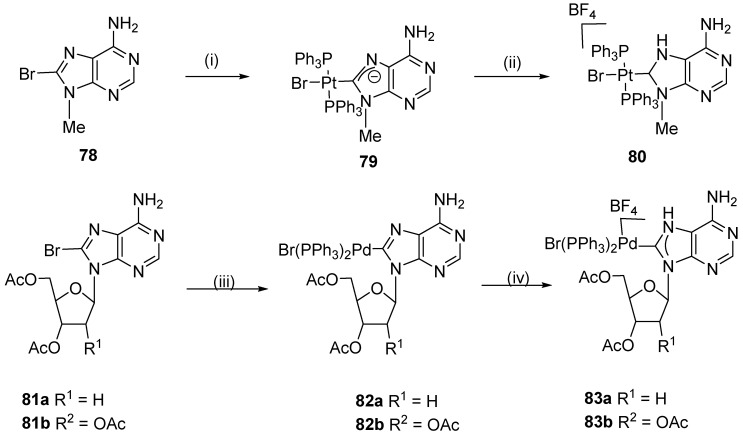 Figure 23
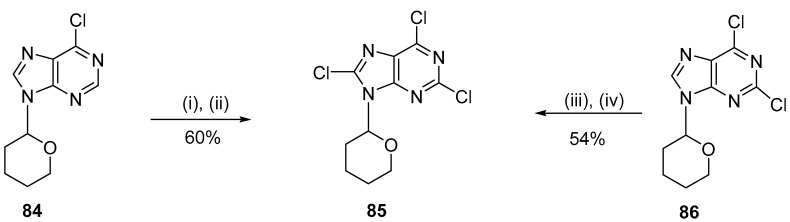 Figure 24
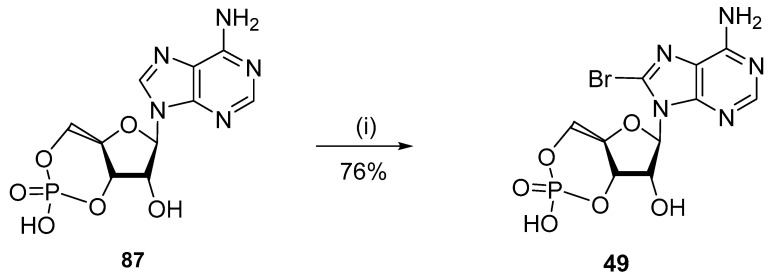 Figure 25
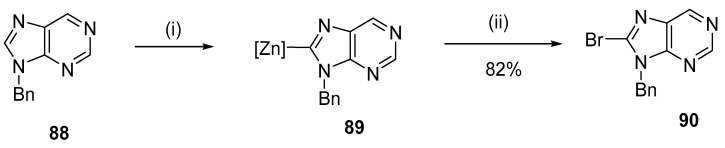 Figure 26
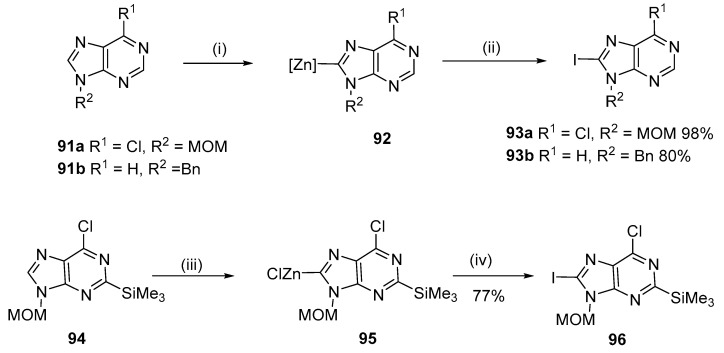 Figure 27
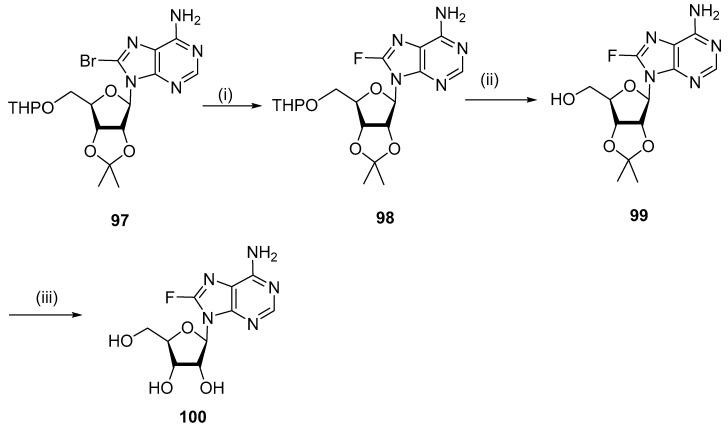 Figure 28
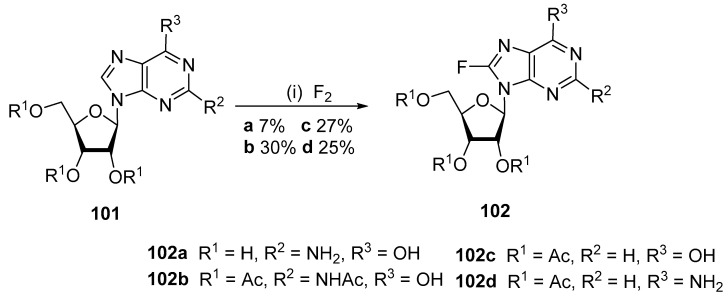 Figure 29
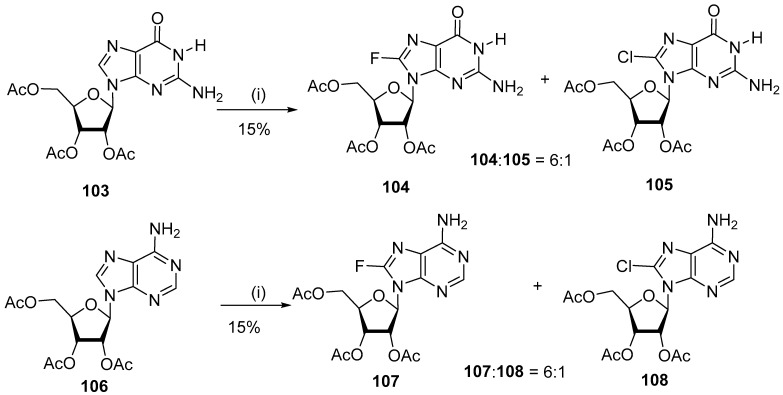 Figure 30
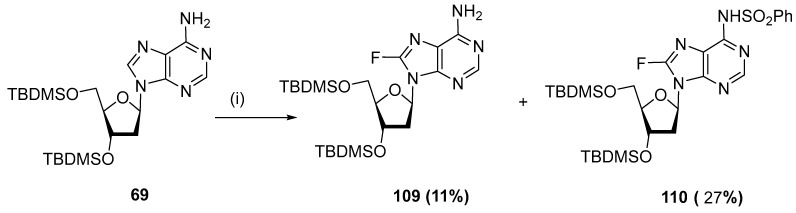 Figure 31
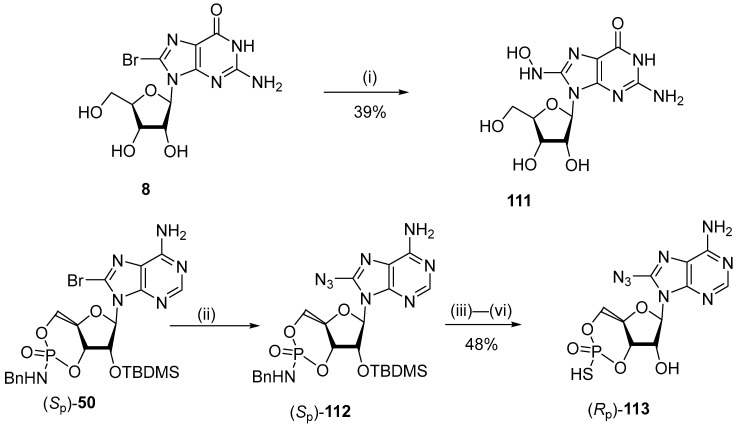 Figure 32
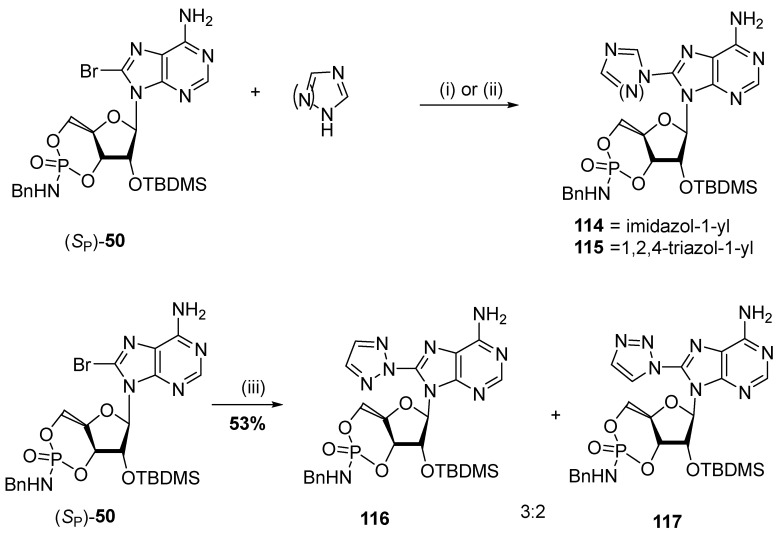 Figure 33
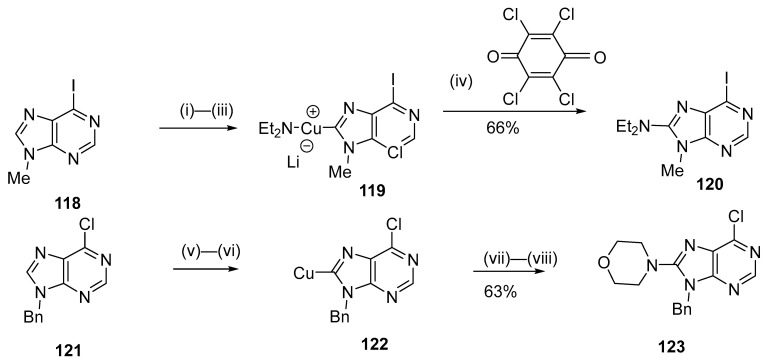 Figure 34
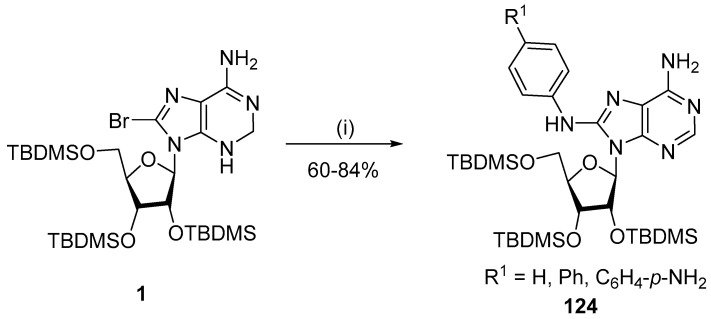 Figure 35
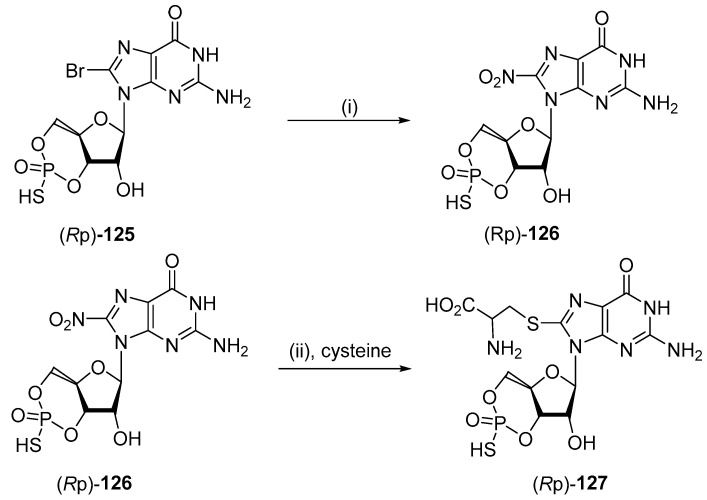 Figure 36
 Figure 37
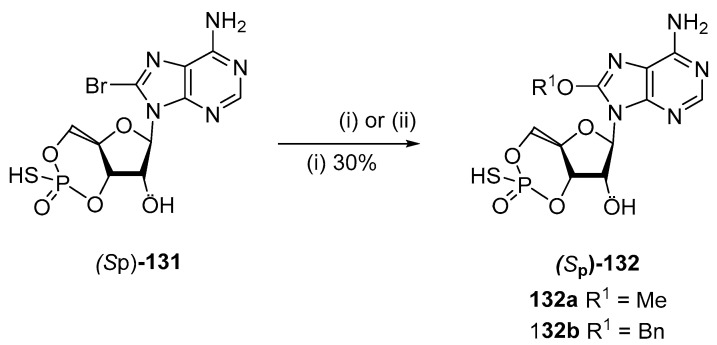 Figure 38
Peer Reviews
No public reviews on file for this paper yet. If you reviewed it on a platform where reviews are public (OpenReview, ICLR, NeurIPS, ICML), you can paste yours below so the community can read it here.
Videos
No videos yet. Explain this paper in a talk, walkthrough, or lecture? Add one.
Taxonomy
TopicsCoordination Chemistry and Organometallics · Organoboron and organosilicon chemistry · Chemical Synthesis and Analysis