Modeling of Self-Aligned Selector Based on Ultra-Thin Metal Oxide for Resistive Random-Access Memory (RRAM) Crossbar Arrays
Mikhail Fedotov, Viktor Korotitsky, Sergei Koveshnikov

TL;DR
This paper proposes a self-aligned tunnel diode selector for RRAM crossbar arrays to improve scalability and performance.
Contribution
The novel contribution is a self-aligned tunnel diode selector design that matches the RRAM cell area, enabling better scalability.
Findings
A tunnel diode selector can be self-aligned with RRAM cells, matching their minimal area.
Single- and double-layer dielectrics were analyzed for optimal physical properties in HfOx-based RRAM arrays.
Theoretical modeling identified parameters to avoid performance degradation in RRAM cells.
Abstract
Resistive random-access memory (RRAM) is a crucial element for next-generation large-scale memory arrays, analogue neuromorphic computing and energy-efficient System-on-Chip applications. For these applications, RRAM elements are arranged into Crossbar arrays, where rectifying selector devices are required for correct read operation of the memory cells. One of the key advantages of RRAM is its high scalability due to the filamentary mechanism of resistive switching, as the cell conductivity is not dependent on the cell area. Thus, a selector device becomes a limiting factor in Crossbar arrays in terms of scalability, as its area exceeds the minimal possible area of an RRAM cell. We propose a tunnel diode selector, which is self-aligned with an RRAM cell and, thus, occupies the same area. In this study, we address the theoretical and modeling aspects of creating a self-aligned selector…
Genes, proteins, chemicals, diseases, species, mutations and cell lines named across the full text — each resolved to its canonical identifier and authoritative record.
Click any figure to enlarge with its caption.
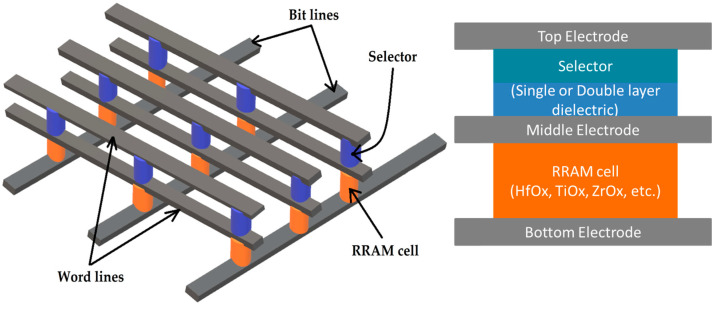 Figure 1
 Figure 2
 Figure 3
 Figure 4
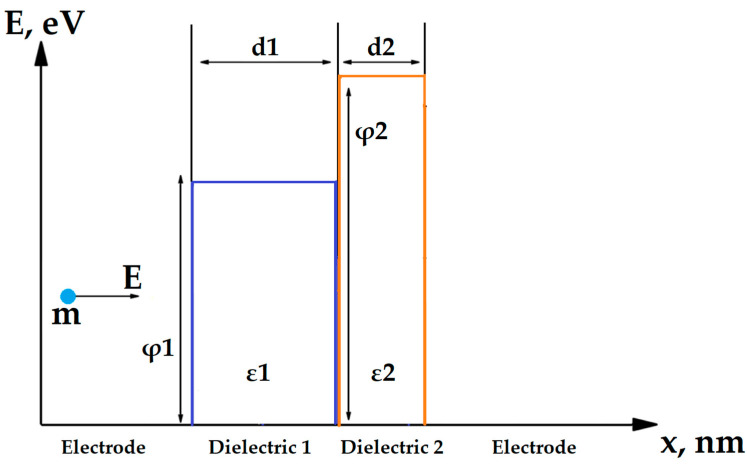 Figure 5
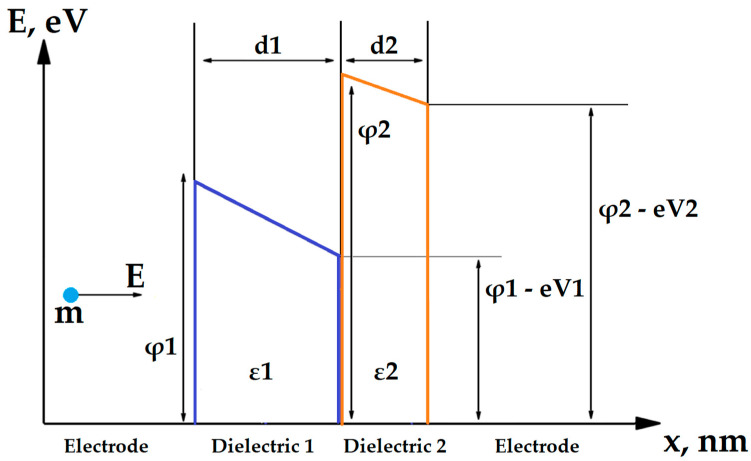 Figure 6
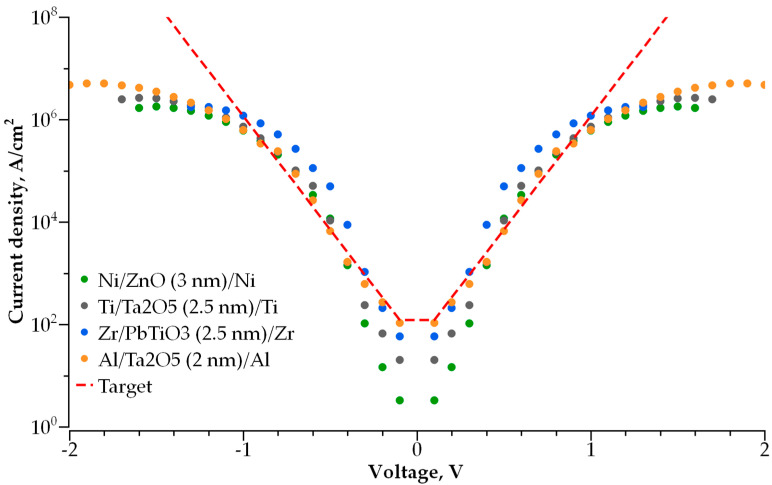 Figure 7
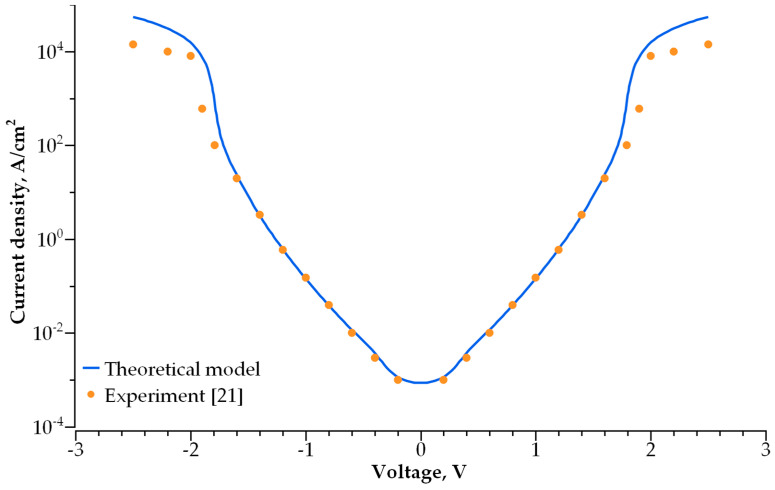 Figure 8
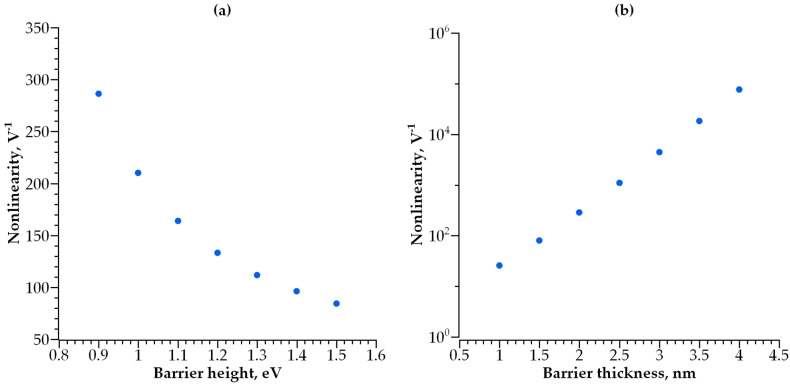 Figure 9
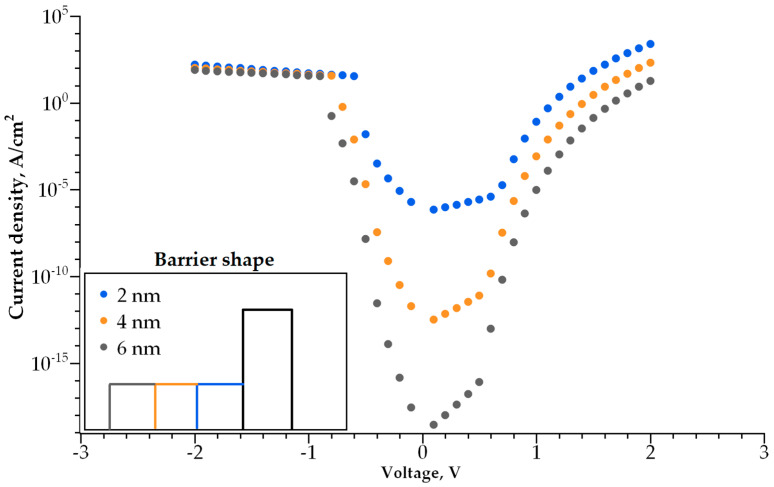 Figure 10
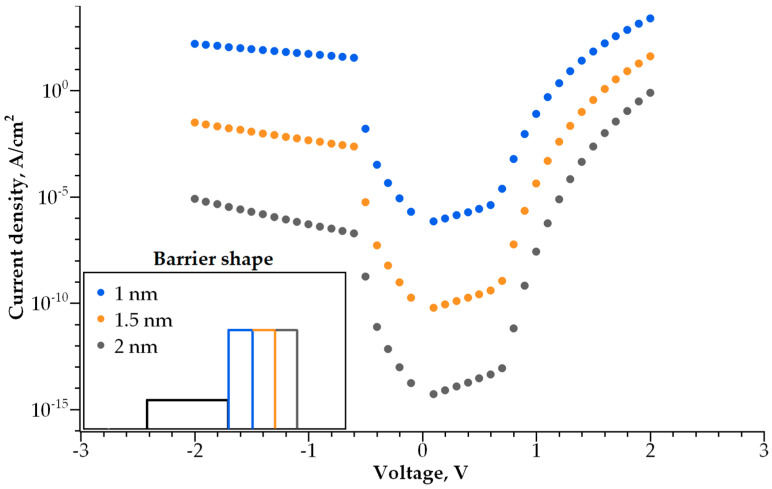 Figure 11
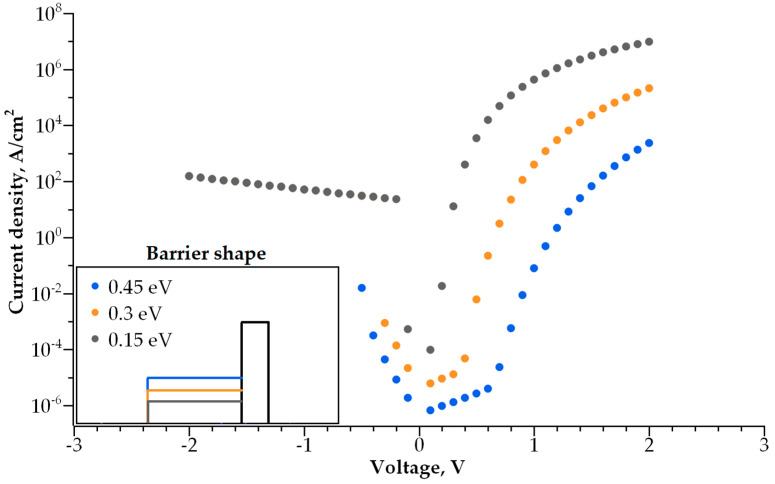 Figure 12
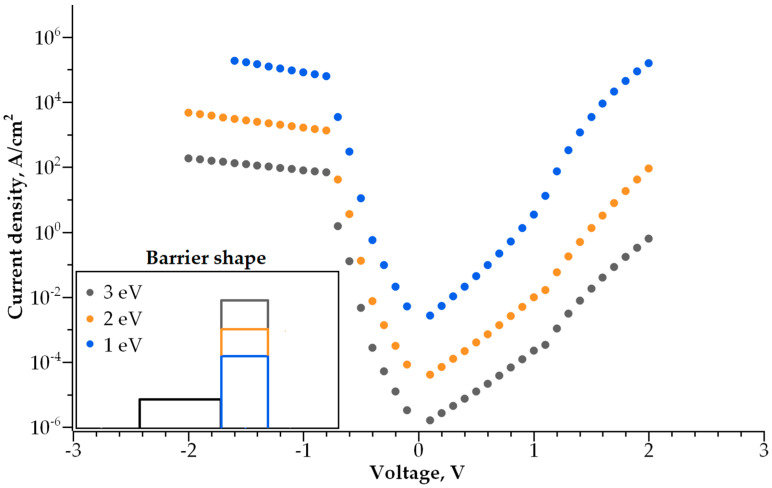 Figure 13
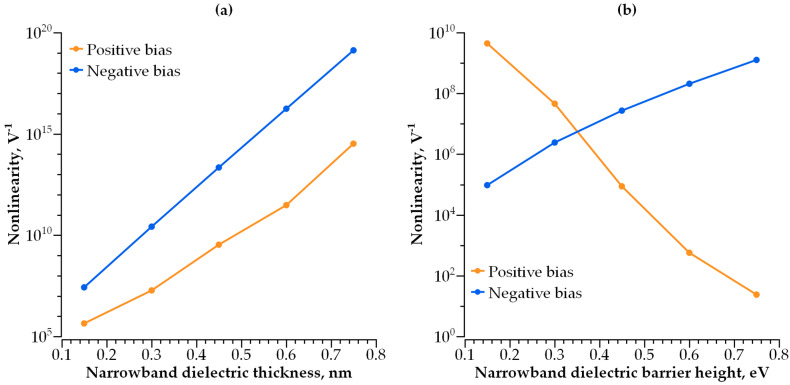 Figure 14
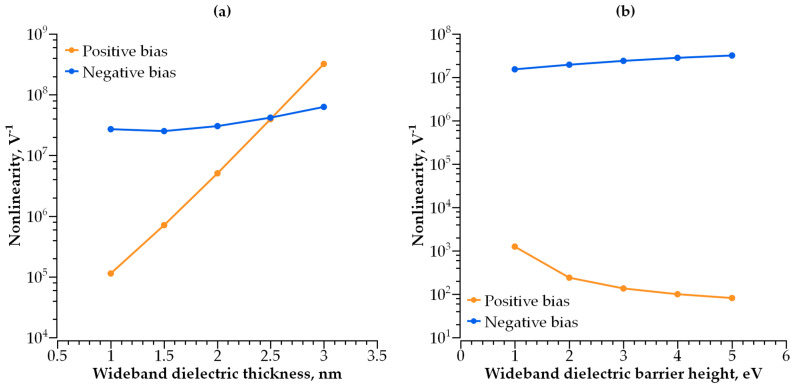 Figure 15
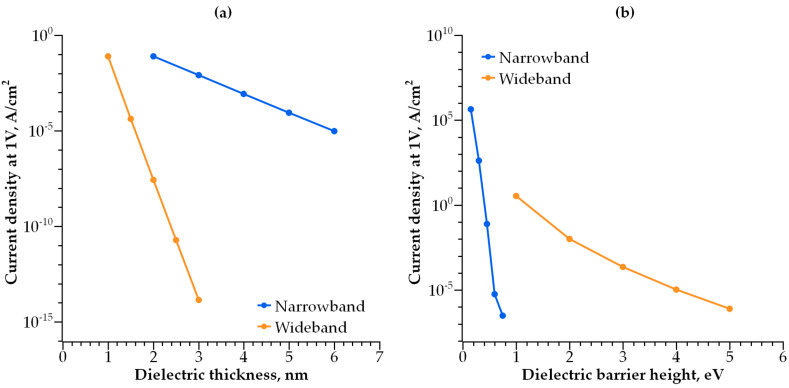 Figure 16
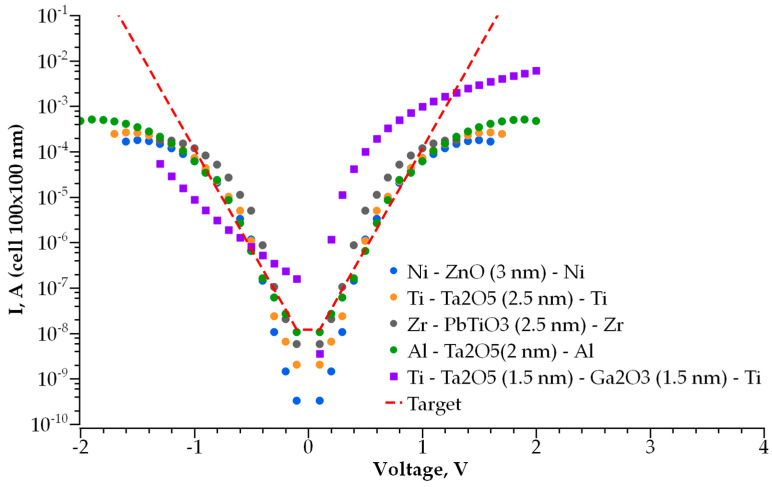 Figure 17
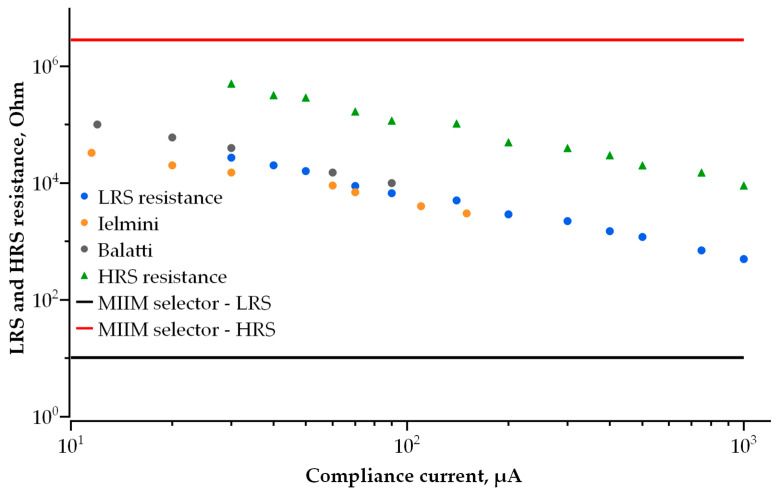 Figure 18
Peer Reviews
No public reviews on file for this paper yet. If you reviewed it on a platform where reviews are public (OpenReview, ICLR, NeurIPS, ICML), you can paste yours below so the community can read it here.
Videos
No videos yet. Explain this paper in a talk, walkthrough, or lecture? Add one.
Taxonomy
TopicsAdvanced Memory and Neural Computing · Ferroelectric and Negative Capacitance Devices · Transition Metal Oxide Nanomaterials