Edible Medicinal Guava Fruit (Psidium guajava L.) Are a Source of Anti-Biofilm Compounds against Pseudomonas aeruginosa
Christian Emmanuel Mahavy, Andriantsihoarana Jonathan Razanatseheno, Adeline Mol, Jeremie Ngezahayo, Pierre Duez, Mondher El Jaziri, Marie Baucher, Tsiry Rasamiravaka

TL;DR
This study finds that compounds in guava fruits can disrupt biofilms of Pseudomonas aeruginosa, supporting their traditional use in treating infections.
Contribution
The study identifies lycopene and β-sitosterol-β-D-glucoside as anti-biofilm compounds in guava fruits that synergize with antibiotics.
Findings
Hexane and dichloromethane guava extracts show anti-biofilm activity against Pseudomonas aeruginosa.
Lycopene and β-sitosterol-β-D-glucoside disrupt biofilm formation with IC50 values of 1383 µM and 131 µM, respectively.
Both compounds synergize with tobramycin to enhance killing of biofilm-encapsulated Pseudomonas aeruginosa.
Abstract
Psidium guajava is one of the most common edible medicinal plants frequently used in Malagasy traditional medicine to treat gastrointestinal infections. In order to evaluate their probable antibacterial activities, three organic extracts (successive extractions by hexane, dichloromethane, and ethanol) of ripe guava fruits were assessed for their bactericidal and anti-virulence properties against P. aeruginosa PAO1. Although these three extracts have shown no direct antibacterial activity (MIC of 1000 µg/mL) and, at the non-bactericidal concentration of 100 µg/mL, no impact on the production of major P. aeruginosa PAO1 virulence factors (pyocyanin and rhamnolipids), the hexane and dichloromethane extracts showed significant anti-biofilm properties and the dichloromethane extract disrupted the P. aeruginosa PAO1 swarming motility. Bioguided fractionation of the dichloromethane extract led…
Genes, proteins, chemicals, diseases, species, mutations and cell lines named across the full text — each resolved to its canonical identifier and authoritative record.
Click any figure to enlarge with its caption.
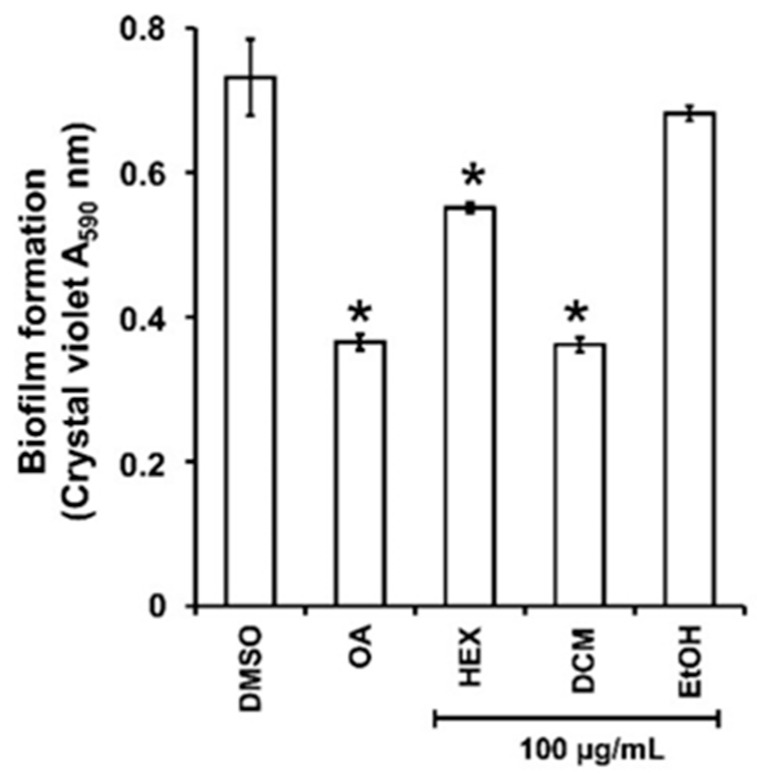 Figure 1
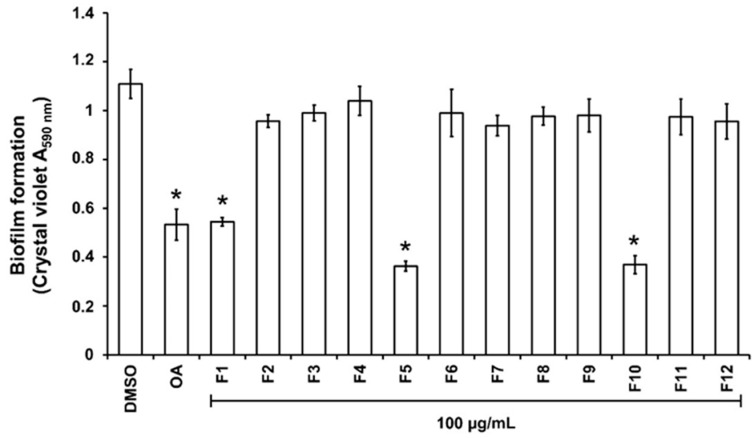 Figure 2
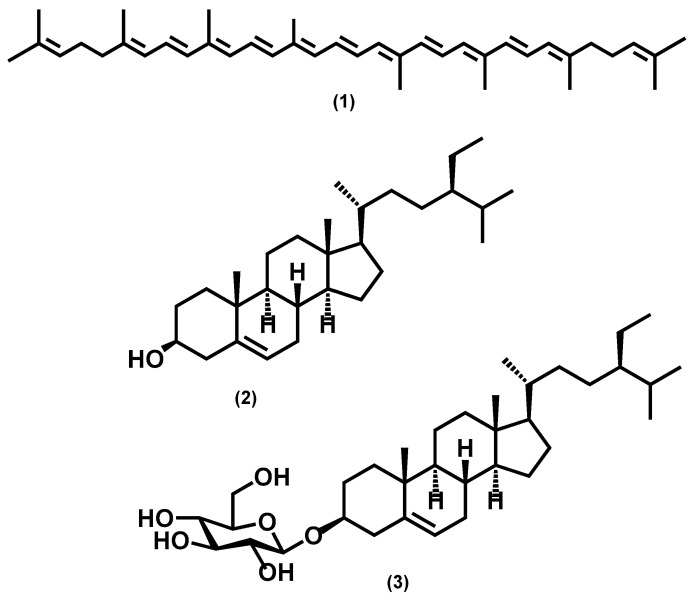 Figure 3
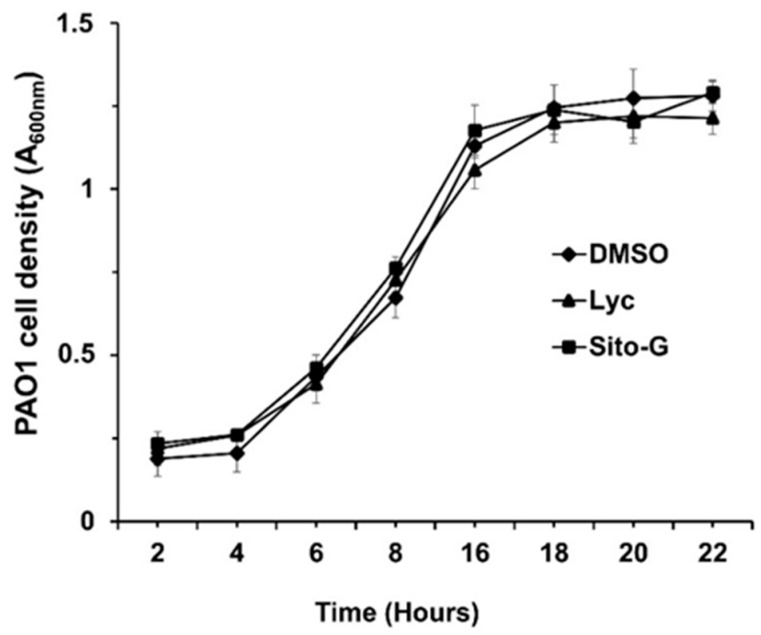 Figure 4
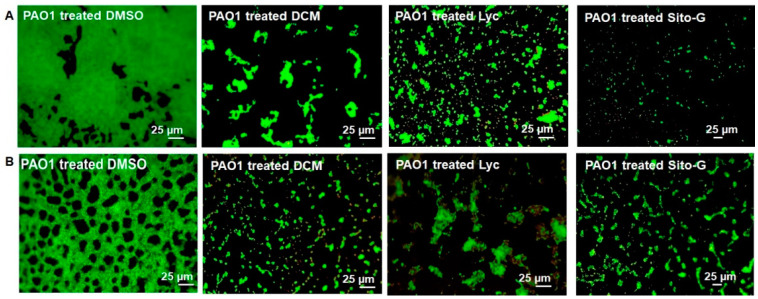 Figure 5
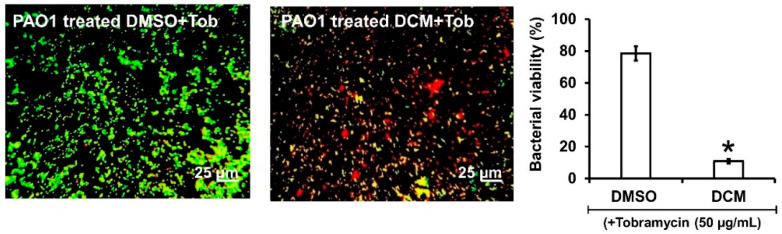 Figure 6
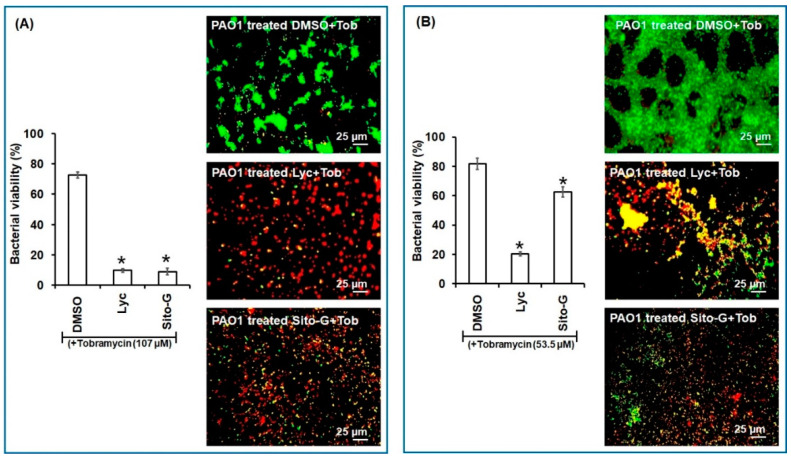 Figure 7
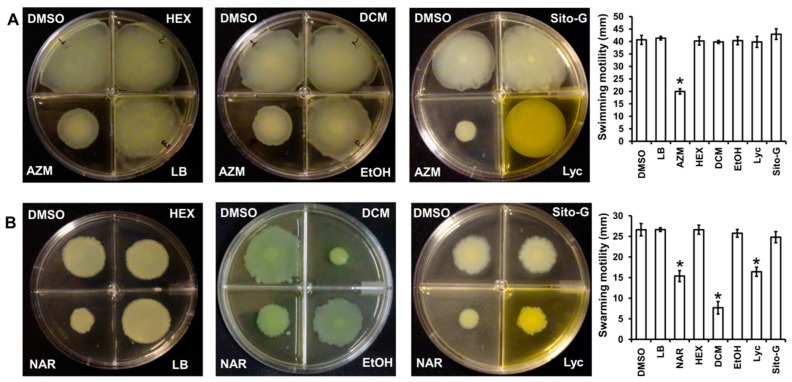 Figure 8
Peer Reviews
No public reviews on file for this paper yet. If you reviewed it on a platform where reviews are public (OpenReview, ICLR, NeurIPS, ICML), you can paste yours below so the community can read it here.
Videos
No videos yet. Explain this paper in a talk, walkthrough, or lecture? Add one.
Taxonomy
TopicsEducation Systems and Policy