Comparative Study of Colorimetric In Situ Hybridization and Quantitative Real-Time Polymerase Chain Reaction for Diagnosis of Infection by Leishmania infantum in Dogs in Formalin-Fixed and Paraffin-Embedded Skin
Ricardo Gonçalves Silva, Matti Kiupel, Ingeborg Maria Langohr, Annabel Wise, Sandro Antonio Pereira, Natália Pedra Gonçalves, Greice Maria Silva da Conceição, Luiz Cláudio Ferreira, Monique Paiva de Campos, Luciana de Freitas Campos Miranda, Fabiano Borges Figueiredo

TL;DR
This study compares two diagnostic methods for detecting Leishmania infantum in dogs using preserved skin samples, finding that combining them improves accuracy.
Contribution
The study evaluates and compares the sensitivity of CISH and qPCR for diagnosing L. infantum in formalin-fixed, paraffin-embedded skin samples.
Findings
qPCR had a higher sensitivity (77.0%) compared to CISH (58.0%) for diagnosing L. infantum in dogs.
Combining CISH and qPCR increased diagnostic sensitivity to 83.3%.
Both methods showed satisfactory sensitivity even in dogs without clinical signs.
Abstract
The zoonotic visceral leishmaniasis is caused by the protozoan Leishmania infantum and dogs are reservoirs for this parasite. For the diagnosis of Leishmania at the species level in dogs in formalin-fixed, paraffin-embedded skin (FFPES) samples, colorimetric in situ hybridization (CISH) and quantitative real-time polymerase chain reaction (qPCR) are options, but their sensitivities are not well established. Therefore, the aim of this study was to determine the sensitivity of these two techniques in FFPES for the diagnosis of the L. infantum infection in dogs using culture as the reference standard. The FFPES of 48 dogs with cutaneous infection by L. infantum confirmed by culture and by multilocus enzyme electrophoresis were examined by CISH and qPCR using specific probes for L. infantum. The sensitivities of qPCR, CISH and their combination were, respectively, 77.0%, 58.0% and 83.3%.…
Genes, proteins, chemicals, diseases, species, mutations and cell lines named across the full text — each resolved to its canonical identifier and authoritative record.
Click any figure to enlarge with its caption.
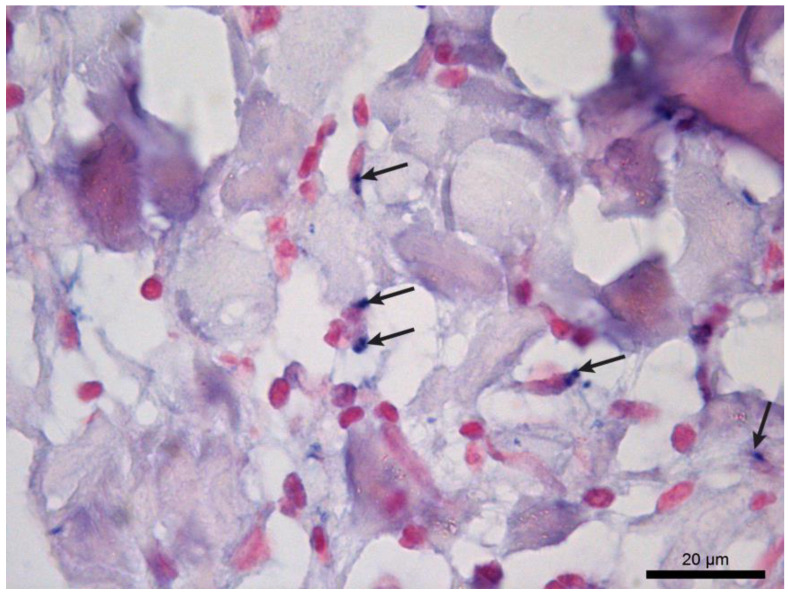 Figure 1
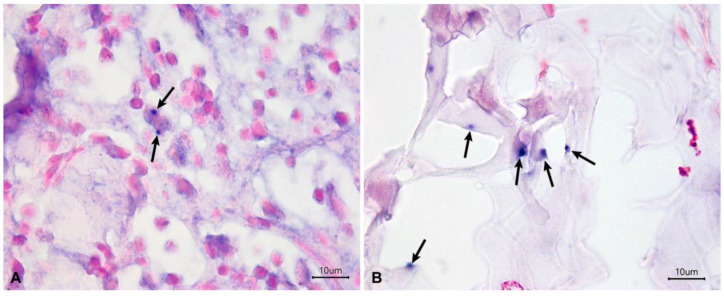 Figure 2
Peer Reviews
No public reviews on file for this paper yet. If you reviewed it on a platform where reviews are public (OpenReview, ICLR, NeurIPS, ICML), you can paste yours below so the community can read it here.
Videos
No videos yet. Explain this paper in a talk, walkthrough, or lecture? Add one.
Taxonomy
TopicsResearch on Leishmaniasis Studies · Insect and Pesticide Research · Dermatological diseases and infestations