Cathepsin S Is More Abundant in Serum of Mycobacterium avium subsp. paratuberculosis-Infected Dairy Cows
Heidi C. Duda, Christine von Toerne, Lucia Korbonits, Andrea Didier, Armin M. Scholz, Erwin Märtlbauer, Stefanie M. Hauck, Cornelia A. Deeg

TL;DR
This study identifies Cathepsin S as a potential biomarker for detecting Mycobacterium avium subsp. paratuberculosis infection in dairy cows.
Contribution
The study identifies Cathepsin S as a novel serum biomarker for bovine paratuberculosis.
Findings
Serum proteomics revealed 60 and 90 differentially abundant proteins in MAP-infected cows compared to control groups.
Cathepsin S (CTSS) was found to be more abundant in infected cows and is linked to immune-related pathways.
CTSS was confirmed as a potential biomarker using Western blotting.
Abstract
Mycobacterium avium subsp. paratuberculosis (MAP) is the causative agent of bovine paratuberculosis, a chronic granulomatous enteritis leading to economic losses and posing a risk to human health due to its zoonotic potential. The pathogen cannot reliably be detected by standard methods, and immunological procedures during the infection are not well understood. Therefore, the aim of our study was to explore host–pathogen interactions in MAP-infected dairy cows and to improve diagnostic tests. Serum proteomics analysis using quantitative label-free LC-MS/MS revealed 60 differentially abundant proteins in MAP-infected dairy cows compared to healthy controls from the same infected herd and 90 differentially abundant proteins in comparison to another control group from an uninfected herd. Pathway enrichment analysis provided new insights into the immune response to MAP and susceptibility to…
Genes, proteins, chemicals, diseases, species, mutations and cell lines named across the full text — each resolved to its canonical identifier and authoritative record.
Click any figure to enlarge with its caption.
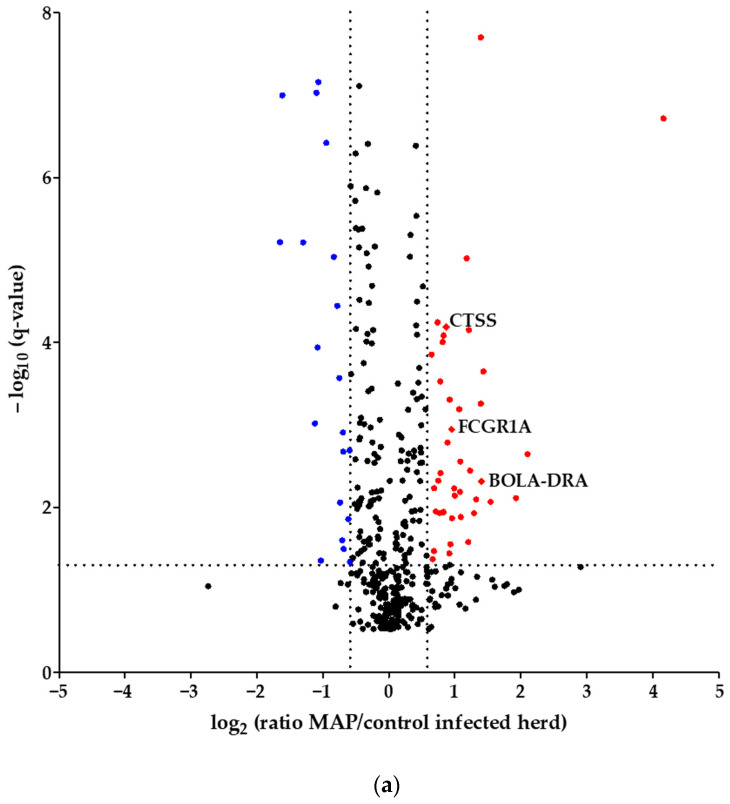 Figure 1
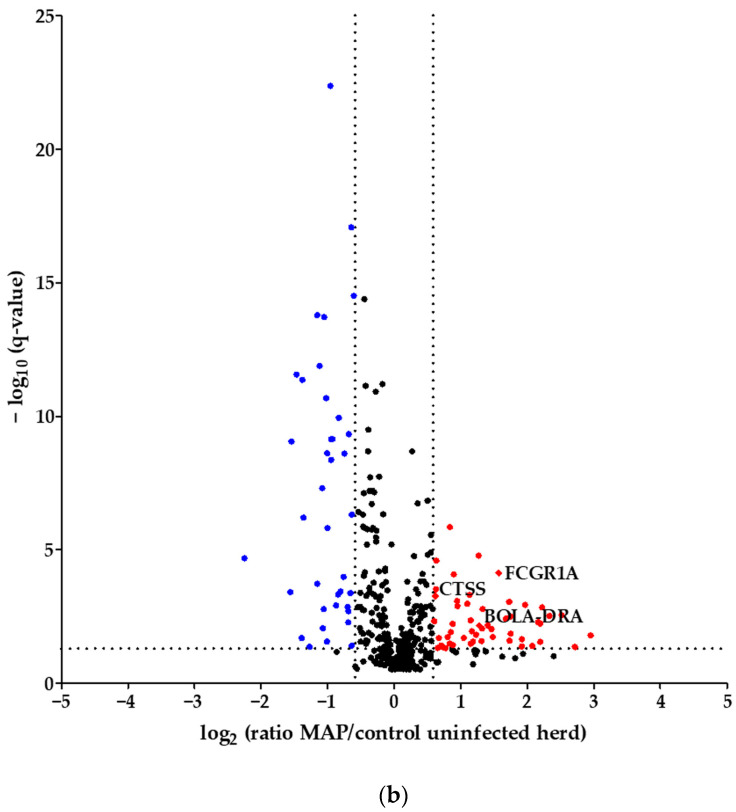 Figure 2
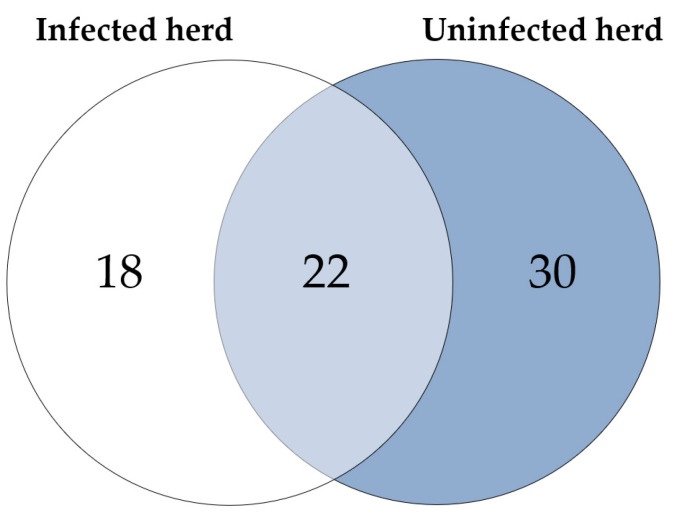 Figure 3
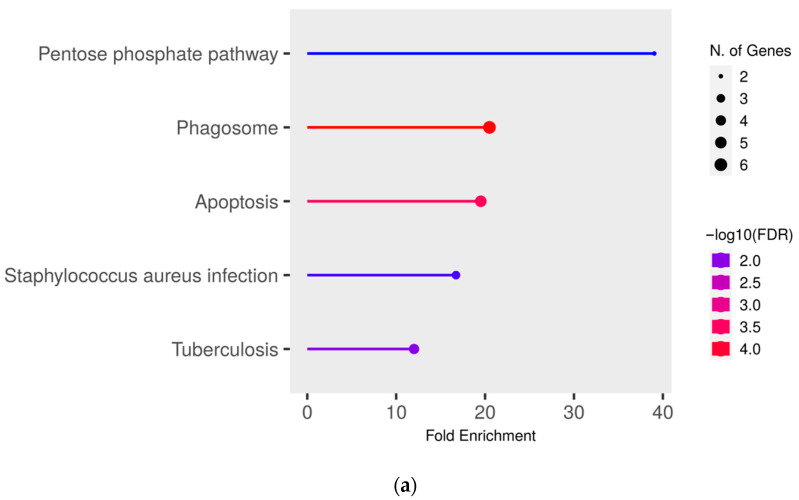 Figure 4
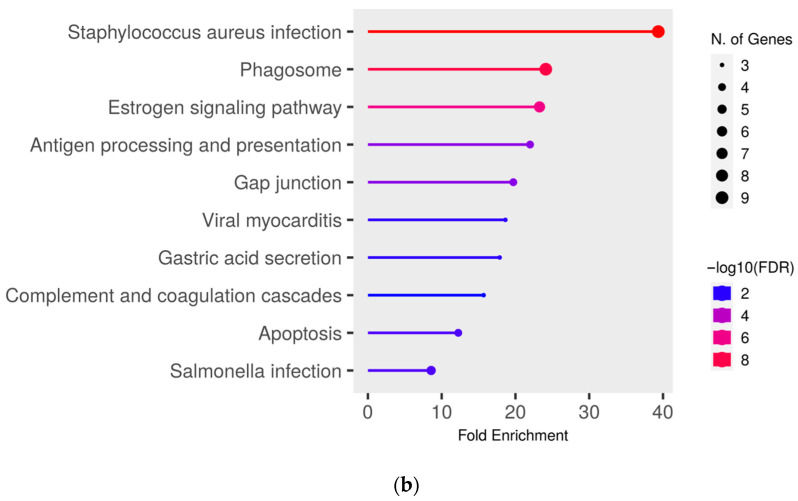 Figure 5
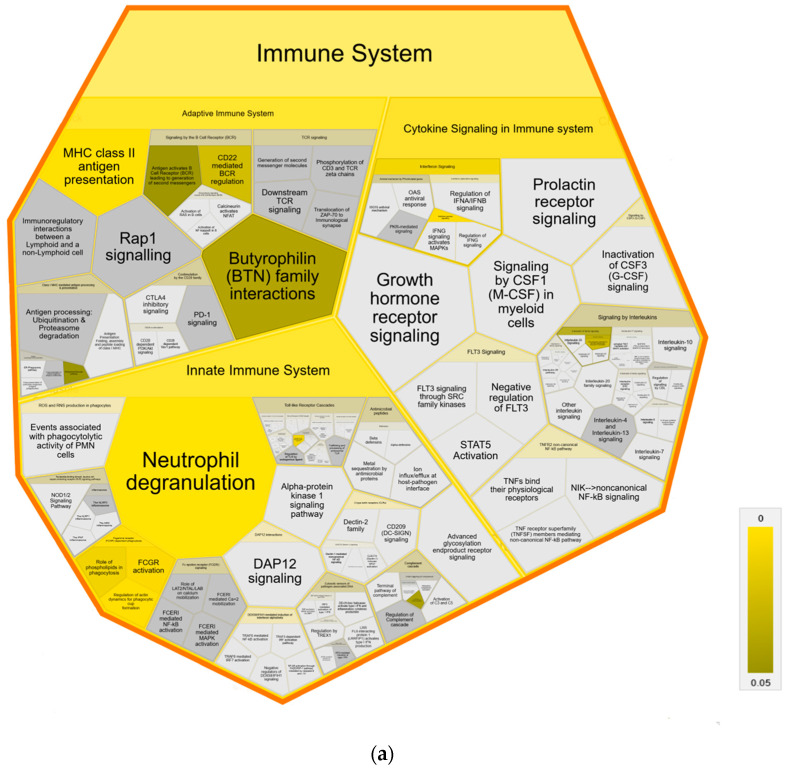 Figure 6
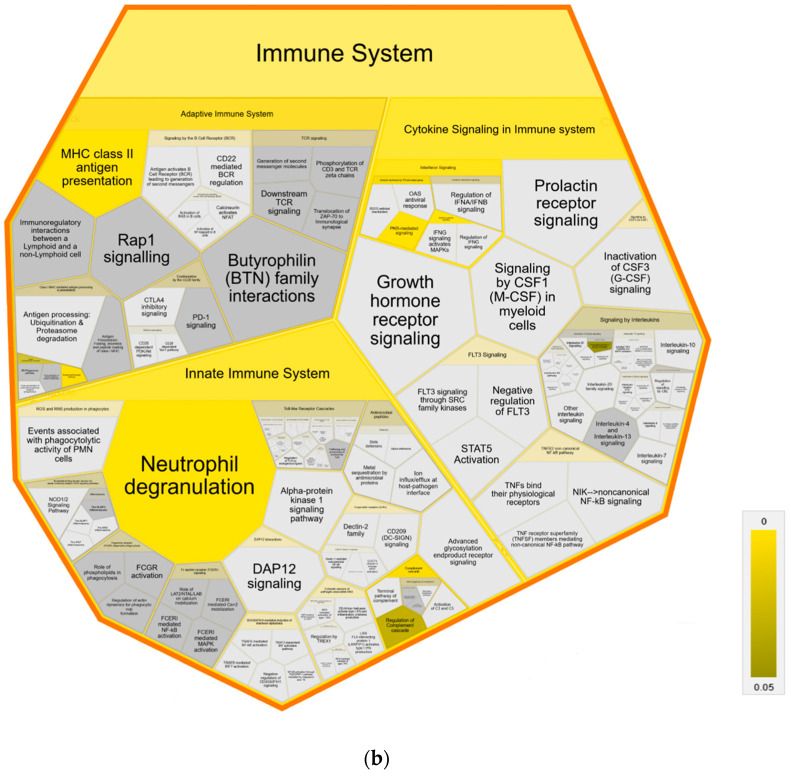 Figure 7
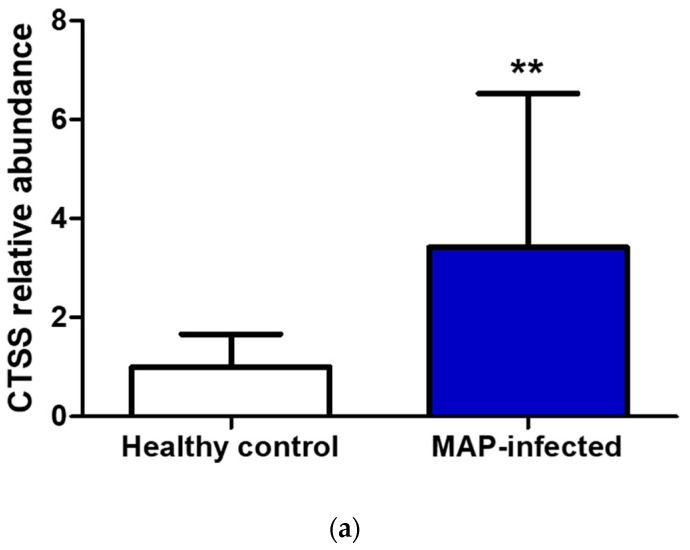 Figure 8
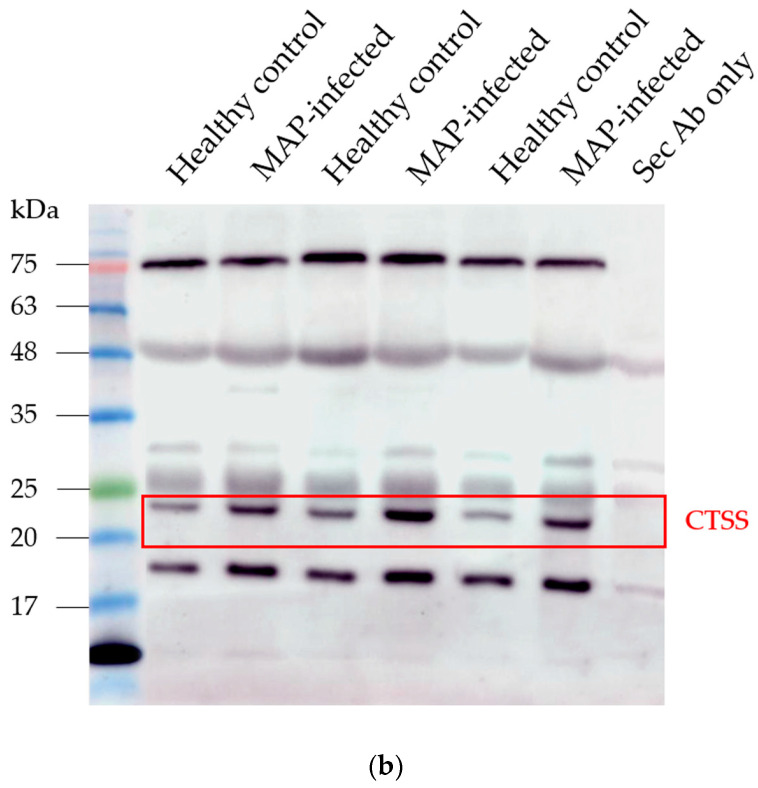 Figure 9
Peer Reviews
No public reviews on file for this paper yet. If you reviewed it on a platform where reviews are public (OpenReview, ICLR, NeurIPS, ICML), you can paste yours below so the community can read it here.
Videos
No videos yet. Explain this paper in a talk, walkthrough, or lecture? Add one.
Taxonomy
TopicsMycobacterium research and diagnosis · Ginseng Biological Effects and Applications · Pharmacological Effects of Natural Compounds