Using full-text content to characterize and identify best seller books: A study of early 20th-century literature
Giovana D. da Silva, Filipi N. Silva, Henrique F. de Arruda, Bárbara C. e Souza, Luciano da F. Costa, Diego R. Amancio, Heba El-Fiqi, Heba El-Fiqi, Heba El-Fiqi, Heba El-Fiqi

TL;DR
This study explores how full-text content can help predict if a book will become a best seller, using data from early 20th-century literature.
Contribution
The study uses full-text analysis and machine learning to predict best sellers, achieving 75% accuracy.
Findings
Using full-text content and logistic regression achieved 75% accuracy in predicting best sellers.
Visualization techniques like SemAxis helped explore data structure and properties.
Predicting book success remains challenging despite using complete text data.
Abstract
Artistic pieces can be studied from several perspectives, one example being their reception among readers over time. In the present work, we approach this interesting topic from the standpoint of literary works, particularly assessing the task of predicting whether a book will become a best seller. Unlike previous approaches, we focused on the full content of books and considered visualization and classification tasks. We employed visualization for the preliminary exploration of the data structure and properties, involving SemAxis and linear discriminant analyses. To obtain quantitative and more objective results, we employed various classifiers. Such approaches were used along with a dataset containing (i) books published from 1895 to 1923 and consecrated as best sellers by the Publishers Weekly Bestseller Lists and (ii) literary works published in the same period but not being…
Genes, proteins, chemicals, diseases, species, mutations and cell lines named across the full text — each resolved to its canonical identifier and authoritative record.
Click any figure to enlarge with its caption.
 Figure 1
 Figure 2
 Figure 3
 Figure 4
 Figure 5
 Figure 6
 Figure 7
 Figure 8
 Figure 9
 Figure 10
 Figure 11
 Figure 12
 Figure 13
 Figure 14
 Figure 15
 Figure 16
 Figure 17
 Figure 18
 Figure 19
 Figure 20
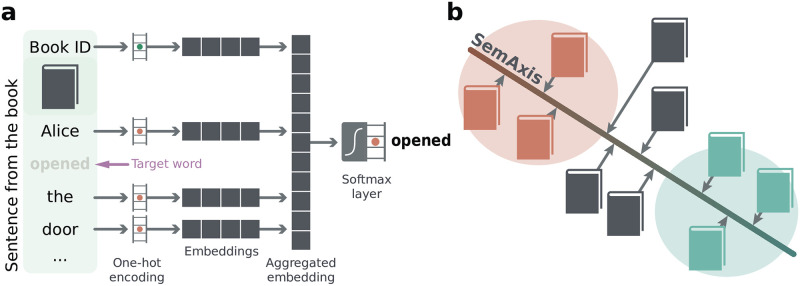 Figure 21
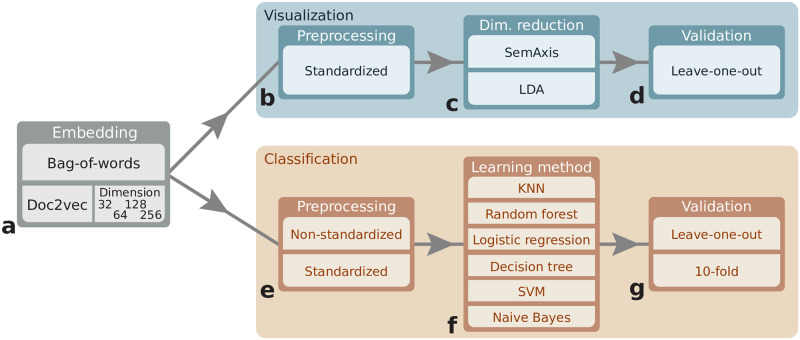 Figure 22
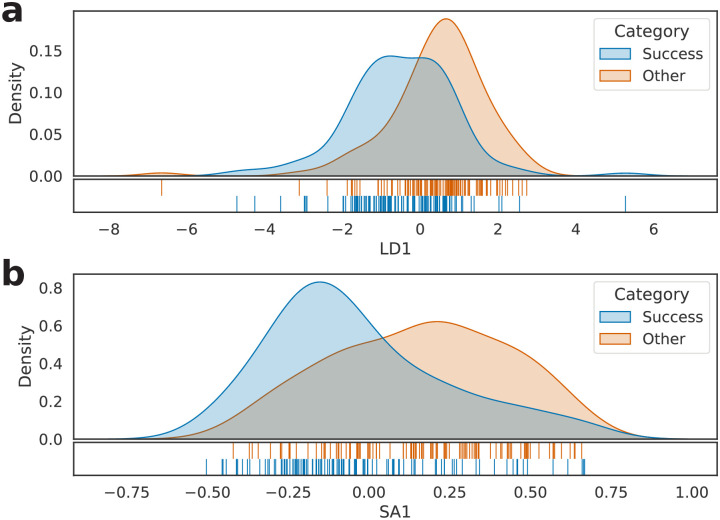 Figure 23
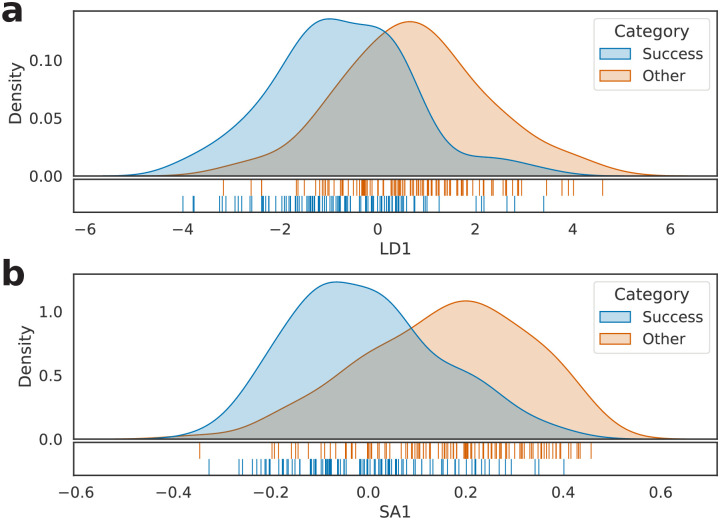 Figure 24
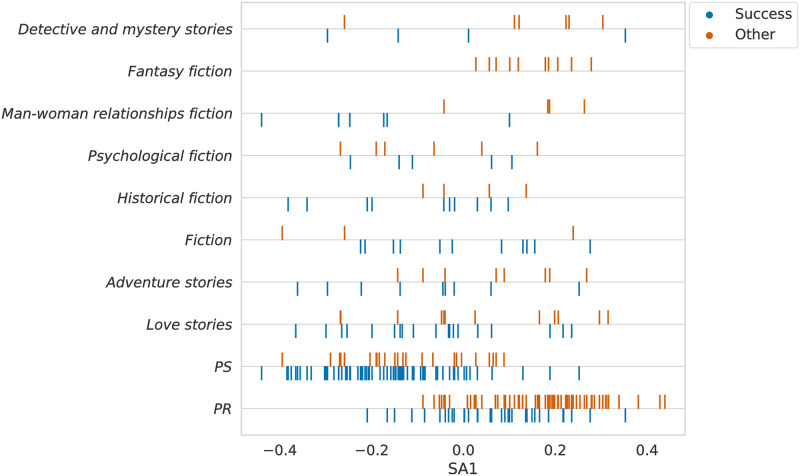 Figure 25
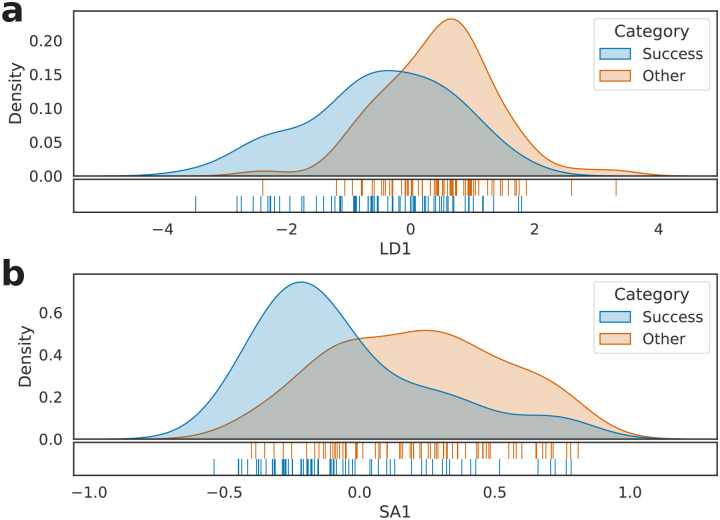 Figure 26
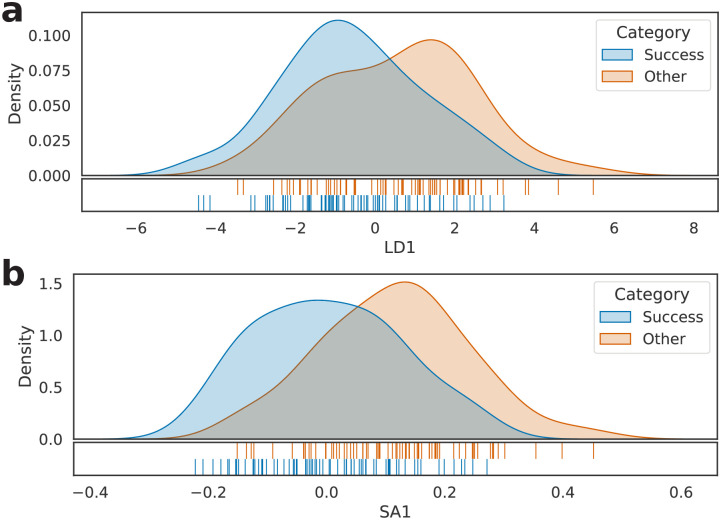 Figure 27
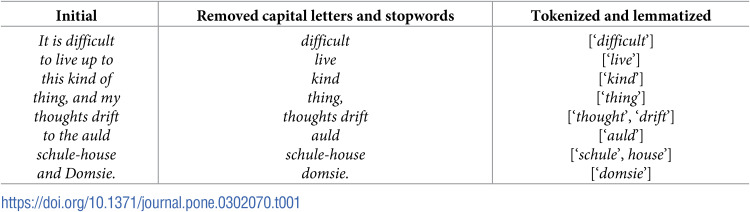 Figure 28
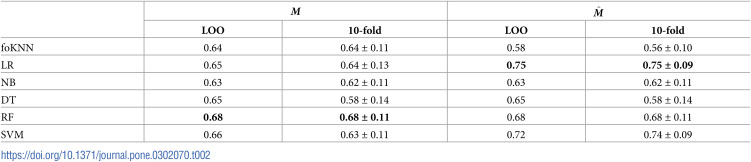 Figure 29
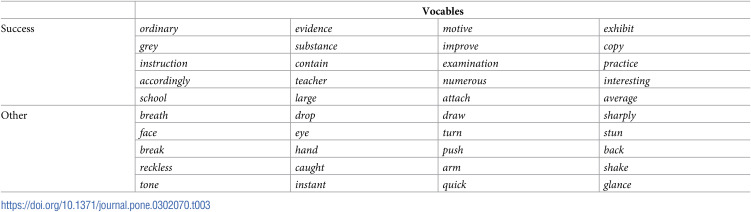 Figure 30
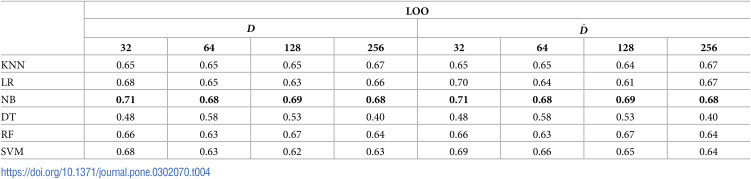 Figure 31
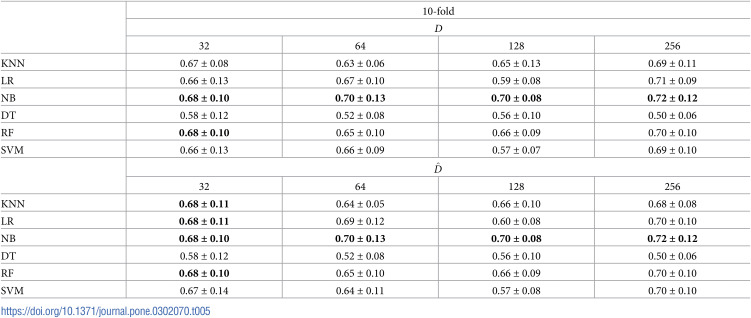 Figure 32
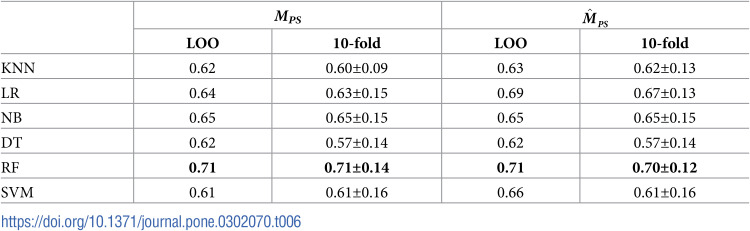 Figure 33
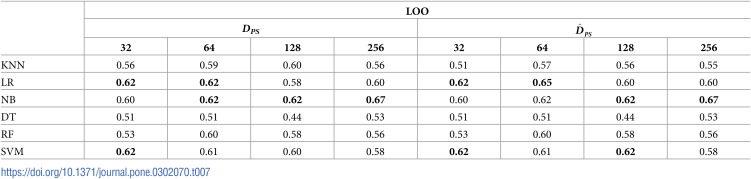 Figure 34
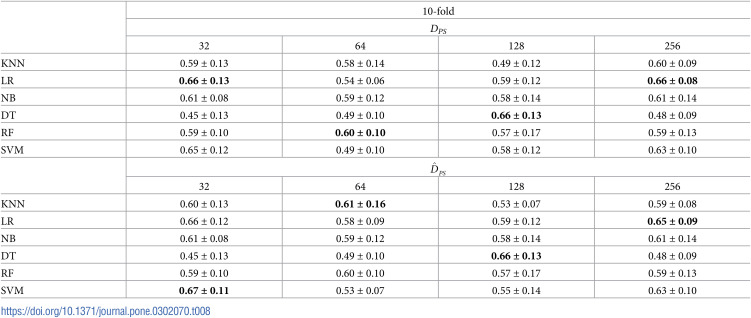 Figure 35
Peer Reviews
No public reviews on file for this paper yet. If you reviewed it on a platform where reviews are public (OpenReview, ICLR, NeurIPS, ICML), you can paste yours below so the community can read it here.
Videos
No videos yet. Explain this paper in a talk, walkthrough, or lecture? Add one.
Taxonomy
TopicsAdvanced Text Analysis Techniques · Publishing and Scholarly Communication · Information Retrieval and Search Behavior