Mechanisms of the effect of fertility policies on the labor-capital income gap
Wei Cui, An-Wei Wan, Yuan Zheng

TL;DR
This paper explores how fertility policies can affect the income gap between labor and capital by increasing capital availability and reducing labor's share of income.
Contribution
The paper introduces capital intensification as a mediator and identifies a threshold effect in the relationship between fertility policies and labor income share.
Findings
Incentive-based fertility policies increase capital availability, leading to a lower labor income share.
Capital intensification mediates the effect of fertility policies on labor income share.
A threshold effect exists, changing the impact of fertility policies on income share before and after policy changes.
Abstract
This paper investigates the impact mechanism by which an incentive-based fertility policy may reduce the labor income share. First, the specific paths through which this impact mechanism is realized are analyzed using the production function. It is found that an incentive-based fertility policy triggers high savings, which implies more, cheaper, and more readily available capital to be invested in production. A distribution system that earns income based on factor contributions results in more gains for capital than labor, i.e., a lower share of labor income and a wider income gap between labor and capital. Second, the impact mechanism includes three theoretical hypotheses. They are that an encouraging fertility policy is negatively related to labor income share; this relationship is valid provided that the study subject is in a closed economy; and that capital intensification is a…
Genes, proteins, chemicals, diseases, species, mutations and cell lines named across the full text — each resolved to its canonical identifier and authoritative record.
Click any figure to enlarge with its caption.
 Figure 1
 Figure 2
 Figure 3
 Figure 4
 Figure 5
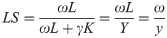 Figure 6
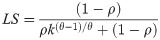 Figure 7
 Figure 8
 Figure 9
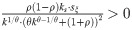 Figure 10
 Figure 11
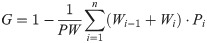 Figure 12
 Figure 13
 Figure 14
 Figure 15
 Figure 16
 Figure 17
 Figure 18
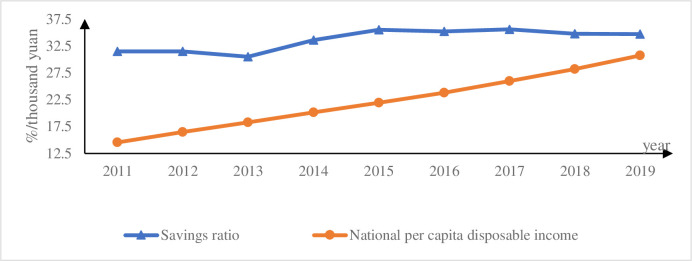 Figure 19
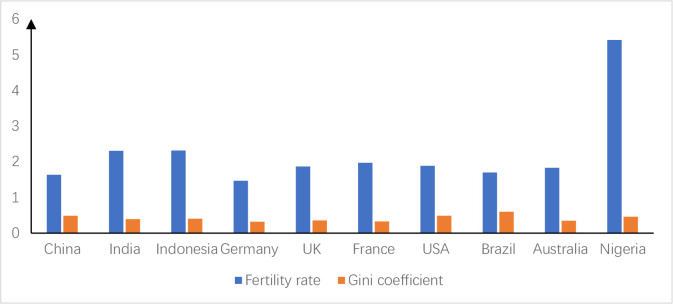 Figure 20
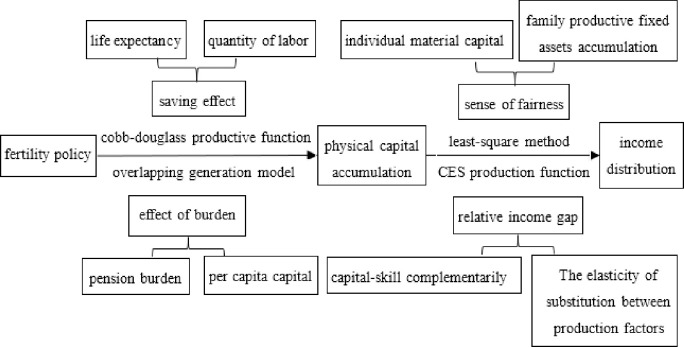 Figure 21
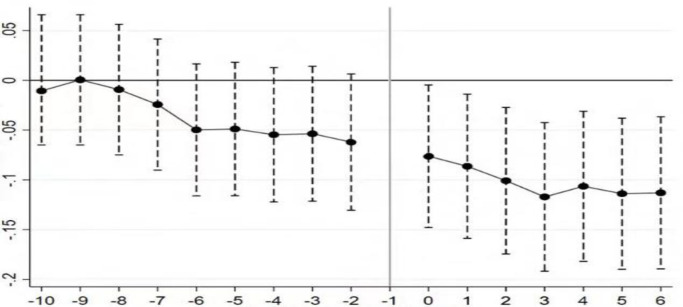 Figure 22
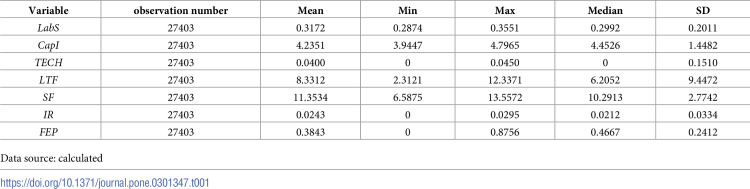 Figure 23
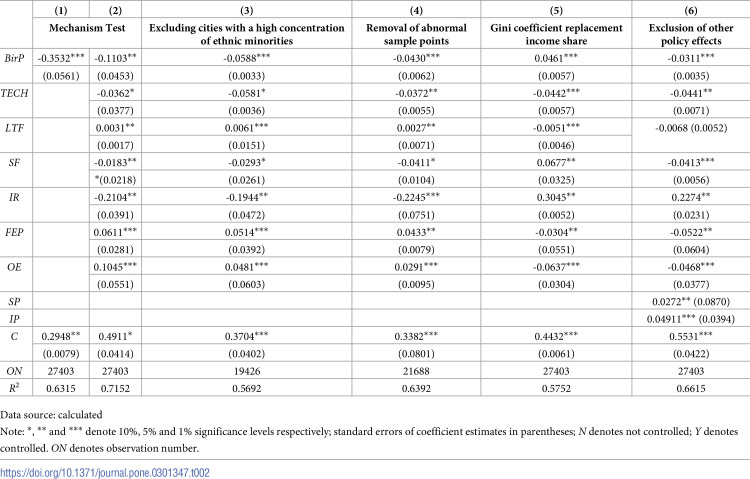 Figure 24
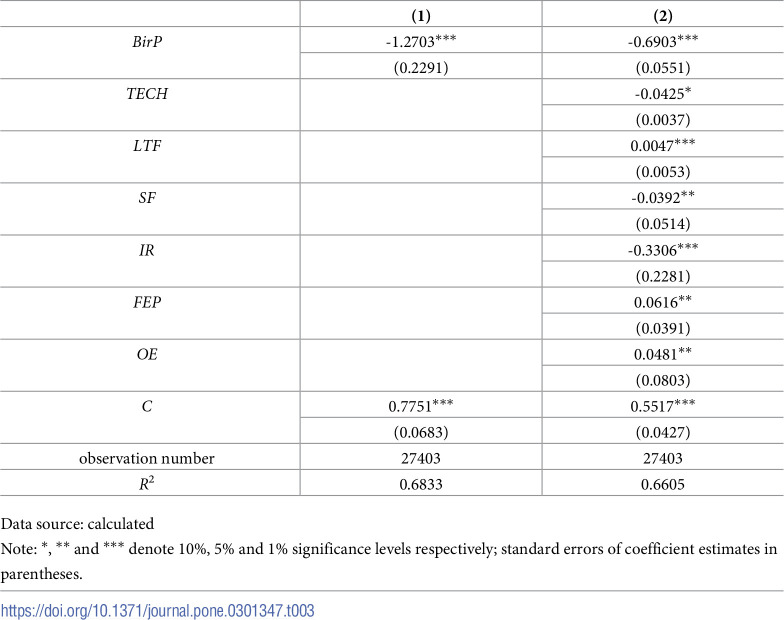 Figure 25
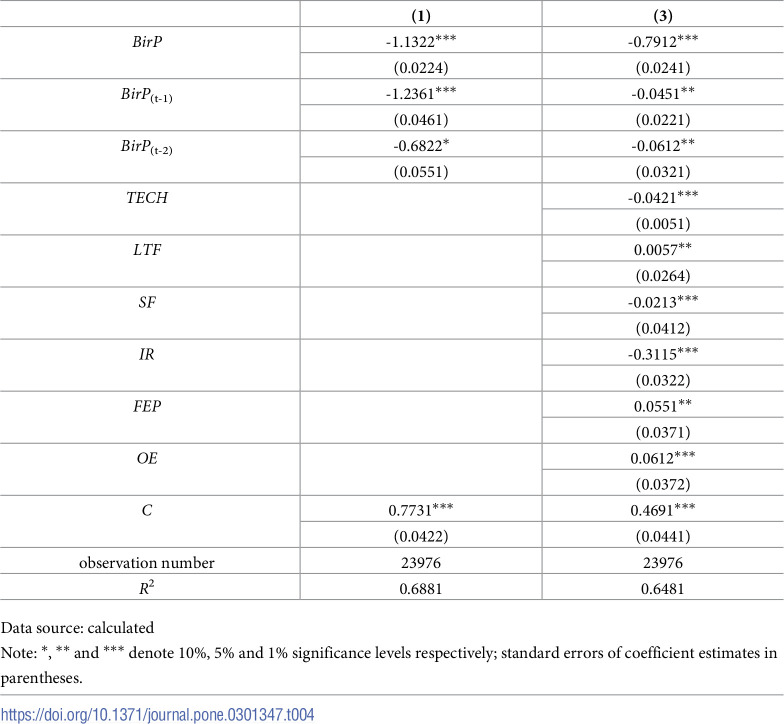 Figure 26
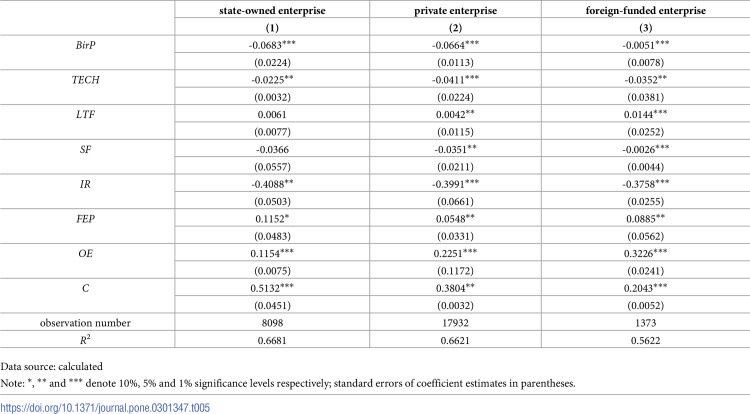 Figure 27
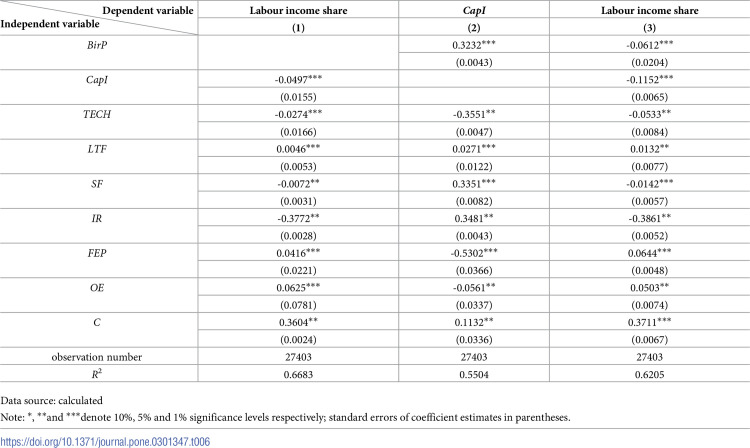 Figure 28
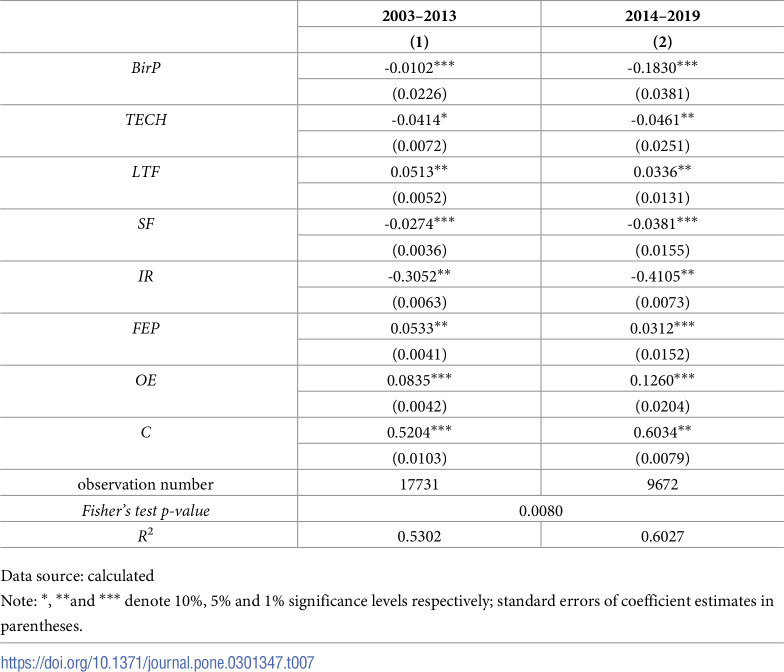 Figure 29
Peer Reviews
No public reviews on file for this paper yet. If you reviewed it on a platform where reviews are public (OpenReview, ICLR, NeurIPS, ICML), you can paste yours below so the community can read it here.
Videos
No videos yet. Explain this paper in a talk, walkthrough, or lecture? Add one.
Taxonomy
TopicsGender, Labor, and Family Dynamics · Fiscal Policy and Economic Growth · Economic Growth and Productivity