Aspergillus nidulans gfdB, Encoding the Hyperosmotic Stress Protein Glycerol-3-phosphate Dehydrogenase, Disrupts Osmoadaptation in Aspergillus wentii
Veronika Bodnár, Károly Antal, Ronald P. de Vries, István Pócsi, Tamás Emri

TL;DR
The study compares how two fungi, Aspergillus nidulans and Aspergillus wentii, respond to high osmolarity, focusing on the role of the gfdB gene in osmoadaptation.
Contribution
The study reveals distinct regulatory roles of gfdB in osmotolerant and osmophilic fungi through transcriptomic analysis.
Findings
A. nidulans upregulates trehalose and glycerol metabolism genes under high osmolarity.
Deleting gfdB in A. nidulans causes minimal transcriptomic changes due to flexible glycerol metabolism.
Expressing An-gfdB in A. wentii reduces growth and causes significant transcriptomic changes.
Abstract
The genome of the osmophilic Aspergillus wentii, unlike that of the osmotolerant Aspergillus nidulans, contains only the gfdA, but not the gfdB, glycerol 3-phosphate dehydrogenase gene. Here, we studied transcriptomic changes of A. nidulans (reference strain and ΔgfdB gene deletion mutant) and A. wentii (reference strain and An-gfdB expressing mutant) elicited by high osmolarity. A. nidulans showed a canonic hyperosmotic stress response characterized by the upregulation of the trehalose and glycerol metabolism genes (including gfdB), as well as the genes of the high-osmolarity glycerol (HOG) map kinase pathway. The deletion of gfdB caused only negligible alterations in the transcriptome, suggesting that the glycerol metabolism was flexible enough to compensate for the missing GfdB activity in this species. A. wentii responded differently to increased osmolarity than did A. nidulans,…
Genes, proteins, chemicals, diseases, species, mutations and cell lines named across the full text — each resolved to its canonical identifier and authoritative record.
Click any figure to enlarge with its caption.
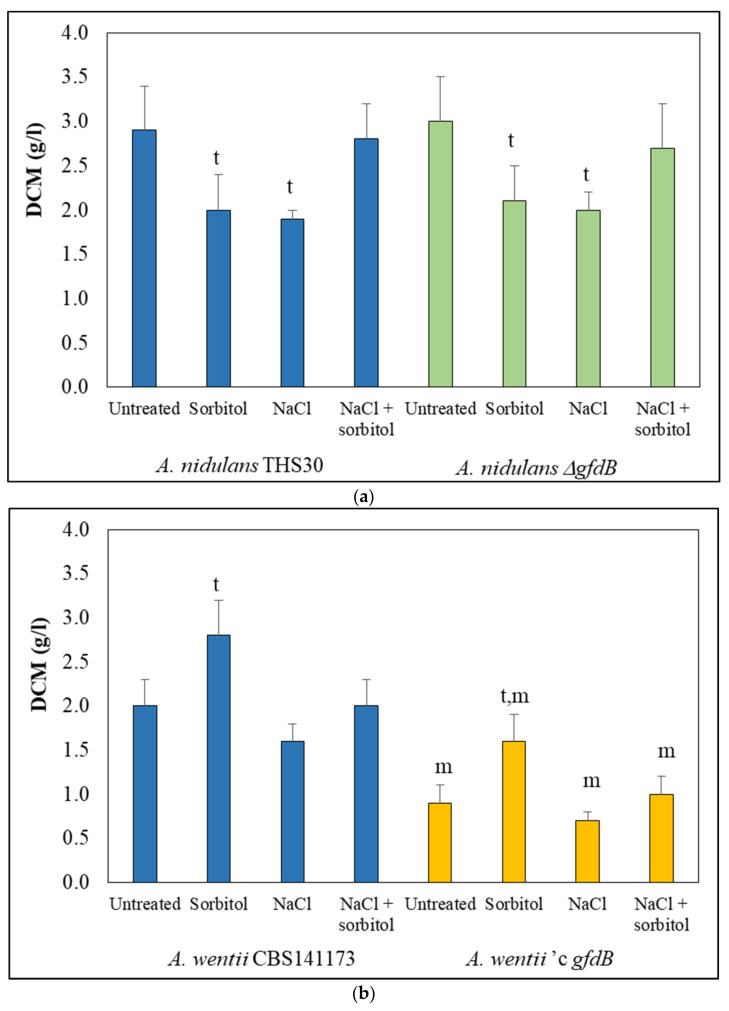 Figure 1
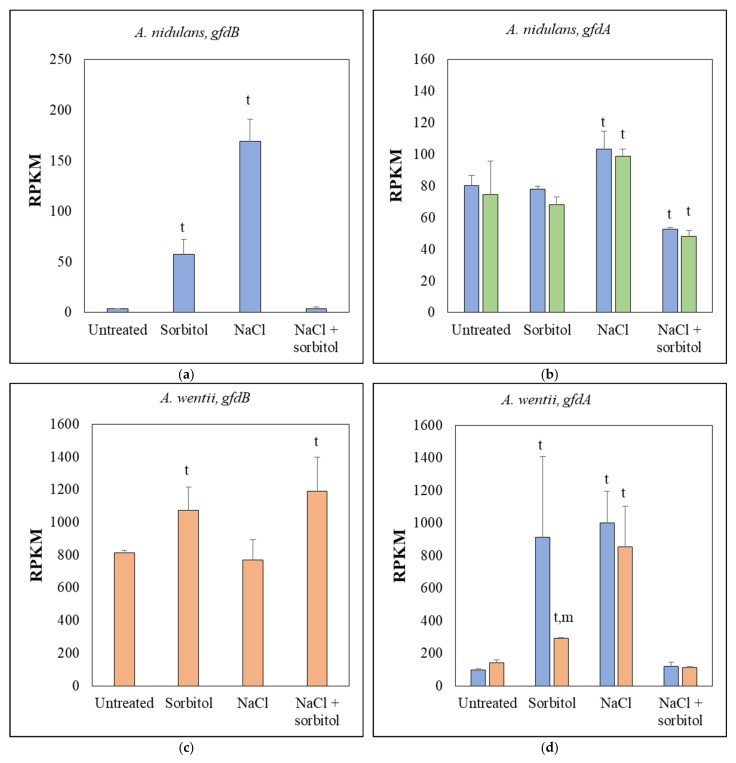 Figure 2
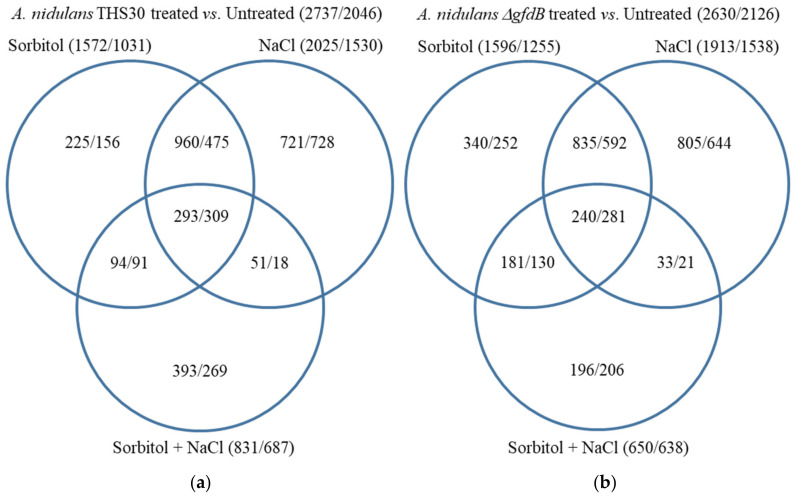 Figure 3
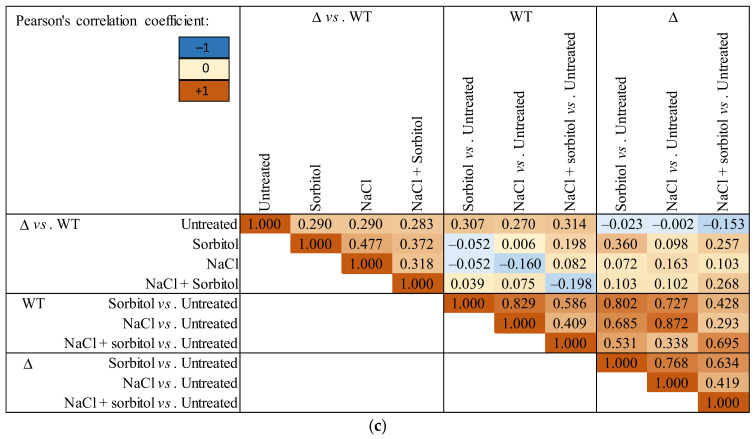 Figure 4
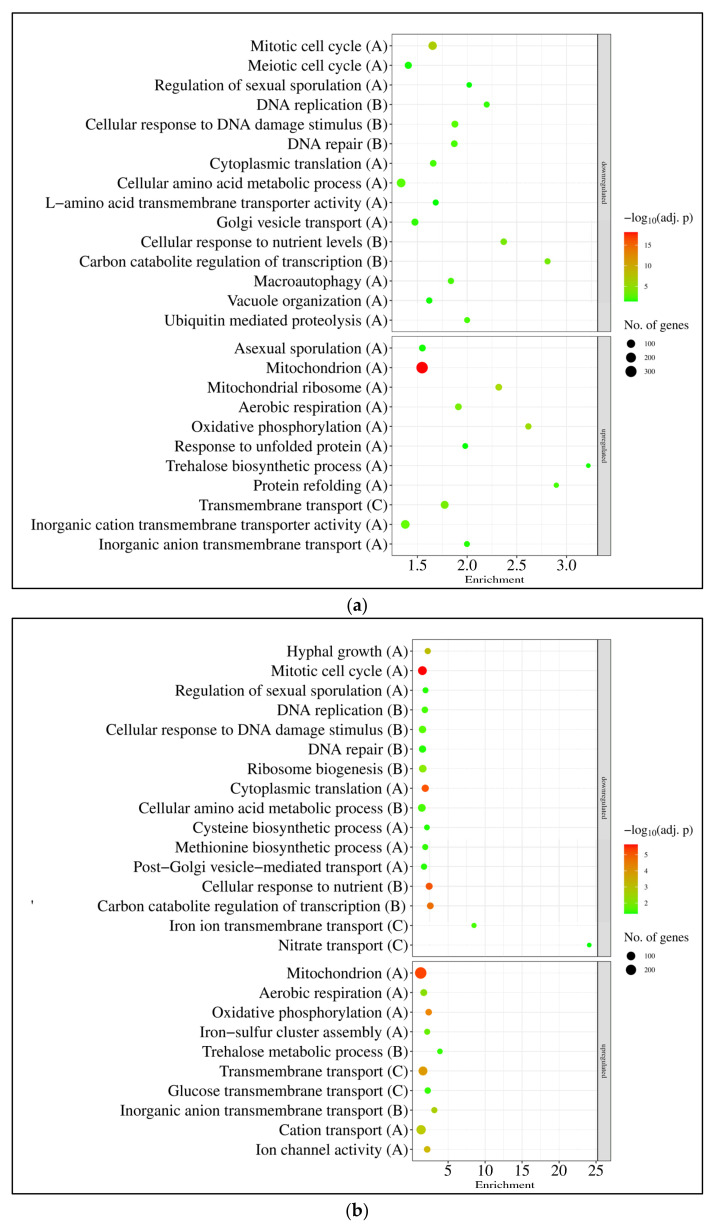 Figure 5
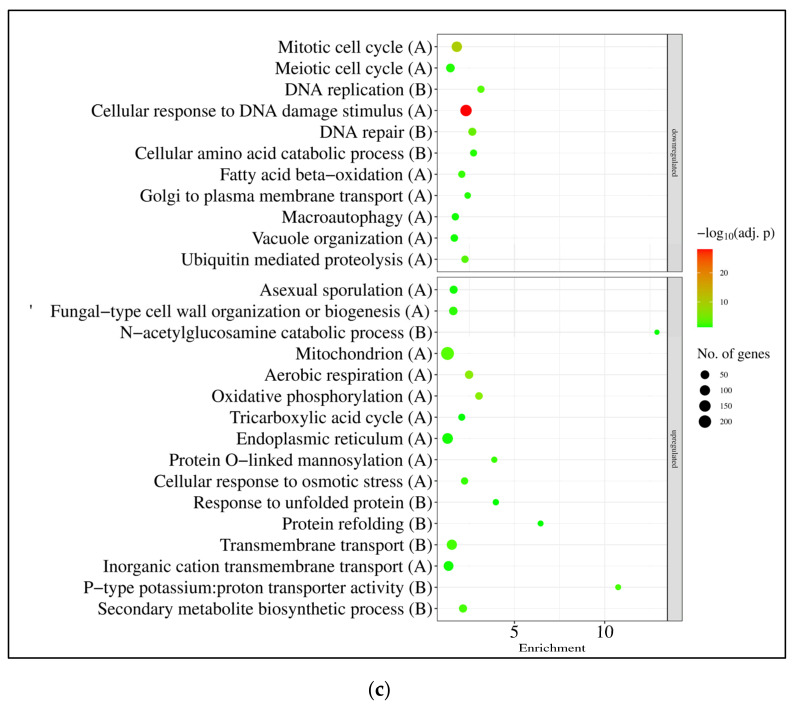 Figure 6
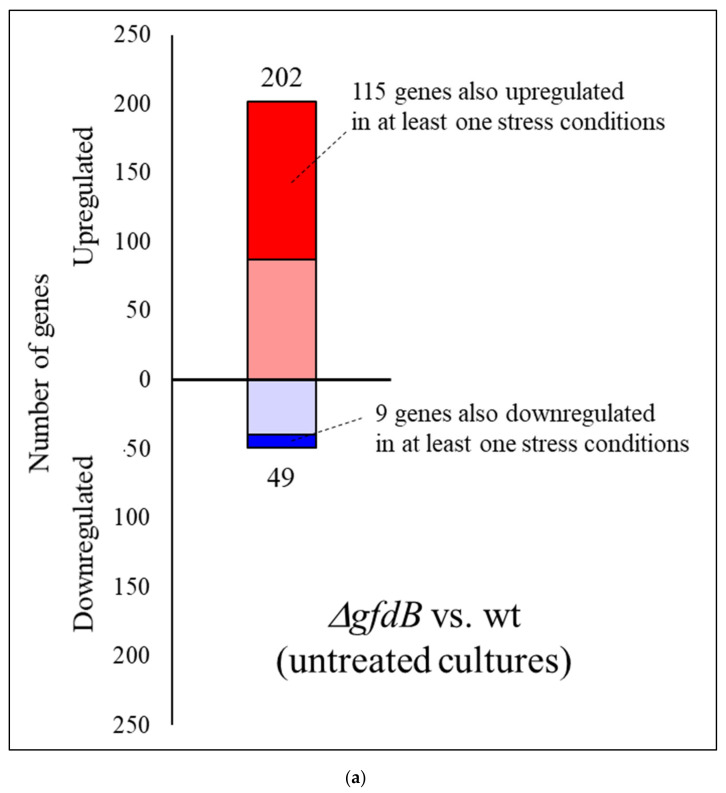 Figure 7
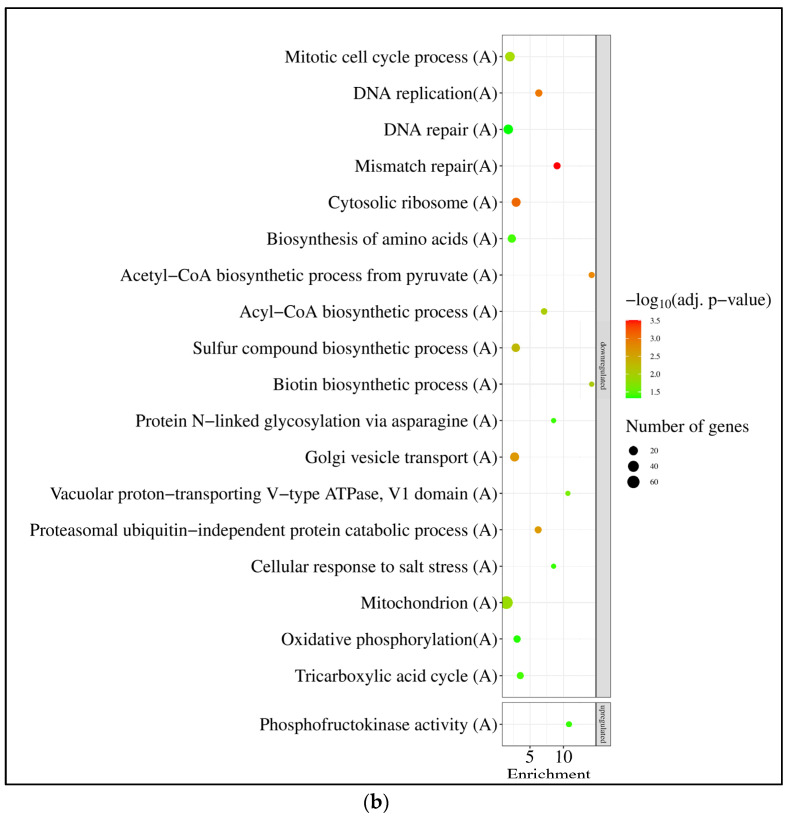 Figure 8
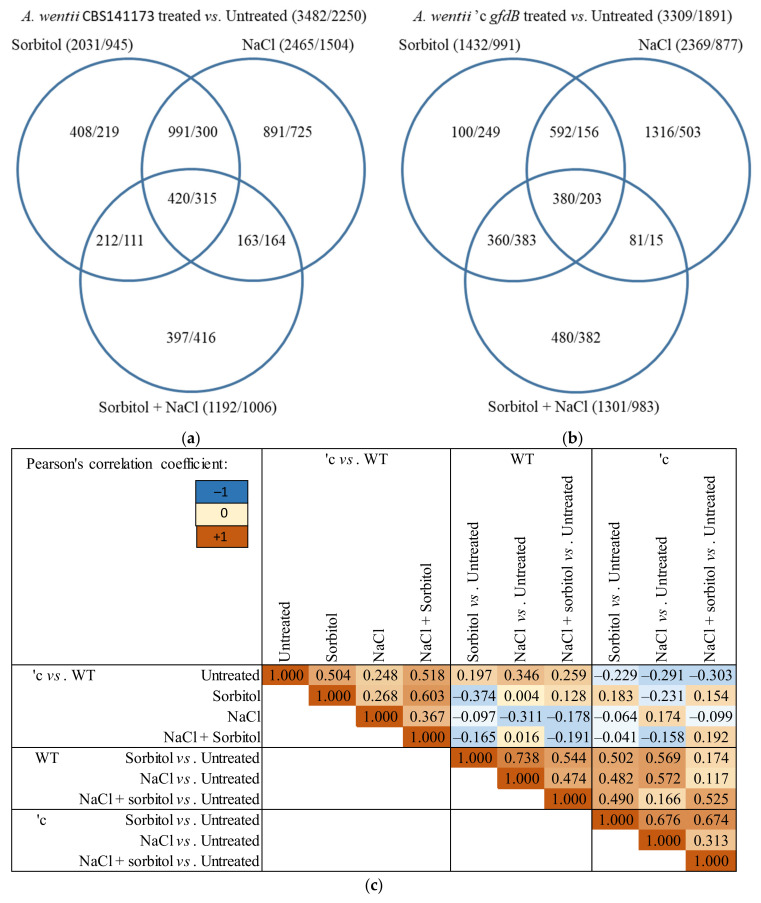 Figure 9
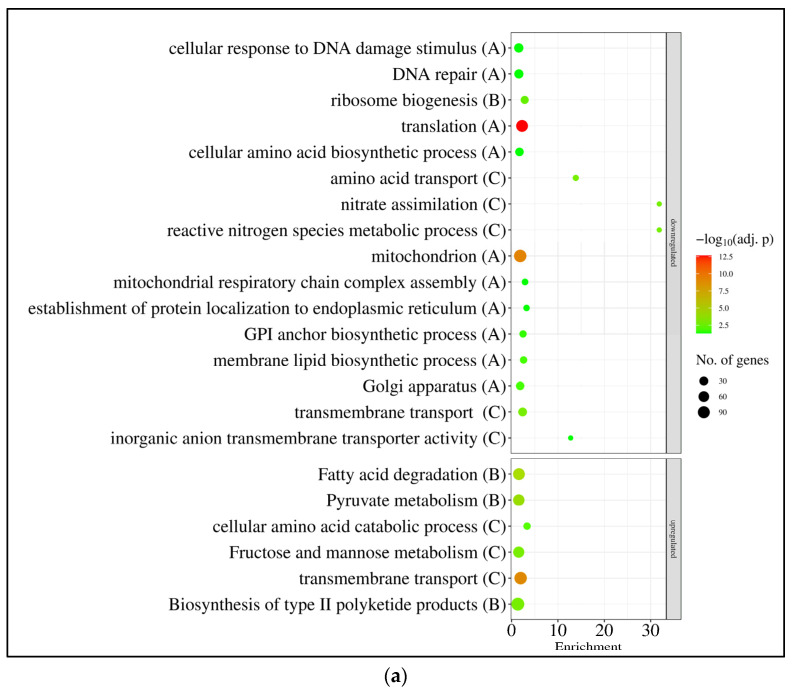 Figure 10
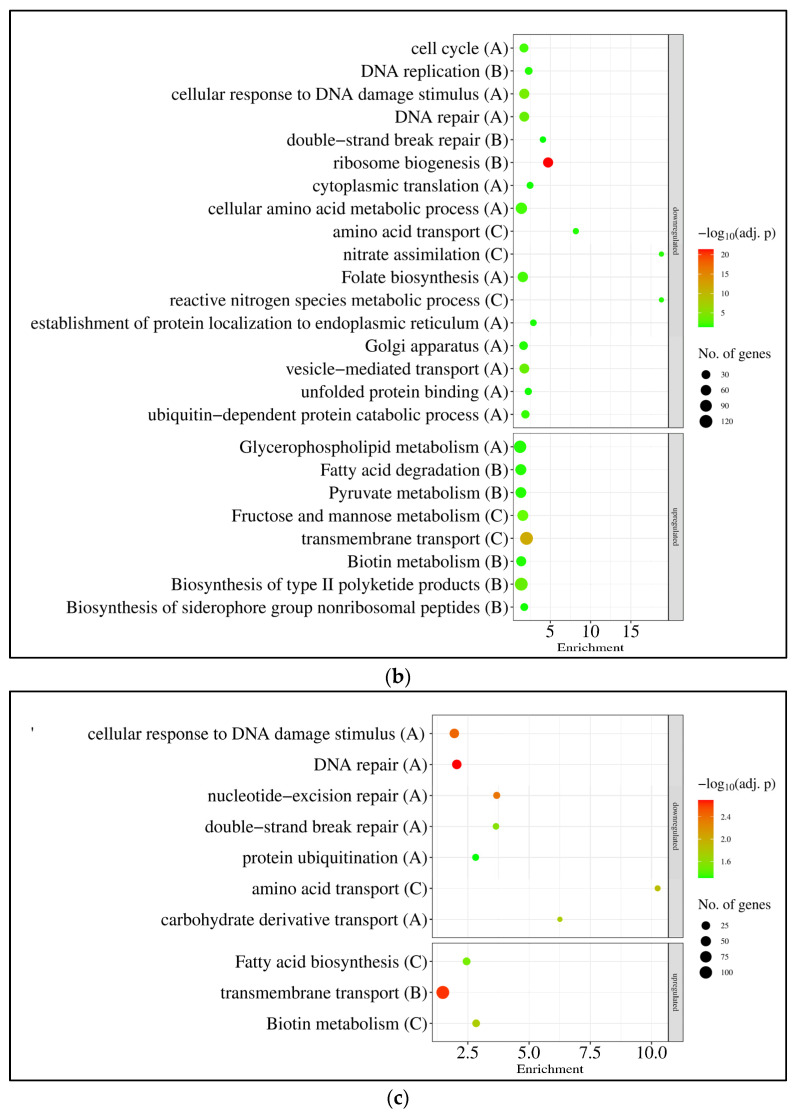 Figure 11
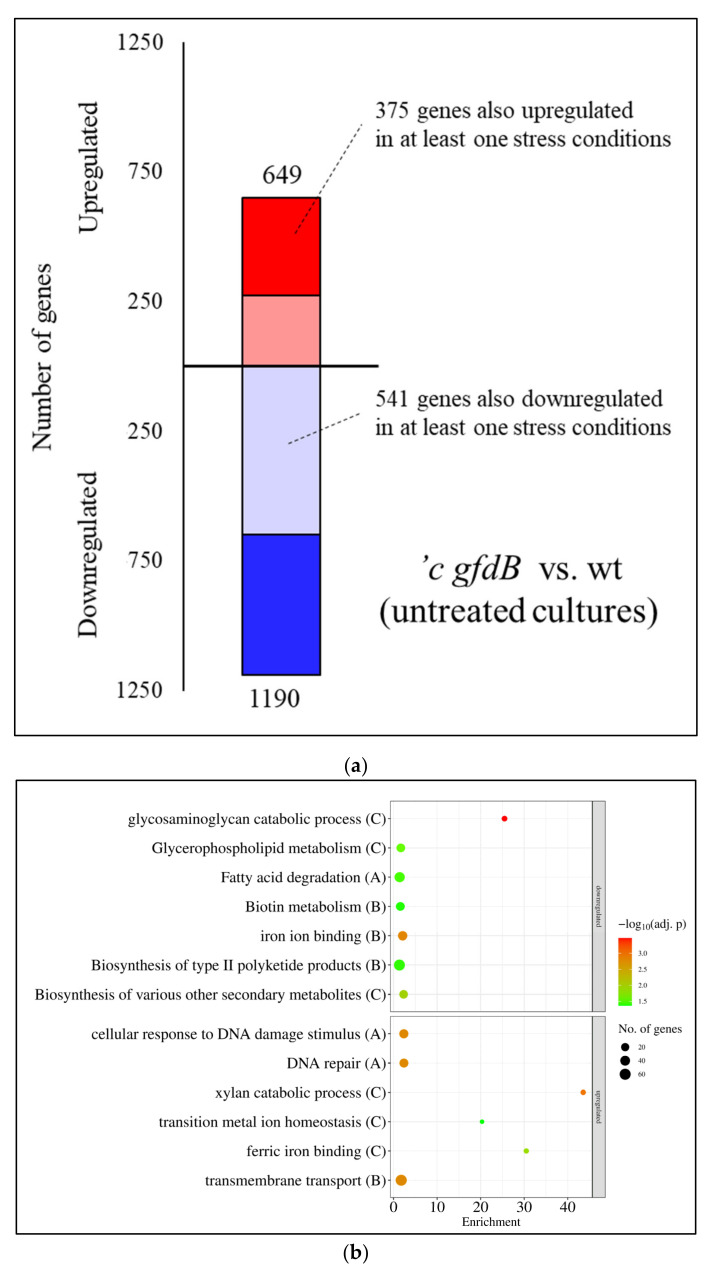 Figure 12
Peer Reviews
No public reviews on file for this paper yet. If you reviewed it on a platform where reviews are public (OpenReview, ICLR, NeurIPS, ICML), you can paste yours below so the community can read it here.
Videos
No videos yet. Explain this paper in a talk, walkthrough, or lecture? Add one.
Taxonomy
Topics3D Printing in Biomedical Research · Pluripotent Stem Cells Research · Neuroscience and Neural Engineering