Alteration of the Expression and Functional Activities of Myosin II Isoforms in Enlarged Hyperplastic Prostates
Xiao Wang, Weixiang He, Hui Chen, Rui Yang, Hongmei Su, Michael E. DiSanto, Xinhua Zhang

TL;DR
This study explores changes in myosin proteins in enlarged prostate tissues, linking these changes to urinary symptoms in aging men.
Contribution
The study identifies specific alterations in myosin isoforms in benign prostatic hyperplasia, offering new insights into the condition's pathogenesis.
Findings
BPH patients showed increased SM-1 and MLC17b isoform expression compared to controls.
Prostate myosin heavy chain (MHC) expression decreased significantly in BPH patients.
Non-muscle myosin heavy chain-B (NMMHC-B) was upregulated in BPH tissues.
Abstract
Introduction: Benign prostatic hyperplasia (BPH) is a common pathologic process in aging men, and the contraction of the prostatic smooth muscles (SMs) in the stroma plays a vital role in this pathogenesis, leading to lower urinary tract symptoms (LUTSs). The isoforms of both the SM myosin (SMM) and non-muscle myosin (NMM) are associated with the contraction type of the prostatic SMs, but the mechanism has not been fully elucidated. Methods: We collected prostate tissues from 30 BPH patients receiving surgical treatments, and normal human prostate samples were obtained from 12 brain-dead men. A testosterone-induced (T-induced) rat model was built, and the epithelial hyperplastic prostates were harvested. Competitive RT-PCR was used to detect the expression of SMM isoforms. We investigated the contractility of human prostate strips in vitro in an organ bath. Results: The results…
Genes, proteins, chemicals, diseases, species, mutations and cell lines named across the full text — each resolved to its canonical identifier and authoritative record.
Click any figure to enlarge with its caption.
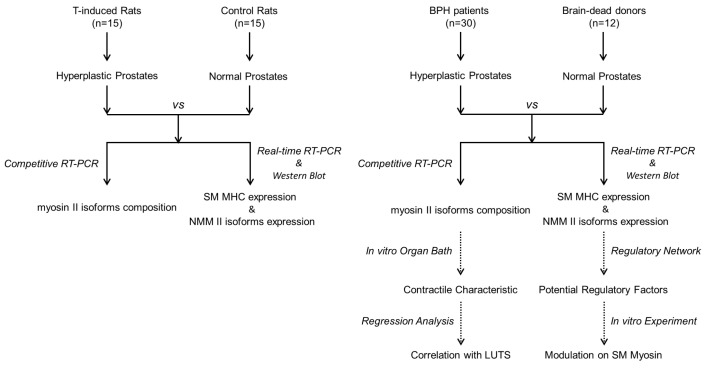 Figure 1
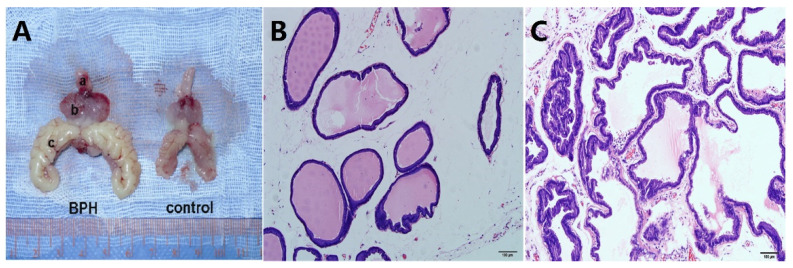 Figure 2
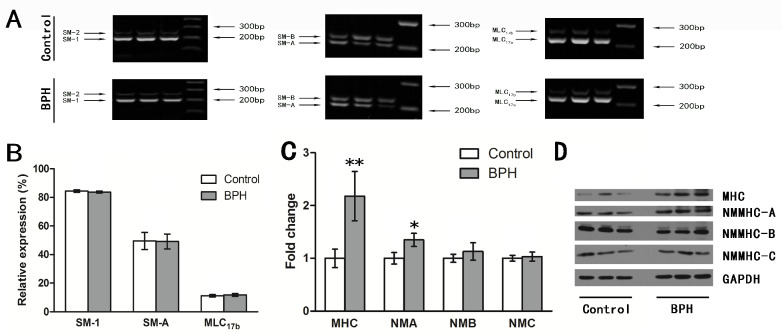 Figure 3
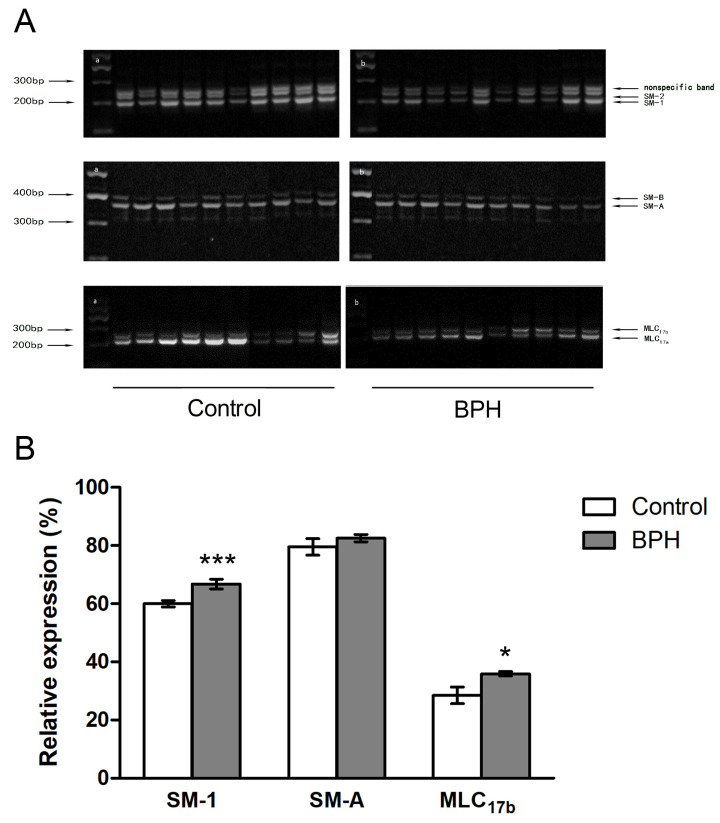 Figure 4
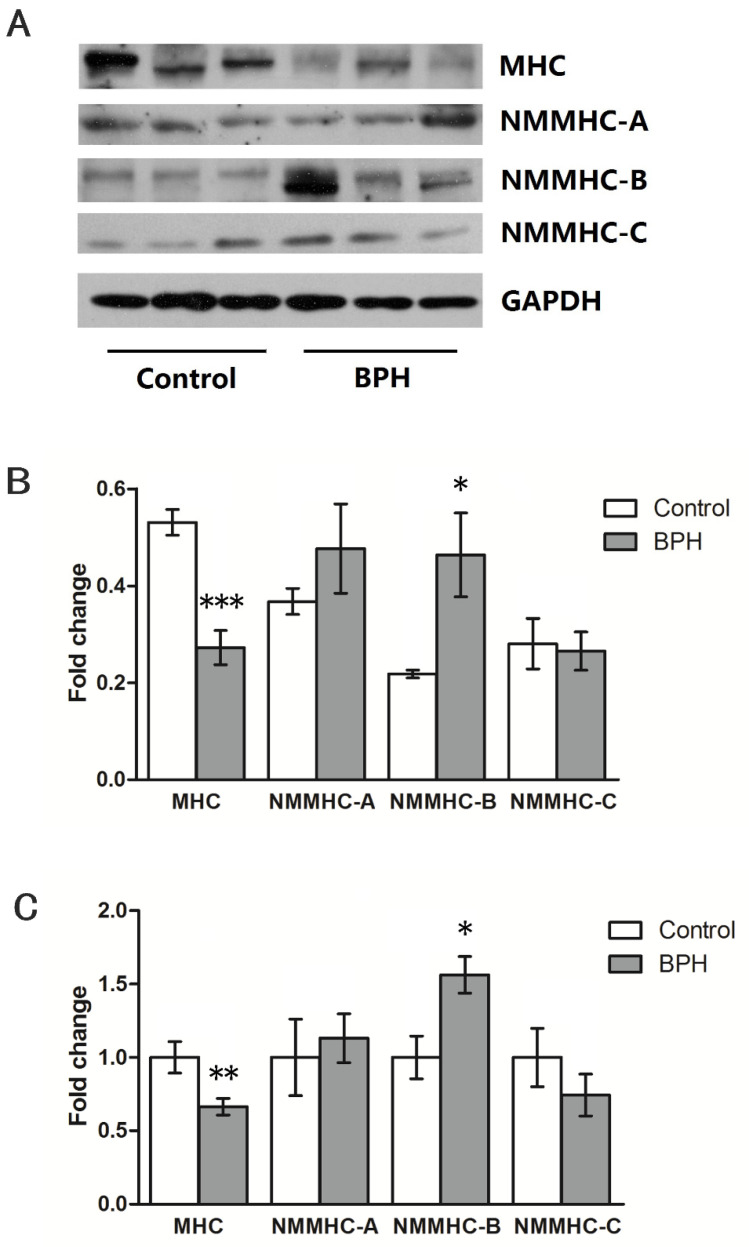 Figure 5
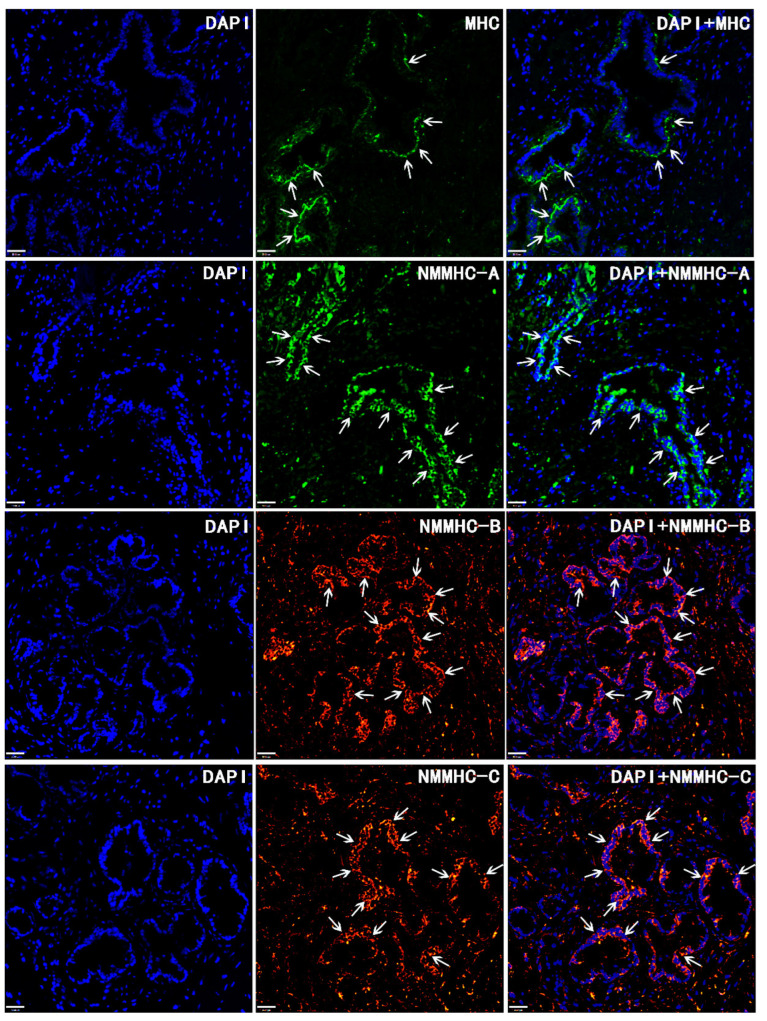 Figure 6
 Figure 7
 Figure 8
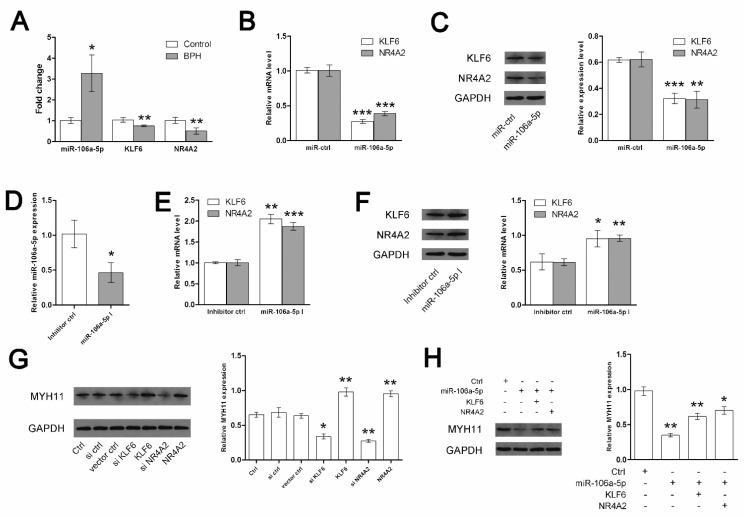 Figure 9
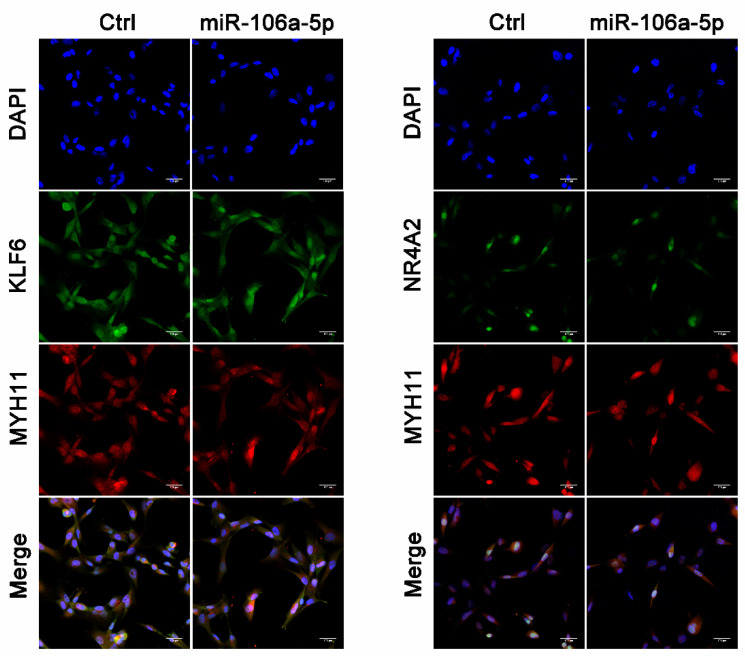 Figure 10
Peer Reviews
No public reviews on file for this paper yet. If you reviewed it on a platform where reviews are public (OpenReview, ICLR, NeurIPS, ICML), you can paste yours below so the community can read it here.
Videos
No videos yet. Explain this paper in a talk, walkthrough, or lecture? Add one.
Taxonomy
TopicsMolecular Biology Techniques and Applications · Prostate Cancer Treatment and Research · Cell Adhesion Molecules Research