Bacterioruberin: Biosynthesis, Antioxidant Activity, and Therapeutic Applications in Cancer and Immune Pathologies
Micaela Giani, Carmen Pire, Rosa María Martínez-Espinosa

TL;DR
This paper reviews bacterioruberin, a carotenoid from halophilic archaea, and its potential as an antioxidant and therapeutic agent for cancer and immune-related diseases.
Contribution
The paper provides a comprehensive review of bacterioruberin's biosynthesis, antioxidant activity, and therapeutic potential in cancer and immune pathologies.
Findings
Bacterioruberin and its derivatives exhibit strong antioxidant properties.
These carotenoids show antitumoral and immunomodulatory activities.
They are promising natural biomolecules for pharmaceutical applications.
Abstract
Halophilic archaea, also termed haloarchaea, are a group of moderate and extreme halophilic microorganisms that constitute the major microbial populations in hypersaline environments. In these ecosystems, mainly aquatic, haloarchaea are constantly exposed to ionic and oxidative stress due to saturated salt concentrations and high incidences of UV radiation (mainly in summer). To survive under these harsh conditions, haloarchaea have developed molecular adaptations including hyperpigmentation. Regarding pigmentation, haloarchaeal species mainly synthesise the rare C50 carotenoid called bacterioruberin (BR) and its derivatives, monoanhydrobacterioruberin and bisanhydrobacterioruberin. Due to their colours and extraordinary antioxidant properties, BR and its derivatives have been the aim of research in several research groups all over the world during the last decade. This review aims to…
Genes, proteins, chemicals, diseases, species, mutations and cell lines named across the full text — each resolved to its canonical identifier and authoritative record.
Click any figure to enlarge with its caption.
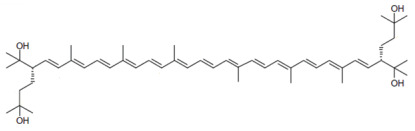 Figure 1
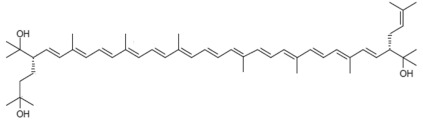 Figure 2
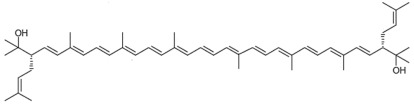 Figure 3
Peer Reviews
No public reviews on file for this paper yet. If you reviewed it on a platform where reviews are public (OpenReview, ICLR, NeurIPS, ICML), you can paste yours below so the community can read it here.
Videos
No videos yet. Explain this paper in a talk, walkthrough, or lecture? Add one.
Taxonomy
TopicsComparative Literary Analysis and Criticism