Aroplectrus dimerus (Hymenoptera: Eulophidae), Ectoparasitoid of the Nettle Caterpillar, Oxyplax pallivitta (Lepidoptera: Limacodidae): Evaluation in the Hawaiian Islands
Juliana A. Yalemar, Walter T. Nagamine, Renato C. Bautista, Dexter Y. Cho, Larry M. Nakahara, Mohsen M. Ramadan

TL;DR
A parasitic wasp, Aroplectrus dimerus, was introduced to control stinging nettle caterpillars in Hawaii, showing some success but facing challenges from hyperparasitoids.
Contribution
This study evaluates the effectiveness and host specificity of Aroplectrus dimerus as a biological control agent for Oxyplax pallivitta in Hawaii.
Findings
Aroplectrus dimerus showed host specificity to limacodid species and was approved for field release in 2010.
Field parasitism averaged 18.9% on Oahu Island, with a significant reduction in male moth captures.
Hyperparasitism by Pediobius imbreus reduced the efficiency of A. dimerus, with 27.3% hyperparasitism observed on Oahu.
Abstract
The stinging nettle caterpillar, Oxyplax (syn. Darna) pallivitta (Lepidoptera: Limacodidae), is a serious invasive pest of agricultural products and a health hazard on the Hawaiian Islands first discovered in 2001. Nursery workers and homeowners have been stung by the caterpillars while handling their plants, especially rhapis palms (Rhapis sp.). Throughout its invaded range, it causes widespread damage, including the many cultivated and native palm species that have grown in Hawaii. Larvae contain urticating hairs that secrete a toxin, causing painful skin swelling and irritation on contact. Horticulture and nursery products impacted by the limacodid pest are estimated at $84.3 million (2018 value). Suppression efforts with pesticides and lure traps were ineffective, and the moth population continued to spread to major Hawaiian Islands (Hawaii, Kauai, Maui, Oahu). The introduction of…
Genes, proteins, chemicals, diseases, species, mutations and cell lines named across the full text — each resolved to its canonical identifier and authoritative record.
Click any figure to enlarge with its caption.
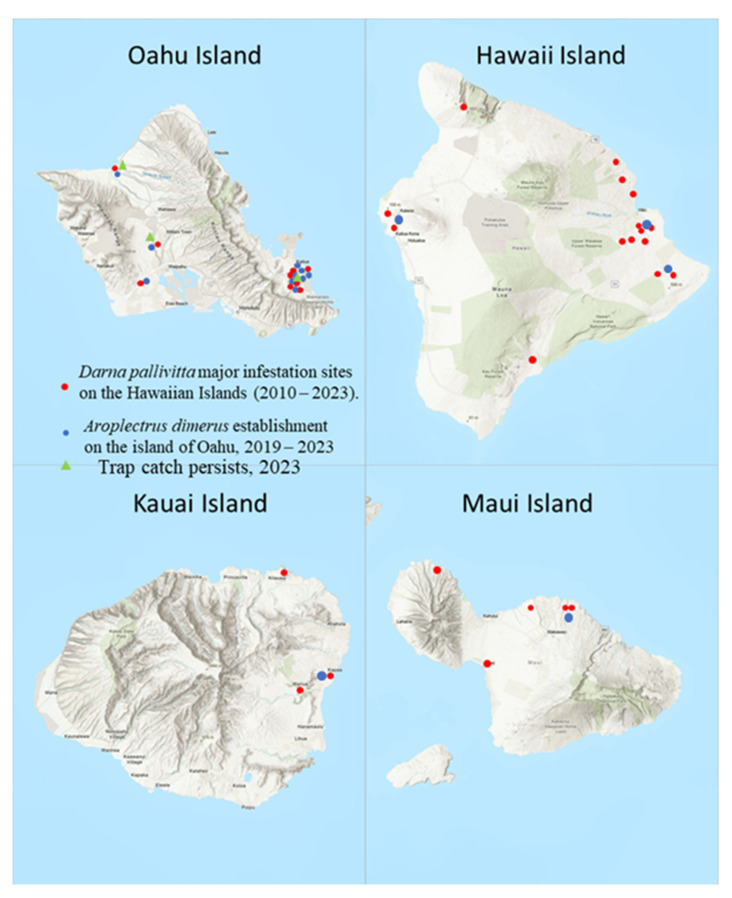 Figure 1
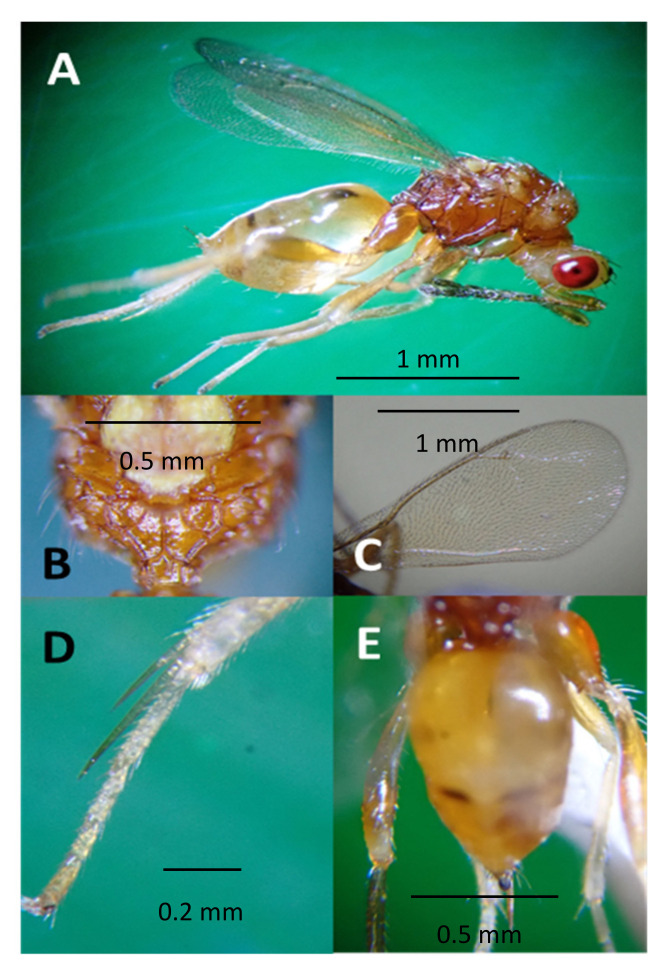 Figure 2
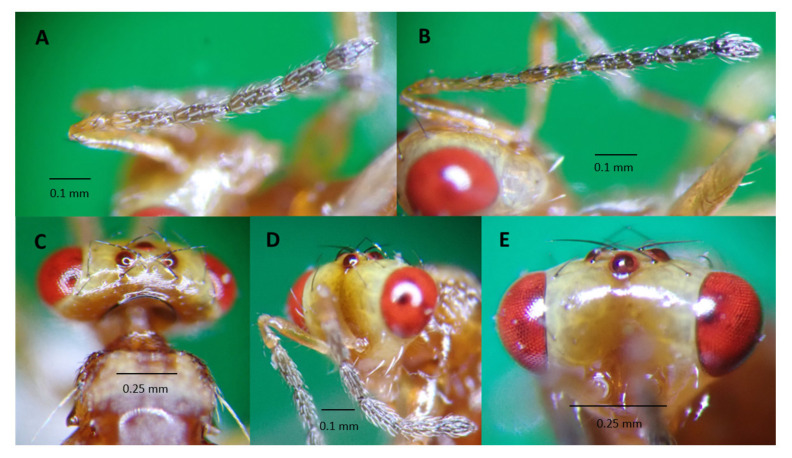 Figure 3
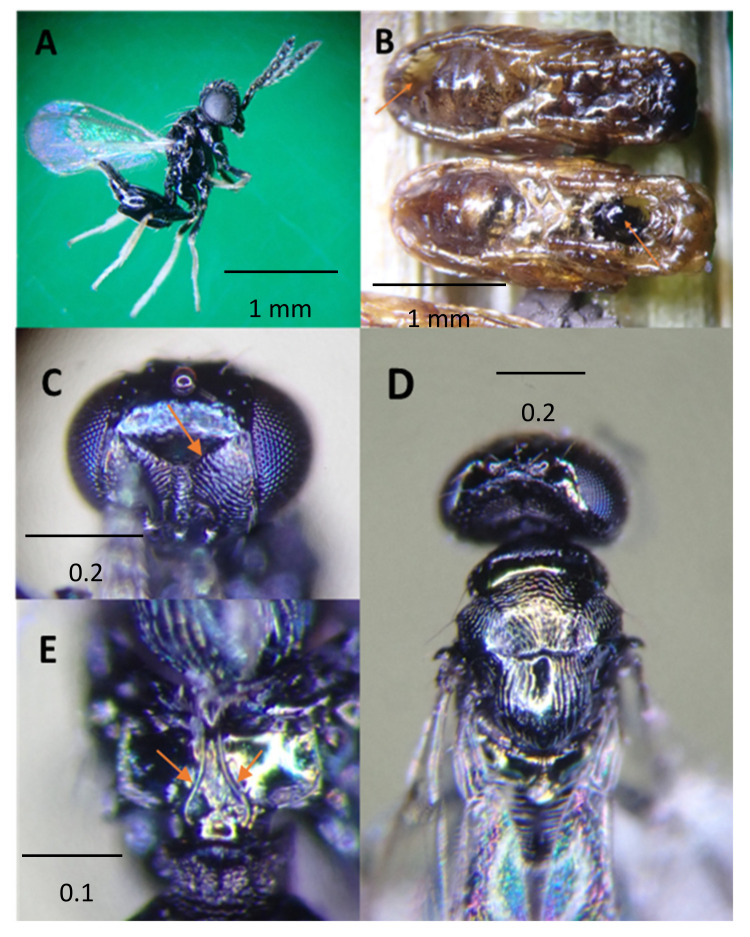 Figure 4
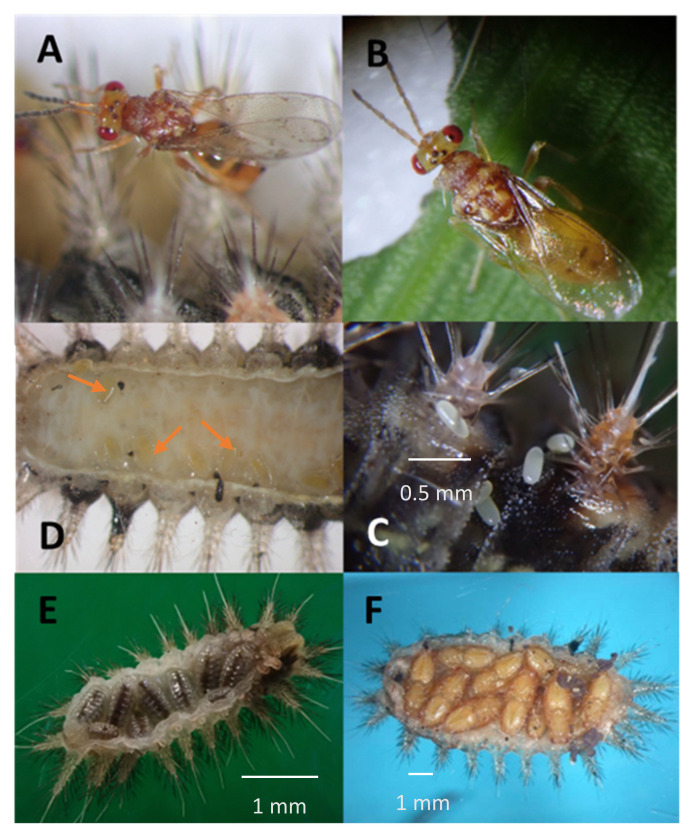 Figure 5
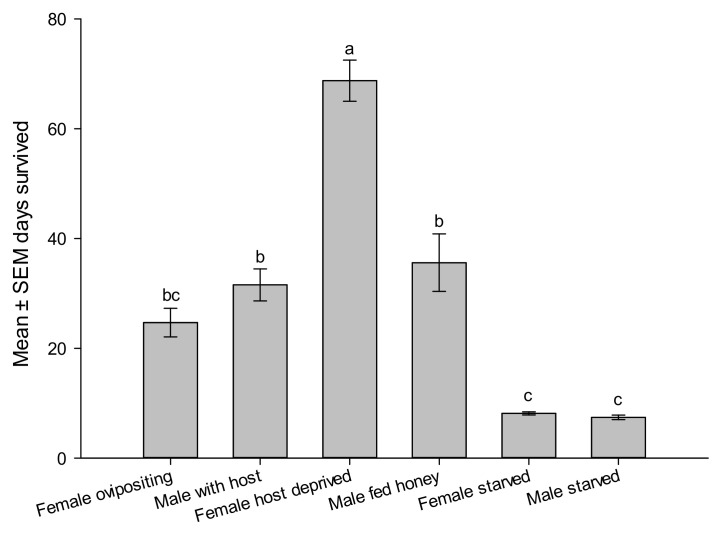 Figure 6
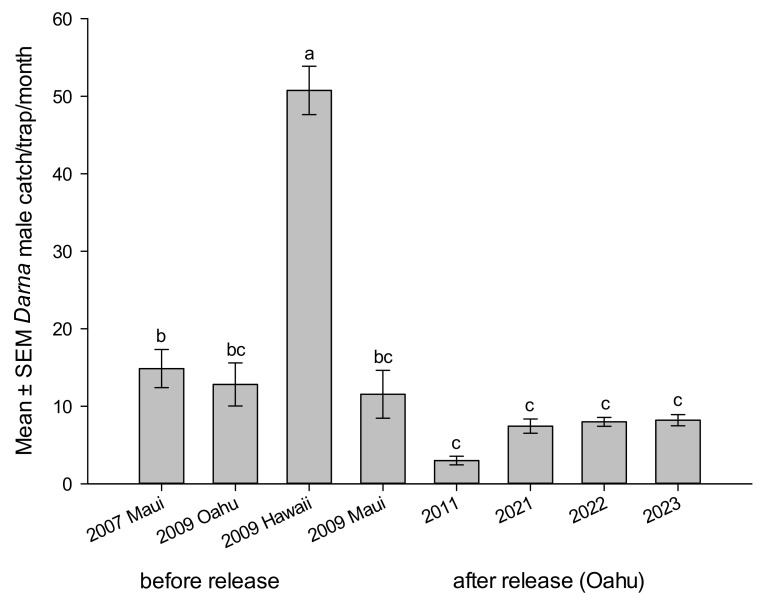 Figure 7
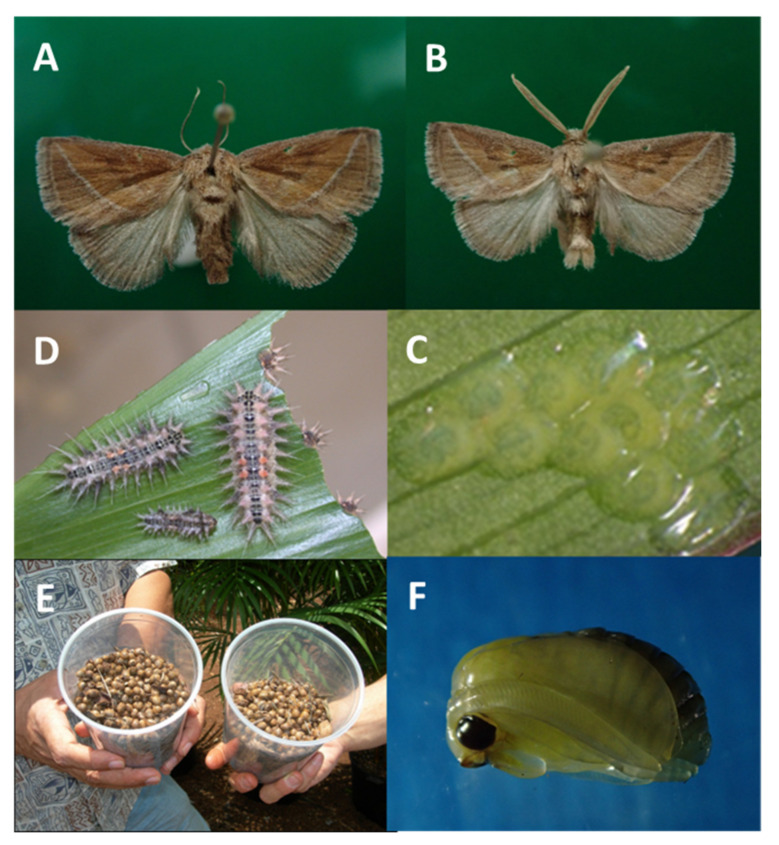 Figure 8
Peer Reviews
No public reviews on file for this paper yet. If you reviewed it on a platform where reviews are public (OpenReview, ICLR, NeurIPS, ICML), you can paste yours below so the community can read it here.
Videos
No videos yet. Explain this paper in a talk, walkthrough, or lecture? Add one.
Taxonomy
TopicsResearch on scale insects · Hymenoptera taxonomy and phylogeny · Insect-Plant Interactions and Control