Similar Short-Term Outcomes of Adolescent Idiopathic Scoliosis Surgery with or without Drainage: A Systematic Review of the Literature and Meta-Analysis
Alberto Ruffilli, Matteo Traversari, Giovanni Viroli, Marco Manzetti, Marco Ialuna, Manuele Morandi Guaitoli, Antonio Mazzotti, Elena Artioli, Simone Ottavio Zielli, Alberto Arceri, Cesare Faldini

TL;DR
This study finds no significant short-term differences in outcomes for scoliosis surgery with or without drainage, suggesting decisions should be based on clinical judgment.
Contribution
The study provides a systematic review and meta-analysis on the use of drainage in adolescent scoliosis surgery, an area with limited evidence.
Findings
No significant difference in blood transfusion rates between groups with and without drainage.
No significant difference in hospital stay duration between the two groups.
Complications and reintervention rates were higher in the no-drainage group but not statistically significant.
Abstract
The use of closed suction drains post posterior spinal fusion for adolescent idiopathic scoliosis (AIS) is common practice, although evidence on its impact is limited compared to that for knee and hip arthroplasty. This study aimed to assess the effect of closed suction drainage on short-term post-operative outcomes in AIS surgery. A systematic review following PRISMA guidelines was conducted, including studies comparing outcomes with and without drainage. Data on blood loss, transfusions, hospital stay, and complications were collected and subjected to meta-analysis. Five studies involving 772 patients were analyzed. The meta-analysis found no significant difference in blood transfusion rates (p = 0.107) or hospital stay (p = 0.457) between groups. Complications, including surgical site infections, were more common without drainage, though not statistically significant (p = 0.356).…
Genes, proteins, chemicals, diseases, species, mutations and cell lines named across the full text — each resolved to its canonical identifier and authoritative record.
Click any figure to enlarge with its caption.
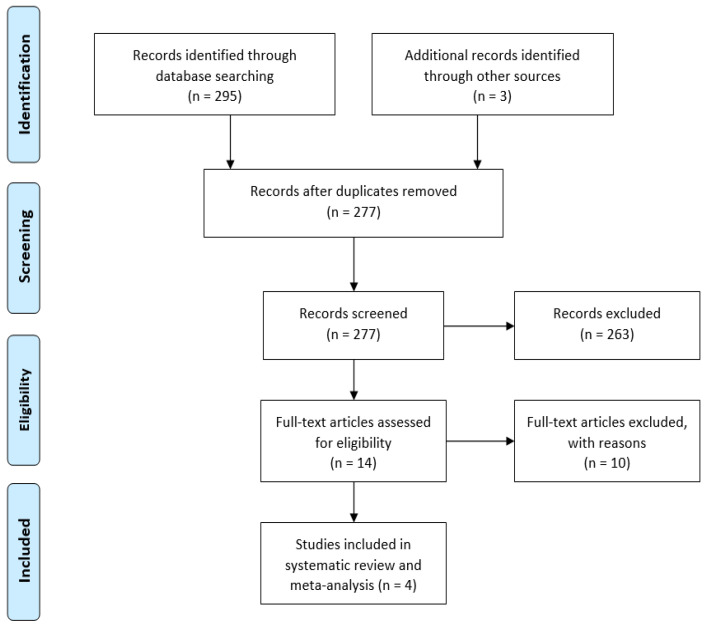 Figure 1
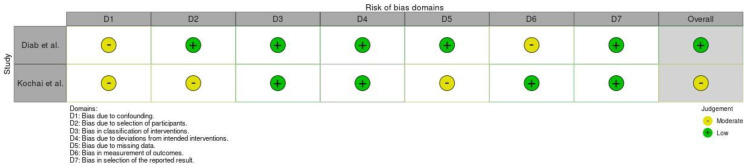 Figure 2
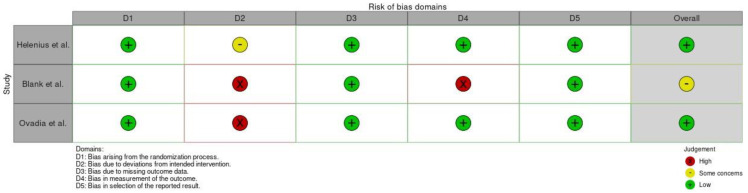 Figure 3
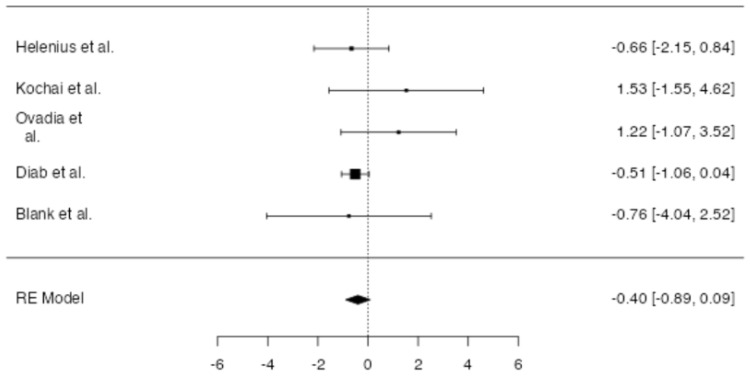 Figure 4
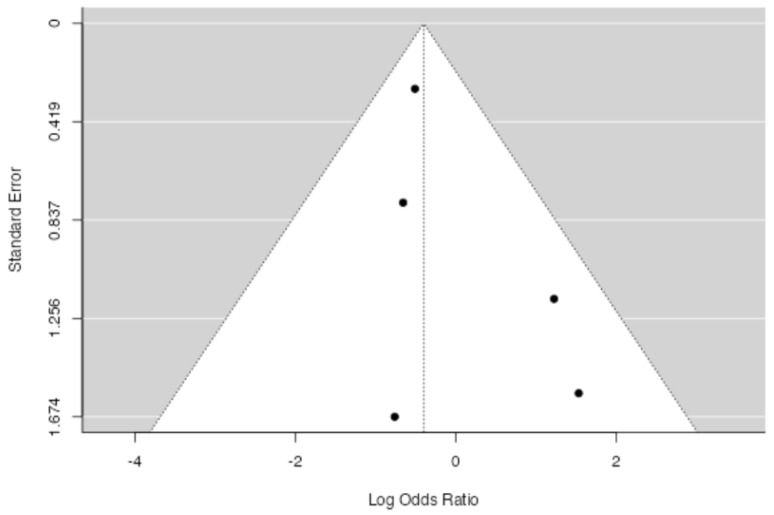 Figure 5
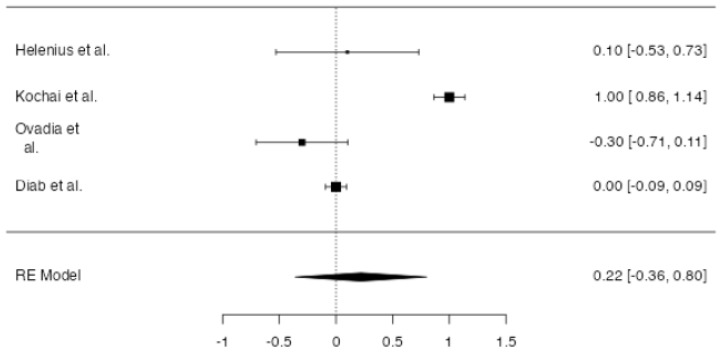 Figure 6
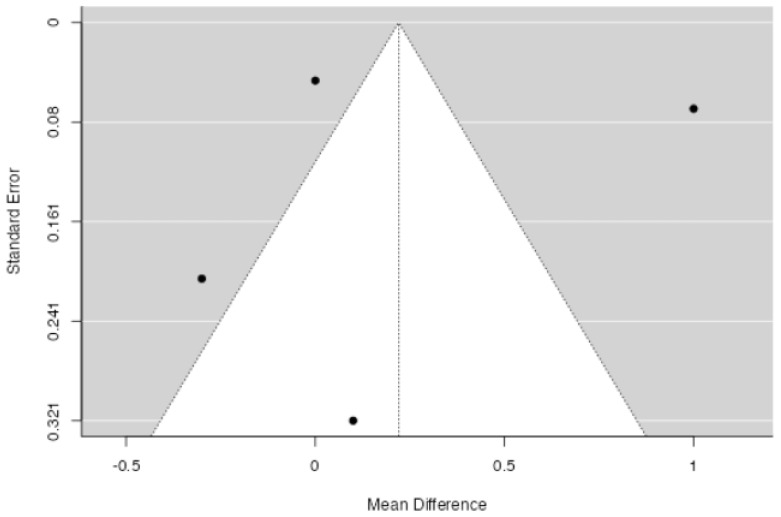 Figure 7
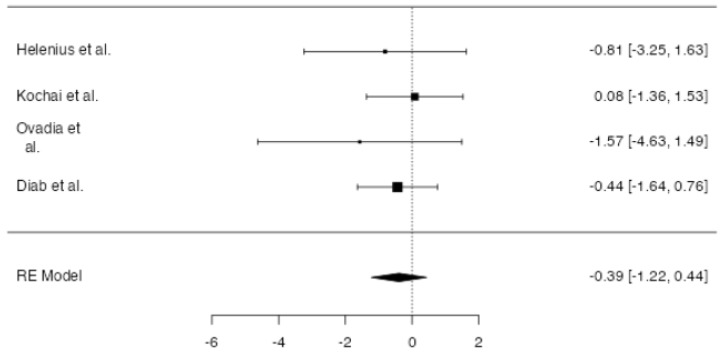 Figure 8
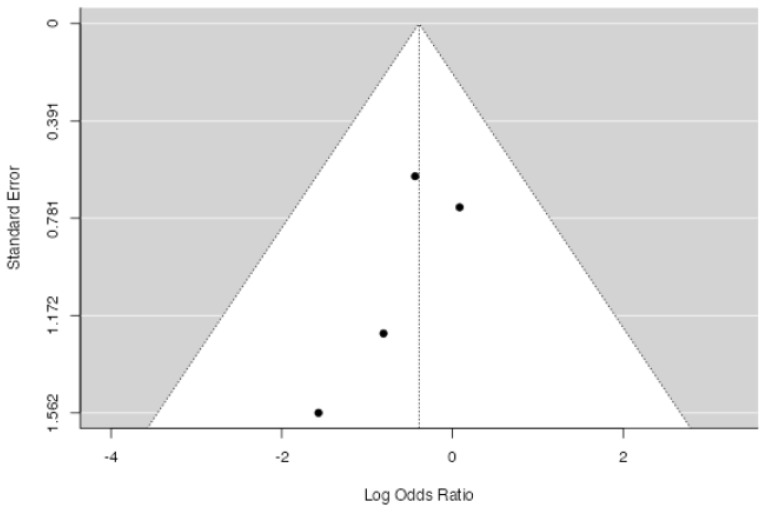 Figure 9
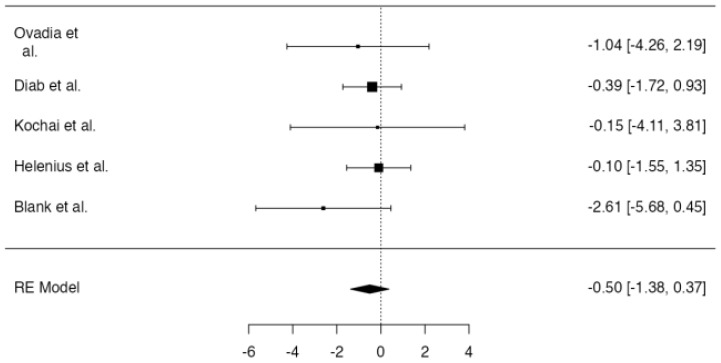 Figure 10
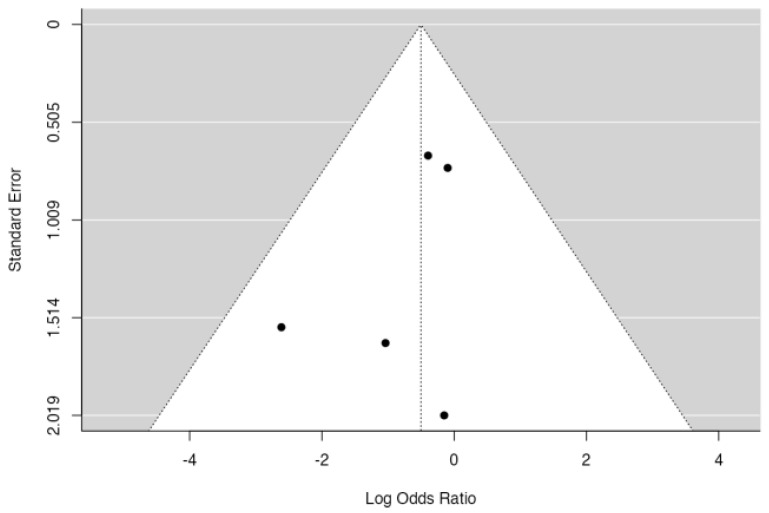 Figure 11
Peer Reviews
No public reviews on file for this paper yet. If you reviewed it on a platform where reviews are public (OpenReview, ICLR, NeurIPS, ICML), you can paste yours below so the community can read it here.
Videos
No videos yet. Explain this paper in a talk, walkthrough, or lecture? Add one.
Taxonomy
TopicsScoliosis diagnosis and treatment · Pelvic and Acetabular Injuries · Spinal Fractures and Fixation Techniques