Electrochemical Characterization of Electrodeposited Copper in Amine CO2 Capture Media
Corentin Penot, Kranthi Kumar Maniam, Shiladitya Paul

TL;DR
This study examines how different amines affect the stability of copper catalysts in electrochemical CO2 reduction, finding that primary amines like MEA are more compatible than tertiary amines like MDEA.
Contribution
The study introduces insights into the corrosion behavior of copper in various amine media and demonstrates the benefits of pulse ECR strategies for stability.
Findings
MEA shows the highest corrosion rate but remains within acceptable limits for ECR operations.
Primary amines like MEA resist carbonate salt precipitation and maintain long-term stability.
Pulse ECR strategies reduce deposit formation and stabilize cathodic potential.
Abstract
This study explores the stability of electrodeposited copper catalysts utilized in electrochemical CO2 reduction (ECR) across various amine media. The focus is on understanding the influence of different amine types, corrosion ramifications, and the efficacy of pulse ECR methodologies. Employing a suite of electrochemical techniques including potentiodynamic polarization, linear resistance polarization, cyclic voltammetry, and chronopotentiometry, the investigation reveals useful insights. The findings show that among the tested amines, CO2-rich monoethanolamine (MEA) exhibits the highest corrosion rate. However, in most cases, the rates remain within tolerable limits for ECR operations. Primary amines, notably monoethanolamine (MEA), show enhanced compatibility with ECR processes, attributable to their resistance against carbonate salt precipitation and sustained stability over…
Genes, proteins, chemicals, diseases, species, mutations and cell lines named across the full text — each resolved to its canonical identifier and authoritative record.
Click any figure to enlarge with its caption.
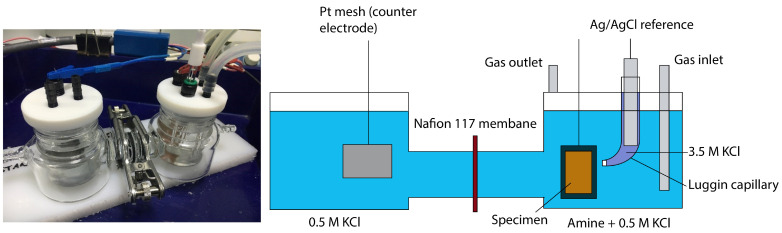 Figure 1
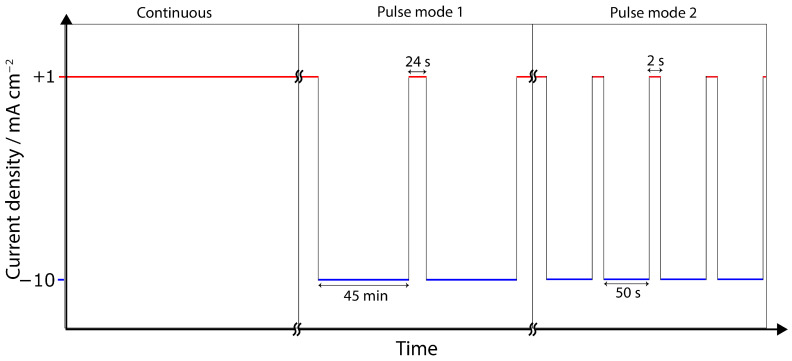 Figure 2
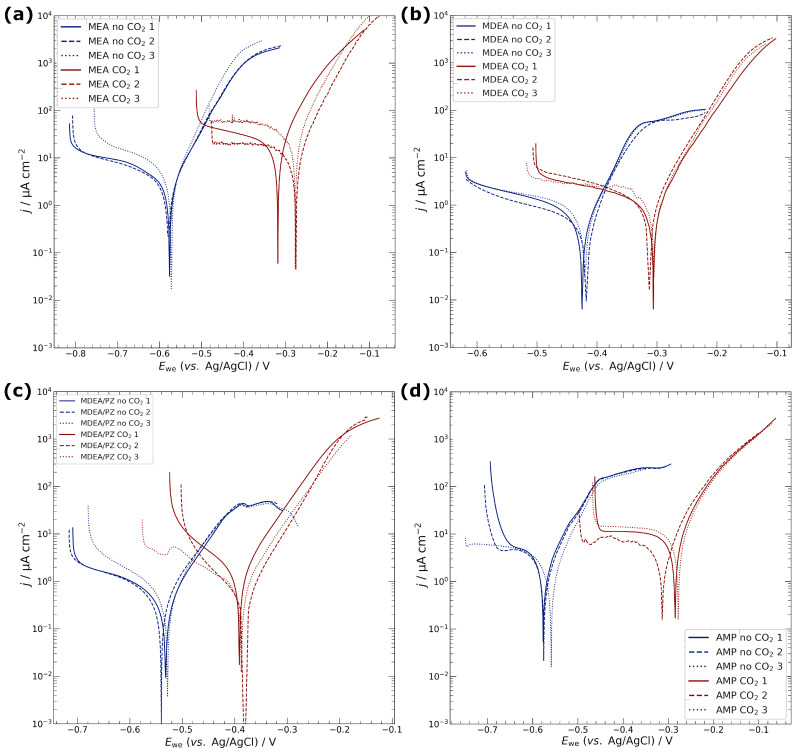 Figure 3
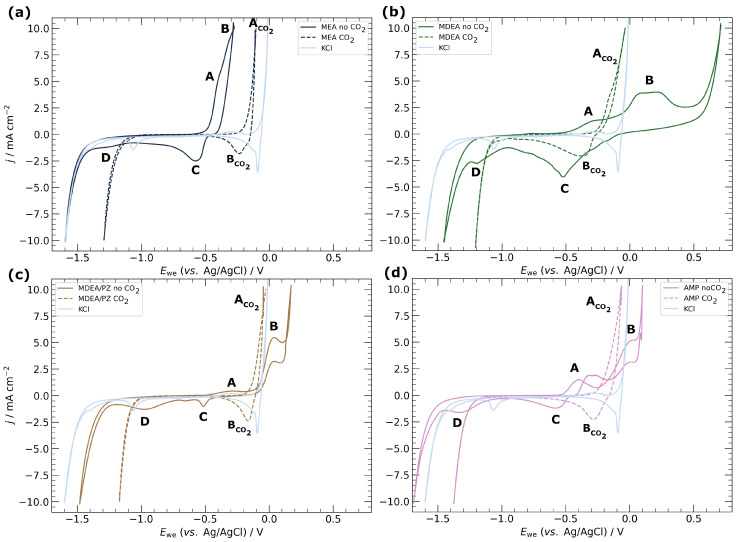 Figure 4
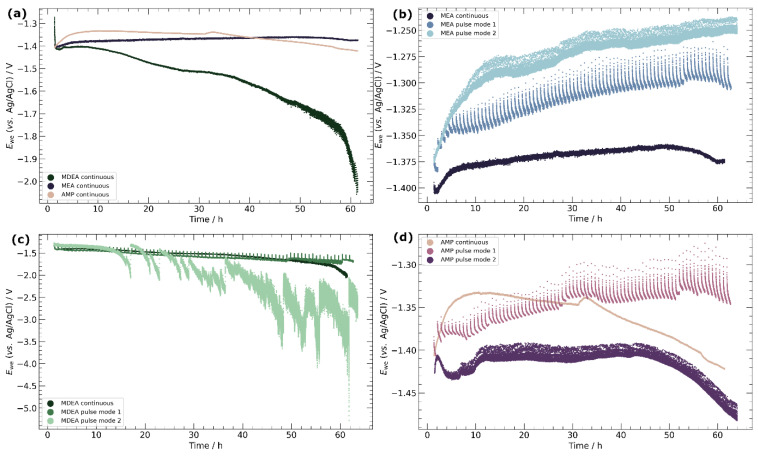 Figure 5
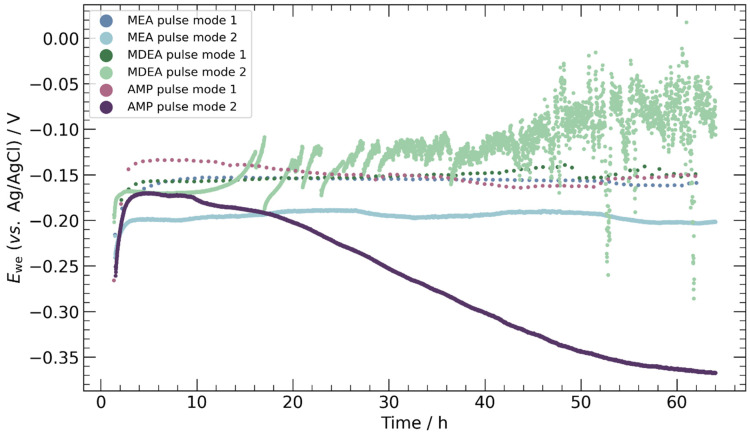 Figure 6
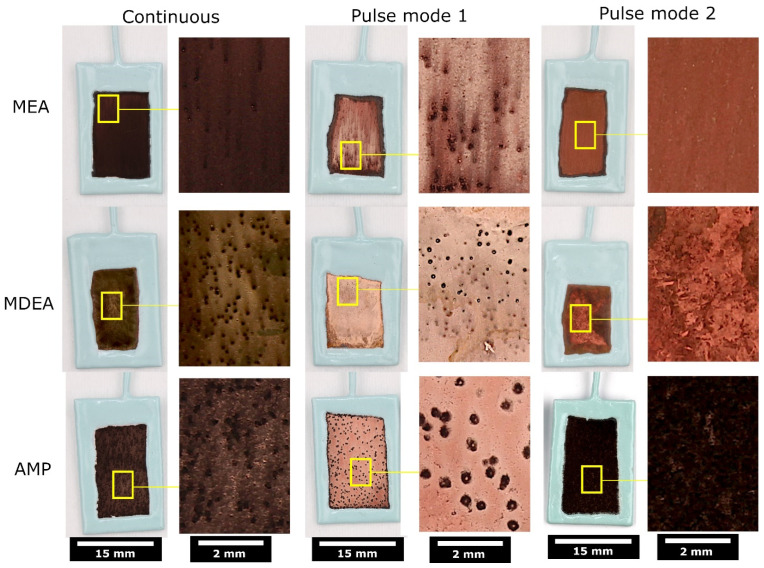 Figure 7
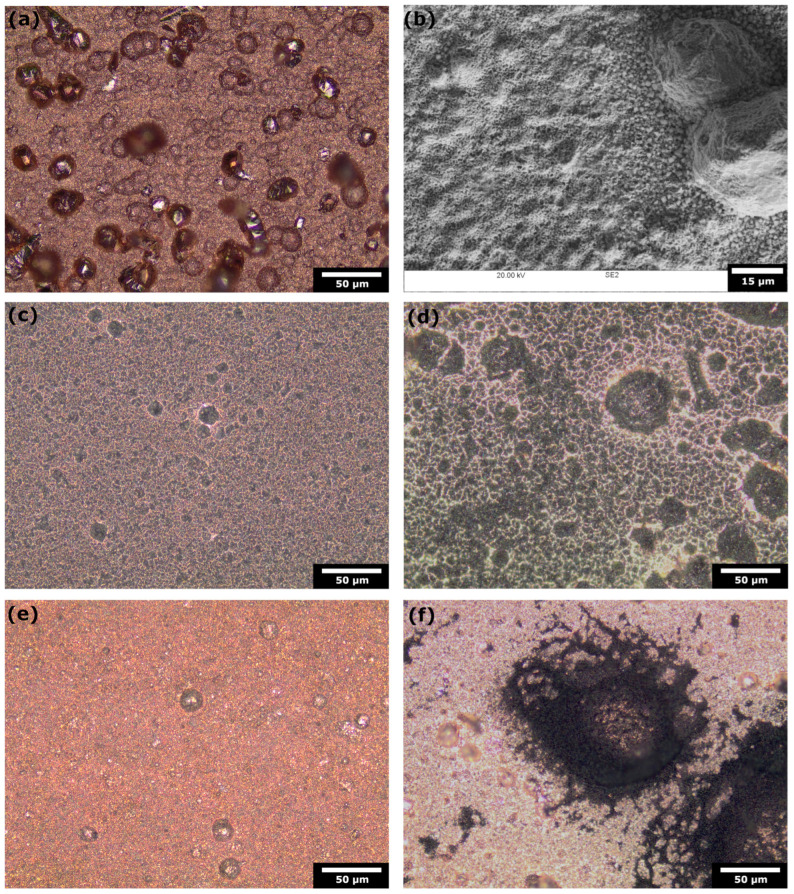 Figure 8
Peer Reviews
No public reviews on file for this paper yet. If you reviewed it on a platform where reviews are public (OpenReview, ICLR, NeurIPS, ICML), you can paste yours below so the community can read it here.
Videos
No videos yet. Explain this paper in a talk, walkthrough, or lecture? Add one.
Taxonomy
TopicsCO2 Reduction Techniques and Catalysts · Covalent Organic Framework Applications · Ionic liquids properties and applications