The Value of the Electrocardiogram in Adult Congenital Heart Disease
William A. Schiavone, David S. Majdalany

TL;DR
This paper explains how the electrocardiogram (EKG) is a valuable tool for diagnosing and monitoring adult congenital heart disease.
Contribution
The paper highlights the diagnostic and monitoring utility of EKG in adult congenital heart disease, emphasizing its role before imaging.
Findings
EKG findings often reflect the anatomic position of the cardiac conduction system in ACHD.
EKG can detect chamber hypertrophy or arrhythmias caused by congenital defects.
EKG is useful for monitoring ACHD patients over time, especially after surgical or device repair.
Abstract
The electrocardiogram is the first test that is undertaken when evaluating a patient’s heart. Diagnosing congenital heart disease in an adult (ACHD) can be facilitated by knowing the classical electrocardiographic (EKG) findings. These EKG findings often result from the congenital defect that prevents a part of the cardiac conduction system from occupying its normal anatomic position. When these classical EKG findings are not present, the clinician should consider alternate diagnoses. As the patient with congenital heart disease ages, with native anatomy or after surgical or device repair, the EKG can be used to assess the patient’s status and to decide if and when treatment requires adjustment. This is because the electrocardiogram (EKG) can diagnose the hypertrophy or enlargement in a cardiac chamber that results from the congenital defect or anomaly and can diagnose an arrhythmia…
Genes, proteins, chemicals, diseases, species, mutations and cell lines named across the full text — each resolved to its canonical identifier and authoritative record.
Click any figure to enlarge with its caption.
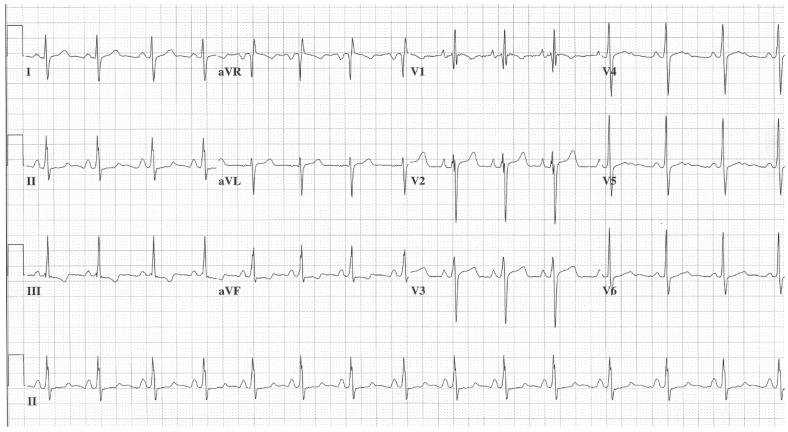 Figure 1
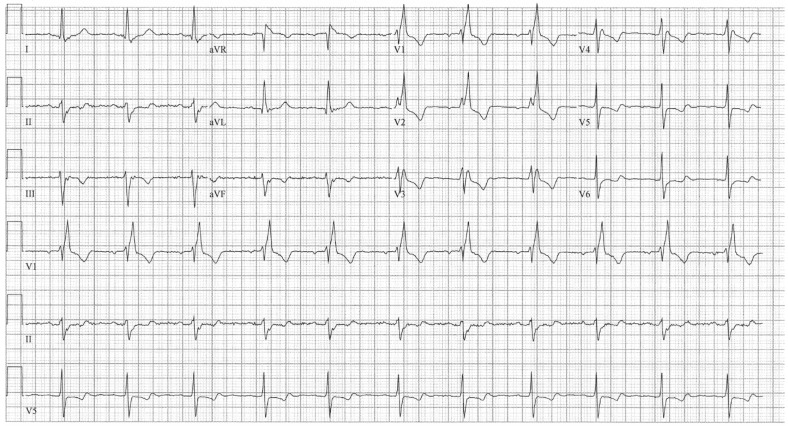 Figure 2
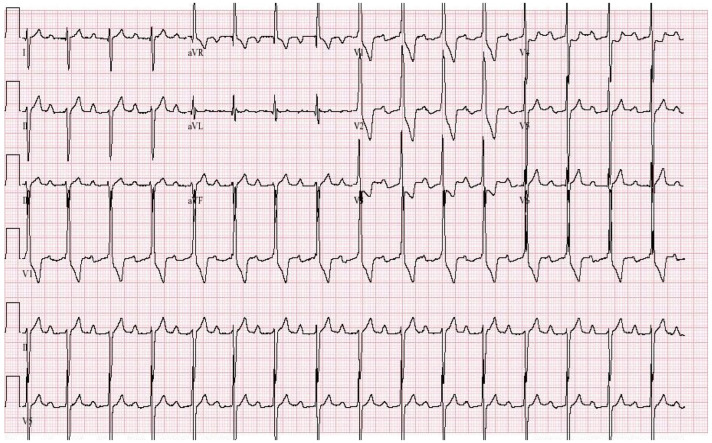 Figure 3
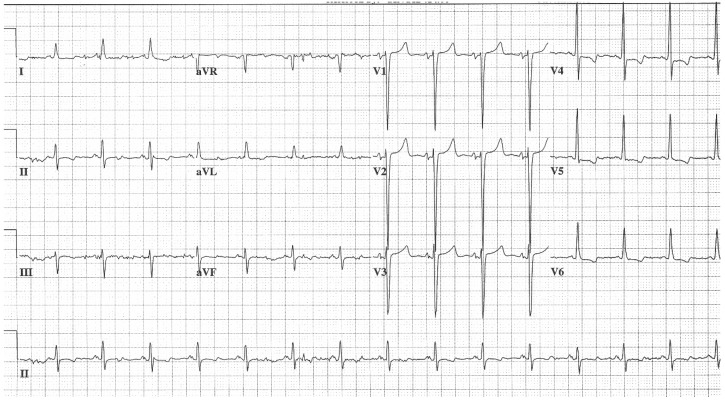 Figure 4
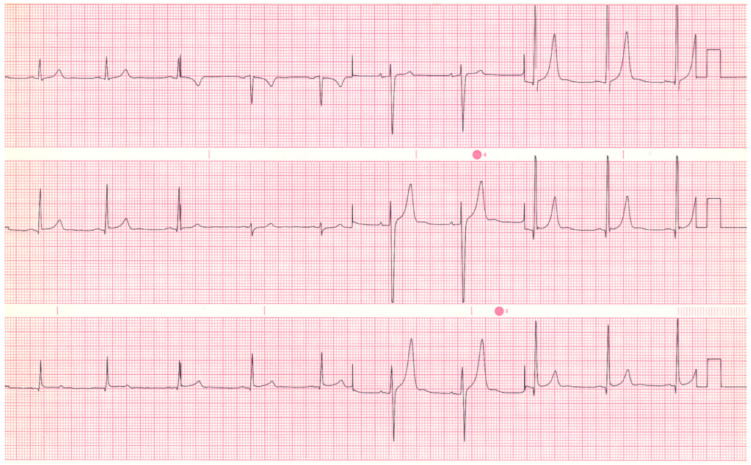 Figure 5
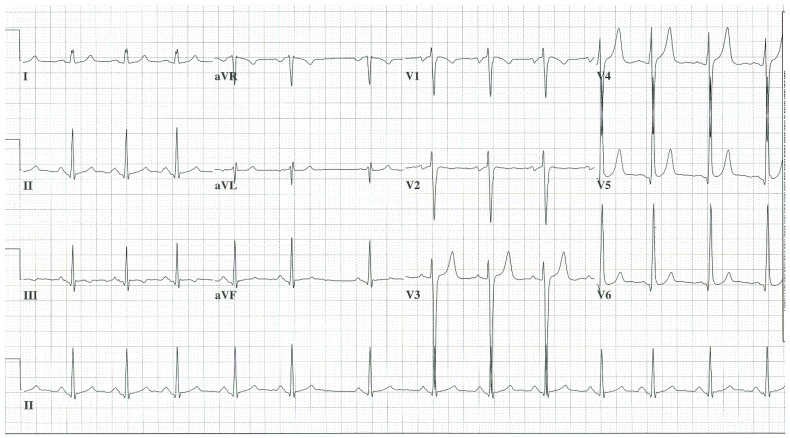 Figure 6
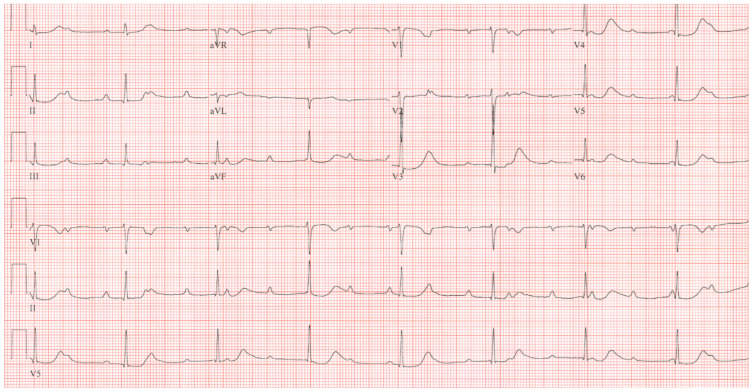 Figure 7
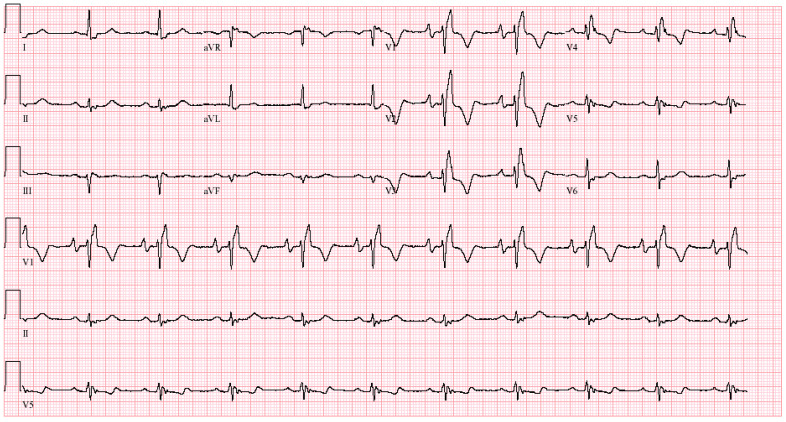 Figure 8
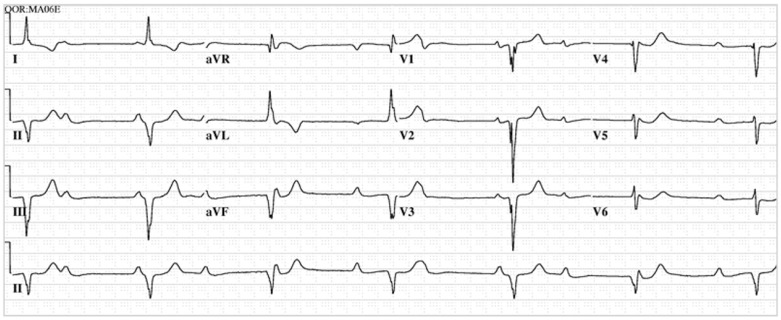 Figure 9
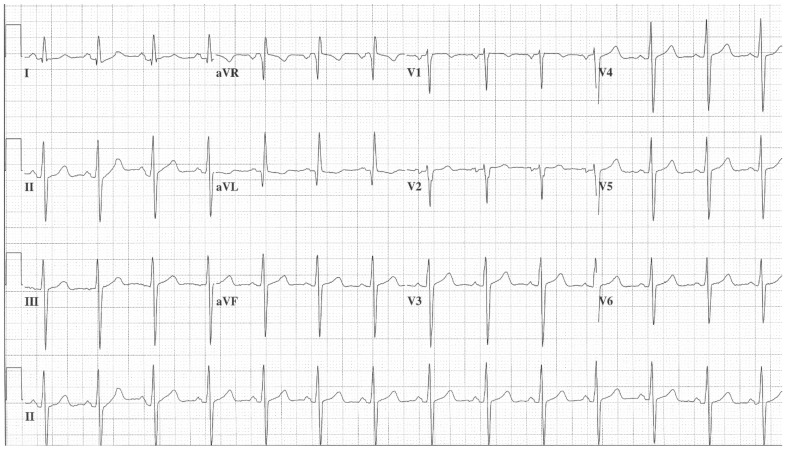 Figure 10
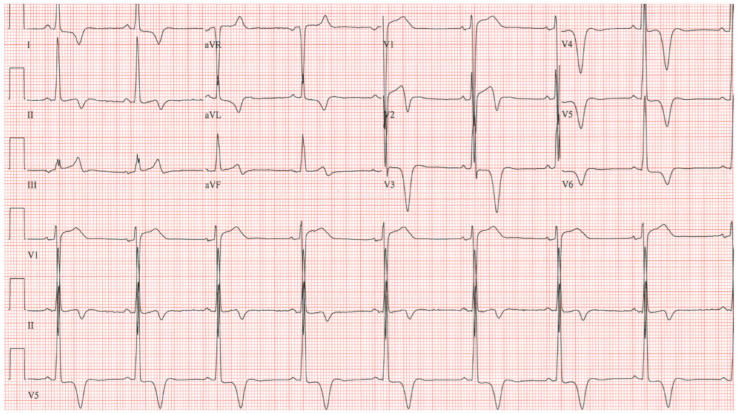 Figure 11
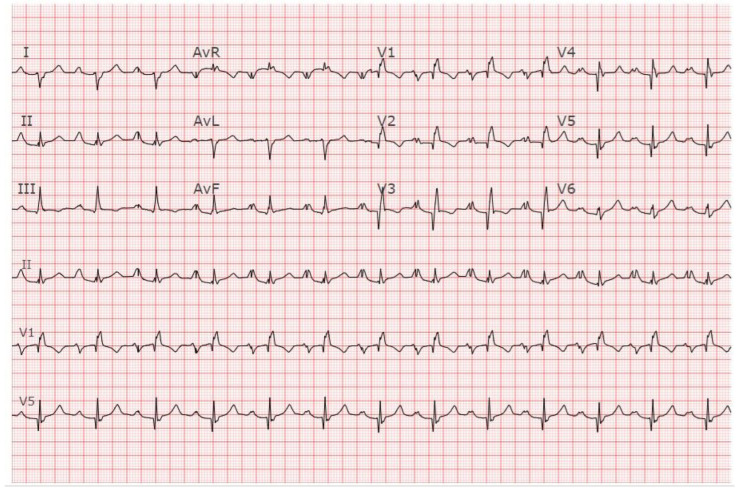 Figure 12
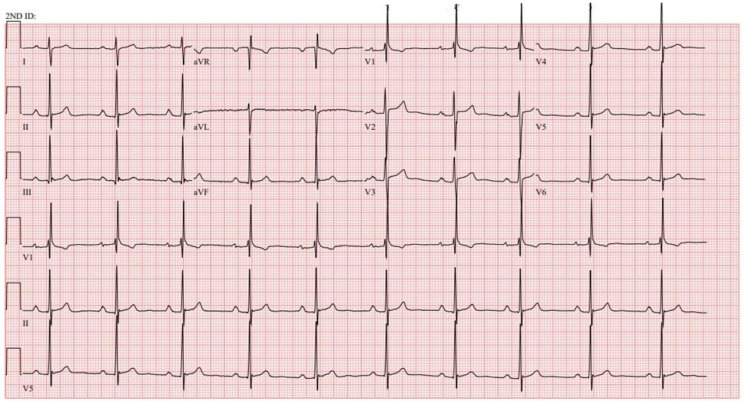 Figure 13
Peer Reviews
No public reviews on file for this paper yet. If you reviewed it on a platform where reviews are public (OpenReview, ICLR, NeurIPS, ICML), you can paste yours below so the community can read it here.
Videos
No videos yet. Explain this paper in a talk, walkthrough, or lecture? Add one.
Taxonomy
TopicsCongenital Heart Disease Studies · Cardiac Arrhythmias and Treatments · Cardiac Structural Anomalies and Repair