Statistical Mechanics of Electrowetting
Michel Y. Louge, Yujie Wang

TL;DR
This paper develops a statistical mechanics model to predict how electrowetting affects contact angles on textured surfaces, revealing nine distinct regimes and validating the theory with experimental data.
Contribution
The paper introduces a novel statistical mechanics framework for electrowetting that explains contact angle hysteresis and regime transitions on textured surfaces.
Findings
The model identifies nine distinct contact angle regimes, three of which occur only under applied voltage.
Electrowetting can cause regime transitions that lead to jumps in contact angle and changes in hysteresis.
The theory aligns with experimental data and offers a systematic approach to designing surfaces with desired contact angle behavior.
Abstract
We derive the ab initio equilibrium statistical mechanics of the gas–liquid–solid contact angle on planar periodic, monodisperse, textured surfaces subject to electrowetting. To that end, we extend an earlier theory that predicts the advance or recession of the contact line amount to distinct first-order phase transitions of the filling state in the ensemble of nearby surface cavities. Upon calculating the individual capacitance of a cavity subject to the influence of its near neighbors, we show how hysteresis, which is manifested by different advancing and receding contact angles, is affected by electrowetting. The analysis reveals nine distinct regimes characterizing contact angle behavior, three of which arise only when a voltage is applied to the conductive liquid drop. As the square voltage is progressively increased, the theory elucidates how the drop occasionally undergoes regime…
Genes, proteins, chemicals, diseases, species, mutations and cell lines named across the full text — each resolved to its canonical identifier and authoritative record.
Click any figure to enlarge with its caption.
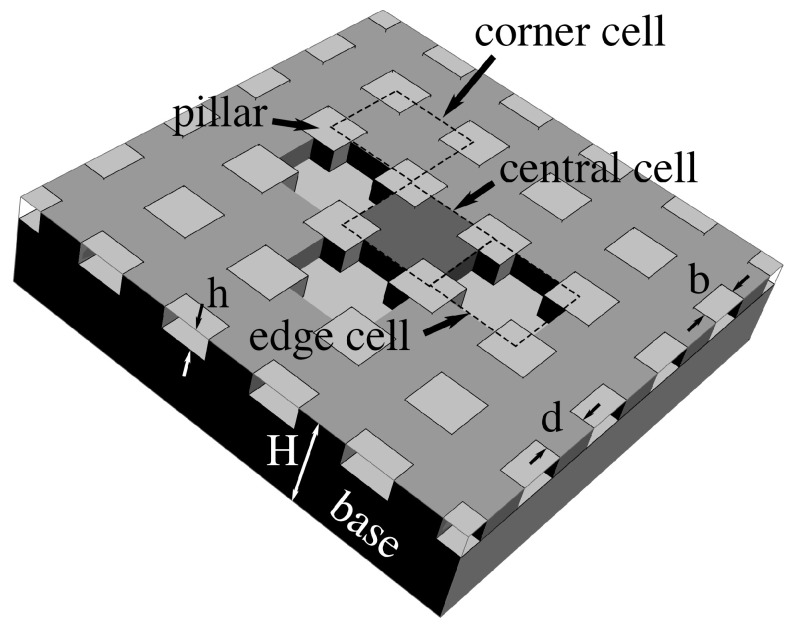 Figure 1
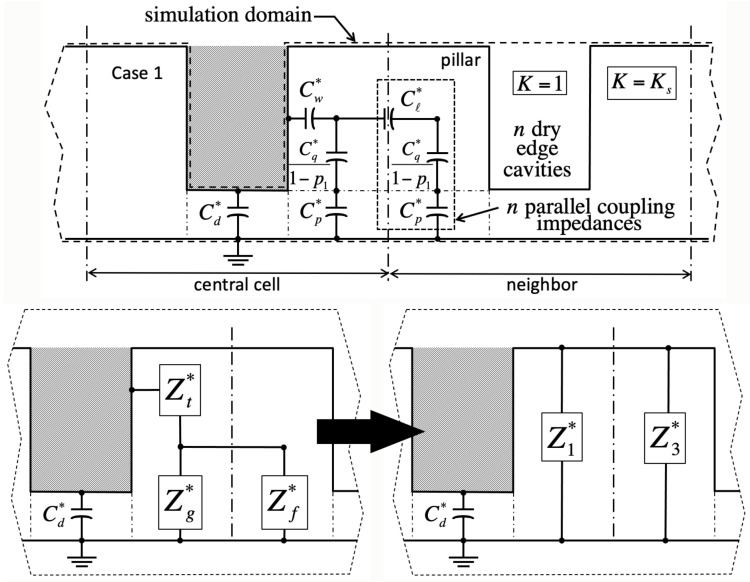 Figure 2
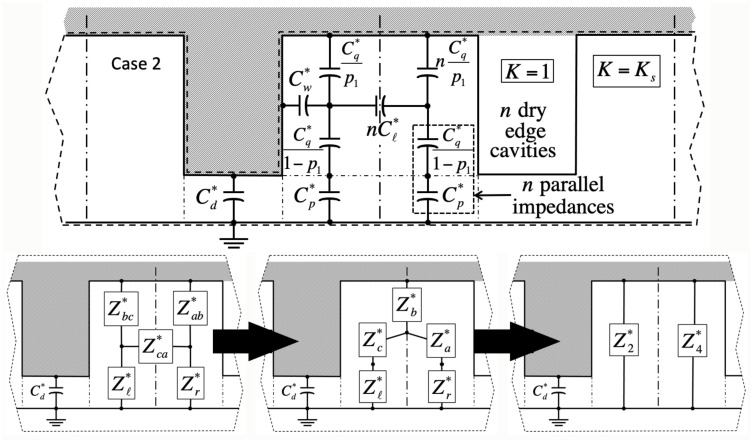 Figure 3
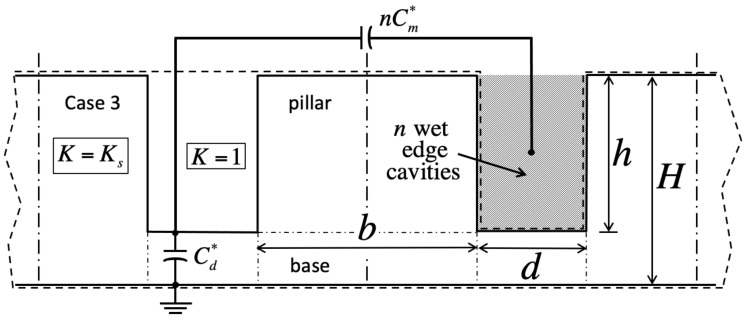 Figure 4
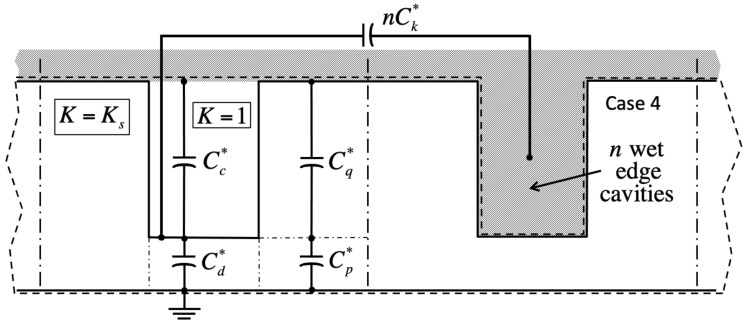 Figure 5
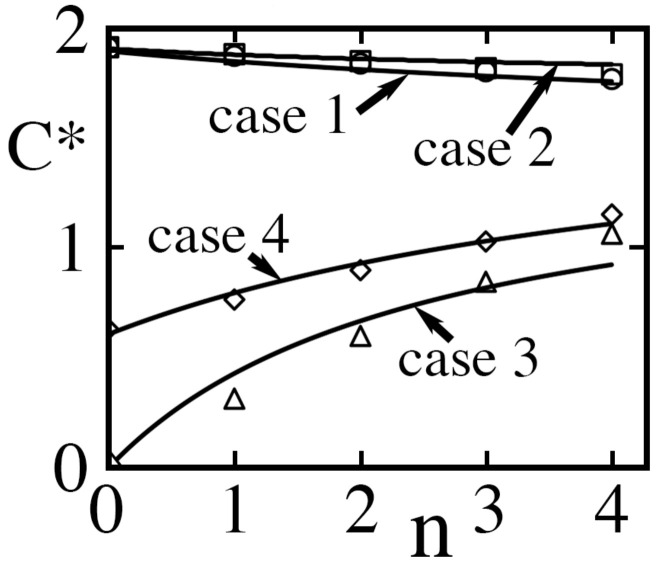 Figure 6
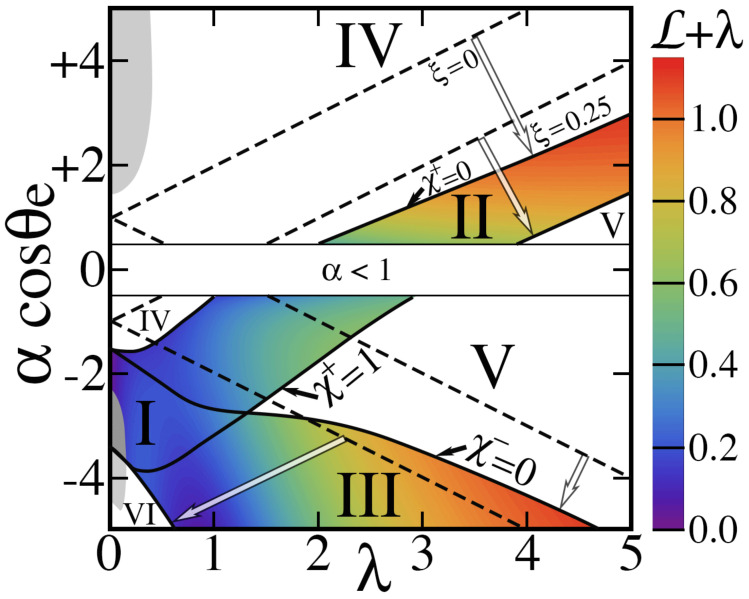 Figure 7
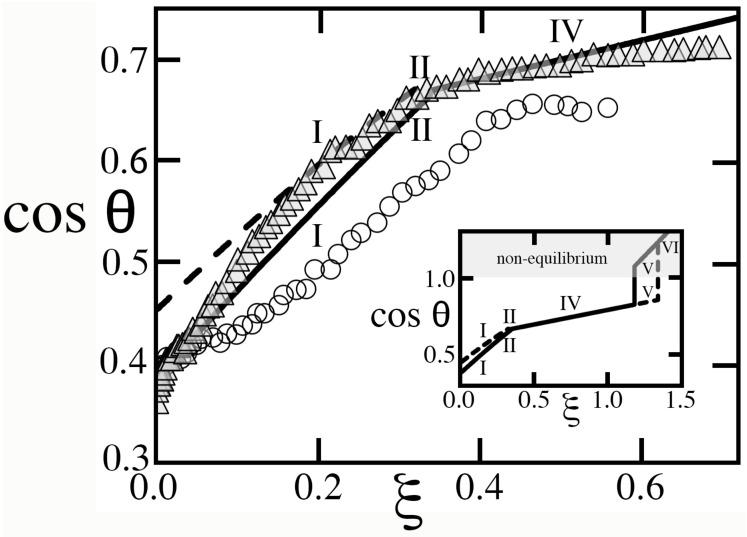 Figure 8
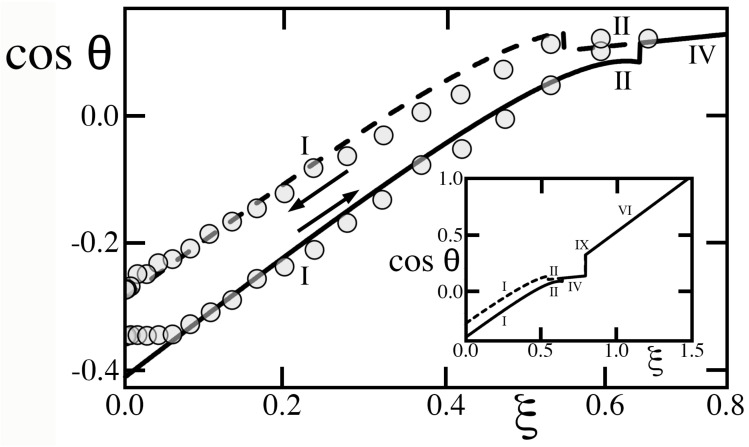 Figure 9
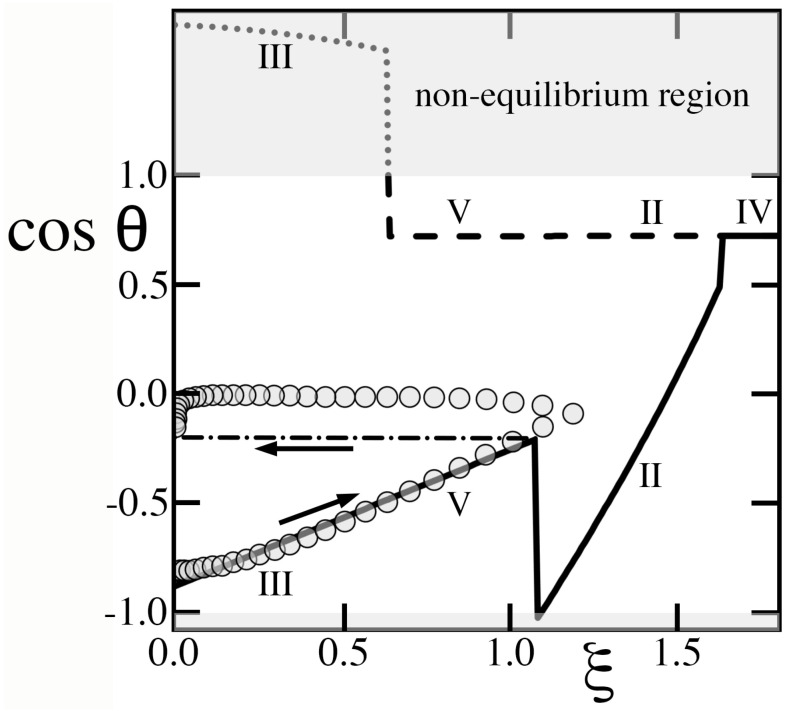 Figure 10
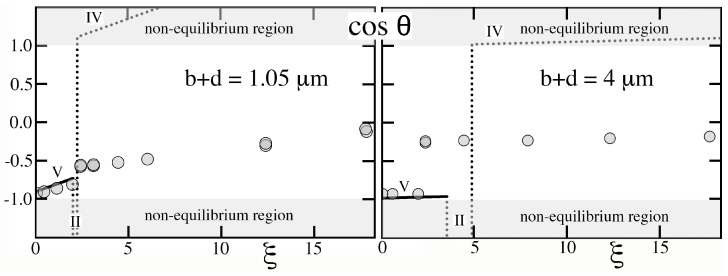 Figure 11
Peer Reviews
No public reviews on file for this paper yet. If you reviewed it on a platform where reviews are public (OpenReview, ICLR, NeurIPS, ICML), you can paste yours below so the community can read it here.
Videos
No videos yet. Explain this paper in a talk, walkthrough, or lecture? Add one.
Taxonomy
TopicsElectrowetting and Microfluidic Technologies · Modular Robots and Swarm Intelligence · Electrohydrodynamics and Fluid Dynamics