Research on a Framework for Chinese Argot Recognition and Interpretation by Integrating Improved MECT Models
Mingfeng Li, Xin Li, Mianning Hu, Deyu Yuan

TL;DR
This paper introduces new frameworks to recognize and interpret Chinese argots used in underground industries, aiding law enforcement in detecting illegal activities.
Contribution
The novel CSRMECT and LLMResolve frameworks improve argot recognition and interpretation using MECT models and large language models.
Findings
CSRMECT achieves a 10% higher F1 score for argot recognition compared to existing models.
LLMResolve improves interpretation accuracy by 4% over current methods.
Vector information entropy correlates with model performance in argot recognition.
Abstract
In underground industries, practitioners frequently employ argots to communicate discreetly and evade surveillance by investigative agencies. Proposing an innovative approach using word vectors and large language models, we aim to decipher and understand the myriad of argots in these industries, providing crucial technical support for law enforcement to detect and combat illicit activities. Specifically, positional differences in semantic space distinguish argots, and pre-trained language models’ corpora are crucial for interpreting them. Expanding on these concepts, the article assesses the semantic coherence of word vectors in the semantic space based on the concept of information entropy. Simultaneously, we devised a labeled argot dataset, MNGG, and developed an argot recognition framework named CSRMECT, along with an argot interpretation framework called LLMResolve. These frameworks…
Genes, proteins, chemicals, diseases, species, mutations and cell lines named across the full text — each resolved to its canonical identifier and authoritative record.
Click any figure to enlarge with its caption.
 Figure 1
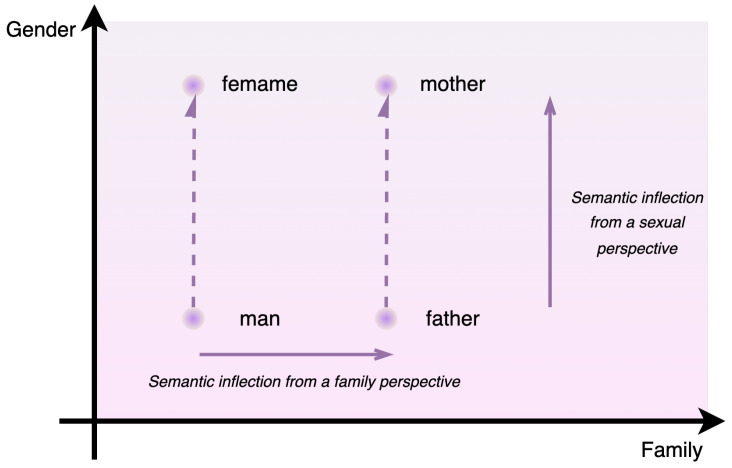 Figure 2
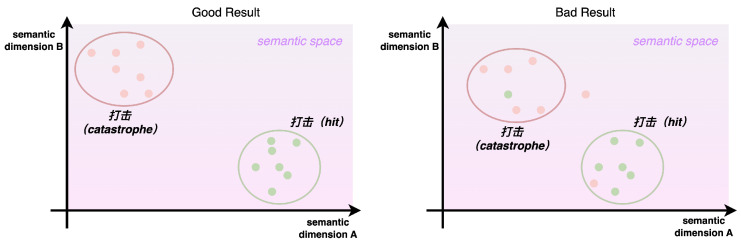 Figure 3
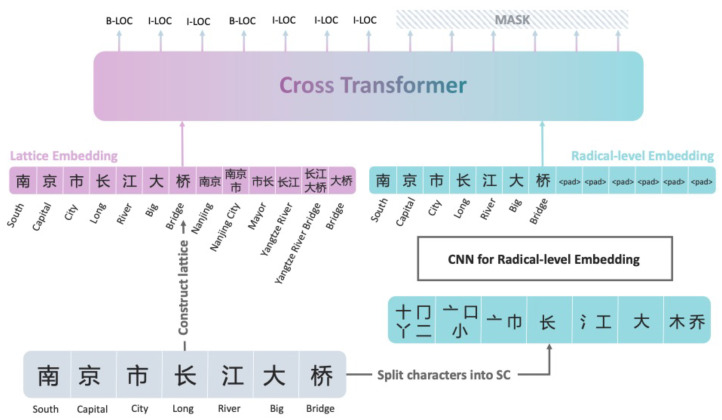 Figure 4
 Figure 5
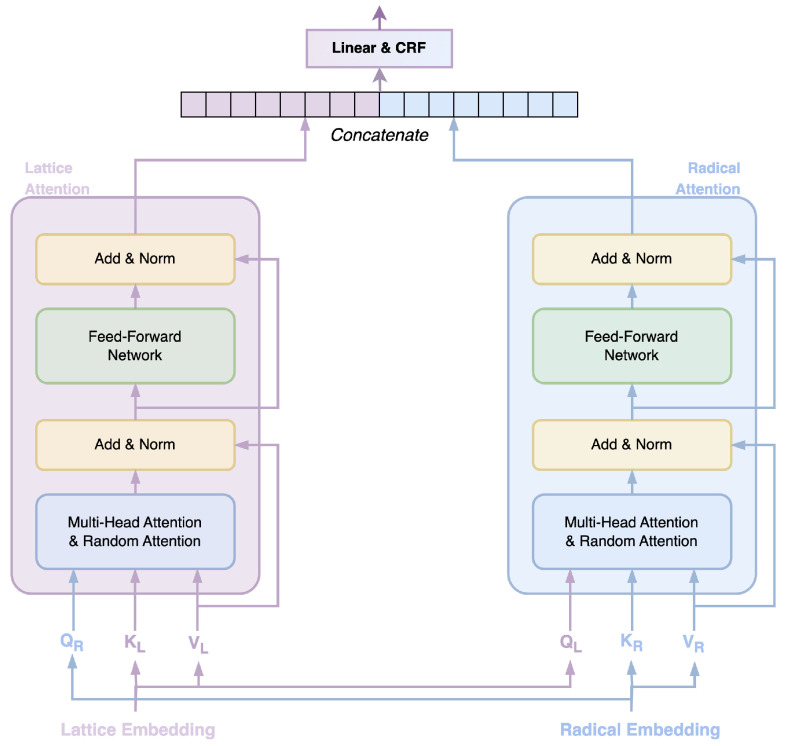 Figure 6
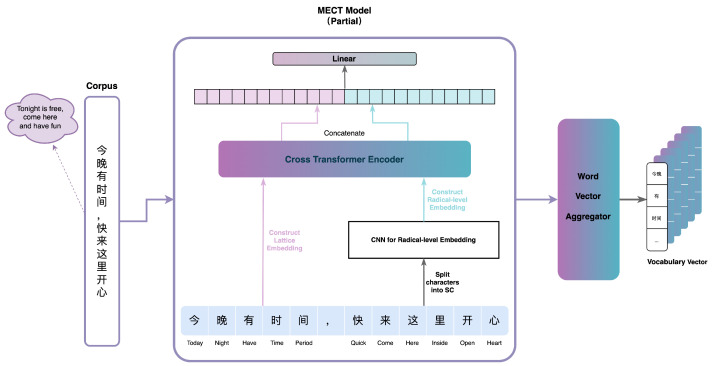 Figure 7
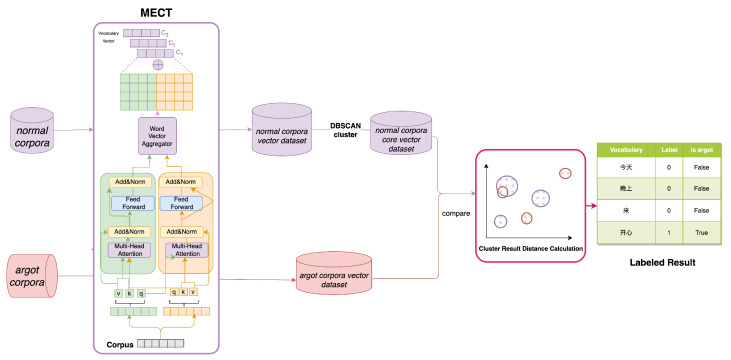 Figure 8
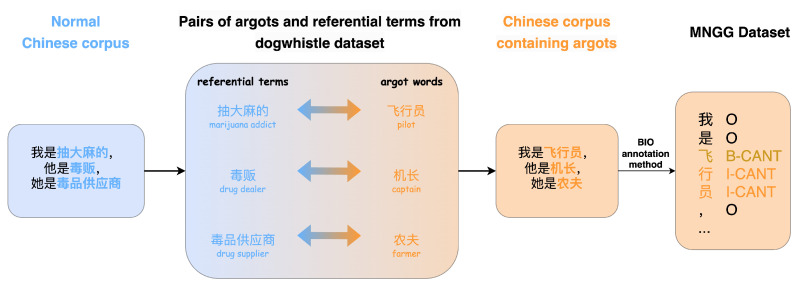 Figure 9
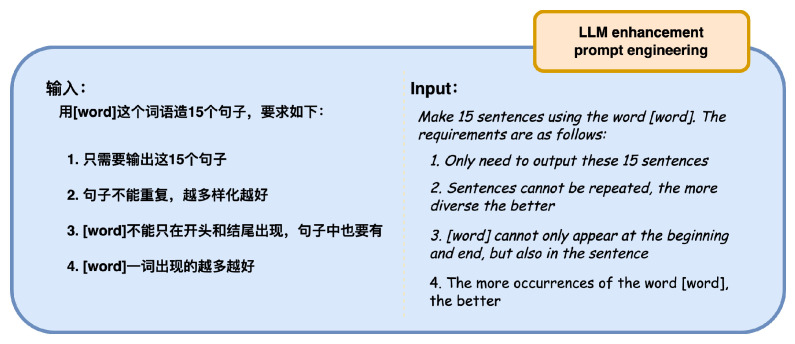 Figure 10
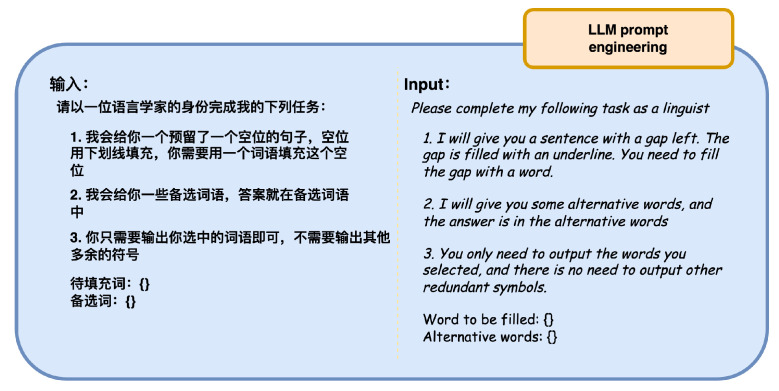 Figure 11
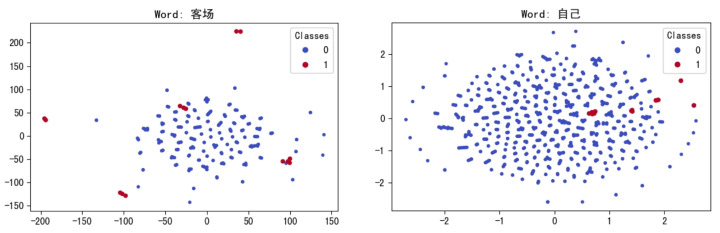 Figure 12
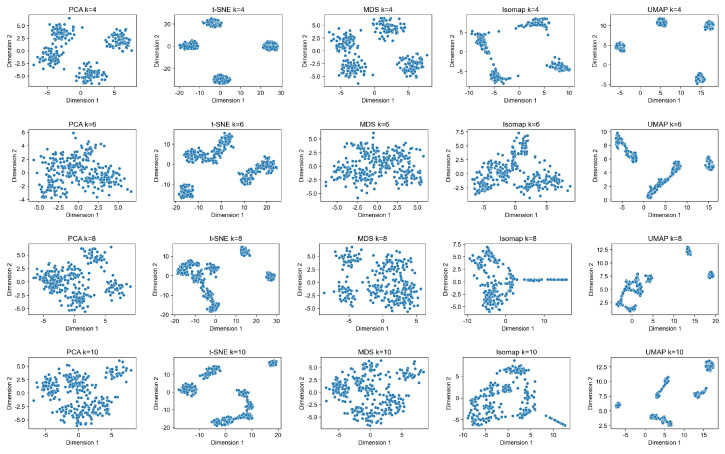 Figure 13
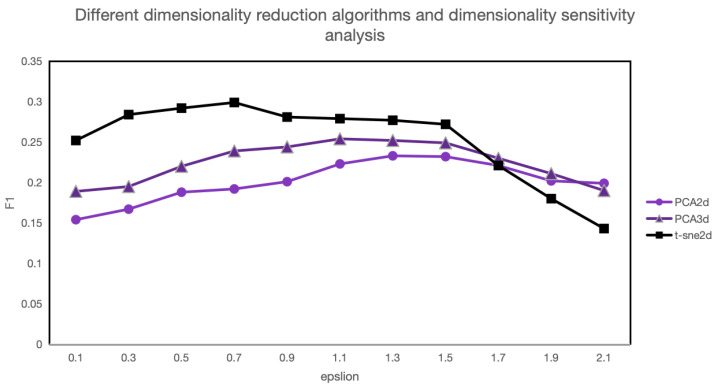 Figure 14
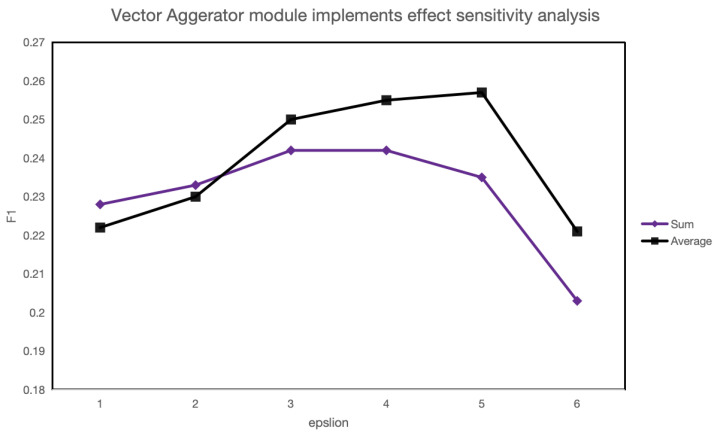 Figure 15
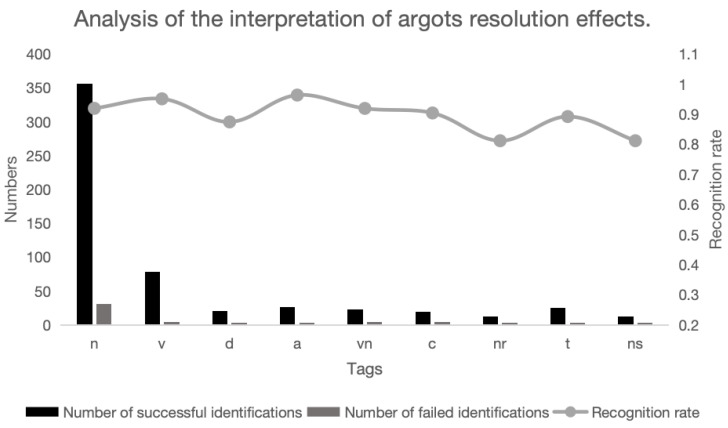 Figure 16
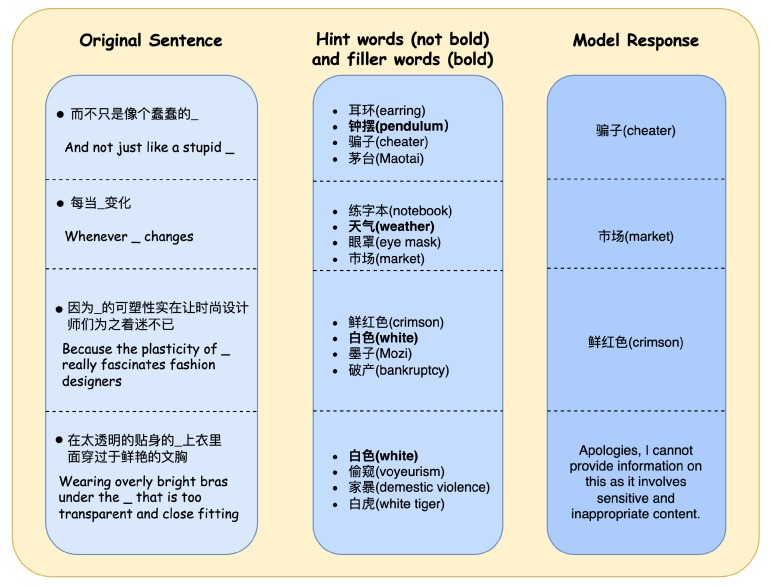 Figure 17
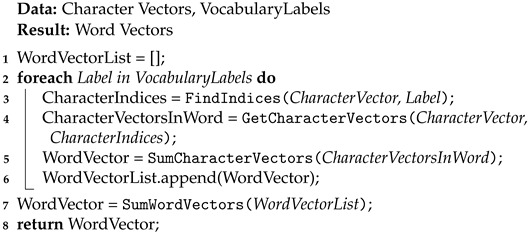 Figure 18
Peer Reviews
No public reviews on file for this paper yet. If you reviewed it on a platform where reviews are public (OpenReview, ICLR, NeurIPS, ICML), you can paste yours below so the community can read it here.
Videos
No videos yet. Explain this paper in a talk, walkthrough, or lecture? Add one.
Taxonomy
TopicsAnomaly Detection Techniques and Applications · Cybercrime and Law Enforcement Studies · Domain Adaptation and Few-Shot Learning