Bracing of Pectus Carinatum in Children: Current Practices
Pavol Omanik, Sergio Bruno Sesia, Katarina Kozlikova, Veronika Schmidtova, Miroslava Funakova, Frank-Martin Haecker

TL;DR
This study examines how doctors currently use bracing to treat pectus carinatum in children and finds that while bracing is effective, practices vary and need standardization.
Contribution
The study provides a global overview of bracing practices for pectus carinatum among specialists and highlights the need for standardized treatment protocols.
Findings
93% of respondents use bracing as the first-line treatment for pectus carinatum.
Dynamic compression systems show faster response times compared to conventional braces.
High recurrence rates (up to 30%) are observed during puberty, emphasizing the need for extended follow-up.
Abstract
Background: Although effective, compressive orthotic bracing (COB) in children with pectus carinatum is still not standardized. This study has aimed to analyze current practices amongst members of the Chest Wall International Group (CWIG). Methods: A web-based questionnaire was mailed to all CWIG members at 208 departments. It included 30 questions regarding diagnostic work-up, age for COB indication, type of COB used, daily wearing time, treatment duration, complications, and recurrence rate. Results: Members from 44 departments have responded (institutional response rate 21.2%). A total of 93% consider COB as the first-line treatment for PC. A conventional COB (CC) is used in 59%, and the dynamic compression system (FMF) in 41%. The overall compliance rate is >80%. A total of 67% of responders consider COB to be indicated in patients <10 years. The actual wearing time is significantly…
Genes, proteins, chemicals, diseases, species, mutations and cell lines named across the full text — each resolved to its canonical identifier and authoritative record.
Click any figure to enlarge with its caption.
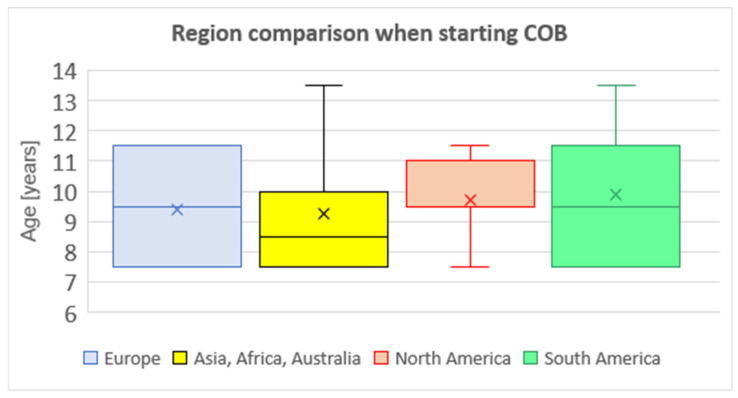 Figure 1
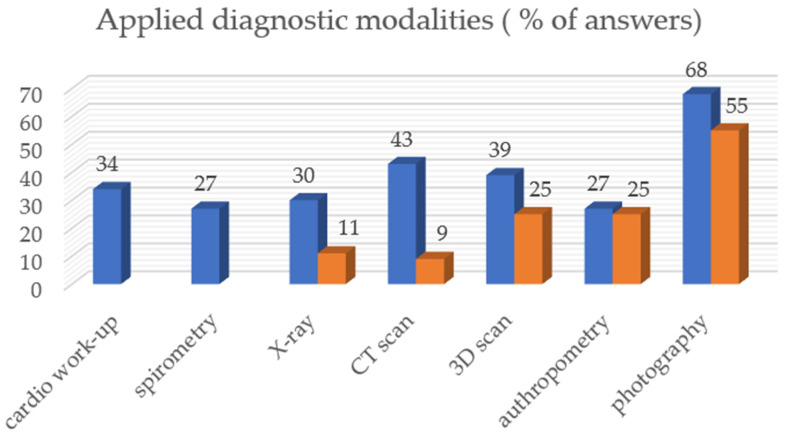 Figure 2
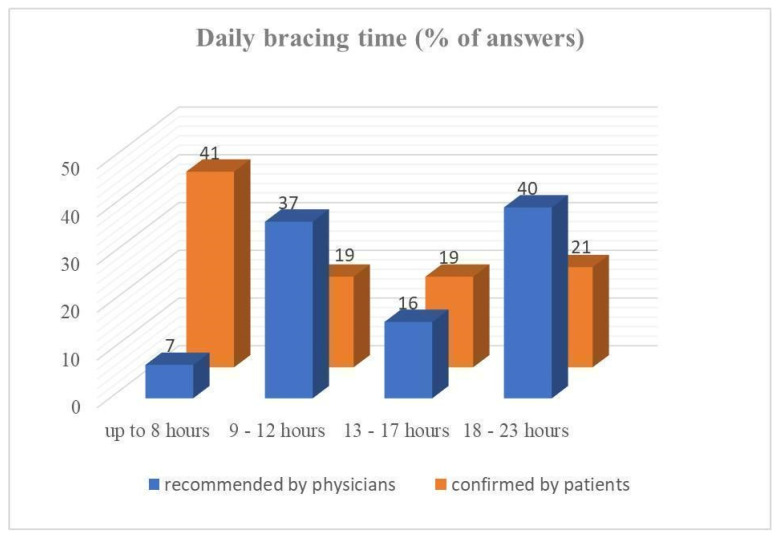 Figure 3
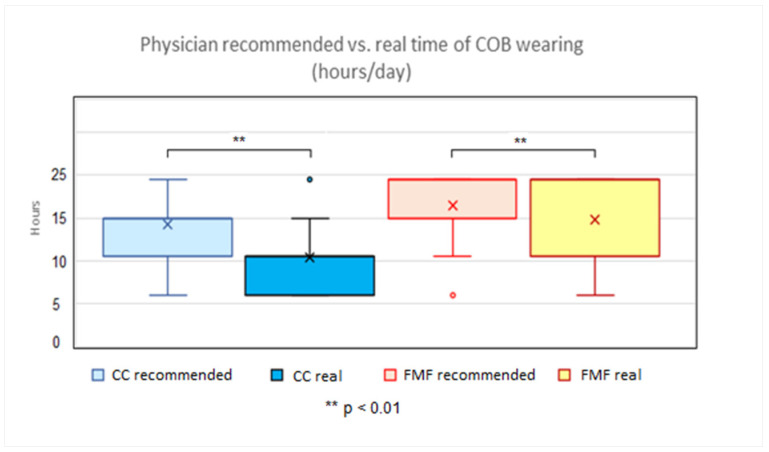 Figure 4
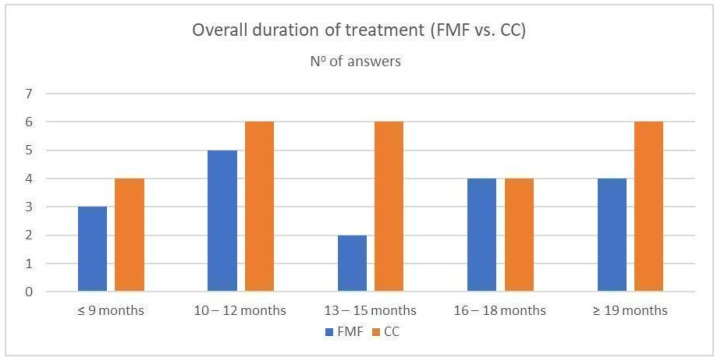 Figure 5
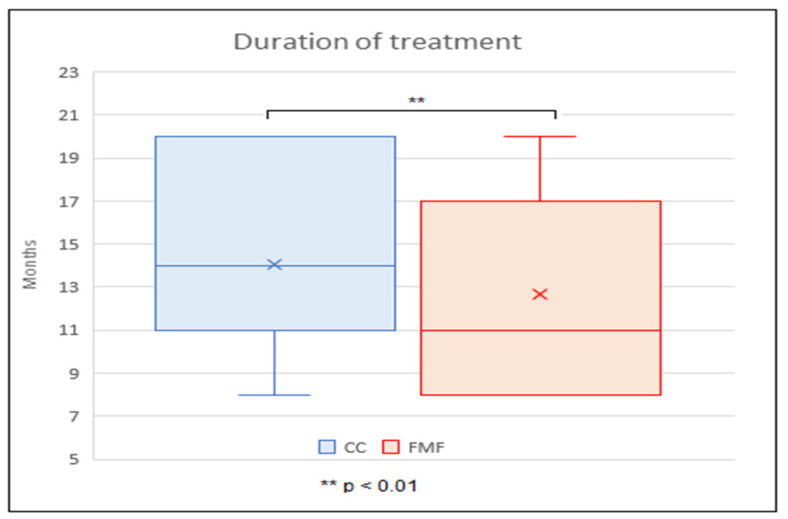 Figure 6
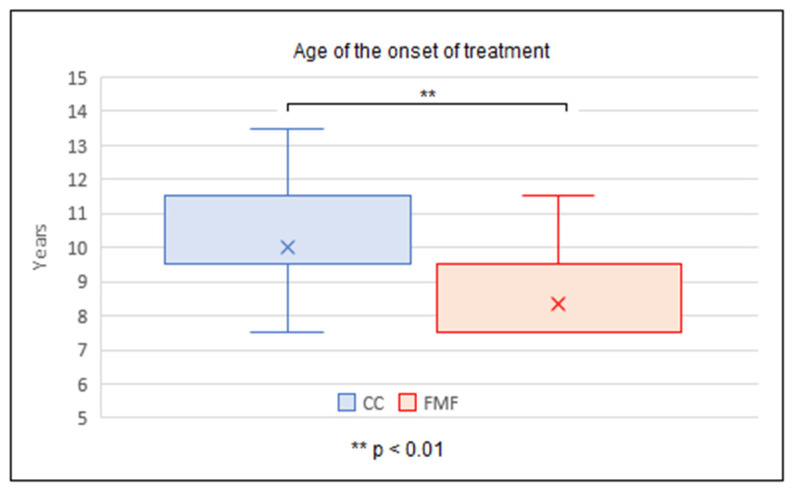 Figure 7
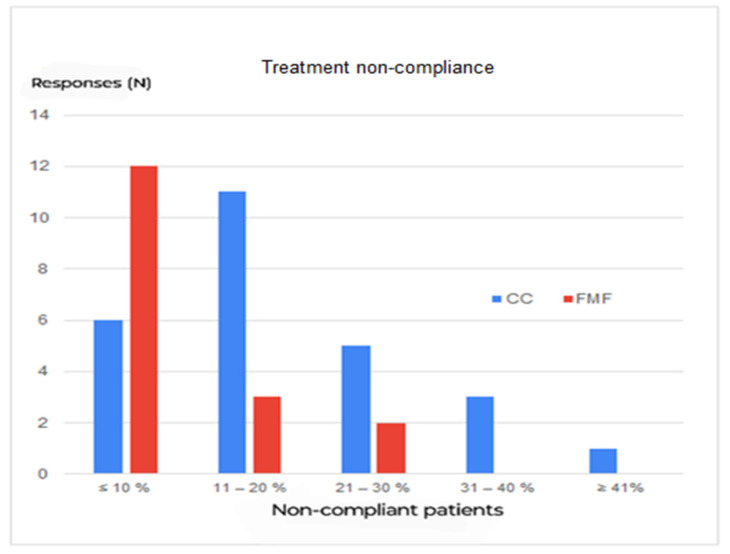 Figure 8
Peer Reviews
No public reviews on file for this paper yet. If you reviewed it on a platform where reviews are public (OpenReview, ICLR, NeurIPS, ICML), you can paste yours below so the community can read it here.
Videos
No videos yet. Explain this paper in a talk, walkthrough, or lecture? Add one.
Taxonomy
TopicsPectus Deformity Diagnosis and Treatment · Automotive and Human Injury Biomechanics