Reversal of Postnatal Brain Astrocytes and Ependymal Cells towards a Progenitor Phenotype in Culture
Dimitrios Kakogiannis, Michaela Kourla, Dimitrios Dimitrakopoulos, Ilias Kazanis

TL;DR
This study shows that brain astrocytes and ependymal cells can be reversed to a progenitor-like state in culture, offering a platform to study the molecular mechanisms behind this reversal.
Contribution
The study establishes a controlled platform to investigate the reversal of mature brain cells to progenitor-like states.
Findings
Inhibiting GSK3 and TGFβ pathways enables astrocytes to become Sox2-expressing, mitotic cells that generate oligodendrocytes.
Ependymal cells can be induced to enter mitosis through stress or growth factors like FGF2 and EGF.
The reversal of astrocytes does not fully restore a true neural stem cell identity, as indicated by a lack of neurogenic activity.
Abstract
Astrocytes and ependymal cells have been reported to be able to switch from a mature cell identity towards that of a neural stem/progenitor cell. Astrocytes are widely scattered in the brain where they exert multiple functions and are routinely targeted for in vitro and in vivo reprogramming. Ependymal cells serve more specialized functions, lining the ventricles and the central canal, and are multiciliated, epithelial-like cells that, in the spinal cord, act as bi-potent progenitors in response to injury. Here, we isolate or generate ependymal cells and post-mitotic astrocytes, respectively, from the lateral ventricles of the mouse brain and we investigate their capacity to reverse towards a progenitor-like identity in culture. Inhibition of the GSK3 and TGFβ pathways facilitates the switch of mature astrocytes to Sox2-expressing, mitotic cells that generate oligodendrocytes. Although…
Genes, proteins, chemicals, diseases, species, mutations and cell lines named across the full text — each resolved to its canonical identifier and authoritative record.
Click any figure to enlarge with its caption.
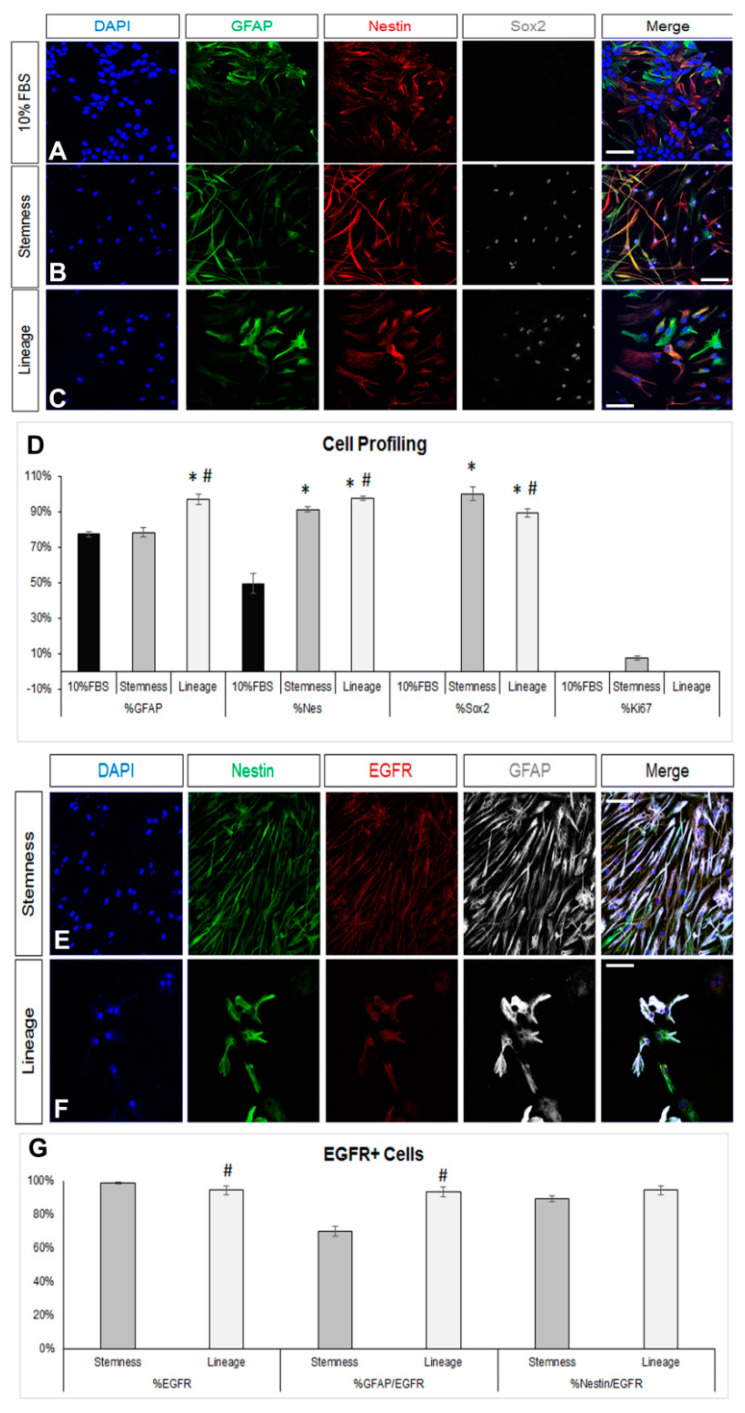 Figure 1
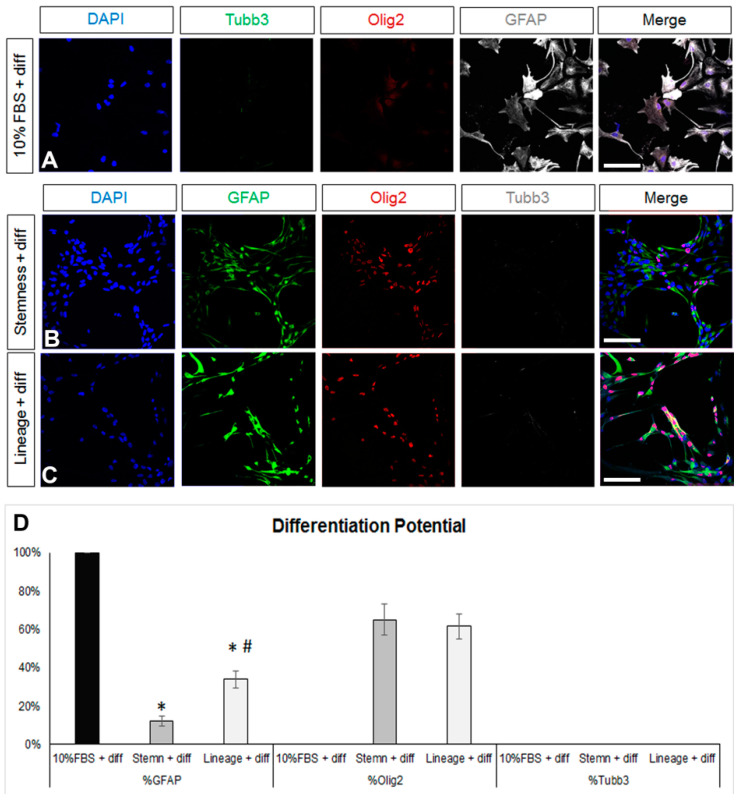 Figure 2
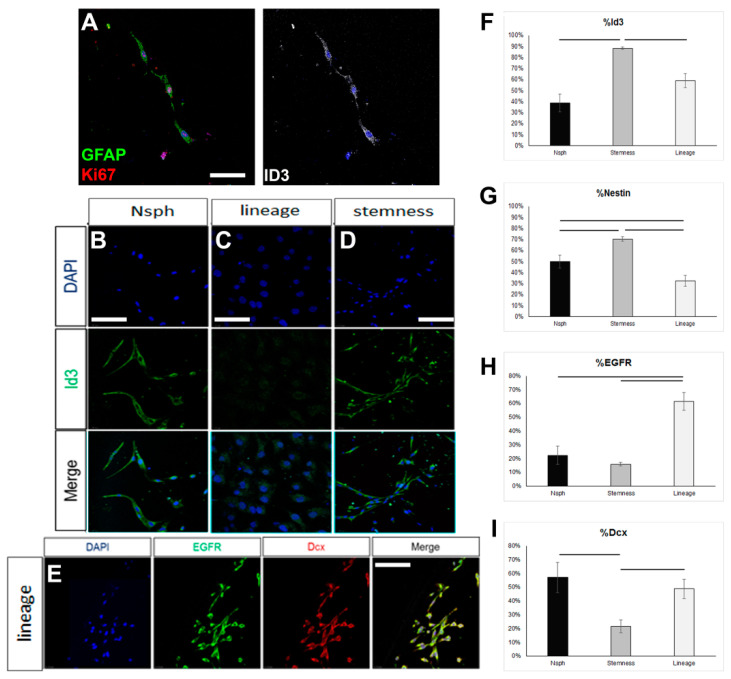 Figure 3
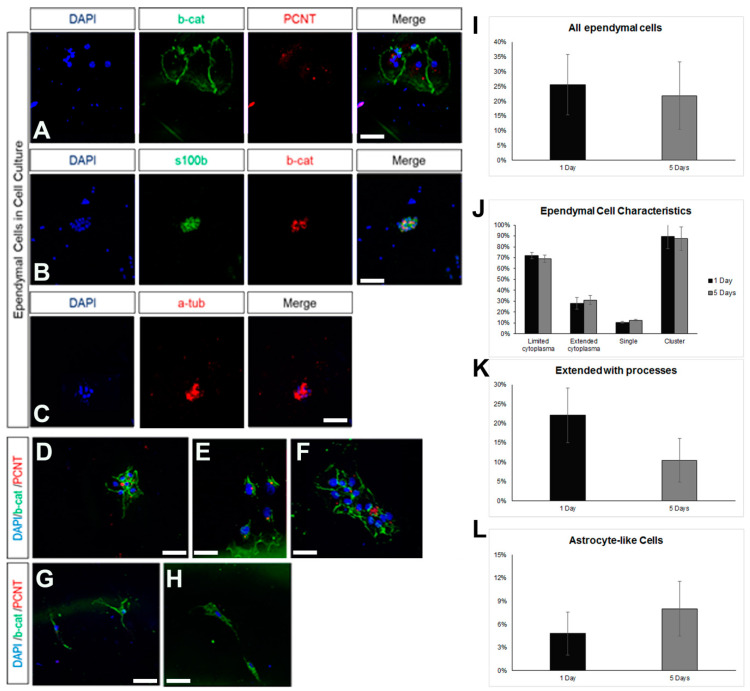 Figure 4
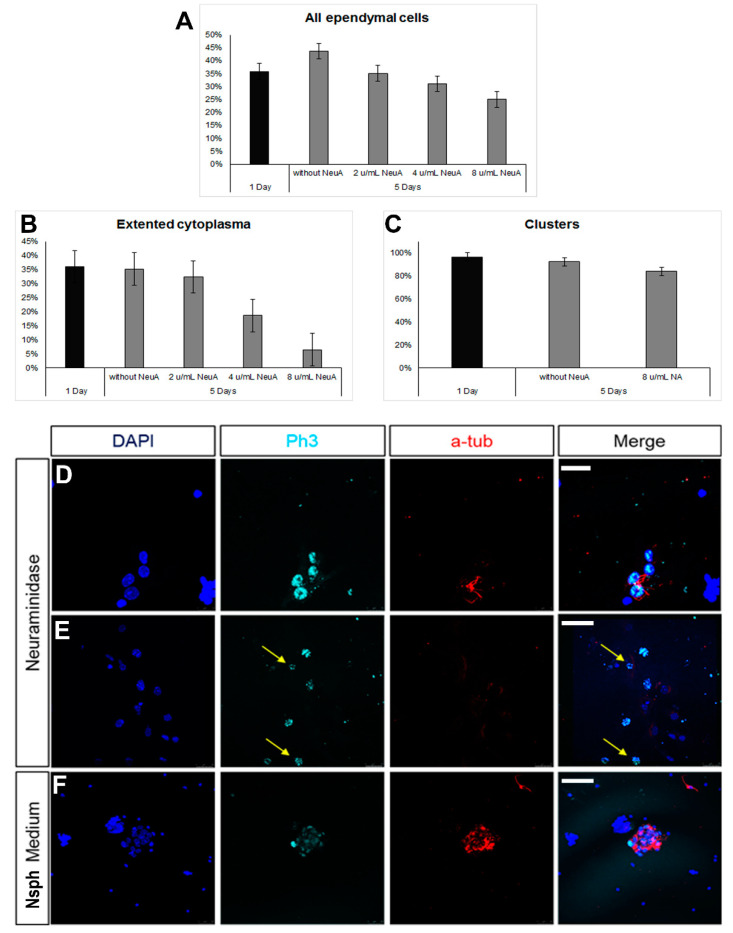 Figure 5
Peer Reviews
No public reviews on file for this paper yet. If you reviewed it on a platform where reviews are public (OpenReview, ICLR, NeurIPS, ICML), you can paste yours below so the community can read it here.
Videos
No videos yet. Explain this paper in a talk, walkthrough, or lecture? Add one.
Taxonomy
TopicsNeurogenesis and neuroplasticity mechanisms · MicroRNA in disease regulation · Epigenetics and DNA Methylation