Multiparametric Characterization of the DSL-6A/C1 Pancreatic Cancer Model in Rats
Patrick Schmidt, Johannes Lindemeyer, Pranali Raut, Markus Schütz, Sven Saniternik, Jannika Jönsson, Heike Endepols, Thomas Fischer, Alexander Quaas, Hans Anton Schlößer, Martin Thelen, Holger Grüll

TL;DR
This study characterizes a rat model of pancreatic cancer, showing it has features similar to human pancreatic cancer and is useful for imaging and therapy research.
Contribution
The study provides a detailed characterization of the DSL-6A/C1 rat model for pancreatic cancer, highlighting its suitability for 68Ga-FAPI imaging and therapeutic studies.
Findings
DSL-6A/C1 tumors display PDAC features like malformed ductal cells and cancer-associated fibroblasts.
The tumor microenvironment shows increased CD8+ T cells and decreased CD4+ T cells.
68Ga-FAPI PET imaging shows strong tracer uptake in tumor tissues.
Abstract
In this study, a rat model of pancreatic ductal adenocarcinoma (PDAC) was established and extensively analyzed. The histological examination confirmed that the model displayed features of PDAC, such as malformed malignant ductal cells and cancer-associated fibroblasts (CAFs). The study delved into the tumor microenvironment, revealing a unique immune profile with increased CD8+ cytotoxic T cells, suggesting a stronger anti-tumor immune response. Different imaging techniques were employed, showing contrast enhancement on MRI and a strong uptake of 68Ga-FAPI (fibroblast activation protein inhibitor) tracers in tumor tissues. This model’s suitability for further research in 68Ga-FAPI imaging and therapeutic approaches was highlighted. While some limitations exist, such as late-stage edema and heterogeneous growth patterns, this model provides valuable insights for PDAC studies and…
Genes, proteins, chemicals, diseases, species, mutations and cell lines named across the full text — each resolved to its canonical identifier and authoritative record.
Click any figure to enlarge with its caption.
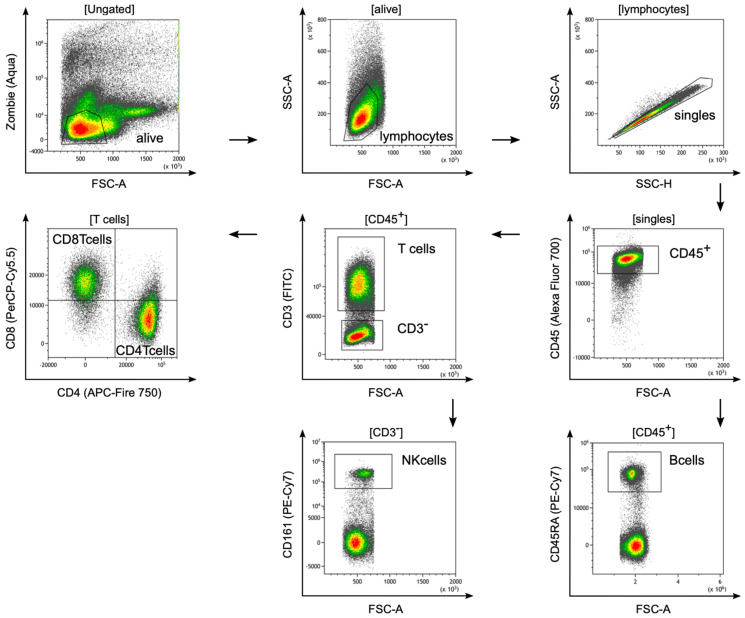 Figure 1
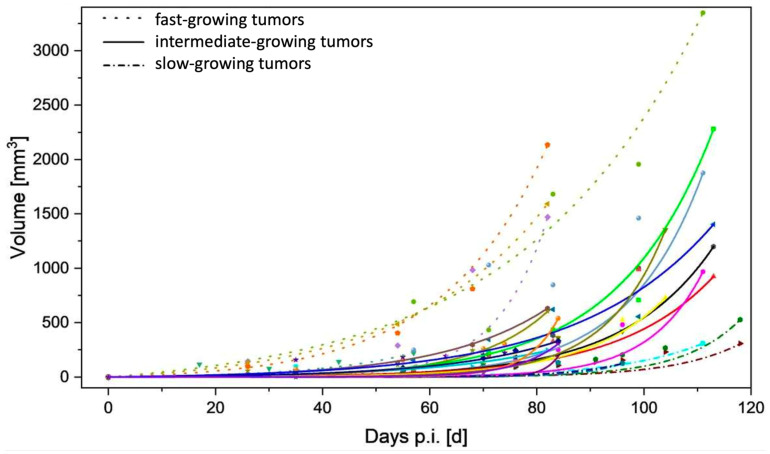 Figure 2
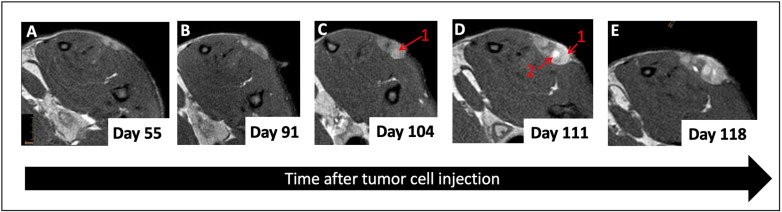 Figure 3
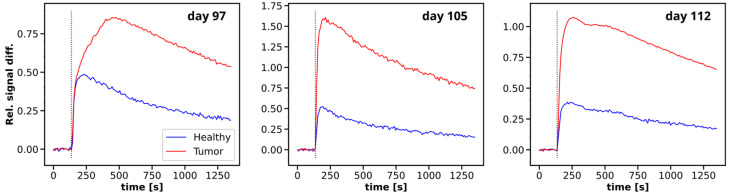 Figure 4
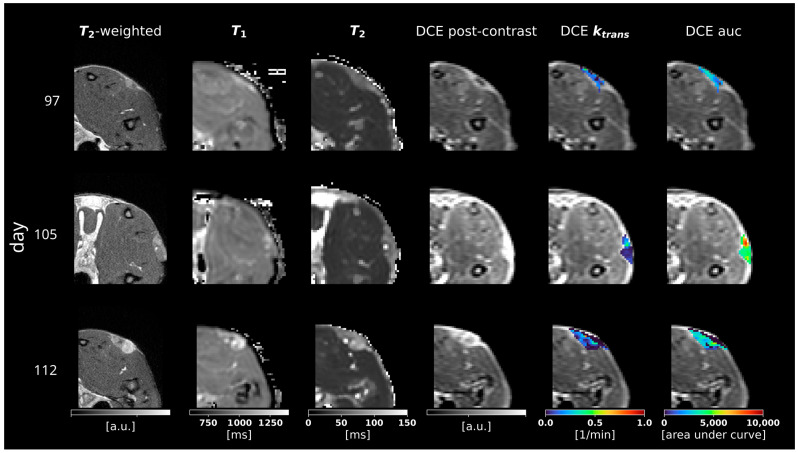 Figure 5
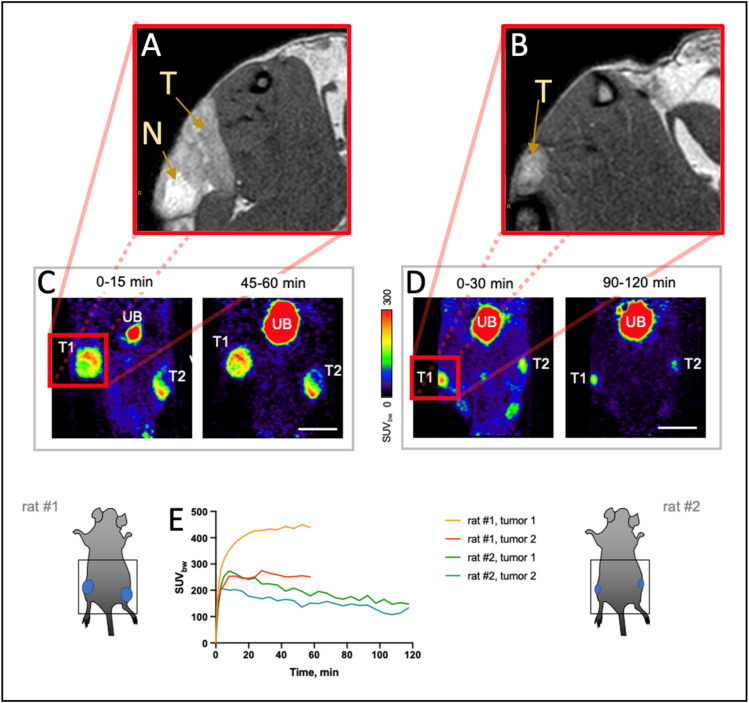 Figure 6
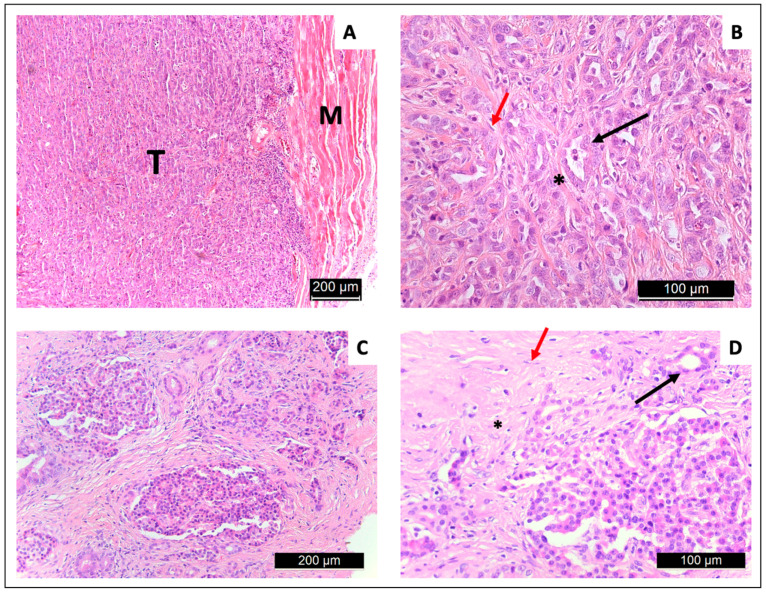 Figure 7
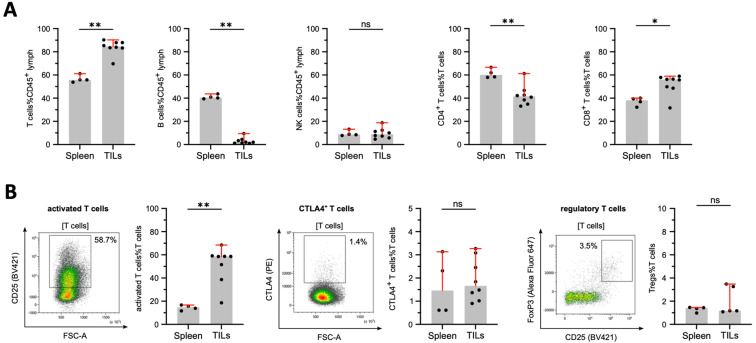 Figure 8
Peer Reviews
No public reviews on file for this paper yet. If you reviewed it on a platform where reviews are public (OpenReview, ICLR, NeurIPS, ICML), you can paste yours below so the community can read it here.
Videos
No videos yet. Explain this paper in a talk, walkthrough, or lecture? Add one.
Taxonomy
TopicsPeptidase Inhibition and Analysis · Pancreatic and Hepatic Oncology Research · Cancer Research and Treatments