Lost Food and Associated Phosphorus Footprint: Evidence from China
Dengyun Gao, Xing Li, Junkai Ma, Long Qian

TL;DR
This study calculates the phosphorus footprint from food waste in Chinese university canteens and highlights factors influencing it.
Contribution
The study introduces a novel assessment of phosphorus footprints from food waste in Chinese universities.
Findings
Food waste in Chinese university canteens generated a phosphorus footprint of 3.209 Kt in 2018.
Factors like meal satisfaction, gender, and regional economic level significantly affect the phosphorus footprint.
Abstract
The environmental impacts of excessive phosphorus emissions (PE) have been widely discussed in recent years. This study aims to calculate and evaluate the phosphorus footprint (PF) of food thrown away in Chinese universities. Based on a nationwide survey involving 9192 university students from 29 provinces and 29 universities in China, the result reveals that the PF generated by food waste in Chinese university canteens was 3.209 Kt in 2018. Furthermore, it is found that meal satisfaction, gender, regional economic level, dietary culture, and years of education all have significant impacts on lost food PF. Our findings emphasize the importance of reducing food waste in university canteens, which plays a crucial role in ensuring food security and environmental protection.
Click any figure to enlarge with its caption.
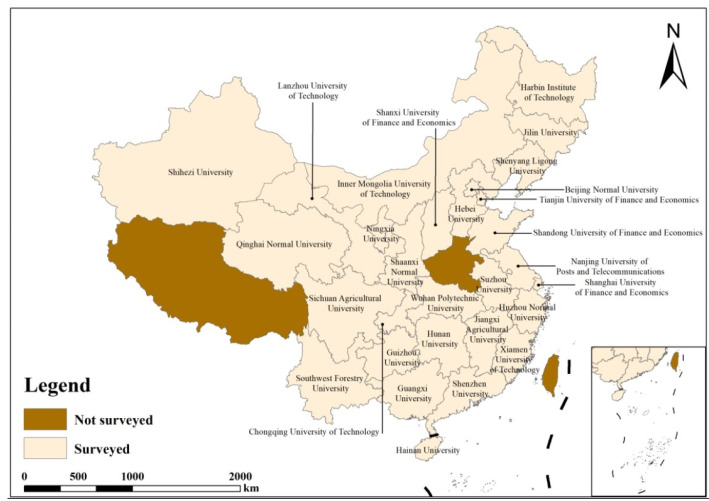 Figure 1
 Figure 2
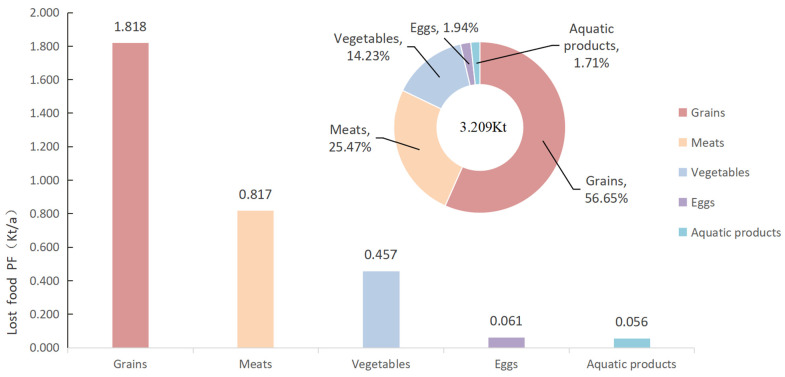 Figure 3
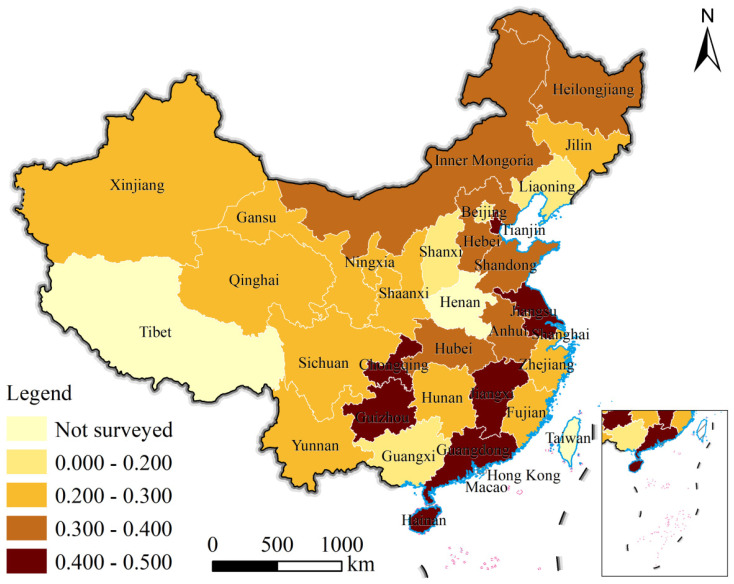 Figure 4
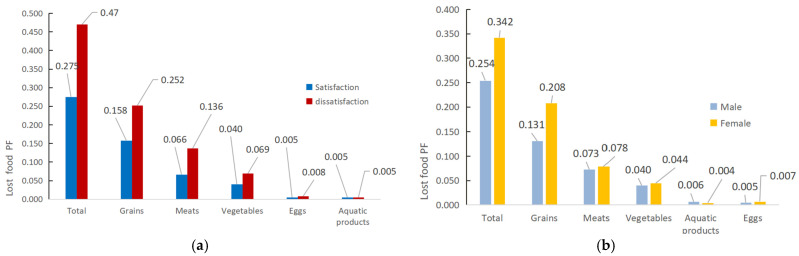 Figure 5
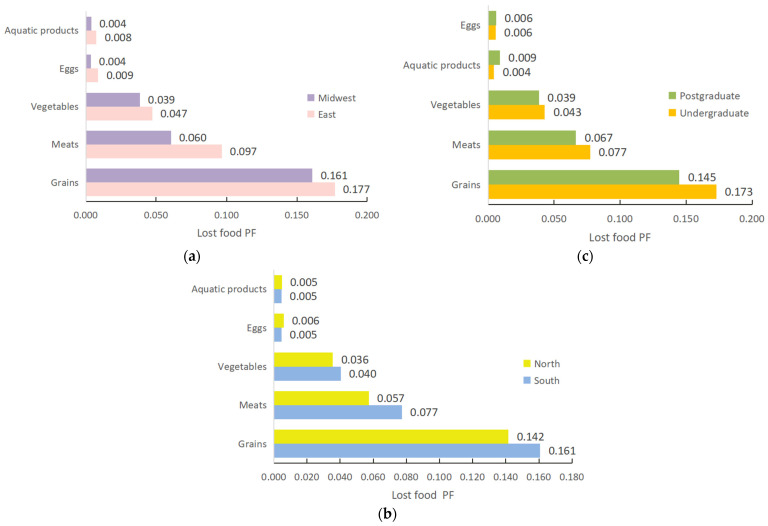 Figure 6
Peer Reviews
No public reviews on file for this paper yet. If you reviewed it on a platform where reviews are public (OpenReview, ICLR, NeurIPS, ICML), you can paste yours below so the community can read it here.
Videos
No videos yet. Explain this paper in a talk, walkthrough, or lecture? Add one.
Taxonomy
TopicsFood Waste Reduction and Sustainability · Municipal Solid Waste Management · Agriculture Sustainability and Environmental Impact