Exploring Cellulose Triacetate Nanofibers as Sustainable Structuring Agent for Castor Oil: Formulation Design and Rheological Insights
M. A. Martín-Alfonso, José F. Rubio-Valle, Gethzemani M. Estrada-Villegas, Margarita Sánchez-Domínguez, José E. Martín-Alfonso

TL;DR
This paper explores using cellulose triacetate nanofibers to create sustainable gels in castor oil, offering better control over texture and flow.
Contribution
The novel use of electrospun cellulose triacetate nanofibers as a sustainable thickening agent in oil media is introduced.
Findings
Dispersions with non-Newtonian behavior and 5 wt.% CTA concentration produce defect-free nanofibers.
Rheological properties are modulated by nanofiber concentration and surface texture.
CTA nanofibers outperform synthetic polymers and metal soaps in oil structuring capacity.
Abstract
Developing gelled environmentally friendly dispersions in oil media is a hot topic for many applications. This study aimed to investigate the production of electrospun cellulose triacetate (CTA) nanofibers and to explore their potential application as a thickening agent for castor oil. The key factors in the electrospinning process, including the intrinsic properties of CTA solutions in methylene chloride (DCM)/ethanol (EtOH), such us the shear viscosity, surface tension, and electrical conductivity, were systematically studied. The impact of the CTA fiber concentration and the ratio of DCM/EtOH on the rheological properties of the gel-like dispersions in castor oil was then investigated. It was found that dispersions with a non-Newtonian response and above a critical concentration (5 wt.%), corresponding to approximately 2–2.5 times the entanglement concentration, are required to…
Genes, proteins, chemicals, diseases, species, mutations and cell lines named across the full text — each resolved to its canonical identifier and authoritative record.
Click any figure to enlarge with its caption.
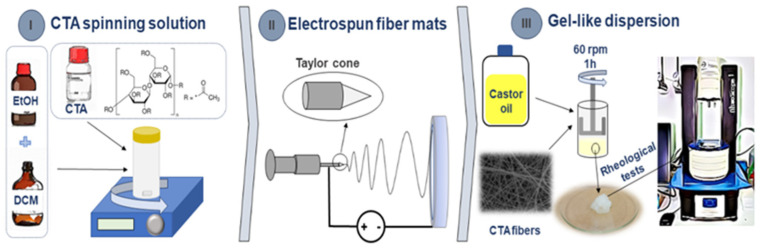 Figure 1
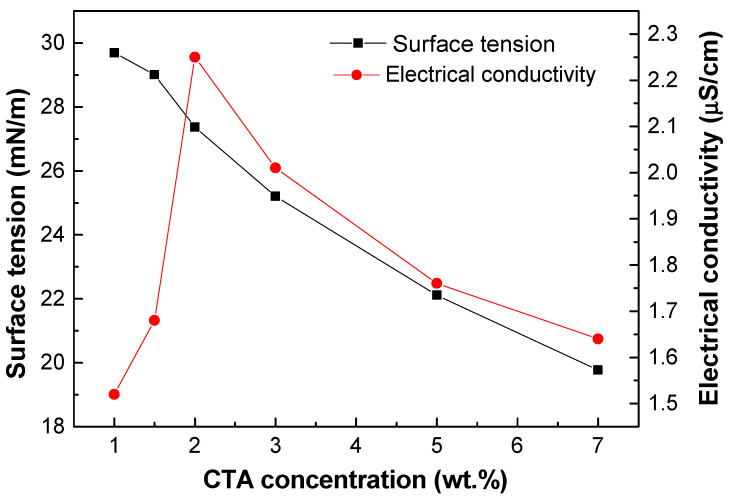 Figure 2
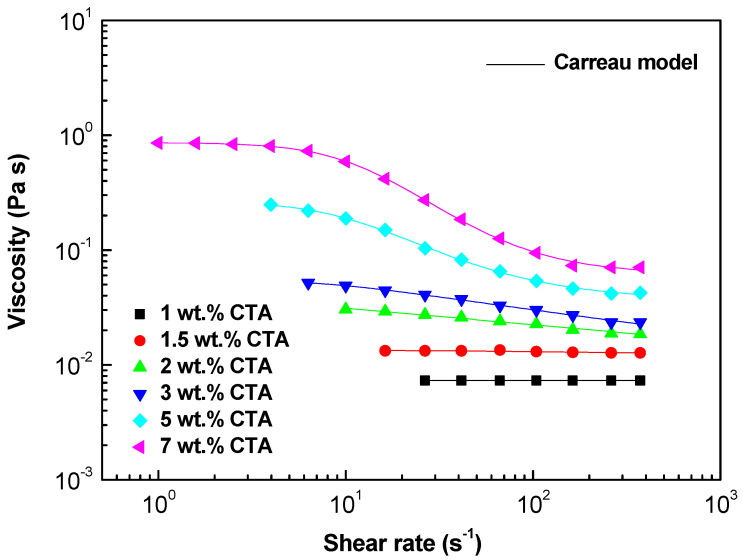 Figure 3
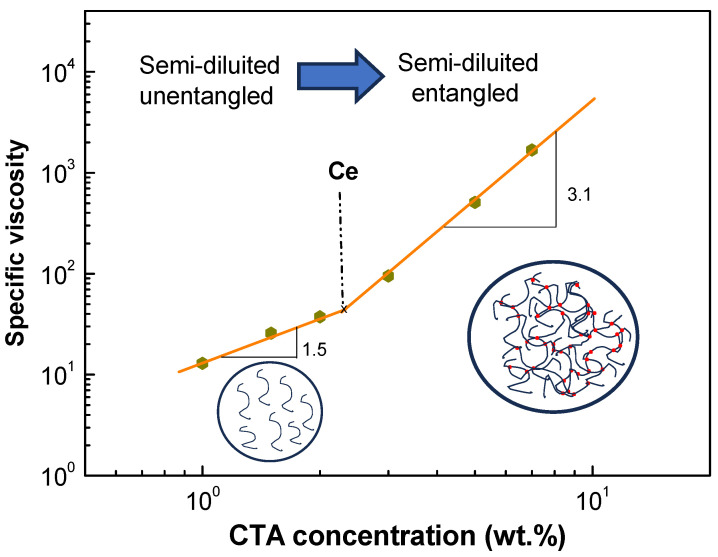 Figure 4
 Figure 5
 Figure 6
 Figure 7
 Figure 8
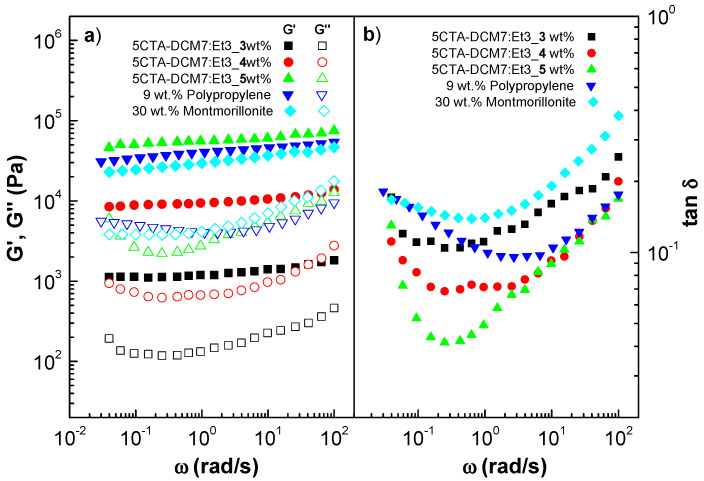 Figure 9
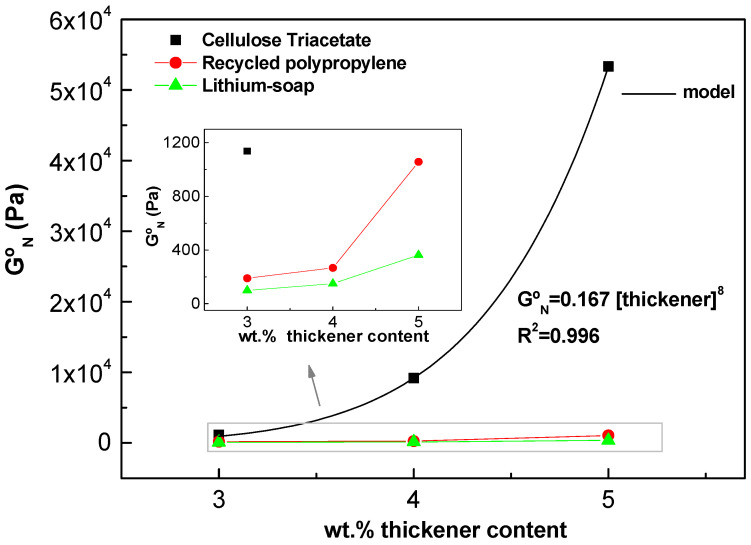 Figure 10
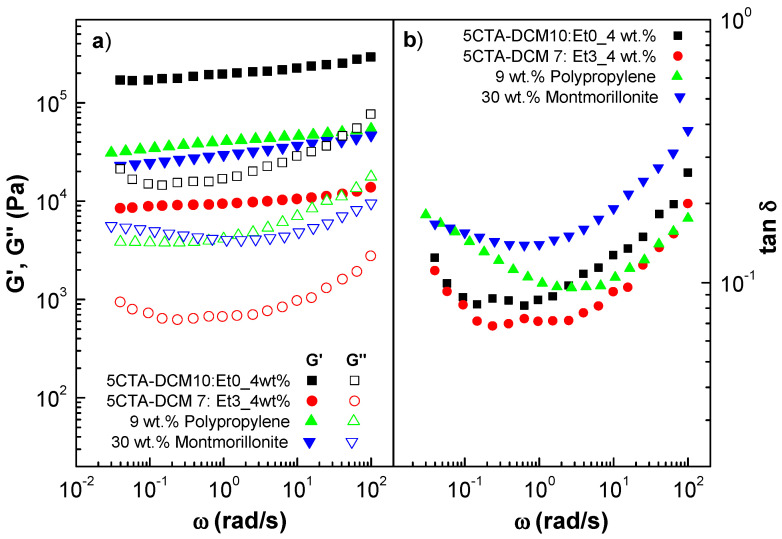 Figure 11
Peer Reviews
No public reviews on file for this paper yet. If you reviewed it on a platform where reviews are public (OpenReview, ICLR, NeurIPS, ICML), you can paste yours below so the community can read it here.
Videos
No videos yet. Explain this paper in a talk, walkthrough, or lecture? Add one.
Taxonomy
TopicsMedical Imaging Techniques and Applications · Cancer, Hypoxia, and Metabolism