Frequency of MRI Low Signal Intensity in the Buccal Fat of Fetuses and Speculation as to What It May Reflect
Shyam Sunder B. Venkatakrishna, Marcelo S. Takahashi, Juan S. Calle-Toro, Sean Schoeman, Juan Sebastian Martin Saavedra, Dana Alkhulaifat, Suraj D. Serai, Savvas Andronikou

TL;DR
This study examines the frequency of low signal intensity in fetal buccal fat on MRI and suggests it may reflect brown adipose tissue development.
Contribution
The study identifies a new normal MRI finding in fetal buccal fat and speculates on its potential relation to brown adipose tissue.
Findings
The buccal fat pad sign (BFS) is commonly seen on EPI and TRUFI MRI sequences.
Fetuses with a positive BFS are significantly older (mean gestational age of 27 weeks or higher).
The BFS may be related to brown adipose tissue development, though further studies are needed.
Abstract
Purpose: We aimed to characterize the fetal buccal fat pad (BFP) on magnetic resonance imaging (MRI) to determine the frequency and types of sequences on which the BFP demonstrates low signal intensity and determine any possible correlation with timing of the MRI during fetal development. Materials and Methods: A retrospective review of all fetal MR studies was performed, and a pediatric radiologist blinded to the referring and final fetal diagnosis as well as outcome evaluated the included cases. A positive buccal fat pad sign (BFS) was recorded as present if a round, symmetric, and bilateral area was seen in the submalar region of the face with the following signal characteristics: T1 hyperintensity, low signal on echo planar imaging (EPI), low signal on true fast imaging with steady-state free precession (TRUFI), and with restriction on diffusion-weighted imaging (DWI). Results: A…
Genes, proteins, chemicals, diseases, species, mutations and cell lines named across the full text — each resolved to its canonical identifier and authoritative record.
Click any figure to enlarge with its caption.
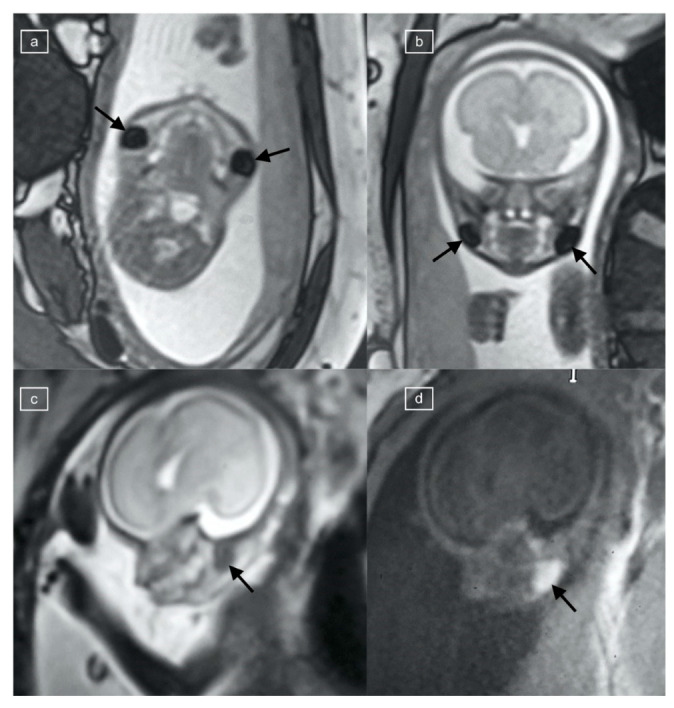 Figure 1
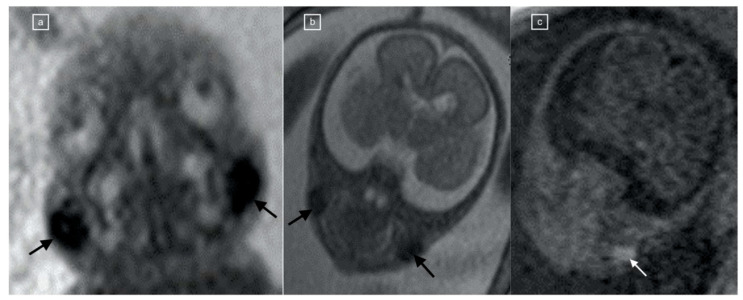 Figure 2
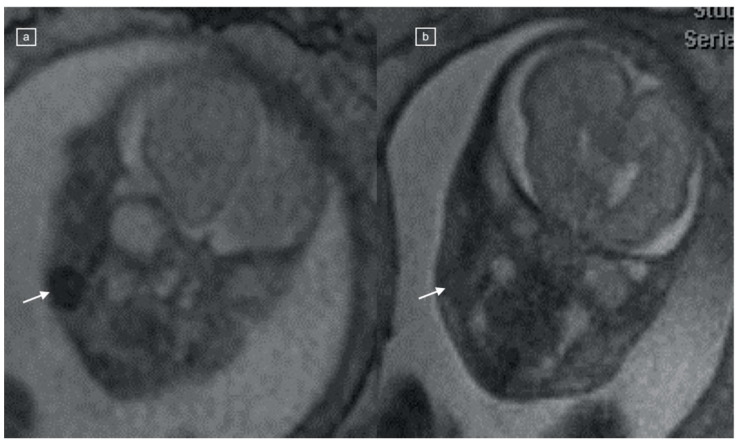 Figure 3
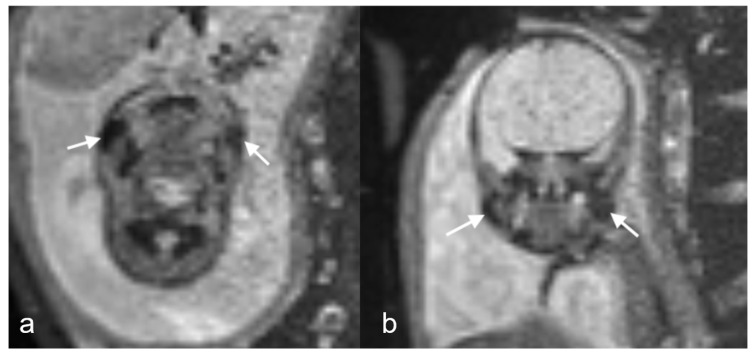 Figure 4
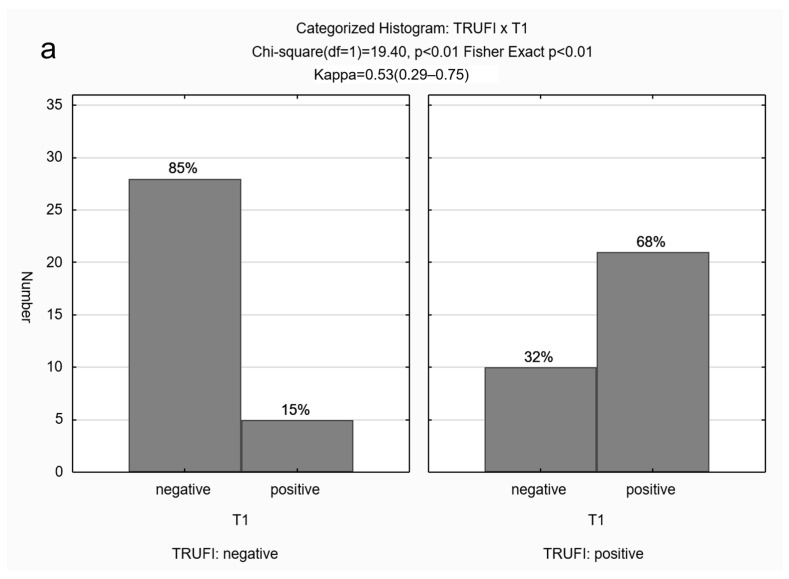 Figure 5
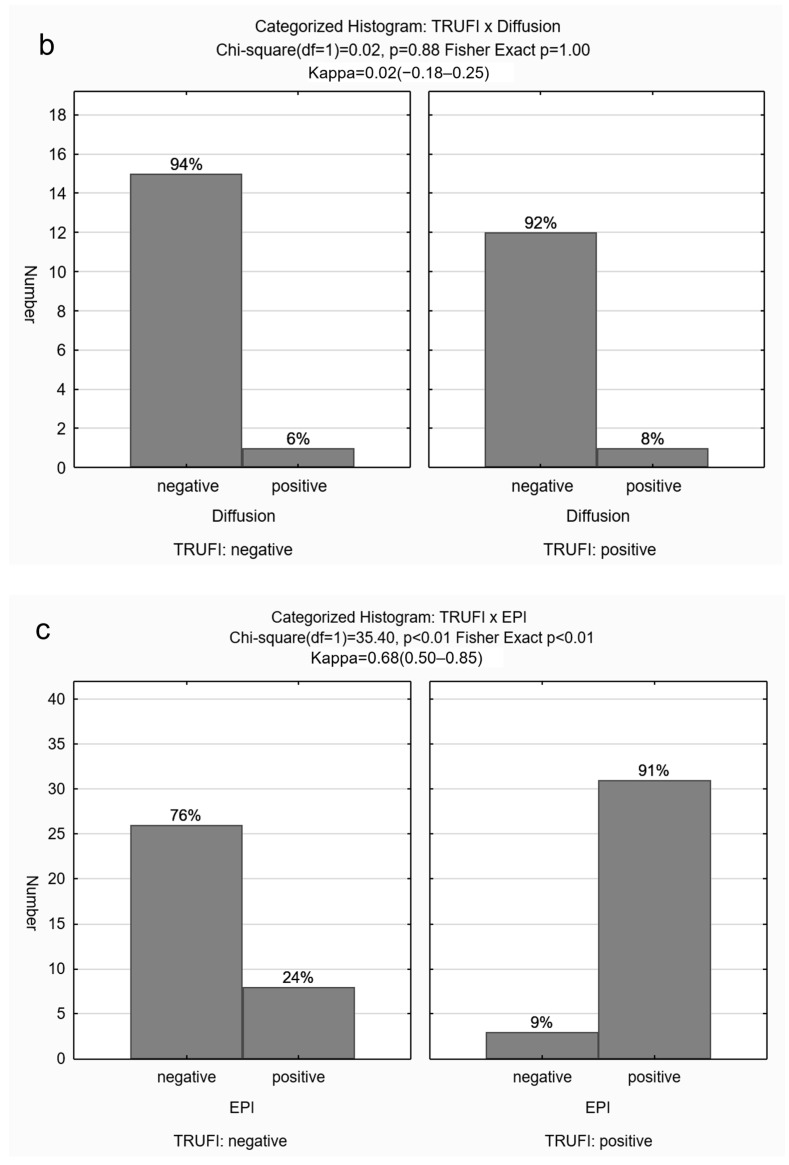 Figure 6
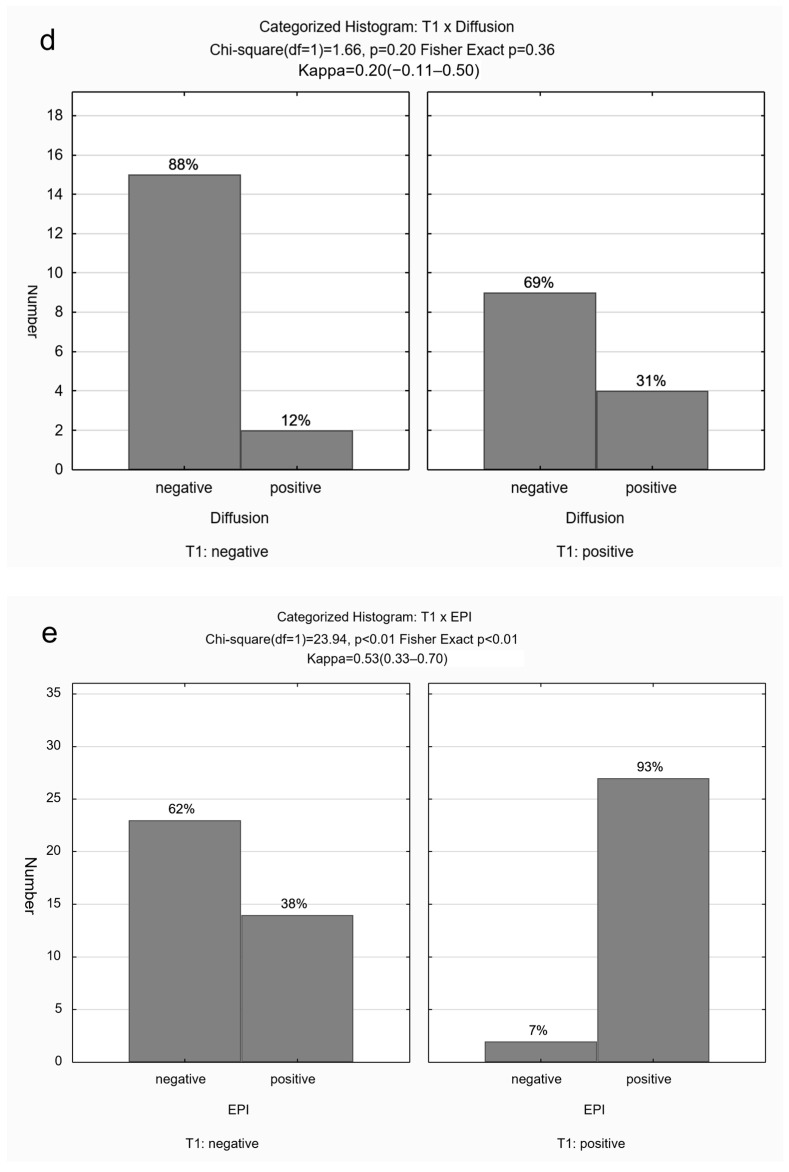 Figure 7
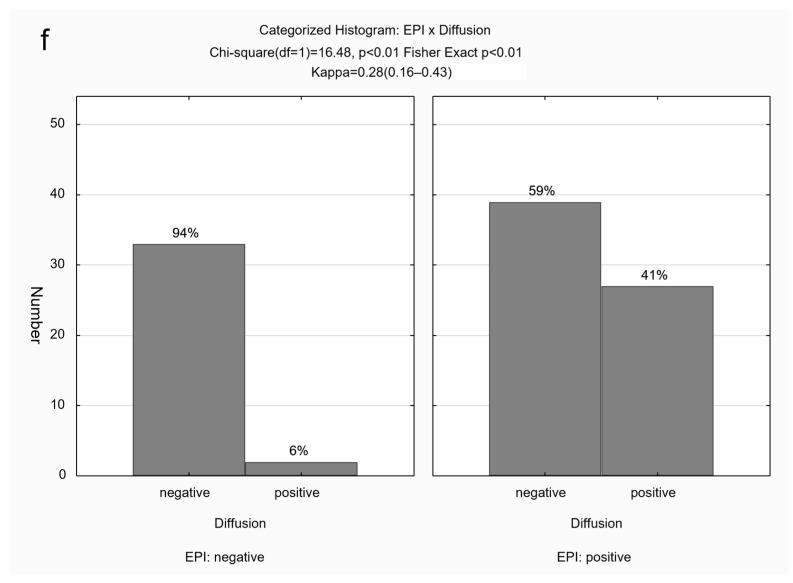 Figure 8
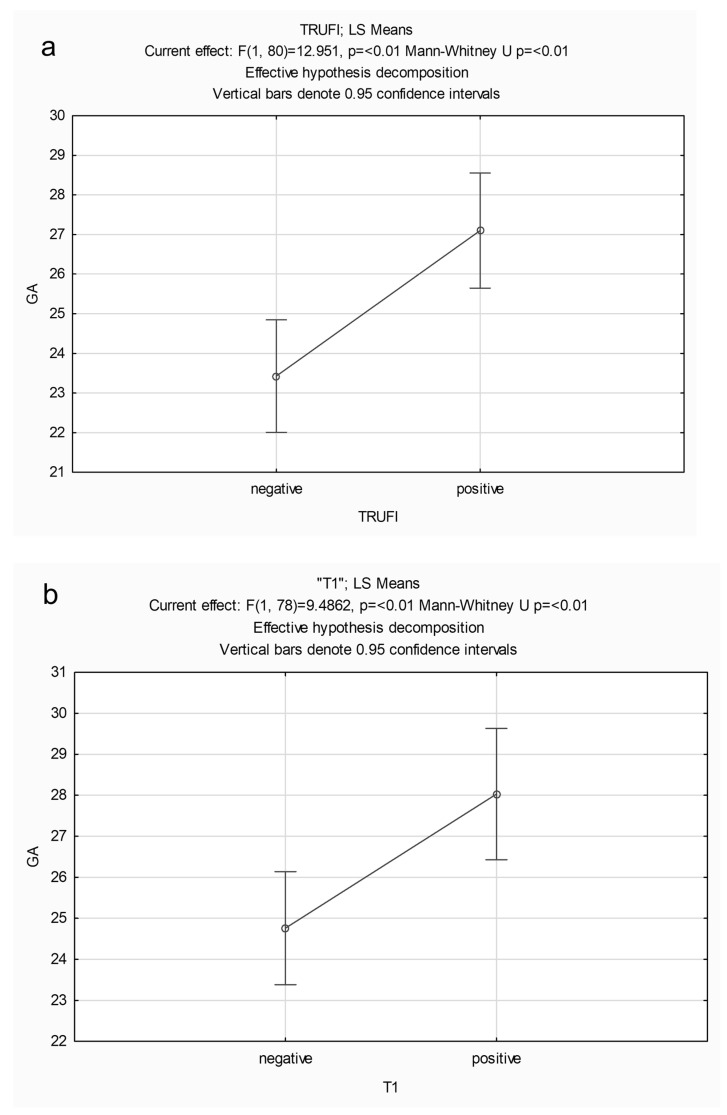 Figure 9
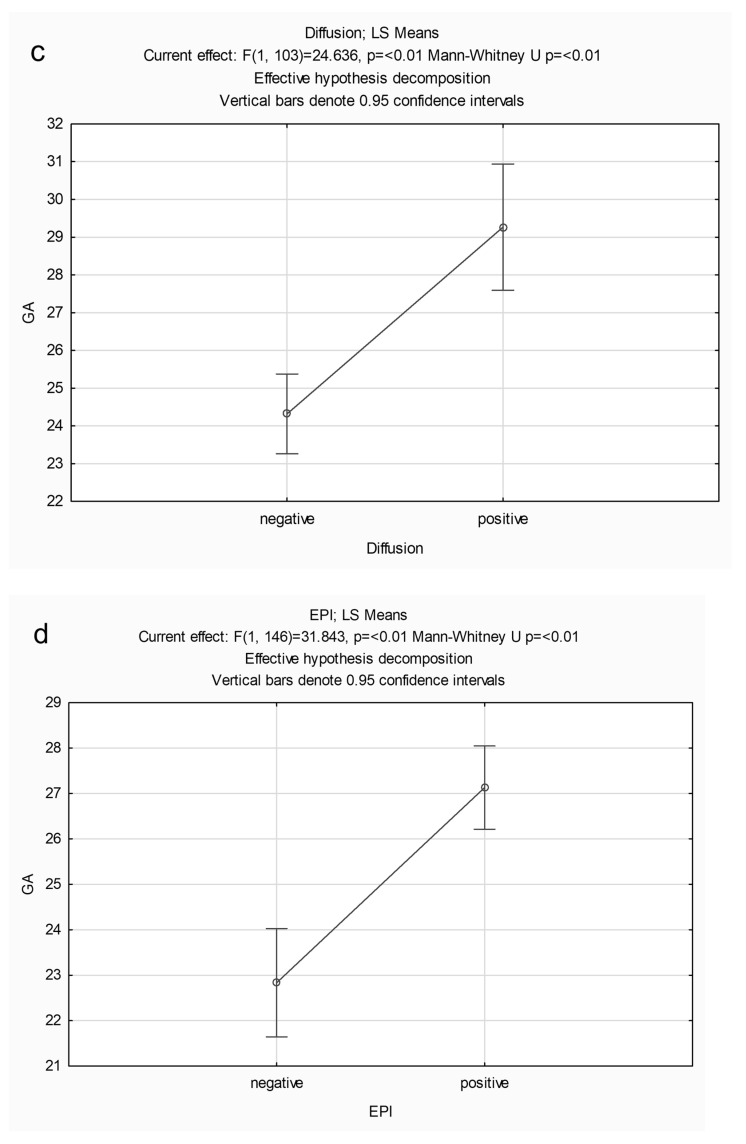 Figure 10
Peer Reviews
No public reviews on file for this paper yet. If you reviewed it on a platform where reviews are public (OpenReview, ICLR, NeurIPS, ICML), you can paste yours below so the community can read it here.
Videos
No videos yet. Explain this paper in a talk, walkthrough, or lecture? Add one.
Taxonomy
TopicsCardiovascular Disease and Adiposity · Adipose Tissue and Metabolism · Cancer-related molecular mechanisms research