Atorvastatin Treatment Significantly Increased the Concentration of Bone Marrow-Derived Mononuclear Cells and Transcutaneous Oxygen Pressure and Lowered the Pain Scale after Bone Marrow Cells Treatment in Patients with “No-Option” Critical Limb Ischaemia
Jan Kyselovic, Adriana Adamičková, Andrea Gažová, Simona Valášková, Nikola Chomaničová, Zdenko Červenák, Juraj Madaric

TL;DR
Atorvastatin improved outcomes in patients with severe leg ischemia treated with bone marrow cells, increasing cell concentration and oxygen levels while reducing pain.
Contribution
The study identifies atorvastatin as a novel pre-treatment that enhances BMCs therapy outcomes in critical limb ischemia patients.
Findings
Atorvastatin significantly increased BM-MNCs concentration and transcutaneous oxygen pressure in CLI patients.
Patients on atorvastatin showed reduced pain and lower risk of amputation after BMCs treatment.
CRP and TcPO2 were key predictive factors for treatment response in CLI patients.
Abstract
Background: The present study investigated the outcomes and possible predictive factors of autologous bone marrow cells (BMCs) therapy in patients with ”no-option“ critical limb ischaemia (CLI). It was focused on exploring the clinical background and prior statin and renin-angiotensin system (RAS)-acting agents pharmacotherapy related to the therapeutic efficacy of BMCs treatment. Methods: In the present study, we reviewed thirty-three patients (mean age 64.9 ± 10 years; 31 males) with advanced CLI after failed or impossible revascularisation, who were treated with 40 mL of autologous BMCs by local intramuscular application. Patients with limb salvage and wound healing (N = 22) were considered as responders to BMCs therapy, and patients with limb salvage and complete ischemic wound healing (N = 13) were defined as super-responders. Logistic regression models were used to screen and…
Genes, proteins, chemicals, diseases, species, mutations and cell lines named across the full text — each resolved to its canonical identifier and authoritative record.
Click any figure to enlarge with its caption.
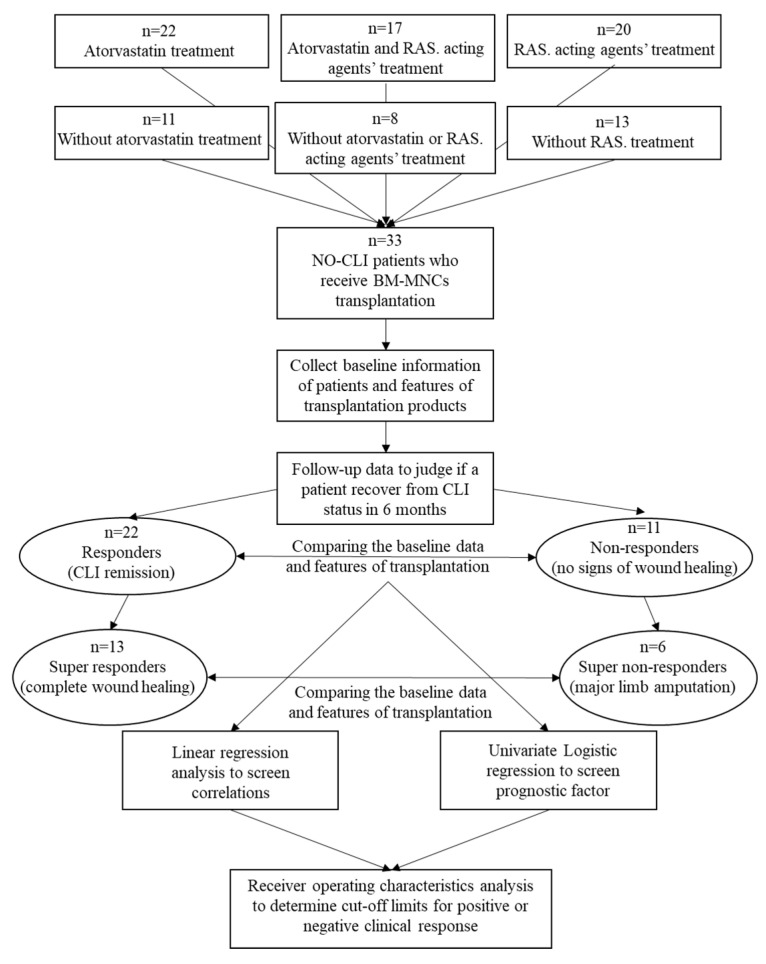 Figure 1
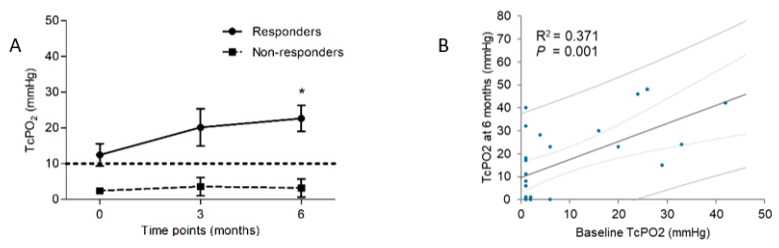 Figure 2
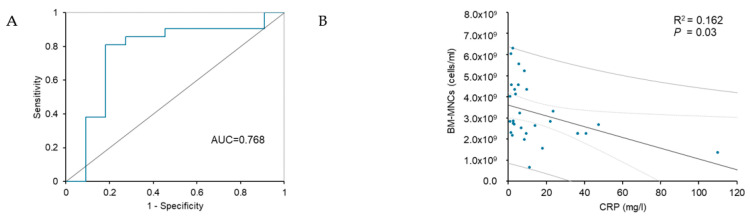 Figure 3
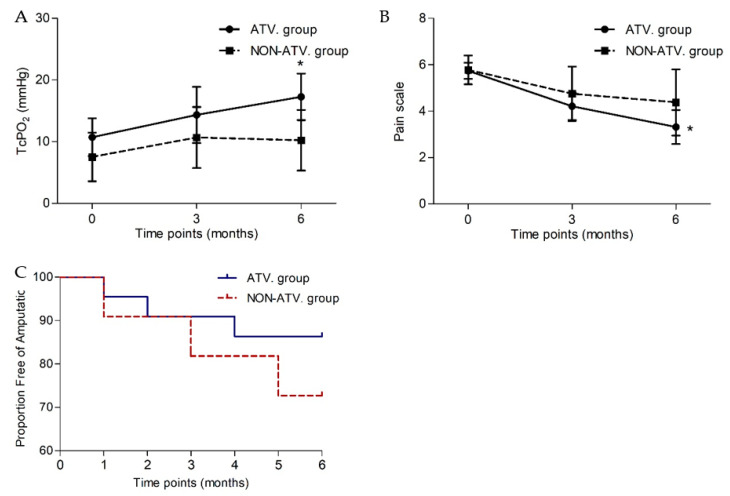 Figure 4
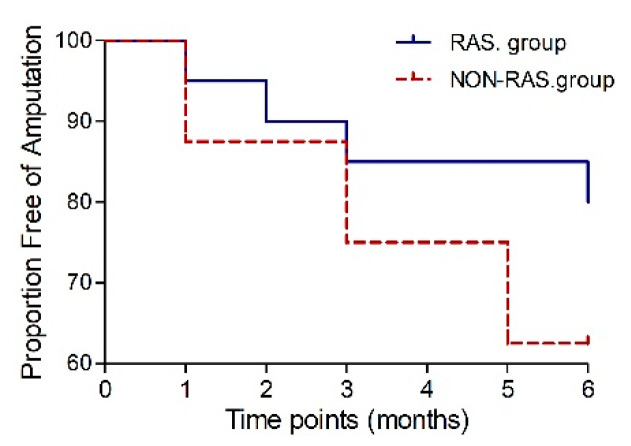 Figure 5
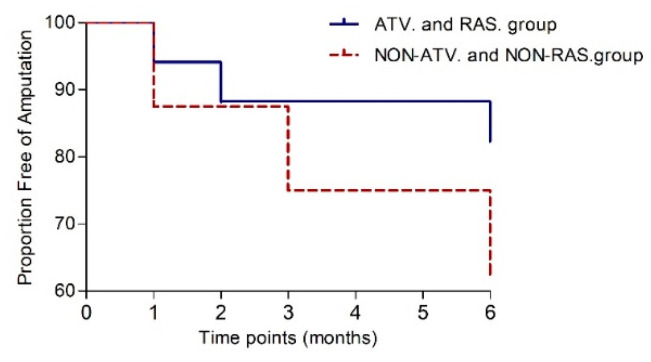 Figure 6
Peer Reviews
No public reviews on file for this paper yet. If you reviewed it on a platform where reviews are public (OpenReview, ICLR, NeurIPS, ICML), you can paste yours below so the community can read it here.
Videos
No videos yet. Explain this paper in a talk, walkthrough, or lecture? Add one.
Taxonomy
TopicsPeripheral Artery Disease Management · Diabetic Foot Ulcer Assessment and Management · Stroke Rehabilitation and Recovery