Usefulness of Probing Sensor Device for Evaluating Meniscal Suture and Scaffold Implantation
Shunsuke Sezaki, Shuhei Otsuki, Takashi Ishitani, Takeru Iwata, Takehito Hananouchi, Yoshinori Okamoto, Hitoshi Wakama, Masashi Neo

TL;DR
This study uses a probing sensor to determine optimal suture tension for meniscal repair and scaffold implantation in pigs.
Contribution
The study introduces a novel probing sensor method to evaluate suture and scaffold fixation in meniscal repair.
Findings
Meniscal scaffolds and normal tissue should be fixed within a 5 mm suture interval.
A minimum of 1.0 N force is needed for vertical tears and 3.0 N for scaffolds.
Proper suture tension can reduce failure and improve stabilization in meniscal repair.
Abstract
Appropriate suture tension is a key factor in successful meniscal repair. This study aimed to clarify the appropriate value of meniscal stabilization with suture repair based on a probing procedure for healthy porcine menisci and a novel meniscal scaffold. After evaluating the reliability of the probing sensor, meniscal vertical tear and partial meniscectomy models were developed, in which suture repair and meniscal scaffold implantation were performed at suture intervals ranging between 20 and 2.5 mm. The residence forces at each interval were evaluated using a probing sensor. Moreover, a tensile test was conducted to evaluate the displacement and presence or absence of gaps. We found that normal and meniscal scaffolds should be fixed within 5 mm of suture interval. The probing residence forces required were at least 1.0 N for vertical tears and 3.0 N for meniscal scaffolds. These…
Genes, proteins, chemicals, diseases, species, mutations and cell lines named across the full text — each resolved to its canonical identifier and authoritative record.
Click any figure to enlarge with its caption.
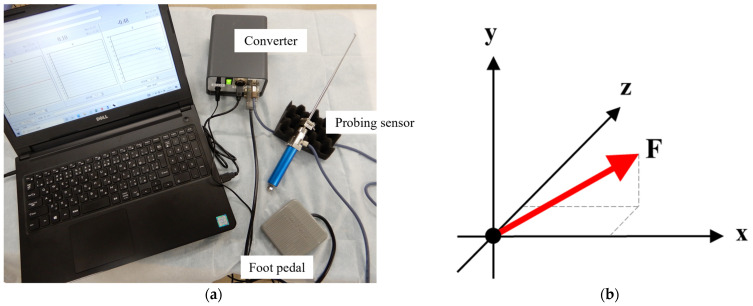 Figure 1
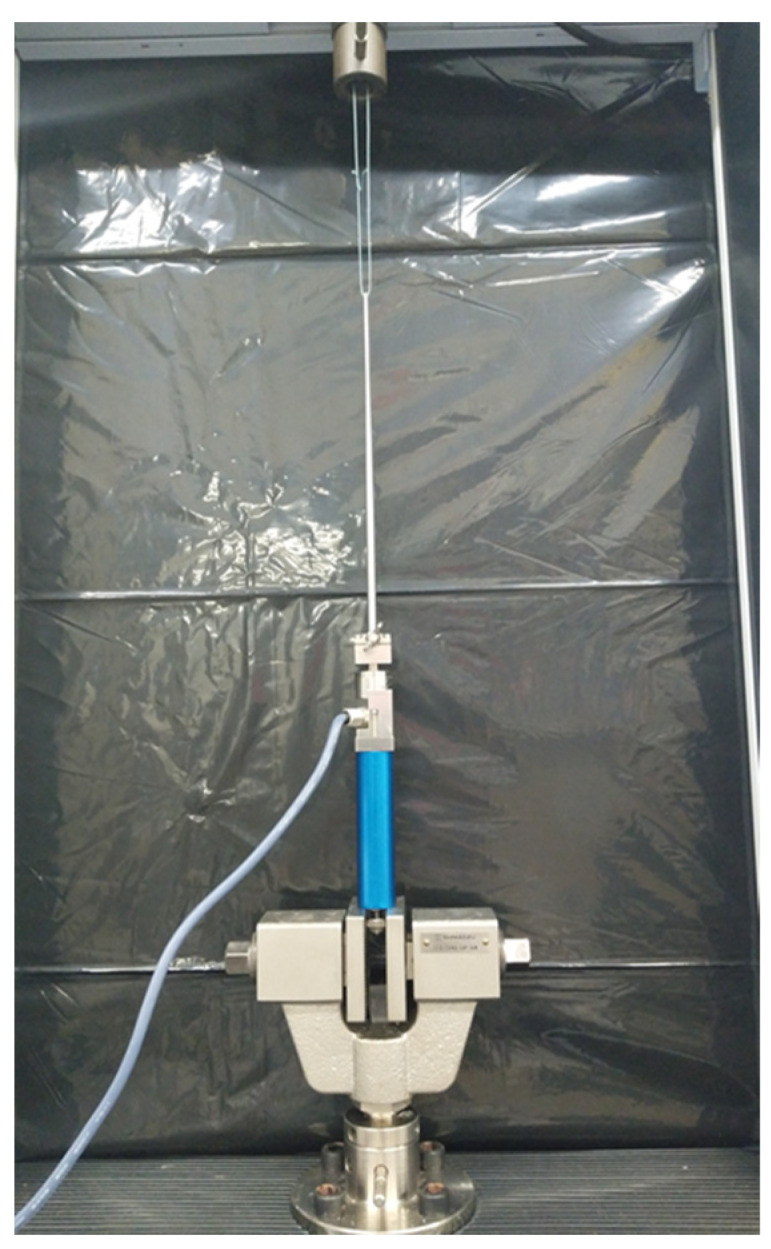 Figure 2
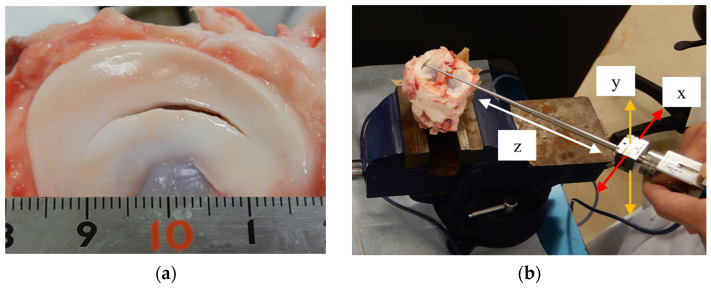 Figure 3
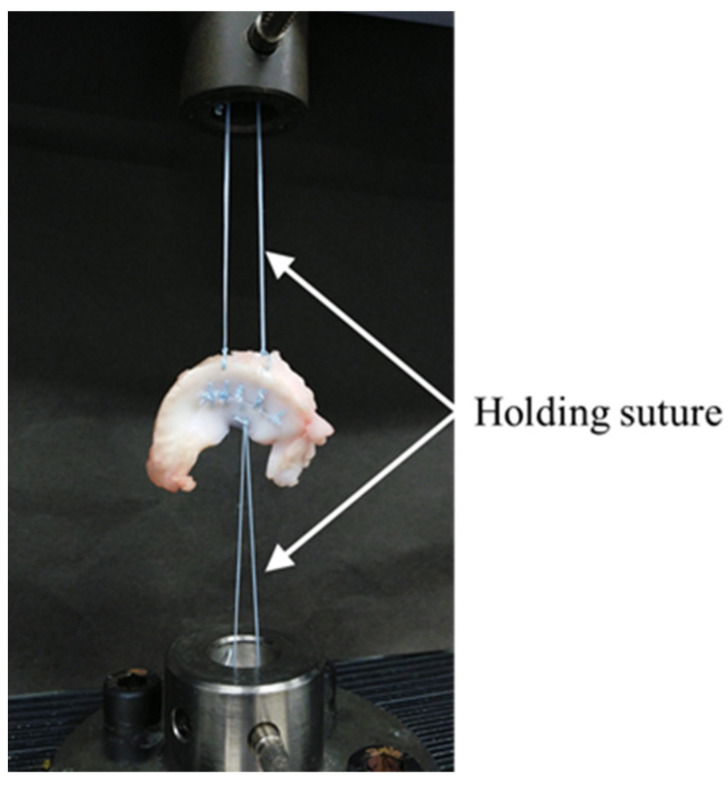 Figure 4
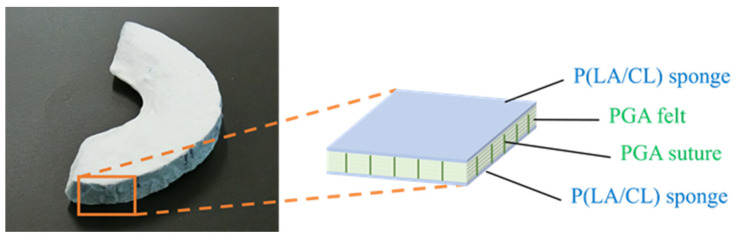 Figure 5
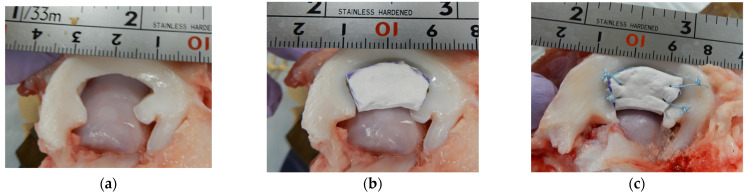 Figure 6
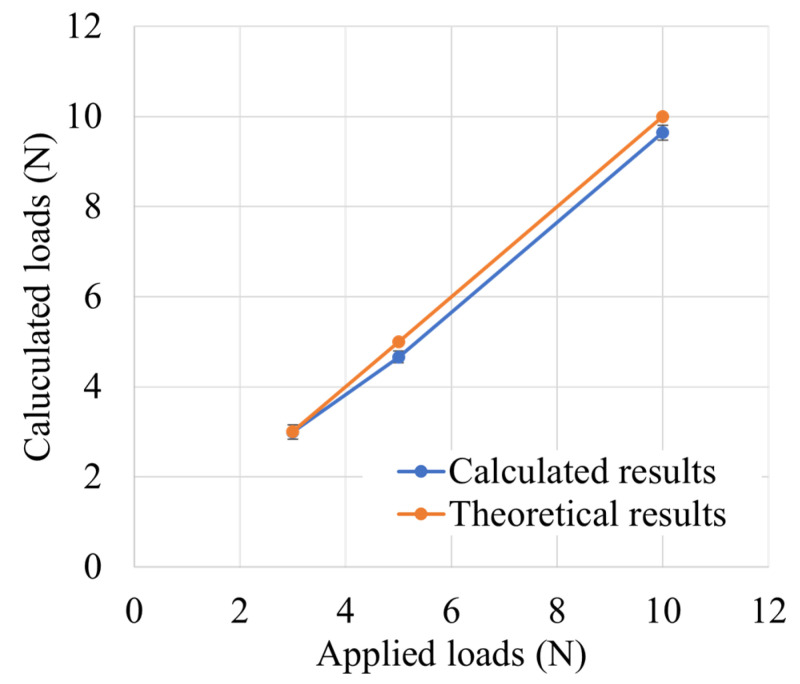 Figure 7
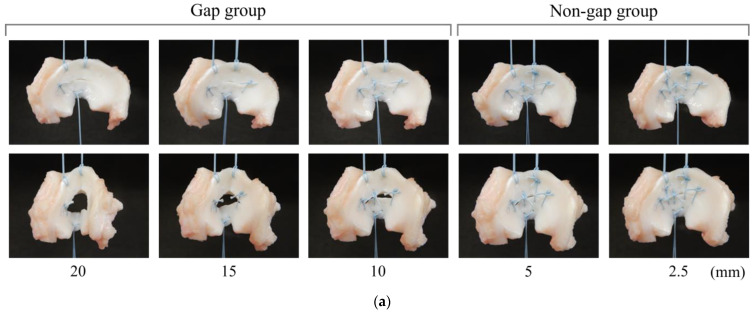 Figure 8
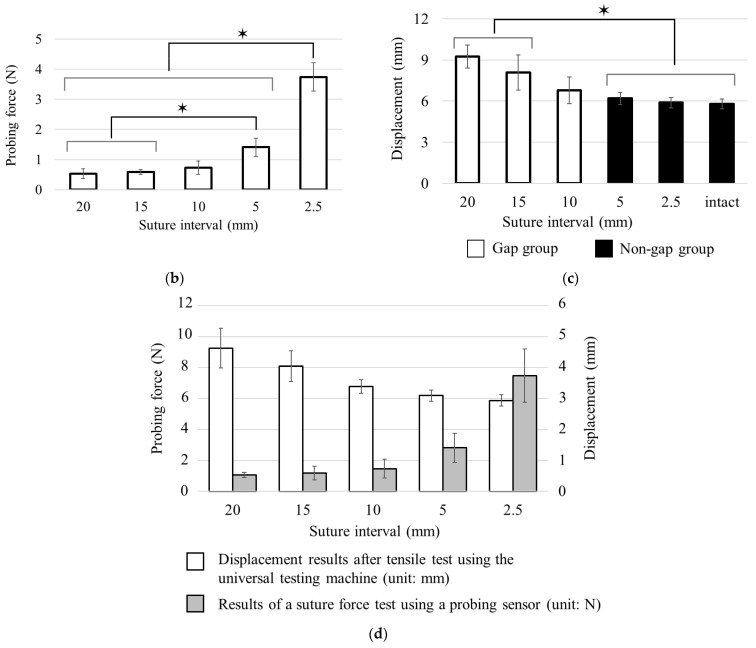 Figure 9
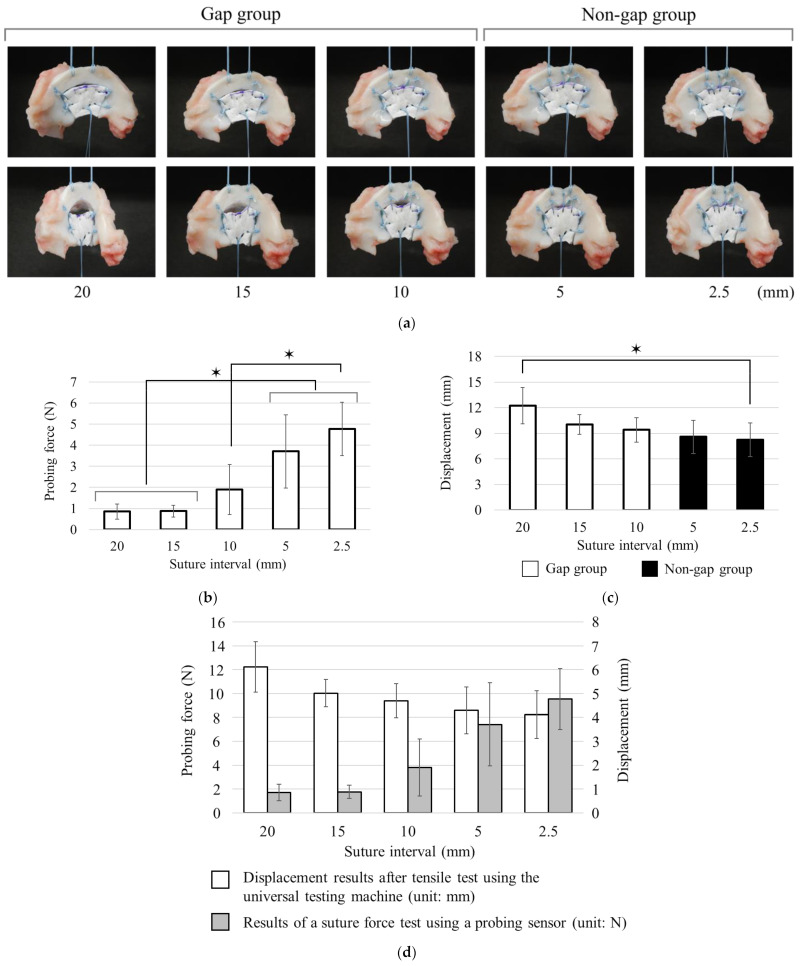 Figure 10
Peer Reviews
No public reviews on file for this paper yet. If you reviewed it on a platform where reviews are public (OpenReview, ICLR, NeurIPS, ICML), you can paste yours below so the community can read it here.
Videos
No videos yet. Explain this paper in a talk, walkthrough, or lecture? Add one.
Taxonomy
TopicsKnee injuries and reconstruction techniques · Total Knee Arthroplasty Outcomes · Sports injuries and prevention